Identification information of the recalled product
Product category Feed
Product subcategory honey and royal jelly
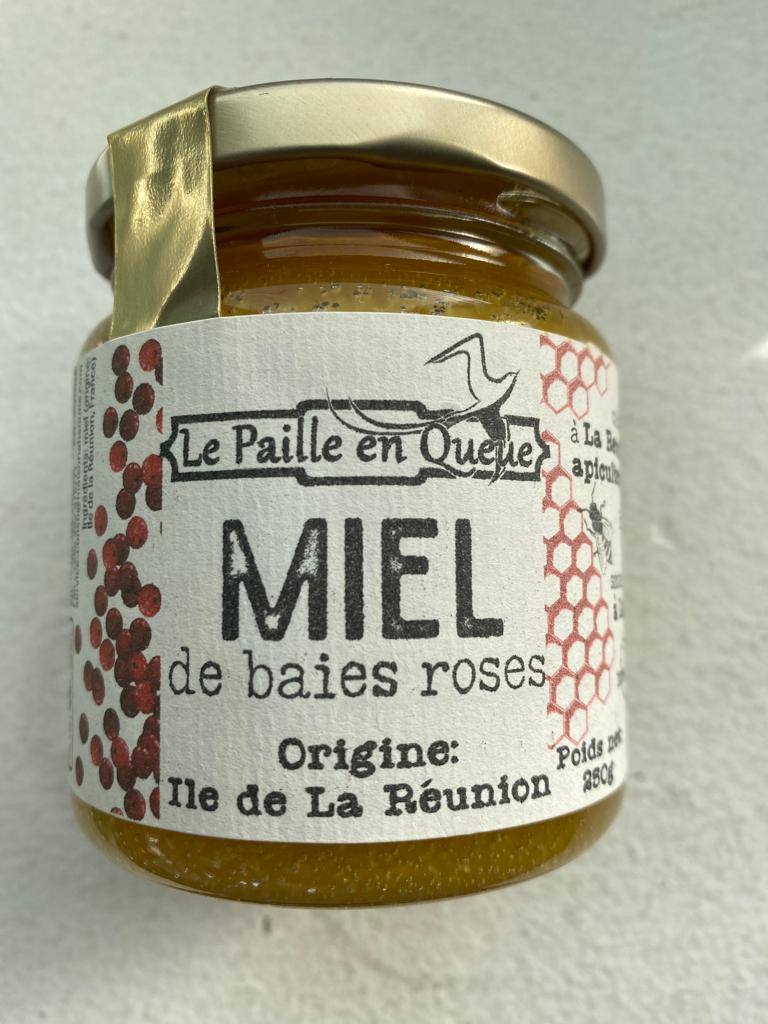
Product brand name THE STRAW IN TAIL
Model names or references PINK BERRY HONEY
Identification of products
Batch
Date
LOT NO. 21258
Use-by date 09/01/2024
Packaging GLASS JAR 250G
Marketing start/end date From 26/11/2021 to 11/07/2022
Storage temperature Product to be stored at room temperature
Geographic area of sale Departments: REUNION (974)
Distributors CARREFOUR CANABADY CARREFOUR GRAND LARGE U CHATOIRE LECLERC PORTAL CARREFOUR ST BENOIT CARREFOUR STE CLOTILDE LECLERC LA RAVINE AUCHAN U 14th Meeting Market St-André RUN MARKET ST ANDRE
Practical information regarding the recall
Reason for recall Presence of germ
Risks incurred by the consumer Other biological contaminants
Additional description of the riskPresence of germ
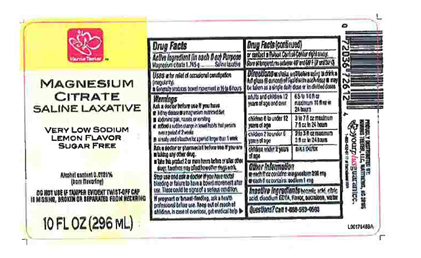
July 14, 2022 – Smyrna, TN, Vi-Jon, LLC is expanding its voluntary recall to include all lots of Magnesium Citrate Saline Laxative Oral Solution Lemon Flavor, 10 FL OZ (296 mL) within expiry to the consumer level. The recall was initiated after 3rd Party and Vi-Jon, LLC microbial testing identified the presence of Gluconacetobacter liquefaciens.
Risk Statement: Immunocompromised patients, who consume this product, may be at increased risk for invasive infections caused by Gluconacetobacter liquefaciens that could lead to serious, life-threatening adverse health consequences. To date, Vi-Jon, LLC has received one report of an adverse reaction potentially related to this recall. Vi-Jon, LLC is in the process of investigating this report.
The product is used for relief of occasional constipation (irregularity) and generally produces bowel movement in ½ to 6 hours. The product is packaged in a 10 oz clear round plastic bottle.
Soil microbes play an essential role in the biodegradation of crustacean shells, which is the process of sustainable bioconversion to chitin derivatives ultimately resulting in the promotion of plant growth properties. While a number of microorganisms with chitinolytic properties have been characterized, little is known about the microbial taxa that participate in this process either by active chitin degradation or by facilitation of this activity through nutritional cooperation and composting with the chitinolytic microorganisms. In this study, we evaluated the transformation of the soil microbiome triggered by close approximation to the green crab shell surface. Our data indicate that the microbial community associated with green crab shell matter undergoes significant specialized changes, which was reflected in a decreased fungal and bacterial Shannon diversity and evenness and in a dramatic alteration in the community composition. The relative abundance of several bacterial and fungal genera including bacteria Flavobacterium, Clostridium, Pseudomonas, and Sanguibacter and fungi Mortierella, Mycochlamys, and Talaromyces were increased with approximation to the shell surface. Association with the shell triggered significant changes in microbial cooperation that incorporate microorganisms that were previously reported to be involved in chitin degradation as well as ones with no reported chitinolytic activity. Our study indicates that the biodegradation of crab shells in soil incorporates a consortium of microorganisms that might provide a more efficient way for bioconversion. View Full-Text
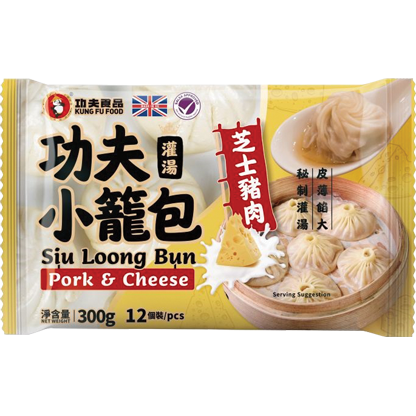
Amazing Oriental warns against Kung Fu’s Siu Loong Bun Pork & Cheese. An internal investigation has shown that the product contains microbacteria. Eating this product can pose a health hazard. Do not eat the product.
Siu Loong Bun Pork & Cheese
Product code: 69259 Brand: Kung Fu Best before: 02/01/2023 Packing unit: 300g
An internal investigation has shown that the said product contains microbacteria. Consuming this product may pose a health hazard.
We would like to request that you return the mentioned product to one of the Amazing Oriental branches. You will of course receive the purchase amount back.
We tested animals from wildlife trade sites in Laos for the presence of zoonotic pathogens. Leptospira spp. were the most frequently detected infectious agents, found in 20.1% of animals. Rickettsia typhi and R. felis were also detected. These findings suggest a substantial risk for exposure through handling and consumption of wild animal meat.
Consumption of wildlife meat drives emerging infectious diseases , often amplified by human encroachment into natural areas and changes in land use. Wildlife trade and consumption have been responsible for outbreaks of diseases such as HIV-1 , Ebola , and monkeypox and possibly for the coronavirus disease pandemic . Wildlife markets bring diverse species into contact, usually in dense and unsanitary conditions, enabling mixing, amplification, and transmission of pathogens among species, including humans . Small mammals host diverse pathogenic bacteria and viruses , but little investigation of endemic bacteria transmission has occurred. Determining pathogens present in traded wildlife is vital to guide appropriate measures to combat zoonotic diseases and document societal and environmental costs of wildlife trade.
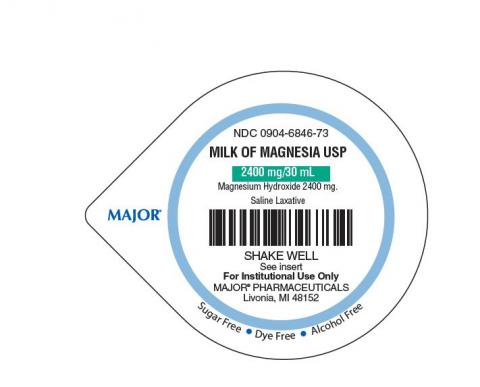
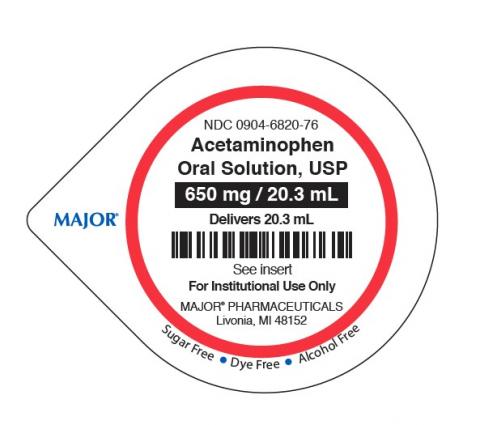
3/24/2022 – Lawrence, KS, Plastikon Healthcare, LLC is voluntarily recalling three (3) lots of Milk of Magnesia 2400 mg/30 mL Oral Suspension, one (1) lot of Acetaminophen 650mg/ 20.3mL, and six (6) lots of Magnesium Hydroxide 1200mg/Aluminum Hydroxide 1200mg/Simethicone 120mg per 30 mL to the hospital, clinic and patient level. The products are being recalled due to microbial contamination and failure to properly investigate failed microbial testing.
Risk Statement: This product potentially could result in illness due to intestinal distress, such as diarrhea or abdominal pain. Individuals with a compromised immune system have a higher probability of developing a wide-spread, potentially life-threatening infection when ingesting or otherwise orally exposed to products contaminated by micro-organisms. To date, Plastikon has not received any customer complaints related to microbial concerns or reports of adverse events related to this recall.
Product indication, lot numbers, expiration dates and NDC information are listed in the table below. The product is packaged for institutional use and is sold to clinics and hospitals nationwide in single use cups with a foil lid. The affected lots were distributed to Major Pharmaceuticals Distribution Center (wholesaler) between 5/1/2020 and 6/28/2021, who shipped to hospitals, nursing homes, and clinics nationwide. The products are private labeled for Major Pharmaceuticals.
Product Name
Milk of Magnesia 2400 mg/30 mL Oral Suspension
Magnesium Hydroxide
1200mg/Aluminum
Hydroxide
1200mg/Simethicone
120mg per 30 mL
Acetaminophen 650mg/
20.3mL
Indications for use
Milk of Magnesia 2400 mg/ 30 mL is indicated for the occasional relief of constipation
(irregularity) in adults and children 12 years and older or for children under 12 as recommended by a doctor.
Magnesium Hydroxide
1200mg/Aluminum
Hydroxide
1200mg/Simethicone 120mg per 30 mL is indicated for relief of acid indigestion, heartburn, sour stomach, upset stomach due to these symptoms, pressure and bloating commonly referred to as gas.
Acetaminophen 650mg/ 20.3mL indicated for temporarily relief of minor aches and pains due to, minor pain of arthritis, muscular aches, backache, premenstrual and menstrual cramps, the common cold, headache, toothache, and temporarily reduction of fever.
Carton containing 100 single dose cups (10 trays x 10 cups)
Carton containing 100 single dose cups (10 trays x 10 cups)
Carton containing 100 single dose cups (10 trays x 10 cups)
Plastikon Healthcare places the utmost emphasis on patient safety and product quality at every step in the manufacturing and supply chain process. Plastikon Healthcare has notified its direct customers via a recall letter to arrange for return of any recalled product. Anyone with an existing inventory of the lots which are being recalled should stop use and distribution, and quarantine immediately. Return all quarantined product to the place of purchase. For clinics, hospitals, or healthcare providers that have dispensed product to patients, please notify patients regarding the recall.
Consumers with questions regarding this recall can contact Plastikon by phone at 785-330-7109 or email address (sdixon@plastikon.com) Monday through Friday from 9 am to 4 pm CST. Patients are advised to contact their doctor or healthcare provider if they have experienced any problems that may be related to taking or using this drug product.
Adverse reactions or quality problems experienced with the use of this product may be reported to the FDA’s MedWatch Adverse Event Reporting program either online, by regular mail or by fax.
Regular Mail or Fax: Download form or call 1- 800-332-1088 to request a reporting form, then complete and return to the address on the pre-addressed form, or submit by fax to 1-800-FDA-0178
This recall is being conducted with the knowledge of the U.S. Food and Drug Administration.
The National Contact Point EFSA (Department of Food Safety and Nutrition MPRV SR ) in cooperation with the European Food Safety Authority has prepared a leaflet on safe defrosting of food in the Slovak language.
The leaflet presents basic information on defrosting food, usable in every household. By reducing the mistakes that consumers make when handling frozen food incorrectly, the formation of harmful bacteria is eliminated. Proper thawing procedures reduce the risk of foodborne illness and reduce food waste.
Here are some food safety tips for Super Bowl Sunday from the USDA:
#1 Remember Your Four Steps to Food Safety
Clean: Wash hands for 20 seconds before and after handling food, especially raw meat and poultry. Clean hands, surfaces and utensils with soap and warm water before cooking, during preparation and serving. After cleaning surfaces that raw meat and poultry have touched, apply a commercial or homemade sanitizing solution (1 tablespoon of liquid chlorine bleach per gallon of water). Use hand sanitizer that contains at least 60 percent alcohol.
Separate: Use separate cutting boards, plates and utensils to avoid cross-contamination between raw meat or poultry and foods that are ready-to-eat, such as raw vegetables and fruits.
Cook: Confirm foods are cooked to a safe internal temperature by using a food thermometer.
Chill: Chill foods promptly if not consuming immediately after cooking. Don’t leave food at room temperature for longer than two hours. Set out portions of foods and refill serving dishes instead of setting out all of the food at the beginning of the game.
#2 Cook Your Food to a Safe Internal Temperature
Using a food thermometer, ensure you reach a safe internal temperature when cooking: meat (whole beef, pork and lamb) 145 degrees F with a 3-minute resting time after removing from heat; ground meats 160 degrees F; poultry (ground and whole) 165 degrees F; eggs 160 degrees F; fish and shellfish 145 degrees F; and leftovers and casseroles 165 degrees F.
If chicken wings are on the menu, use a food thermometer on several wings to gauge the doneness of the entire batch. If one is under 165 F, continue cooking all wings until they reach that safe internal temperature.
#3 Avoid the Danger Zone
Bacteria multiply rapidly between 40 degrees F and 140 degrees F. This temperature range is called the Danger Zone.
Perishable foods, such as chicken wings, deli wraps and meatball appetizers, should be discarded if left out for longer than two hours. To prevent food waste, refrigerate or freeze perishable items within two hours.
Keep cold foods at a temperature of 40 degrees F or below by keeping food nestled in ice bowls or refrigerated until ready to serve.
Keep hot foods at a temperature of 140 degrees F or above by placing food in a preheated oven, warming trays, chafing dishes or slow cookers.
Divide leftovers into small portions and refrigerate or freeze them in shallow containers, which helps leftovers cool quicker than storing them in large containers.
#4 Keep Takeout Food Safe
If you order food and it’s delivered or picked up in advance of the big game, divide the food into smaller portions or pieces, place in shallow containers and refrigerate until ready to reheat and serve. You can also keep the food warm (above 140 degrees F) in a preheated oven, warming tray, chafing dish or slow cooker.
When reheating food containing meat or poultry, make sure the internal temperature reaches 165 degrees F as measured by a food thermometer.
If heating food in the microwave, ensure that contents are evenly dispersed. Because microwaved food can have cold spots, be sure to stir food evenly until the food has reached a safe internal temperature throughout.
A special word on salsa and guacamole:
“The reason that salsa and guacamole are so susceptible to contamination is that they are made with multiple raw, uncooked vegetables and are often stored at room temperature,” according to the Food and Drug Administration.
In addition to being left out for long periods of time, salsa and guacamole often contain diced raw produce including hot peppers, tomatoes and cilantro, increasing their chance of carrying harmful bacteria.
Anyone preparing fresh salsa and guacamole at home should be aware that these foods contain raw ingredients and that they should be carefully prepared and refrigerated to help prevent illness.
To prevent bacteria growth, these side dishes should be refrigerated within two hours. Those serving these foods should be aware of the length of time they have been out at room temperature.




 FoodWorld