Monthly Archives: August 2024

Canada – Gerber® brand Oat Banana & Mango Baby Cereal recalled due to Cronobacter spp.

Gov Canada

Summary

Product
Oat Banana & Mango Baby Cereal
Issue
Food – Microbial Contamination – Other
What to do

Do not consume, use, sell, serve, or distribute recalled products

Distribution
Online
Alberta
British Columbia
Manitoba
New Brunswick
Ontario
Quebec
Saskatchewan
Possibly other provinces and territories

The affected product is being recalled from the marketplace due to possible Cronobacter spp. contamination.

What you should do

  • If you think you became sick from consuming a recalled product, contact your healthcare provider
  • Check to see if you have recalled products
  • Do not consume, serve, use, sell, or distribute recalled products
  • Recalled products should be thrown out or returned to the location where they were purchased

Food contaminated with Cronobacter may not look or smell spoiled but can still make you sick. Although Cronobacter is not commonly linked to human illness, in rare cases it can cause serious or fatal infections. Cronobacter can cause rare bloodstream and central nervous system infections and has been associated with severe intestinal infection (necrotizing enterocolitis) and blood poisoning (sepsis), especially in newborns.

Research -Biocontrol Strategy of Listeria monocytogenes in Ready-to-Eat Pork Cooked Ham Using Peptic Hydrolysates of Porcine Haemoglobin

MDPI

Abstract

Listeria monocytogenes is a foodborne pathogen that represents a serious concern for ready-to-eat (RTE) meat products due to its persistence in production facilities. Among the different strategies for the control of this pathogen, the use of antimicrobial peptides derived from food by-products, such as slaughterhouse blood proteins, has emerged as a promising biocontrol strategy. This study evaluated for the first time the use of peptic hydrolysates of porcine hemoglobin as a biocontrol strategy of L. monocytogenes in RTE pork cooked ham. Pure porcine hemoglobin (Hb-P) and porcine cruor (P-Cru) were hydrolyzed using pepsin at different temperatures (37 °C for Hb-P and 23 °C for P-Cru) for 3 h. Then, the hydrolysates were characterized in terms of their degree of hydrolysis (DH), peptide population, color, and antimicrobial activity (in vitro and in situ) against three different serotypes of L. monocytogenes. Reducing the hydrolysis temperature of P-Cru by 14 °C resulted in a 2 percentage unit decrease in DH and some differences in the peptide composition. Nevertheless, the antimicrobial activity (in situ) was not significantly impacted, decreasing the viable count of L. monocytogenes by ~1-log and retarding their growth for 21 days at 4 °C. Although the color of the product was visibly altered, leading to more saturated reddish and yellowish tones and reduced brightness, the discoloration of the hydrolysates can be addressed. This biopreservation approach holds promise for other meat products and contributes to the circular economy concept of the meat industry by valorizing slaughterhouse blood and producing new antilisterial compounds.

Vibrio vulnificus, the emergence of a real danger

ACSA

According to the European Environment Agency, increasing global sea surface temperature (SST) is one of the main physical impacts of climate change. SST in European coastal seas has increased 4–7 times faster than in the oceans over the past decades. This local increase in SST has been linked to outbreaks of Vibrio -associated human illness caused by non-O1/non-O1 Vibrio cholerae39 , V. parahaemolyticus and V. vulnificus in several European countries.

Climate change has also created new ocean currents that favour the spread of vibrios. Inadequate transport and storage of fish and fishery products over long distances, the same sea waters used by ships as ballast and aquaculture all contribute to their expansion. Travellers and animals also play a role. For example, migratory birds can act as vectors for the intercontinental transport of V. cholerae . Once introduced into a new region, they become endemic. Vibrio spp. and mainly the species V. parahaemolyticus and V. vulnificus , have been identified by the European Food Safety Authority (EFSA) as biological hazards with a high probability of becoming emerging in the near future in Europe.

Read more at the link above.

Research – Genetic Diversity in Salmonella enterica in Outbreaks of Foodborne and Zoonotic Origin in the USA in 2006–2017

MDPI

Abstract

Whole genome sequencing is replacing traditional laboratory surveillance methods as the primary tool to track and characterize clusters and outbreaks of the foodborne and zoonotic pathogen Salmonella enterica (S. enterica). In this study, 438 S. enterica isolates representing 35 serovars and 13 broad vehicle categories from one hundred epidemiologically confirmed outbreaks were evaluated for genetic variation to develop epidemiologically relevant interpretation guidelines for Salmonella disease cluster detection. The Illumina sequences were analyzed by core genome multi-locus sequence typing (cgMLST) and screened for antimicrobial resistance (AR) determinants and plasmids. Ninety-three of the one hundred outbreaks exhibited a close allele range (less than 10 allele differences with a subset closer than 5). The remaining seven outbreaks showed increased variation, of which three were considered polyclonal. A total of 16 and 28 outbreaks, respectively, showed variations in the AR and plasmid profiles. The serovars Newport and I 4,[5],12:i:-, as well as the zoonotic and poultry product vehicles, were overrepresented among the outbreaks, showing increased variation. A close allele range in cgMLST profiles can be considered a reliable proxy for epidemiological relatedness for the vast majority of S. enterica outbreak investigations. Variations associated with mobile elements happen relatively frequently during outbreaks and could be reflective of changing selective pressures.

Research – Levels and types of microbial contaminants in different plant-based ingredients used in dairy alternatives

Science Direct

Abstract

In this study levels and types of microbial contaminants were investigated in 88 different plant-based ingredients including many that are used to manufacture dairy alternatives. Studied ingredients encompassed samples of pulses (pea, faba bean, chickpea, and mung bean), cereals/pseudocereals (oat, rice, amaranth and quinoa) and drupes (coconut, almond and cashew). The microbial analysis included: i) total viable count (TVC), ii) total aerobic mesophilic spore count (TMS), iii) heat resistant aerobic thermophilic spore count (HRTS), iv) anaerobic sulfite reducing Clostridium spore count (SRCS), and v) Bacillus cereus spore count (BCES). Microorganisms isolated from the counting plates with the highest sample dilutions were identified using 16S rRNA and MALDI-TOF MS analyses.

Many of the investigated ingredients showed a high proportion of spores as part of their total aerobic mesophilic counts. In 63 % of the samples, the difference between TVC and TMS counts was 1 Log10 unit or less. This was particularly the case for the majority of pea isolates and concentrates, faba bean isolates, oat kernels and flakes, and for single samples of chickpea isolate, almond, amaranth, rice, quinoa, and coconut flours. Concentrations of TVC ranged between <1.0 and 5.3 Log10 CFU/g in different samples, and TMS varied between <1.0 and 4.1 Log10 CFU/g. Levels of HTRS, BCES and SRCS were generally low, typically around or below the LOD of 1.0 Log10 CFU/g.

In total, 845 individual bacterial colonies were isolated belonging to 33 different genera. Bacillus licheniformis and B. cereus group strains were most frequently detected among Bacillus isolates, and these species originated primarily from pea and oat samples. Geobacillus stearothermophilus was the main species encountered as part of the HRTS. Among the Clostridium isolates, Clostridum sporogenes/tepidum were predominant species, which were mostly found in pea and almond samples. Strains with potential to cause foodborne infection or intoxication were typed using the PCR-based method for toxin genes detection. In the B. cereus group, 9 % of isolates contained the ces gene, 28 % contained hbl, 42 % cytK, and 69 % were positive for the nhe gene. Absence of the boNT-A and -B genes was confirmed for all isolated C. sporogenes/tepidum strains. Nearly all (98 %) B. licheniformis isolates were positive for the lchAA gene.

Insight into the occurrence of microbial contaminants in plant-based ingredients, combined with knowledge of their key inactivation and growth characteristics, can be used for the microbial risk assessment and effective design of plant-based food processing conditions and formulations to ensure food safety and prevent spoilage.

Research – Comparative Study of the Antibacterial Effects of S-Nitroso-N-acetylcysteine and Sodium Nitrite against Escherichia coli and Their Application in Beef Sausages

MDPI

Abstract

This study investigated the antibacterial effects of S-nitroso-N-acetylcysteine (SNAC) and sodium nitrite (NaNO2) against Escherichia coli and their application in beef sausages. Both SNAC and NaNO2 demonstrated pH-responsive antibacterial activity, with SNAC showing greater efficacy than NaNO2 (p < 0.05) at the same pH (3, 5, and 7). The reactive oxygen species (ROS) and reactive nitrogen species (RNS) induced in E. coli by SNAC were significantly higher than those induced by NaNO2 (p < 0.05), and both ROS and RNS values increased as the pH decreased. In addition, a lower pH led to more pores on the E. coli cell surface and increased membrane permeability, resulting in a more pronounced inhibitory effect. When applied to a beef sausage, SNAC-treated sausages had significantly lower total colony counts and carbonyl content compared to NaNO2-treated ones (p < 0.05). Consequently, SNAC shows great potential as a replacement for NaNO2 in meat products.

Canada – Update – Baby Gourmet Organic brand Banana raisin oatmeal organic whole grain baby cereal recalled due to Cronobacter spp

Gov Canada

Summary

Product
Banana raisin oatmeal organic whole grain baby cereal
Issue
Food – Microbial Contamination – Other
What to do

Do not consume, use, sell, serve, or distribute recalled products

Distribution
National

The food recall warning issued on 2024-07-20 has been updated to include additional product information, marked by an asterisk (*).

The affected product is being recalled from the marketplace due to possible Cronobacter spp. contamination.

What you should do

  • If you think you became sick from consuming a recalled product, contact your healthcare provider
  • Check to see if you have recalled products
  • Do not consume, serve, use, sell, or distribute recalled products
  • Recalled products should be thrown out or returned to the location where they were purchased

Food contaminated with Cronobacter may not look or smell spoiled but can still make you sick. Although Cronobacter is not commonly linked to human illness, in rare cases it can cause serious or fatal infections. Cronobacter can cause rare bloodstream and central nervous system infections and has been associated with severe intestinal infection (necrotizing enterocolitis) and blood poisoning (sepsis), especially in newborns.

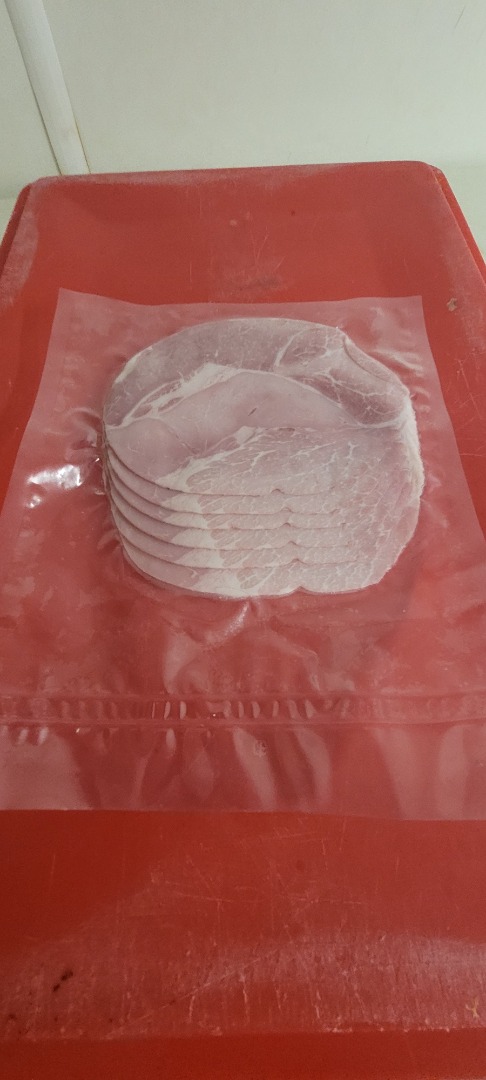
France – COOKED HAM – Listeria monocytogenes

Gov France

Product Category
Food
Product subcategory
Others
Product brand name
ROUCH CHARCUTERIE
Model names or references
Cooked ham cut, Sliced ​​cooked ham vacuum packed
Product identification
Batch Date
All lots Expiry date between 06/19/2024 and 08/17/2024
Packaging
sliced ​​by the slice or vacuum-packed in 6 slices or for distributors on request, vacuum-packed in 10 slices or vacuum-packed in slices by weight
Start/End of marketing date
From 05/30/2024 to 07/27/2024
Storage temperature
Product to be kept in the refrigerator
Health mark
FR 009 121 001 CE
Geographic area of ​​sale
Departments: ARIEGE (09)
Distributors
Ariège Pyrenees Terroirs and CHARCUTERIE ROUCH Store (Foix St Volusien, Foix Peysales, Pamiers) + Store Truck (Les Pujols, Tarascon, Mirepoix, Saverdun)

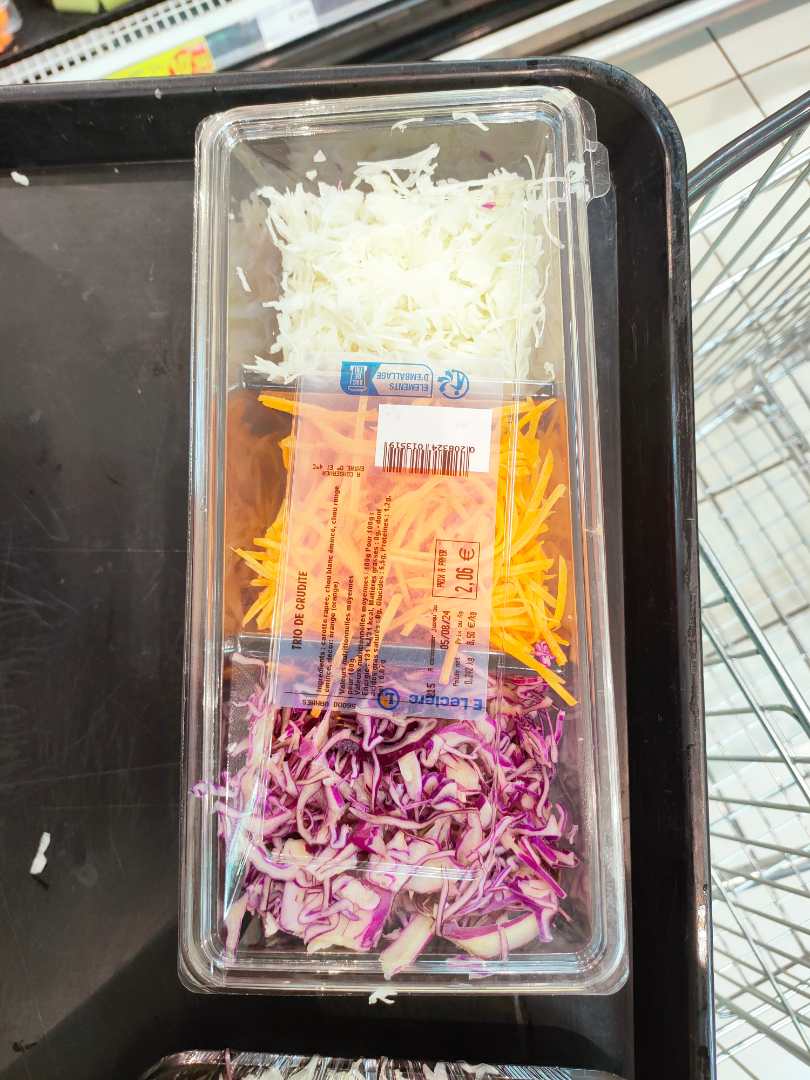
France – Trio of cabbages – Listeria monocytogenes

Gov France

Product Category
Food
Product subcategory
Prepared meals and snacks
Product brand name
SALAD MADE ON SITE IN THE E.LECLERC DELIVERY SECTION
Model names or references
Trio of fresh cabbages LS
Product identification
GTIN Date
0208324013519 Expiry date 07/30/2024
Products List
Reminder_Poster_-_Fresh_Sliced_Meat_-_01_08_2024_(Translated_Version).pdfAttachment
Packaging
In a tray under modified atmosphere.
Start/End of marketing date
From 07/26/2024 to 07/30/2024
Storage temperature
Product to be kept in the refrigerator
Further information
Salad sold in the self-service delicatessen section
Geographic area of ​​sale
Valves
Distributors
E.LECLERC VANNES STORE ONLY

France – Duo of cabbages – Listeria monocytogenes

Gov France

Product Category
Food
Product subcategory
Prepared meals and snacks
Product brand name
SALAD MADE ON SITE IN THE E.LECLERC DELIVERY SECTION
Model names or references
Duo of fresh cabbages LS
Product identification
GTIN Date
0208314014564 Expiry date 07/30/2024
Products List
Reminder_Poster_-_Fresh_Sliced_Meat_-_01_08_2024_(Translated_Version).pdfAttachment
Packaging
In a tray under modified atmosphere.
Start/End of marketing date
From 07/26/2024 to 07/30/2024
Storage temperature
Product to be kept in the refrigerator
Further information
Salad sold in the self-service delicatessen section
Geographic area of ​​sale
Valves
Distributors
E.LECLERC VANNES STORE ONLY