Monthly Archives: May 2021

France – Product recall: TEMPE brand superior chipolata – Salmonella

Oulah

Product recall: TEMPE brand superior chipolata

ENCOUNTERED PROBLEM

Presence of salmonella

PROPOSED SOLUTION

People who may have this product are asked not to consume it and to return it to the point of sale where it was purchased.

Foodborne illness caused by salmonella results in gastrointestinal disturbances, diarrhea, vomiting and abdominal pain, often accompanied by fever; these symptoms may be more severe in young children, immunocompromised individuals and the elderly. The incubation period can range from 6 to 72 hours.
People who have consumed the products mentioned below and who have these symptoms are invited to consult their doctor, notifying him of this consumption.

FURTHER INFORMATION

▸ Names of models or references
Chipolata


▸ Barcode
3301091901168


▸ Lot
125


▸ DLC – DDM
05/22/2021


▸ Packaging
packaged in a protective atmosphere


▸ Start date / End of marketing
From 05/10/2021 to 05/14/2021


▸ Health mark
FR 68-122-001 CE


▸ Consumer service contact
0805385749


▸ Source
MAURER TEMPE ALSACE

USA – Connecticut, Maryland, New York and Virginia report Listeria cases linked to El Abuelito brand Hispanic-style fresh and soft cheeses _ Listeria monocytogenes

Food Poison Journal

A total of 13 people infected with the outbreak strain of Listeria monocytogenes were reported from 4 states. Illnesses started on dates ranging from October 20, 2020, to March 17, 2021, with 12 illnesses occurring in 2021.

Sick people ranged in age from less than 1 to 75 years, with a median age of 52. Twelve people were Hispanic, and seven people were female. Twelve people were hospitalized, and one death was reported from Maryland. Four people got sick during their pregnancy, resulting in two pregnancy losses and one premature birth; the fourth person remained pregnant after recovering.

WHO – DRAFT WHO GLOBAL STRATEGY FOR FOOD SAFETY 2022-2030

WHO

Introduction

Why an updated global food safety strategy?

Safe food is a primary determinant of human health. It is a basic human right to have access to safe and healthy food. In seeking to guarantee this right, governments must ensure that available food meets safety standards.

This task is not easy as the world is now more interconnected, and food systems are changing faster than ever. Foods are produced, managed, delivered and even consumed in ways that could not have been anticipated two decades ago.

These factors call for a fresh global approach to improve food safety that aims to strengthen national food safety systems while improving international and national collaboration.

While recognizing that food safety is a shared responsibility among multiple stakeholders, countries must show leadership in adopting and implementing food safety policies which ensure that each stakeholder knows–and correctly plays –their part.

However, access to sufficient, safe, and wholesome food for all remains an elusive goal. Economic disparities within and across countries, including marked differences in the strength of national food safety systems and complex dynamics that operate within food systems, have significantly slowed progress towards achieving this goal.

Italy – Candia Milk High Digestibility 1% fat – Microbial Contamination

Salute

Brand : CANDIA

Name : Candia Milk High Digestibility 1% fat

Reason for reporting : Recall due to microbiological risk

Publication date : 14 May 2021

Documentation

Documentation

Canada – Food Safety Warning – Certain Enoki Mushrooms may be unsafe due to Listeria monocytogenes

CFIA

Advisory date: May 15, 2021
Reason for advisory: Microbiological – Listeria
Distribution: Possibly National, Quebec
Extent of the distribution: Retail

Advisory details

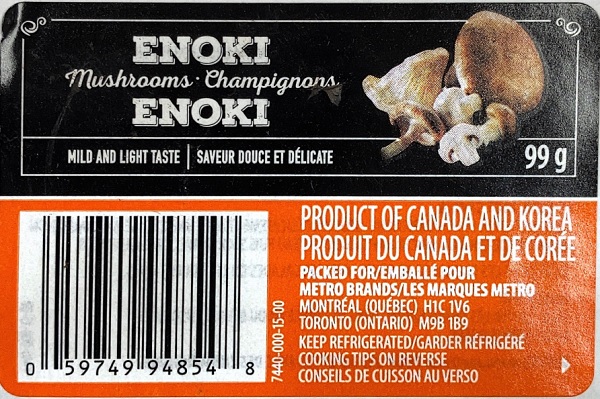
Ottawa, May 15, 2021 – The Canadian Food Inspection Agency (CFIA) is warning the public not to consume the Enoki Mushrooms described below due to Listeria monocytogenes.

Recalled product

Brand Product Size UPC Codes
None (Packed for Metro Brands) Enoki Mushrooms 99 g 0 59749 94854 8 All units sold up to and including May 14, 2021

What you should do

If you think you became sick from consuming a food product, call your doctor.

Check to see if you have the affected product in your home. If the product is in your home, do not consume it.

Food contaminated with Listeria monocytogenes may not look or smell spoiled but can still make you sick. Symptoms can include vomiting, nausea, persistent fever, muscle aches, severe headache and neck stiffness. Pregnant women, the elderly and people with weakened immune systems are particularly at risk. Although infected pregnant women may experience only mild, flu-like symptoms, the infection can lead to premature delivery, infection of the newborn or even stillbirth. In severe cases of illness, people may die.

Background

This warning was triggered by the CFIA’s inspection activities. The CFIA is conducting a food safety investigation, which may lead to the recall of this or other products. If products are recalled, the CFIA will notify the public through a Food Recall Warning.

Illnesses

There have been no reported illnesses associated with the consumption of this product.

Product photos

Printer ready version of photos

  • None (Packed for Metro Brands) – Enoki Mushrooms – 99 grams

Public enquiries and media

Public enquiries
Toll-free: 1-800-442-2342 (Canada and U.S.)
Telephone: 1-613-773-2342 (local or international)
Email: cfia.enquiries-demandederenseignements.acia@canada.ca
Media relations
Telephone: 613-773-6600
Email: cfia.media.acia@canada.ca

UK – Marks and Spencer recalls Stuffed Medjool Date Selection because of possible contamination with Hepatitis A

FSA

Marks and Spencer is taking the precautionary action of recalling M&S Stuffed Medjool Date Selection (350g) because they might be contaminated with Hepatitis A.

Product details

M&S Stuffed Medjool Date Selection
Pack size 350g
Best before 13 July 2021

Risk statement

This product might be contaminated with Hepatitis A. Symptoms caused by Hepatitis A usually include fever, nausea, abdominal cramps, diarrhoea, dark-coloured urine and jaundice (a yellowing of the skin).

Action taken by the company

Marks and Spencer is recalling the above product. Point of sale notices will be displayed in all retail stores that are selling this product. These notices explain to customers why the product is being recalled and tell them what to do if they have bought the product. Please see the attached notice.

Our advice to consumers

If you have bought this product do not eat it. Instead, return it to the store from where it was bought for a full refund. For more information, contact their customer care line on 03330 148555.

About product recalls and withdrawals

If there is a problem with a food product that means it should not be sold, then it might be ‘withdrawn’ (taken off the shelves) or ‘recalled’ (when customers are asked to return the product). The FSA issues Product Withdrawal Information Notices and Product Recall Information Notices to let consumers and local authorities know about problems associated with food. In some cases, a ‘Food Alert for Action’ is issued. This provides local authorities with details of specific action to be taken on behalf of consumers.

Ref: FSA-PRIN-29-2021

USA – Outbreak Investigation of Listeria monocytogenes – Hispanic-style Fresh and Soft Cheeses (February 2021)

FDA

The FDA, along with CDC and state and local partners, investigated a multistate outbreak of Listeria monocytogenes infections linked to queso fresco cheeses made by El Abuelito Cheese, Inc. On 5/14/2021, the CDC announced that this outbreak is over.

Recommendation

Recalled Queso Fresco, Quesillo (Oaxaca, string cheese), or Requeson (ricotta) cheeses are past shelf life and should no longer be available.

FDA recommends that anyone who received recalled products use extra vigilance in cleaning and sanitizing any surfaces and containers that may have come in contact with these products to reduce the risk of cross-contamination. Listeria can survive in refrigerated temperatures and can easily spread to other foods and surfaces.

People who are pregnant, are age 65 or over, or have a weakened immune system should not eat any soft cheeses unless they are made with pasteurized milk. Consumers at higher risk for Listeria illness should be aware that although pasteurization of milk kills Listeria, soft cheeses made from pasteurized milk can still become contaminated and have caused Listeria outbreaks, including this one.


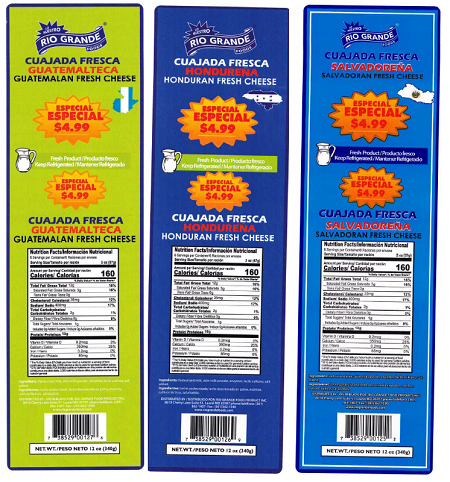
Product Images

Sample Product Label from the Outbreak Investigation of Listeria monocytogenes in Hispanic-style Fresh and Soft Cheeses (February 2021) - Rio Grande
Sample Product Label from the Outbreak Investigation of Listeria monocytogenes in Hispanic-style Fresh and Soft Cheeses (February 2021) - Rio Lindo
Sample Product Label from the Outbreak Investigation of Listeria monocytogenes in Hispanic-style Fresh and Soft Cheeses (February 2021) - El Abuelito
Sample Product Label from the Outbreak Investigation of Listeria monocytogenes in Hispanic-style Fresh and Soft Cheeses (February 2021) - Chirilagua, Yorito

Recall Information

On 2/19/2021, El Abuelito Cheese, Inc. announced their initial recall of products, and on 2/27/2021, they announced the expansion of their recall to cover additional products. The recall announcements include the full product list and descriptions.

Consumers, restaurants, and retailers should not eat, sell, or serve any recalled Queso Fresco, Quesillo (Oaxaca, string cheese), or Requeson (ricotta) cheeses.

The firm’s recall does not include any additional products with the El Abuelito Cheese, Inc. label because they are not manufactured or handled in the same facility; this includes El Abuelito Meat, Inc., panela cheese, cotija cheese, mole, crema centroamericana, and crema mexicana. Updates will be provided as they become available.

FDA has posted lists of retailers that may have received Hispanic-styles cheeses from the El Abuelito Cheese, Inc. facility in Paterson N.J.  It is possible that these lists may not include all retailers who have received these cheeses; however, these lists represents the best information currently available to the FDA.

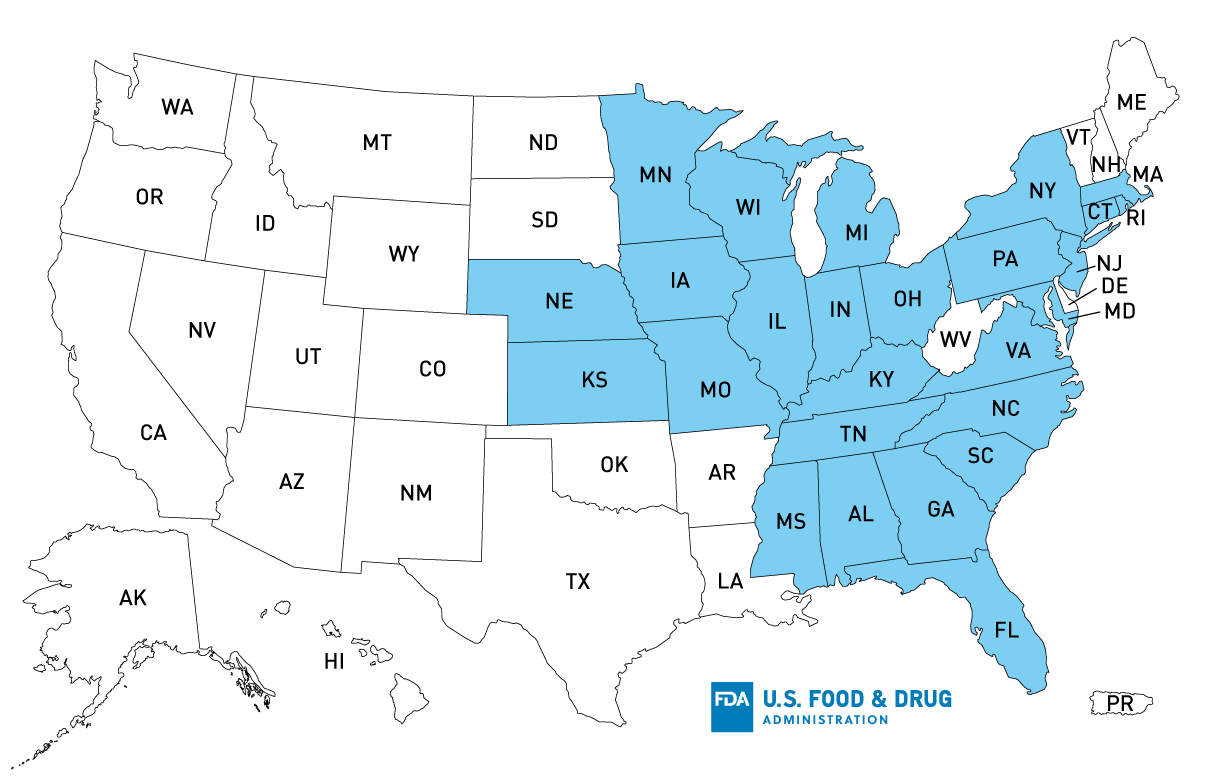
Map of U.S. Distribution of Recalled Queso Fresco, Quesillo, and Requeson Cheeses

Map of U.S. Distribution of Recalled Queso Fresco, Quesillo, and Requeson Cheeseso as of March 9, 2021

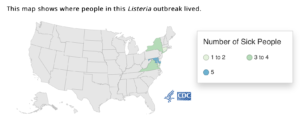
Case Count Map Provided by CDC

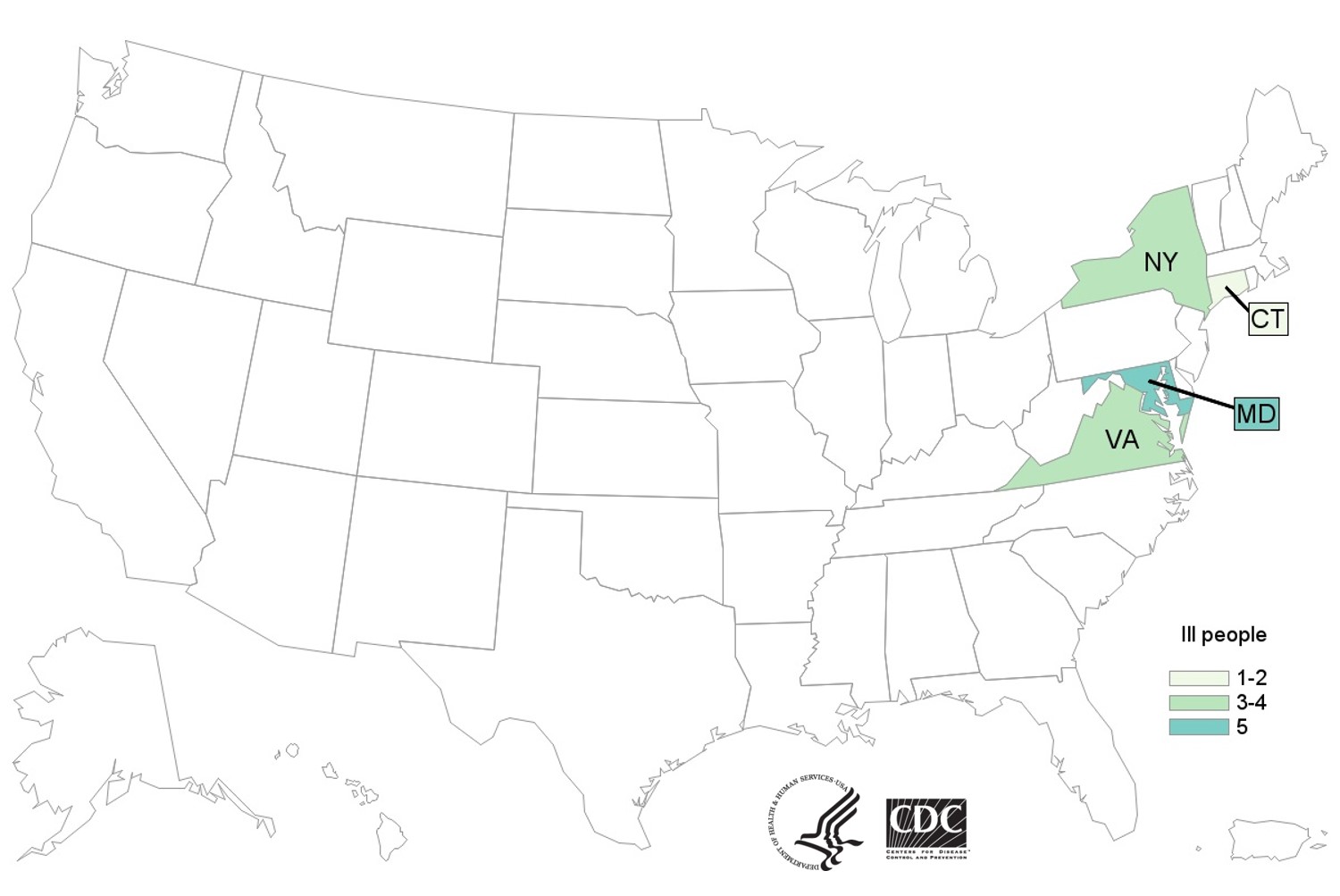
CDC Case Count Map for the Outbreak Investigation of Listeria monocytogenes in Hispanic-style Fresh and Soft Cheeses as of May 14, 2021

Case Counts

Total Illnesses: 13
Hospitalizations: 12
Deaths: 1
Last Illness Date: 3/17/2021
States with Cases: CT (1), MD (5), NY (4), and VA (3)
Product Distribution*: AL, CT, FL, GA, IA, IL, IN, KS, KY, MA, MD, MI, MN, MO, MS, NC, NJ, NY, NE, OH, PA, RI, SC, TN, VA, WI
*States with confirmed distribution; product could have been distributed further

Research -Listeria monocytogenes Cold Shock Proteins: Small Proteins with A Huge Impact

MDPI

Listeria monocytogenes has evolved an extensive array of mechanisms for coping with stress and adapting to changing environmental conditions, ensuring its virulence phenotype expression. For this reason, L. monocytogenes has been identified as a significant food safety and public health concern. Among these adaptation systems are cold shock proteins (Csps), which facilitate rapid response to stress exposure. L. monocytogenes has three highly conserved csp genes, namely, cspAcspB, and cspD. Using a series of csp deletion mutants, it has been shown that L. monocytogenes Csps are important for biofilm formation, motility, cold, osmotic, desiccation, and oxidative stress tolerance. Moreover, they are involved in overall virulence by impacting the expression of virulence-associated phenotypes, such as hemolysis and cell invasion. It is postulated that during stress exposure, Csps function to counteract harmful effects of stress, thereby preserving cell functions, such as DNA replication, transcription and translation, ensuring survival and growth of the cell. Interestingly, it seems that Csps might suppress tolerance to some stresses as their removal resulted in increased tolerance to stresses, such as desiccation for some strains. Differences in csp roles among strains from different genetic backgrounds are apparent for desiccation tolerance and biofilm production. Additionally, hierarchical trends for the different Csps and functional redundancies were observed on their influences on stress tolerance and virulence. Overall current data suggest that Csps have a wider role in bacteria physiology than previously assumed. View Full-Text

USA – TECHNICAL REPORT:FDA REPORT ON THE OCCURRENCE OF FOODBORNE ILLNESS RISK FACTORS IN RETAIL FOOD STORE DELI DEPARTMENTS2015-2016MAY 2021

FDA

This report includes the background, design, and results of data collection on the occurrence of foodborne illness risk factors in the United States in retail food store deli departments (hereafter referred to as delis) during 2015-2016. It is a baseline report representing the first data collection period of the FDA’s current 10-year study on trends in the occurrence of foodborne illness risk factors and food safety behaviors/practices in food service facilities. Data from the 2015-2016 collection will be used as a baseline to assess trends in the occurrence of risk factors in future data collections. Of the foodborne illness risk factors investigated in this study, inadequate cooking was best controlled. The two most commonly occurring out-of-compliance risk factors were improper holding time/temperature and poor personal hygiene. Food Safety Management Systems (FSMS) were the strongest predictor of the compliance status of data items. Establishments with well-developed FSMS had significantly fewer out-of-compliance food safety behaviors/practices than did those with “less developed” food safety management systems. Neither the presence of a Certified Food Protection Manager (CFPM) nor the multiple-unit status of establishments were significant predictors of having out-of-compliance data items when all factors studied were taken into account. These findings suggest that well-developed and documented FSMS are a useful tool in reducing the occurrence of foodborne illness risk factors.

Research -Epidemiological investigation of recurrent outbreaks of haemolytic uraemic syndrome caused by Shiga toxin-producing Escherichia coli serotype O55:H7 in England, 2014–2018

Cambridge Org

Recurrent outbreaks of haemolytic uraemic syndrome (HUS) caused by Shiga toxin-producing Escherichia coli (STEC) serotype O55:H7 occurred in England between 2014 and 2018. We reviewed the epidemiological evidence to identify potential source(s) and transmission routes of the pathogen, and to assess the on-going risk to public health. Over the 5-year period, there were 43 confirmed and three probable cases of STEC O55:H7. The median age of cases was 4 years old (range 6 months to 69 years old) and over half of all cases were female (28/46, 61%). There were 36/46 (78.3%) symptomatic cases, and over half of all cases developed HUS (25/46, 54%), including two fatal cases. No common food or environmental exposures were identified, although the majority of cases lived in rural or semi-rural environments and reported contact with both wild and domestic animals. This investigation informed policy on the clinical and public health management of HUS caused by STEC other than serotype O157:H7 (non-O157 STEC) in England, including comprehensive testing of all household contacts and household pets and more widespread use of polymerase chain reaction assays for the rapid diagnosis of STEC-HUS.