Monthly Archives: May 2012

More Pet Food Recalls – USA – Salmonella

FDA

Diamond Pet Foods is expanding a voluntary recall to include its Diamond Naturals Small Breed Adult Dog Lamb & Rice Formula dry dog food manufactured on Aug. 26, 2011 due to potential exposure to Salmonella. No illnesses have been reported. The product was distributed in the following states:  Colorado, Illinois, Kentucky, Louisiana, Michigan, Minnesota, Missouri, Oklahoma, Pennsylvania, South Dakota, Tennessee, Texas and Wisconsin. Further distribution through other pet food channels may have occurred. 

Pet owners may call toll-free at 1-866-918-8756, Monday through Sunday, 8 am – 6 pm EST. Diamond Pet Foods apologizes for any issues this may have caused pet owners and their pets.
       
The product is Diamond Naturals Small Breed Adult Dog Lamb & Rice Formula. Only samples, 6 pound and 18 pound bag sizes are affected

Pets with Salmonella infections may have decreased appetite, fever and abdominal pain. If left untreated, pets may be lethargic and have diarrhea, fever and vomiting. Infected but otherwise healthy pets can be carriers and infect other animals or humans. If your pet has consumed the recalled product and has these symptoms, please contact your veterinarian.

Individuals handling dry pet food can become infected with Salmonella, especially if they have not thoroughly washed their hands after having contact with surfaces exposed to this product. People who believe they may have been exposed to Salmonella should monitor themselves for some or all of the following symptoms: nausea, vomiting, diarrhea, abdominal cramping and fever. According to the U.S. Centers for Disease Control, people who are more likely to be affected by Salmonella include infants, children younger than 5 years old, organ transplant patients, people with HIV/AIDS and people receiving treatment for cancer

US Ground Beef Recall – E.coli Risk

Food Safety News 

Lancaster Frozen Foods and G&W Incorporated are recalling about 6,908 pounds of ground beef products that may be contaminated with E. coli, according to the South Carolina meat and poultry inspection department.
 
Lab testing by the meat and poultry inspection department confirmed a positive result for E.coli in a ground product at Lancaster Frozen Foods. That lot was held by the company, but additional ungroud product from the same lot had been used in other production lots resulting in the recall.
 
No illnesses have been reported.

USDA Food Microbiology Guidelines for Laboratories

USDA 

The Guidebook contains current protocols for analytical tests required by FSIS regulatory activities on meat, poultry and egg products.1 Specifically, microbiological methods are presented for sample preparation, isolation and identification of the major foodborne pathogenic microorganisms and their toxins, meat tissue species identification, and the detection of extraneous materials and antimicrobial residues. Media and reagent formulations, and Most Probable Number Tables are contained in an appendix.

Bagged Salads Recall Expanded – US and Canada – Listeria monocytogenes

Food Safety News

The California Department of Public Health warned California residents not to eat certain bagged salads manufactured by River Ranch Fresh Foods, LLC due to potential contamination with Listeria monocytogenes on Friday. 

According to a news release from CDPH, Salinas, California-based River Ranch Fresh Foods initiated a voluntary recall of bagged salads after routine sampling detected Listeria monocytogenes in two packages of shredded iceberg lettuce purchased from retail locations in California and Colorado. The recalled salad products were distributed nationwide to retail and foodservice outlets under various sizes and packaged under the brand names of River Ranch, Farm Stand, Hy-Vee, Marketside, Shurfresh, The Farmer’s Market, Cross Valley, Fresh n Easy, Promark, and Sysco.  

Although the bagged salads being recalled are no longer available for sale, CDPH issued a news release to warn consumers that they may have the recalled products in their homes.  The agency published a list of all recalled products to aid consumers in identifying recalled products.

CIFA – Recall

The public warning issued on May 19, 2012has been expanded to include new products and Best Before date codes.

The Canadian Food Inspection Agency (CFIA) is warning the public as well as various importers, distributors, retailers and food service establishments such as hotels, restaurants, cafeteria, hospitals and nursing homes not to serve or consume various salads described below because these products may be contaminated with Listeria monocytogenes.

This is a part of the larger recall of retail and foodservice salads initiated by River Ranch Fresh Foods, LLC, California, USA with distribution in Canada.
Anyone who finds recalled lettuce should discard it or return it to the point of purchase for a refund. 

There have been no reported illnesses associated with the consumption of these products.

RASFF Reports –

RASFF – Mould in German Hazlenuts

RASFF – Enterobacteria in German dried bovine meat

RASFF – Salmonella Montivideo in Netherlands lamb meal.

RASFF – Histamine in frozen Indonesian tuna,

Canadian Recalls – Listeria- Salads and Onions

CIFA

The Canadian Food Inspection Agency (CFIA) and Sobeys Inc. are warning the public not to consume Compliments brand salads and prepared foods described below because they may be contaminated with Listeria monocytogenes.

CIFA

The Canadian Food Inspection Agency (CFIA) is warning the public not to consume the Gills Onions brand Fresh Diced Red Onions described below because the product may be contaminated with Listeria monocytogenes.

The affected product, Gills Onions brand Fresh Diced Red Onions, Product of U.S.A., is sold in 198 g packages, bearing UPC 6 43550 00045 0, Best Before date 05/17/12, and lot code 51RDA1A2119. This product is known to be distributed in Ontario and may have been distributed nationally.

There have been no reported illnesses associated with the consumption of this product.

US – Bagged Salads Recall – Listeria monocytognes

FDA

River Ranch Fresh Foods, LLC of Salinas, CA is initiating a voluntary recall of retail and foodservice bagged salads, because they have the potential of being contaminated with Listeria monocytogenes following routine random retail salad finished product tests conducted in the marketplace by the Food & Drug Administration.

Listeria monocytogenes is an organism which can cause serious and sometimes fatal infections in young children, frail or elderly people, and others with weakened immune systems. Although healthy individuals may suffer only short-term symptoms such as high fever, severe headache, stiffness, nausea, abdominal pain and diarrhea, Listeria infection can cause miscarriages and stillbirths among pregnant women.

Retail salad products under this recall were distributed nationwide under various sizes and packaged under the brand names of River Ranch, Farm Stand, Hy-Vee, Marketside, Shurfresh, and The Farmer’s Market.

There have been NO reported illnesses associated with this recall.

US Papaya Recall – Salmonella

FDA

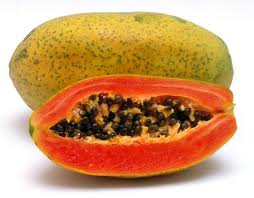
Caribe Produce LTD Co. of McAllen, TX, is recalling 286 cases of Papaya Maradol, Caribeña Brand papayas packed in 35 lb. cartons marked with the brand “ Caribeña “ and “ Product of Mexico” stamped on the side.

These papayas have the potential to be contaminated with Salmonella, an organism which can cause serious and sometimes fatal infections in young children, frail or elderly people, and others with weakened immune systems. Healthy persons infected with Salmonella often experience fever, diarrhea (which may be bloody), nausea, vomiting and abdominal pain. In rare circumstances, infection with Salmonella can result in the organism getting into the bloodstream and producing more severe illnesses such as arterial infections (i.e., infected aneurysms), endocarditis and arthritis.

The recalled Papaya Maradol, Caribeña Brand cases were distributed in the Bronx, New York in wholesale stores and through retail stores from May 14th, 2012 to May 17th, 2012.

No illnesses have been reported to date in connection with this problem.

The potential for contamination was noted after routine testing by the company revealed the presence of Salmonella in the product.

FSA – Move Away from Animal Testing for PSP

FSA

The Food Standards Agency’s shellfish monitoring programme has successfully completed a move away from tests using mice for the detection of paralytic shellfish poisoning (PSP) and lipophilic toxins in commercially harvested shellfish.

The phasing out of animal testing in the shellfish monitoring programme has been a long-term goal of the FSA. Without an approved alternative method available, tests on mice had previously been the most suitable way of detecting toxins in shellfish. However, the FSA and Cefas (Centre for Environment, Fisheries, and Aquaculture Science) have spent a number of years developing alternative testing methods that do not rely on mice.

Andrew Wadge, Chief Scientist at the Food Standards Agency, said: ‘This is a significant milestone in meeting the UK’s commitment to reduce the burden of animal testing and has been achieved after years of FSA-funded research.

‘PSP and lipophilic toxins can cause severe illness if people consume them, so it is important that our shellfish monitoring programme is as effective as possible at detecting them. In order to meet our commitment, we have had to ensure suitable alternative methods are introduced in all our statutory biotoxin testing.

Research Netherlands – Norovirus Implications-Food

Cambridge Journals

Noroviruses are an important cause of acute gastroenteritis in humans. We incorporated new insights gained over the past decade in an updated estimate of the disease burden of (foodborne) norovirus illness in The Netherlands in 2009. The disease outcomes – non-consulting cases, visiting a general practitioner, hospitalization and mortality – and the foodborne proportion were derived from cohort studies, surveillance data and literature. Age-specific incidence estimates were applied to the population age distribution in The Netherlands in 2009. The general population incidence was 3800/100 000 (95% CI 2670–5460), including 0·4 fatal cases/100 000, resulting in 1622/100 000 (95% CI 966–2650) disability-adjusted life-years in a population of 16·5 million. The updated burden of norovirus is over twofold higher than previously estimated, due in particular to the new insights in case-fatality ratios. Results suggest that the burden of norovirus institutional outbreaks is relatively small compared to the burden of community-acquired norovirus infections.