Tag Archives: salmonella

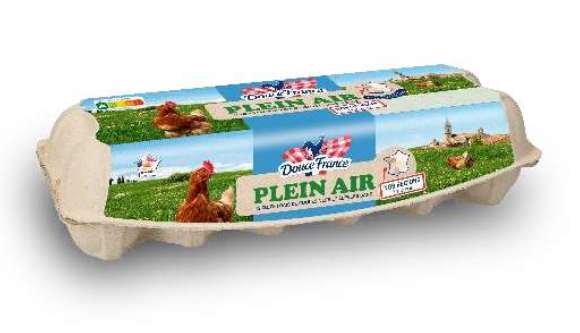
Luxembourg – Free-range eggs (x6; x12) from the Douce France brand – Salmonella

SAP

The following products are being recalled in Luxembourg:
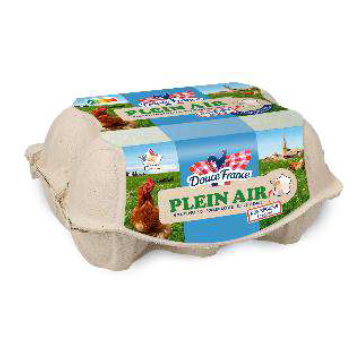
Name FREE RANGE EGGS X6
Brand SWEET FRANCE
Unit x6
Barcode 3760150111168
Minimum durability date (MDD) 10/24/2024
Batch 132427201
Name OUTDOOR EGG X12
Brand SWEET FRANCE
Unit x12
Barcode 3760150111069
Minimum durability date (MDD) 10/24/2024
Batch 132427201

Danger  : Presence of Salmonella Typhimurium

Salmonella can cause symptoms such as nausea, vomiting, abdominal cramps, diarrhea, fever, and headache within 6 to 72 hours after consumption. These symptoms may be worse in young children, immunocompromised individuals, and the elderly. People who have consumed these products and are experiencing these symptoms are advised to consult a doctor and report their consumption.

The product can be distributed by different points of sale in Luxembourg.

Information Source: Recall Notification

Catalonia – Possible presence of salmonella in pasteurized liquid whole egg

ACSA

whole liquid alert egg

The possible presence of salmonella in liquid pasteurized whole eggs of the OVOPACK brand from Spain with an expiry date of 10/28/2024 is reported.

The data of the product involved are:

  • Product name:  Huevo entero líquido pasteurized
  • Brand:  OVOPACK
  • Product appearance: Bric
  • Lot number:  L11142
  • Expiry date: 28/10/2024
  • Unit weight:  1 Kg
  • Temperature:  Refrigerated

According to the information available, the products have been distributed in the autonomous communities of  Catalonia , Andalusia and Extremadura, although it cannot be ruled out that there may be redistribution to other autonomous communities.

In relation to the information received by the health authorities of Andalusia , the Spanish Food Safety and Nutrition Agency has communicated this information to the competent authorities of the autonomous communities, through the  European Food Alert Network .

The withdrawal of the affected product from the marketing channels is being monitored by the competent authorities.

As a precautionary measure,  people who may have the above-mentioned product in their homes are advised to refrain from consuming it.

If you have consumed any of the products from the affected batch and have symptoms compatible with salmonella, it is recommended to go to a health center. 

Research – Evaluating Chlorine Sanitization at Practical Concentrations for Controlling Listeria monocytogenes and Salmonella on Fresh Peaches

MDPI

Abstract

Recent foodborne outbreaks and recalls involving Listeria monocytogenes and Salmonella-contaminated peaches have caused significant economic losses to the peach industry. This study evaluated the effectiveness of chlorine, a commonly used sanitizer in the fresh produce industry, against L. monocytogenes and Salmonella and its ability to control cross-contamination in fresh peaches. Peaches inoculated with L. monocytogenes or Salmonella (~6 log10 CFU/peach) were treated with 50–150 mg/L of free chlorine (FC, pH6.8) 24 h post-inoculation. The results revealed that chlorine had similar efficacy against L. monocytogenes and Salmonella on peaches (p > 0.05). A 30 s treatment at 50, 100, and 150 mg/L FC resulted in dose-dependent reductions (p < 0.05), achieving reductions of 0.88–0.92, 1.54–1.61, and 1.73–1.79 log10 CFU/peach, respectively. Extending the contact time to 2 min slightly but significantly enhanced the chlorine efficacy (p < 0.05). Additionally, a 30 s to 2 min exposure to chlorine with 50–150 mg/L FC resulted in a 1.05–1.43 log10 CFU/peach reduction in yeasts and molds. Tap water exposure led to substantial cross-contamination between inoculated and uninoculated fruits and processed water, with Salmonella exhibiting higher transfer rates than L. monocytogenes. The application of chlorine mitigated the cross-contamination of both pathogens but did not entirely prevent it. These findings offer valuable insights for the peach and other stone fruit industries to verify process controls.

UK – Spoldzielnia Mlecharska ‘Mlekpol’ recalls Mlekpol Zloty Mazur Cheese in Slices because of the presence of Salmonella

FSA

Spoldzielnia Mlecharska ‘Mlekpol’ is recalling Mlekpol Zloty Mazur Cheese in Slices because Salmonella has been found in the product.

Product details

Mlekpol Zloty Mazur Cheese in Slices
Pack size 150g
Batch code 30.08/P6
Use by 28 November 2024

Risk statement

Salmonella has been found in the above product.

Symptoms caused by salmonella usually include fever, diarrhoea and abdominal cramps.

Action taken by the company

Spoldzielnia Mlecharska ‘Mlekpol’ is recalling the above product. Point of sale notices will be displayed in stores where the product was sold. These notices explain to customers why the product is being recalled and tell them what to do if they have bought the product.

Our advice to consumers

If you have bought the above product do not eat it. Instead return it to the store from where it was bought for a full refund.

RASFF Alerts – Foodborne Outbreak – Salmonella – Norway

European Food Alerts

RASFF

foodborne outbreak caused by and Salmonella enterica ser. Enteritidis (presence /25g) in chilled bovine carcases from Germany in Norway

USA – Outbreak Investigation of Salmonella Newport: Red Onions (July 2020)

FDA

Investigation Update

August 18, 2020

The FDA investigation at Thomson International, Inc. ongoing. As part of the root cause investigation at Thomson International, Inc., FDA is collecting and analyzing product, water, and environmental samples.

Following the recall from Thomson International, Inc., additional products containing recalled onions have been identified and recalled. Available recall information is included below and will be updated as more products are identified and recalled.


Recall Information

Recalled Onions

On August 1, 2020, Thomson International, Inc. recalled all varieties of onions that could have come in contact with potentially contaminated red onions, due to the risk of cross-contamination. Recalled products include red, yellow, white, and sweet yellow onions shipped from May 1, 2020 to August 1, 2020. Onions were distributed to wholesalers, restaurants, and retail stores in all 50 states, the District of Columbia and Canada.

Recalls have also been initiated by companies that sold onions or products containing recalled onions.

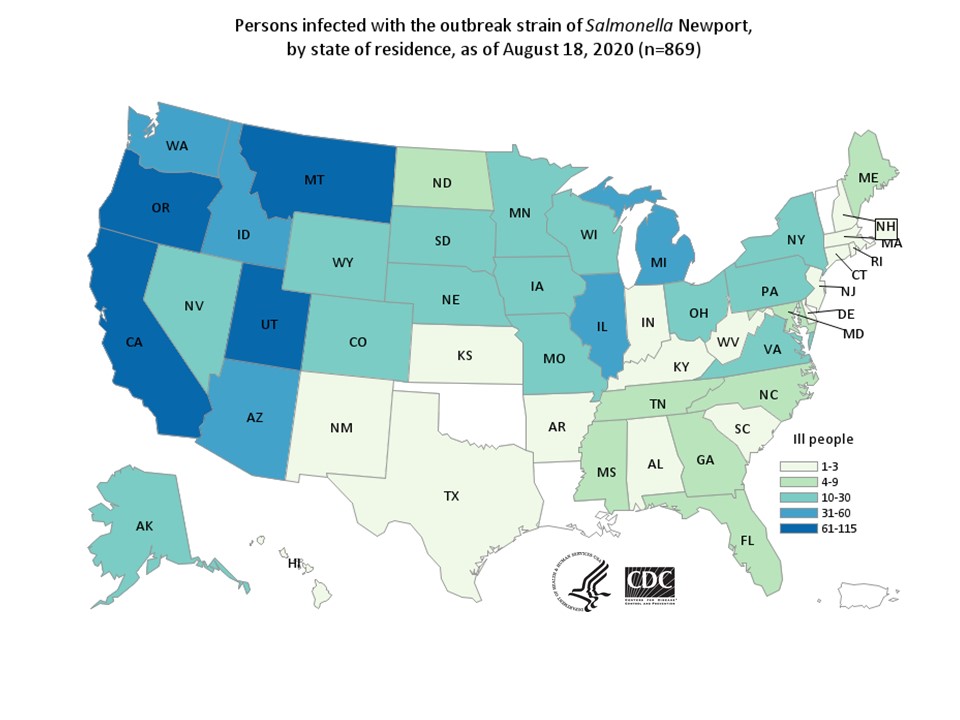
Case Count Map Provided by CDC

Outbreak Investigation of Salmonella Newport: Red Onions - August 18, 2020 Case Count Map Provided by CDC

Case Counts

Total Illnesses: 869
Hospitalizations: 116
Deaths: 0
Illness Onset Date Range: August 4, 2020
States with Cases: AK (15), AL (1), AZ (35), AR (2), CA (115), CO (25), CT (2), DE (2), FL (5), GA (6), HI (3), ID (34), IL (49), IN (3), IA (23), KS (2), KY (1), ME (5), MD (7), MA (2), MI (44), MN (18), MS (4), MO (10), MT (63), NE (10), NV (11), NH (1), NJ (2), NM (1), NY (10), NC (5), ND (9), OH (11), OR (94), PA (15), RI (2), SC (1), SD (20), TN (5), TX(2), UT (105), VA (10), WA (50), WV (2), WI (10), WY (17)

USA – FDA – Recall – Pine Nuts – Salmonella

FDA FDA

Superior Nut & Candy Co., Inc. is recalling 4 ounce packages Pine Nuts because it has the potential to be contaminated with Salmonella, an organism which can cause serious and sometimes fatal infections in young children, frail and elderly people, and other with weakened immune systems. Healthy persons infected with Salmonella often experience fever, diarrhea (which may be bloody), nausea, vomiting and abdominal pain. In rare circumstances, infection with Salmonella can result in the organism getting into the bloodstream and producing more severe illnesses such as arterial infections (i.e., infected aneurysms), endocarditis and arthritis.

The recalled Pine Nuts were distributed nationwide in retail stores.

The product come in a 4-ounce packages of Pine Nuts are sold in store Produce Departments with a clear package front and tan-colored label on the back. The back label list Pine Nuts as the only ingredient and has the UPC Number of 72549320016 with a Best By date between 10/22/2015 to 12/27/2015 on the back label.

No illnesses have been reported to date in connection with the problem.

Denmark – Cheese with Salmonella Recall

DRDK News Salm2

There is reason to look for on the label, if during March is smoked cheese into the shopping cart.

Der er således fundet salmonella i et parti oste fra producenten Wernersson Ost Danmark i Tølløse, oplyser virksomheden i en pressemeddelelse. There is thus found salmonella in a batch of cheeses from the manufacturer Wernersson Cheese Denmark in Stellenbosch, the company said in a statement.

Det drejer sig om mærket “Roquefort Papillon Noir” med holdbarhedsdato 5. juni 2015. These are labeled “Roquefort Papillon Noir” with the durability date of 5 juni 2015.


Research – FDA Advice on Eggs

FDA EGGS

What You Need to Know

Fresh eggs must be handled carefully to avoid the possibility of foodborne illness, often called “food poisoning.” Even eggs with clean, uncracked shells may occasionally contain bacteria called Salmonella that can cause an intestinal infection.

The U.S. Food and Drug Administration (FDA) estimates that 142,000 illnesses each year are caused by consuming eggs contaminated with Salmonella. FDA has put regulations in place to help prevent contamination of eggs on the farm and during shipping and storage. But consumers play a key role in preventing illness associated with eggs. In fact, the most effective way to prevent egg-related illness is by knowing how to buy, store, handle and cook eggs — or foods that contain them — safely. Follow these safe handling tips to help protect yourself and your family

USA – Texas Star Nut and Food Co. Inc. Natural Macadamia Nuts Are Being Voluntarily Recalled Due To Possible Salmonella Contamination

Food Safety News Today Salmonellaa

Texas Star Nut and Food Co., Inc. of Boerne, Texas is voluntarily recalling Nature’s Eats Natural Macadamia Nuts, Lot Code #31435001, because it has the potential to be contaminated with Salmonella, an organism which can cause serious and sometimes fatal infections in young children, frail or elderly people, and others with weakened immune systems. Healthy persons infected with Salmonella often experience fever, diarrhea (which may be bloody), nausea, vomiting and abdominal pain. In rare circumstances, infection with Salmonella can result in the organism getting into the bloodstream and producing more severe illnesses such as arterial infections (i.e., infected aneurysms), endocarditis and arthritis.

Nature’s Eats Natural Macadamia Nuts, Lot Code #31435001 was distributed only to HEB stores, in Texas. The product was sold between 12/30/2014 and 3/20/2015.

Product: Nature’s Eats Natural Macadamia Nuts 6 oz. is Lot Code # 31435001 packed in cello bags.

Specific Code Date on Packages: Best Before 12/23/2015 located on the bottom of the nutritional label on the back of the bag. The only potential affected lot code is #31435001.

The recall was initiated as a result of a report received by the U.S. Food and Drug Administration which detected Salmonella in a random sampling of our Nature’s Eats Natural Macadamia Nut product. The recall was as the result of a routine sampling program by the FDA which revealed that the finished products contained the bacteria.

No illnesses have been reported in relation to this product at this time.