Tag Archives: environment

USA – FDA Tips to Feed Pets Without Contracting Salmonella

FDAFDA

The Food and Drug Administration is giving consumers, especially reptile owners, tips on how to prevent Salmonella infection from handling feeder rodents and reptiles. Feeder rodents are mice and rats—both frozen and live—used to feed some reptiles, such as certain snakes and lizards, as well as some amphibians. Feeder rodents, reptiles, and amphibians can be sources of Salmonella infection for people.

Salmonellosis is an infection with bacteria called Salmonella. People get salmonellosis by ingesting Salmonella germs. Persons infected with Salmonella develop diarrhea, fever, and abdominal cramps 12-72 hours after infection. The illness usually lasts 4-7 days, and most persons recover without treatment. However, the illness can be serious, even fatal, in some people. Children under 5 years of age, the elderly, and people with weakened immune systems are at higher risk for salmonellosis and may develop more severe illness.

Rodents and reptiles can naturally carry Salmonella in their intestines but show no signs of illness. The animals shed the bacteria in their feces and droppings. These, in turn, contaminate the environment with Salmonella, including the outside of the animals’ bodies and their habitats. Freezing does not kill Salmonella, so both frozen and live feeder rodents can be contaminated with these germs. Over 500 human cases of salmonellosis in three countries, including the U.S., were linked to frozen rodent exposure between 2008 and 2010.

People may become infected with Salmonella after handling feeder rodents, reptiles, or amphibians, surfaces that have been in contact with these animals, or the environment in which the animal lives.

Contaminated surfaces may include countertops, microwave ovens, refrigerators and freezers, kitchen utensils, and glasses and bowls used to store, thaw, and prepare frozen feeder rodents. Reptile and rodent habitats, including their cages or enclosures, bedding, basking rocks, food and water dishes, and other objects in their cages or enclosures may also be contaminated with Salmonella. Germs picked up from touching the animal or habitat can be spread to other people or surfaces. Therefore, people should wash their hands thoroughly with soap and water right after touching these animals, their food, or anything in the area where they live and roam. Running water and soap are best, but hand sanitizers may be used if running water and soap are not available.
UK – FSA – HPA – Cryptosporidum 2012 Outbreak

FSA763px-Cryptosporidium_parvum_01

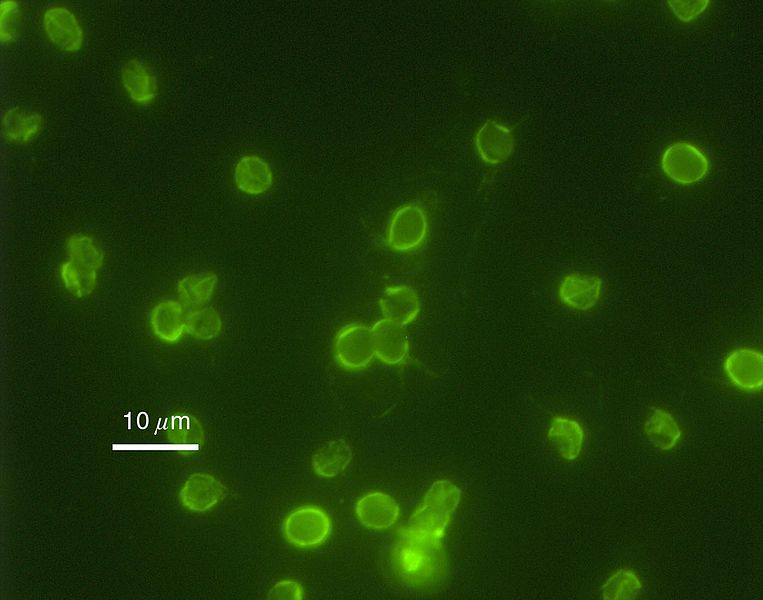
The Health Protection Agency (HPA) today published findings of an investigation into an outbreak of Cryptosporidium infection that affected around 300 people in England and Scotland in May 2012.

The Food Standards Agency was part of the outbreak control team, led by the HPA, and gathered information on the production and distribution of salad vegetables to help identify the likely source of the outbreak.

The full HPA statement can be read via this HPA link

USA – Petfood Recall – Salmonella

Food Poisoning Bulletin

Natura Pet is recalling several brands of pet food for possible contamination with Salmonella, the company announced today. The recall includes both dog and cat food sold under the brand names Innova, EVO, Healthwise and California Natural. To see a complete list of the recalled products, click here.

The company posted the recall on its webpage, saying “it pains us to inform you of the first recall in our company’s 21-year history.”  During recent testing by the Food and Drug Administration (FDA),  Salmonella was discovered in one of the products. The company believes that the problem is not widespread and at this time, no human or pet illnesses had been reported in conjunction with the recalled products.

Canada – CFIA Recalls – Walnuts – Salmonella – Clams – Clostridium botulinum

CFIA

The Canadian Food Inspection Agency (CFIA) is warning the public not to consume the walnuts described below because they may be contaminated with Salmonella.

The affected walnuts were sold in bulk from Produce Depot, 2446 Bank St., Ottawa ON between February 26 and March 15, 2013, inclusive.

There have been no reported illnesses associated with the consumption of this product.

CFIA

The Canadian Food Inspection Agency (CFIA) and St. Thomas Fish Market are warning the public not to consume the Bar Clams described below because they may be contaminated with Clostridium botulinum.  Toxins produced by these bacteria may cause botulism, a life-threatening illness.

There have been no reported illnesses associated with the consumption of this product.

The manufacturer, St. Thomas Fish Market Inc., Saint-Thomas-De-Kent, New Brunswick, is voluntarily recalling the affected product from the marketplace.

The CFIA is monitoring the effectiveness of the recall.


Research – Poultry Control of Salmonella

Wiley OnlineSalm

Salmonella Enteritidis is one of the most prevalent foodborne pathogen, its main reservoir being considered the shell egg. As the concerns related to the increasing human salmonellosis cases grow, the need for an application of preventive methods either at the farm level or during the processing steps is crucial for a better control of the foodborne outbreaks due to the consumption of this specific food product. This review focuses on the application of preventive methods at the farm level, on preharvest step, in order to reduce the risk of shell eggs contamination with Salmonella, especially S. Enteritidis, through a better control of the laying hens’ infection with this pathogen. As postharvest methods, a 1st approach is the egg storage conditions and the prevention of Salmonella spp. growth and multiplication. In addition, shell eggs may be subjected to eggshell decontamination, to reduce the risk of foodborne outbreaks. Several of these latter mentioned methods are already authorized to be put in place in different countries, as it is the case in the United States of America and Canada. Their efficacy has been proven and their use is regarded by some as mandatory for ensuring shell eggs safety for the consumers.

New Zealand – Fresh Fish Recall – Histamine Poisoning

New Zealand Herald

Foodstuffs has recalled a batch of its fresh trevally fillets after they are suspected to have given two people histamine poisoning.

According to the Ministry for Primary Industries website, histamine, or scombroid, poisoning is due to a buildup of toxins that occurs when certain types of fish, including kahawai, mackerel, tuna, bonito and butterfly kingfish, have not been chilled adequately.

Symptoms can include tingling and burning around the mouth, facial flushing, diarrhoea, skin rash, nausea, abdominal cramps and vomiting, and can last for 12 hours.

Foodstuffs has initiated a voluntary recall of their in-store processed trevally fish fillets sold before March 6 and with a best before date up to March 7.

A spokeswoman said two people had potentially contracted histamine poisoning as a result.

Affected products were sold in New World, Pak’nSave and Four Square stores throughout the Upper North Island.

UK -HPA -Burger Vans – Ecoli Contamination

ITV News

HPA Report

Research from the Health Protection Agency (HPA) has revealed that food, water, chopping boards, cleaning cloths and security wristbands sampled from mobile and outdoor food vendors were contaminated with a range of bacteria including E.coli.

The bacteria, which originates from human or animal faeces is usually an indicator of either poor hygiene, undercooking or cross-contamination in the kitchen.

The events where samples were taken included 50 concerts or music festivals, 20 sports events, 39 carnivals, fetes and fairs and 44 ‘other’ events.

8% of food samples were of an unsatisfactory quality with a further 1% containing potentially hazardous levels of bacteria.

Water samples tested revealed that 27% contained unacceptable levels of coliform bacteria which can be found in the environment in soil, water and on plants and may also be a sign of faecal contamination.

E.coli and/or enterococci bacteria (of faecal origin) were found in 8%.

Research – Pesticide Application as Potential Source of Noroviruses

HACCP EuropaNorwalk_Caspid

Human norovirus (hNoV), also known as the winter vomiting bug, is one of the most common stomach bugs in the world. The virus is highly contagious, causing vomiting and diarrhea, and the number of affected cases is growing. Currently there is no cure; sufferers have to let the virus run its course for a few days.

The consumption of fresh produce is frequently associated with outbreaks of hNoV but it remains difficult to identify where in the supply chain the virus first enters production.

A new study, published in the International Journal of Food Microbiology investigated whether contaminated water used to dilute pesticides could be a source of hNoV. Farmers use various water sources in the production of fresh fruits and vegetables, including well water and different types of surface water such as river water or lake water — sources which have been found to harbour hNoV.

Research – USA v UK Eggs

ForbesEGGS

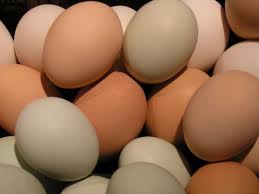
Believe it or not, United States Department of Agriculture (USDA) graded eggs would be illegal if sold in the UK, or indeed anywhere in the European Union (EU). It’s all to do with the fact that commercial American eggs are federally required to be washed and sanitized before they reach the consumer. EU egg marketing laws, on the other hand, state that Class A eggs – those found on supermarkets shelves, must not be washed, or cleaned in any way.

“In Europe, the understanding is that this mandate actually encourages good husbandry on farms. It’s in the farmers’ best interests then to produce to cleanest eggs possible, as no one is going to buy their eggs if they’re dirty, ” explained Mark Williams, Chief Executive, British Egg Industry Council in a phone interview.

Research – Various Studies on Product Microbial Decontamination – Salmonella – E.coli O157 – Clostridium

Wiley Online – Essential Oils Inactivation of Salmonella on Cherry Tomato’s

Wiley Online – The Efficacy of Satureja khuzistanica Essential Oil Treatment in Reducing Escherichia coli O157:H7 Load on Alfalfa Seeds Prior to Sprouting

Ingenta Connect – Commercial Thermal Process for Inactivating Salmonella Poona on Surfaces of Whole Fresh Cantaloupes

Ingenta Connect – Dynamic Effects of Free Chlorine Concentration, Organic Load, and Exposure Time on the Inactivation of Salmonella, Escherichia coli O157:H7, and Non-O157 Shiga Toxin-Producing E. coli

Ingenta Connect – Effect of Packaging Systems and Pressure Fluids on Inactivation of Clostridium botulinum Spores by Combined High Pressure and Thermal Processing