Brand : SMAPP
Name : CAMPAGNOLO SALAMI LE SELECTIONS
Reason for reporting : Remind for microbiological risk
Date of publication : 25 November 2022


Brand : SMAPP
Name : CAMPAGNOLO SALAMI LE SELECTIONS
Reason for reporting : Remind for microbiological risk
Date of publication : 25 November 2022
Brand : SMAPP
Name : CAMPAGNOLO GOURMET SALAMI
Reason for reporting : Recall for microbiological risk
Publication date : 25 November 2022
Brand : SMAPP
Name : CAMPAGNOLO SALAMI
Reason for reporting : Remind for microbiological risk
Publication date : 25 November 2022
Brand : Freschi per te
Denomination : Coppa di Suino
Reason for reporting : Remind for microbiological risk
Date of publication : 25 November 2022
Click to access C_17_PubblicazioneRichiami_1932_azione_itemAzione0_files_itemFiles0_fileAzione.pdf
Posted in food contamination, food handler, Food Hazard, Food Hygiene, Food Inspections, Food Micro Blog, Food Microbiology, Food Microbiology Blog, Food Microbiology Testing, Food Pathogen, food recall, Food Safety, Food Safety Alert, Food Safety Management, Food Testing, Listeria, Listeria monocytogenes
Tigernut flakes, organic
Werz Naturkornmühle GmbH & Co KG
A positive finding for salmonella was obtained for the above-mentioned product.
Reference is made to the attached consumer information from the food company.
Salame con cinghiale, salami with wild boar, approx. 350 g
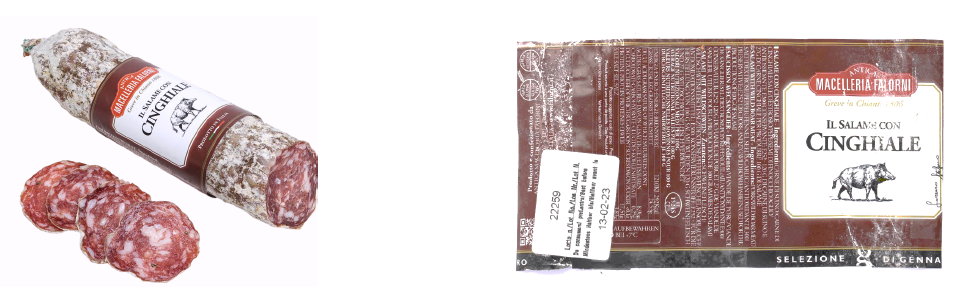
recall/press release
Manufacturer: Anitca Macelleria Falorni srl, Piazza G. Matteotti 71, IT-50022 Greve in Chianti (IT) Distributor: Di Gennaro Feinkost- und Weinhandelsgesellschaft mbH
The affected product with the batch mentioned should no longer be consumed, as it could possibly be contaminated with verotoxin-forming E. coli (EHEC).
Reference is made to the attached press release from the food company.
Posted in EHEC, food contamination, food handler, Food Hazard, Food Hygiene, Food Inspections, Food Micro Blog, Food Microbiology, Food Microbiology Blog, Food Microbiology Testing, Food Pathogen, Food Poisoning, food recall, Food Safety, Food Safety Alert, Food Safety Management, Food Testing, Food Toxin, STEC, STEC E.coli, VTEC, VTECH

| Batch | ||
|---|---|---|
| egg code: 0FR3811 bulk eggs | ||
Posted in food contamination, food handler, Food Hazard, Food Hygiene, Food Inspections, Food Micro Blog, Food Microbiology, Food Microbiology Blog, Food Microbiology Testing, Food Pathogen, food recall, Food Safety, Food Safety Alert, Food Safety Management, Food Testing, Salmonella, Salmonella in Eggs

| GTIN | Batch | Date |
|---|---|---|
| 3468740271390 | 320 | Use-by date 07/12/2022 |
| 3468740271390 | 320 | Use-by date 08/12/2022 |
| 3468740271390 | 320 | Use-by date 10/12/2022 |
Posted in food contamination, food handler, Food Hazard, Food Hygiene, Food Inspections, Food Micro Blog, Food Microbiology, Food Microbiology Blog, Food Microbiology Testing, Food Pathogen, food recall, Food Safety, Food Safety Alert, Food Safety Management, Food Testing, Listeria, Listeria monocytogenes

| GTIN | Batch | Date |
|---|---|---|
| 3180940089758 | 320 | Use-by date 07/12/2022 |
Posted in food contamination, food handler, Food Hazard, Food Hygiene, Food Inspections, Food Micro Blog, Food Microbiology, Food Microbiology Blog, Food Microbiology Testing, Food Pathogen, food recall, Food Safety, Food Safety Alert, Food Safety Management, Food Testing, Listeria, Listeria monocytogenes
Aeromonas hydrophila is an important pathogenic bacterium that causes foodborne illness worldwide. In this study, virulent phages from the sediment of a fish farm were propagated and isolated on a multidrug-resistant strain of A. hydrophila, ZYAH75. One phage, designated as ZPAH7, featured a unique turbid halo around a clear plaque on the bacterial lawn (indicative of potential depolymerase activity), and was selected for further analysis. ZPAH7 was classified as podophage by morphological and genomic methods. Further comparisons of genome nucleotide similarity, ratios of homologous proteins and phylogenetic relatedness among the terminase large subunit and major capsid proteins of similar phage deposited in GENBANK, led us to propose a new genus, ZPAH7virus, in the Autographivirinae subfamily of Podoviridae. ZPAH7 had an adsorption rate of 79% in 5 min, an eclipse period of 15 min, a latent period of 25 min, and a burst size of 148 ± 9 PFU/cell. Antimicrobial application experiments showed that ZPAH7 lead to significantly reduction on A. hydrophila on lettuce. Additionally, ZPAH7 was able to inhibit biofilm formation, as well as degrade and kill bacteria in established biofilms. Furthermore, lytic activity of ZPAH7 remained stable across a wide range of temperatures and pH measurements. These results suggest ZPAH7 could be used as a potential biological control agent against A. hydrophila on food and/or biofilms on food contact surfaces.
Posted in Aeromonas, Bacteriophage, Biofilm, Decontamination Microbial, Food Micro Blog, Food Microbiology, Food Microbiology Blog, Food Microbiology Research, Food Microbiology Testing, microbial contamination, Microbial growth, Microbiological Risk Assessment, Microbiology, Microbiology Investigations, Microbiology Risk, Research


