Category Archives: Uncategorized

FDA – FDA Investigates Multistate Outbreak of Cyclospora illnesses linked to Del Monte Vegetable Trays

FDA 220px-Cyclospora_cayetanensis_stained

What is the Problem and What is Being Done About It?

FDA, CDC, state, and local partners are currently investigating several Cyclospora illnesses associated with recalled Del Monte 6oz and 12oz vegetable trays containing broccoli, cauliflower, carrots and dill dip that were sold by Kwik Trip/Kwik Star locations in IA, IN, MI, MN, and WI. Additionally, Del Monte is recalling “small veggie trays,” which are 28oz and include broccoli, cauliflower, carrots, celery and dill dip that were distributed to Illinois and Indiana.

As of June 15, 2018, CDC has reported 78 laboratory-confirmed cases of cyclosporiasis in persons from IA, MN, WI and MI who reportedly consumed the vegetable trays. The two cases from Michigan reportedly purchased the vegetable tray in Wisconsin and therefore Michigan is not impacted from this outbreak.

On June 8, 2018, Del Monte withdrew their 6oz and 12oz vegetable trays from retail market locations, and they are not currently available for purchase. However, consumers who purchased these trays before the withdrawal may still have product in their homes since the expiration date is June 17, 2018 or earlier. The 28oz vegetable trays that were distributed to IL and IN are being recalled as of June 15, 2018. Del Monte reports the recalled products were distributed to: Kwik Trip, Kwik Star, Demond’s, Sentry, Potash, Meehan’s, Country Market, FoodMax Supermarket and Peapod in Illinois, Indiana, Iowa, Michigan, Minnesota, and Wisconsin and have “Best If Enjoyed By” date of June 17, 2018 or earlier.

FDA has not identified which of the ingredients is the vehicle for this outbreak; each component of these vegetable trays is under consideration. FDA is currently reviewing distribution and supplier information related to the vegetable trays; the investigation is ongoing.

What is Cyclospora?

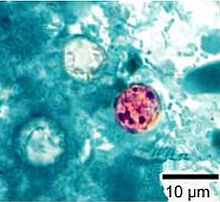
Cyclospora cayetanensis is a microscopic parasite of humans. This parasite, when it contaminates food or water and is then ingested, can cause an intestinal illness called cyclosporiasis.

The Cyclospora parasite needs time (days to weeks) after being passed in a bowel movement to become infectious for another person. Therefore, it is unlikely that cyclosporiasis is passed directly from one person to another.

For more information on Cyclospora: http://www.cdc.gov/parasites/cyclosporiasis/ 
Canada – Food Recall Warning – Now Real Food brand Zesty Sprouting Mix recalled due to Salmonella

CFIA 


Recall details

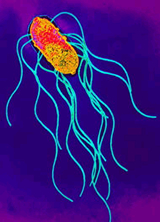
Ottawa, June 15, 2018 – Puresource Inc. is recalling Now Real Food brand Zesty Sprouting Mix from the marketplace due to possible Salmonella contamination. Consumers should not consume the recalled product described below.

Recalled products

Brand Name Common Name Size Code(s) on Product UPC
Now Real Food Zesty Sprouting Mix – Clover, Fenugreek and Radish Seeds 454 g Lot #3031259 and
Lot #3038165
7 33739 07271 9

USA – FDA Investigating Multistate Outbreak of Salmonella Mbandaka Infections Likely Linked to Kellogg’s Honey Smacks Cereal

FDA 


June 15, 2018 Update

The FDA is advising consumers to not eat and to discard any Kellogg’s Honey Smacks cereal. This is regardless of size or “best if used by” dates. The recall notice accounts for all of the product that is on the market within the cereal’s estimated one year shelf-life. However, Honey Smacks products with earlier dates could also potentially be contaminated.

The FDA is also disclosing a more detailed list of foreign countries to which the Kellogg’s Honey Smacks cereal was distributed. Here is the list of the foreign countries:

Aruba/Curaçao/Saint Maarten (Netherlands Antilles), the Bahamas, Barbados, Tortola (British Virgin Islands), Costa Rica, Guatemala, Haiti, Mexico, Panama, and Tahiti (French Polynesia).

Research – ENVIRONMENTAL FACTORS CONTRIBUTING TO SALMONELLA COLONIZATION OF CHICKENS

Science Direct

A project was conducted in order to determine the degree of Salmonella contamination and the specific farm management practices which were related to Salmonella contamination. Samples were screened using an enzyme immunoasssay and confirmed with biochemical and serological tests. Samples collected from the feed mill were contaminated most frequently, followed by samples from the breeder/multiplier house, the processing plant, the broiler house, and the hatchery. Two breeder/multiplier flocks whose ovaries were contaminated with S. typhimurium were discovered, and progeny of these flocks were followed in the field. While S. typhimurium was found in 40–60% of yolk sacks of the day-old chicks tested, the percentage of birds in which Salmonella (any serotype) was detected decreased to about 3% at market age. Salmonella was found in about 35% of the ceca collected at the plant, while slightly over 75% of the processed birds were positive. Dominant Salmonella serotypes shifted as the birds were processed, with S. hadar and S. muenster, rather than S. typhimurium, dominating in the finished product. Only reduced litter moisture and water chlorination appeared related to Salmonella contamination rates in broilers on the farm. While feeds frequently contain Salmonella, these data suggest that breeder/multiplier flocks can determine whether or not broilers contain Salmonella. However, these data also suggest that Salmonella contamination of ready-to-cook broilers probably occurs mainly during catching and loading, live-haul, or processing.

Research – A Quantitative Risk Assessment of Human Salmonellosis from Consumption of Pistachios in the United States

Journal of Food Protection 

We developed a quantitative risk assessment model to assess the risk of human nontyphoidal salmonellosis from consumption of pistachios in the United States and to evaluate the impact of Salmonella treatments (1- to 5-log reductions). The exposure model estimating prevalence and contamination levels of Salmonella at consumption included steps in pistachio processing such as transport from grower to huller, removal of the hull through wet abrasion, separation of pistachio floaters (immature, smaller nuts) and sinkers (mature, larger nuts) in a flotation tank, drying, storage, and partitioning. The risks of illness per serving and per year were evaluated by including a Salmonella dose-response model and U.S. consumption data. The spread of Salmonella through float tank water, delay in drying resulting in growth, increased Salmonella levels through pest infestation during storage (pre- and posttreatment), and a simulation of the 2016 U.S. salmonellosis outbreak linked to consumption of pistachios were the modeled atypical situations. The baseline model predicted one case of salmonellosis per 2 million servings (95% CI: one case per 5 million to 800,000 servings) for sinker pistachios and one case per 200,000 servings (95% CI: one case per 400,000 to 40,000 servings) for floater pistachios when no Salmonella treatment was applied and pistachios were consumed as a core product (>80% pistachio) uncooked at home. Assuming 90% of the pistachio supply is sinkers and 10% is floaters, the model estimated 419 salmonellosis cases per year (95% CI: 200 to 1,083 cases) when no Salmonella treatment was applied. A mean risk of illness of less than one case per year was estimated when a minimum 4-log reduction treatment was applied to the U.S. pistachio supply, similar to the results of the Salmonella risk assessment for almonds. This analysis revealed that the predicted risk of illness per serving is higher for all atypical situations modeled compared with the baseline, and delay in drying had the greatest impact on consumer risk.


Information – Models to develop and validate process preventive controls Decision-support for the food industry

ComBase

Computational Biology Premium (CB Premium) supports a new era of predictive microbiology and risk-based food safety (e.g. FSMA), by providing the food community with peer-reviewed models accessed via a uniform interface. Much like ComBase, CB+ serves as a repository of models and risk management tools. However, what differentiates CB+ is it’s sole focus on predictive models that have been developed for and validated in real commercial foods.

Since co-founding ComBase in 2000, Dr Mark Tamplin has interacted with numerous members of the food safety community. A universal request was for predictive models applicable to commercial foods. CB+ was designed to meet this demand.

Our Vision is that CB+ will be the leading predictive microbiology resource used by small and large food companies to develop and validate process preventive controls. Our Goals to realizing this vision involve actively engaging with the food industry to identify high demand models, and then interacting with and supporting food safety researchers who produce the predictive models that fill these information gaps.

CB+ supports all lead model authors by providing free access to CB+, as well as measuring the number of times users access individual models, thus documenting model impact.

CB+ is owned by the University of Tasmania, and produced and delivered through the Tasmania Institute of Agriculture.

Our operational team includes Mark Tamplin and Daniel Marin Hervias, the technical manager who designs the CB+ web application and software framework. In addition, a small team of scientists help identify and format new models for CB+.

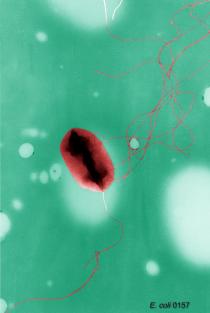
Research – Outbreak of E. coli O157:H7 Infections Associated with Exposure to Animal Manure in a Rural Community — Arizona and Utah, June–July 2017

CDC O157

On June 26, 2017, a hospital in southern Utah notified the Utah Department of Health of Shiga toxin–producing Escherichia coli (STEC) O157:H7 infections in two children from a small community on the Arizona-Utah border. Both children developed hemolytic uremic syndrome, characterized by hemolytic anemia, acute kidney failure, and thrombocytopenia and died within a few days of illness onset. Over the next few days, several more STEC-associated illnesses were reported in residents of the community. A joint investigation by local and state health agencies from Arizona and Utah and CDC was initiated to identify the outbreak source and prevent additional cases; a total of 12 cases were identified, including the two children who died. Investigators initially explored multiple potential sources of illness; epidemiologic and environmental information revealed cow manure contact as the likely initial cause of the outbreak, which was followed by subsequent person-to-person transmission. One of the outbreak strains was isolated from bull and horse manure collected from a yard near a community household with two ill children. Local health agencies made recommendations to the public related to both animal contact and hand hygiene to reduce the risk for STEC transmission. Animal or animal manure contact should be considered a potential source of STEC O157:H7 during outbreaks in communities where ruminants are kept near the home

Research – Staphylococcus aureus infection dynamics

Plos One 


Staphylococcus aureus is a human commensal that can also cause systemic infections. This transition requires evasion of the immune response and the ability to exploit different niches within the host. However, the disease mechanisms and the dominant immune mediators against infection are poorly understood. Previously it has been shown that the infecting S. aureus population goes through a population bottleneck, from which very few bacteria escape to establish the abscesses that are characteristic of many infections. Here we examine the host factors underlying the population bottleneck and subsequent clonal expansion in S. aureus infection models, to identify underpinning principles of infection. The bottleneck is a common feature between models and is independent of S. aureus strain. Interestingly, the high doses of S. aureus required for the widely used “survival” model results in a reduced population bottleneck, suggesting that host defences have been simply overloaded. This brings into question the applicability of the survival model. Depletion of immune mediators revealed key breakpoints and the dynamics of systemic infection. Loss of macrophages, including the liver Kupffer cells, led to increased sensitivity to infection as expected but also loss of the population bottleneck and the spread to other organs still occurred. Conversely, neutrophil depletion led to greater susceptibility to disease but with a concomitant maintenance of the bottleneck and lack of systemic spread. We also used a novel microscopy approach to examine abscess architecture and distribution within organs. From these observations we developed a conceptual model for S. aureus disease from initial infection to mature abscess. This work highlights the need to understand the complexities of the infectious process to be able to assign functions for host and bacterial components, and why S. aureus disease requires a seemingly high infectious dose and how interventions such as a vaccine may be more rationally developed.

Research – Europe: Officials warn of the rise of carbapenem resistance, ‘We should be very concerned’

Outbreak News Today 


Infections with bacteria resistant to carbapenems, a group of highly effective antibiotics, pose a significant threat to patients and healthcare systems in all EU/EEA countries, warns ECDC in a Rapid Risk Assessment.

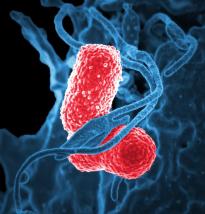
Resistance to carbapenems has been reported with increasing frequency and geographical spread since the beginning of the 1990s. The global rise of carbapenem resistance in a certain family of bacteria called Enterobacteriaceae, or carbapenem-resistant Enterobactericaeae (CRE), represents a threat to healthcare delivery and patient safety.

“We should be very concerned about the rise in carbapenem resistance in the EU/EEA as there are very few options for the treatment of patients with CRE infections” says Dominique Monnet, Head of ECDC’s Antimicrobial Resistance and Healthcare-Associated Infections Programme. “In recent years, the proportions of carbapenem resistance in Klebsiella pneumoniae – a type of Enterobacteriaceae – rapidly increased to high levels in Greece, Italy and Romania. The same could happen to other EU/EEA countries if appropriate measures are not taken. But the spread of CRE can likely be controlled in most countries through the implementation of appropriate prevention and control measures in hospitals and other healthcare settings.”

USA – FDA Investigated Multistate Outbreak of Salmonella Braenderup Linked to Shell Eggs from Rose Acre Farms – Appears to be Over.

FDA 

Fast Facts

  • The FDA advised consumers not to eat recalled eggs produced by Rose Acre Farms’ Hyde County farm. According to Rose Acre Farms’ recall notice and the subsequent recall from Cal-Maine Foods, Inc., these eggs are sold under multiple brand names, including Coburn Farms, Country Daybreak, Food Lion, Glenview, Great Value, Nelms, Sunshine Farms, Publix, and Sunups. Recalled eggs were also sold to restaurants.
  • CDC reported 45 cases in 10 states with 11 hospitalizations and no deaths.
  • After learning that all of the people who became ill ate eggs or egg dishes, the FDA was able to trace back the source of some of the eggs to the Rose Acre Farms’ Hyde County farm. FDA investigators then inspected the farm and collected samples for testing. FDA analysis of the samples revealed that the same strain of Salmonella Braenderup that caused the illnesses was present at the Hyde County Egg facility, tying the facility to the outbreak.
  • As a result of the findings and discussions between the FDA and the firm, Rose Acre Farms voluntarily recalled eggs from the farm in Hyde County, North Carolina. Following Rose Acre Farms’ recall, Cal-Maine Foods, Inc. voluntarily recalled eggs purchased from Rose Acre Farms and produced at the Hyde County facility.