Category Archives: Salmonella

UK – Sainsburys recalls ‘by Sainsbury’s Flaked Almonds’ because of contamination with Salmonella

Gov UK

Sainsbury’s is recalling ‘by Sainsbury’s Flaked Almonds’ because Salmonella has been found in the product.

Product details

by Sainsbury’s Flaked Almonds
Pack size 200g
Batch code 4044, 4045
Best before February 2025

Risk statement

Salmonella has been found in the product listed above.

Symptoms caused by salmonella usually include fever, diarrhoea and abdominal cramps.

Action taken by the company

Sainsbury’s is recalling the above product. Point of sale notices will be displayed in stores where the product was sold. These notices explain to customers why the product is being recalled and tell them what to do if they have bought the product. Please see the attached photo of the product.

Our advice to consumers

If you have bought the above product do not eat it. Instead return it to the store from where it was bought for a full refund. For further information, please visit Sainsbury’s website Sainsburys.co.uk/help or contact Sainsbury’s careline on 0800 028 8303.
France – CHICKEN PAUPIETTE – Salmonella

Gov France

Product category
Food
Product subcategory
Meats
Product brand name
UNBRANDED
Model names or references
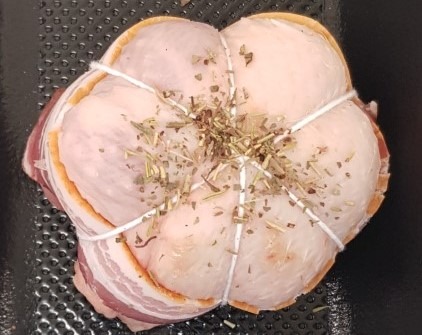
CHICKEN PAUPIETTE HONEY GOAT CHICKEN PAUPIETTE CHICKEN PAUPIETTE FORETIER CHICKEN PAUPIETTE BASQUAISE CHICKEN PAUPIETTE DIJONAISE CHICKEN PAUPIETTE
Product identification
Batch Date
EL230324 Use-by date 03/23/2024
Products List
List_of_concerned_products.pdfAttachment
Packaging
Par 8 in a tray under atmosphere
Start/end date of marketing
From 03/11/2024 to 03/18/2024
Storage temperature
Product to keep in the refrigerator
Health mark
FR 01 053 005 CE
Geographical sales area
Whole France
Distributors
Boucherie ANDRE CARREFOUR MARKET HYPER U DESTOCK FRESH MONOPRIX
List of points of sale
List_of_points_of_sale.pdf

France – Merguez portion – Salmonella

Gov France

Product category
Food
Product subcategory
Meats
Product brand name
Languedoc Lozère Meat
Model names or references
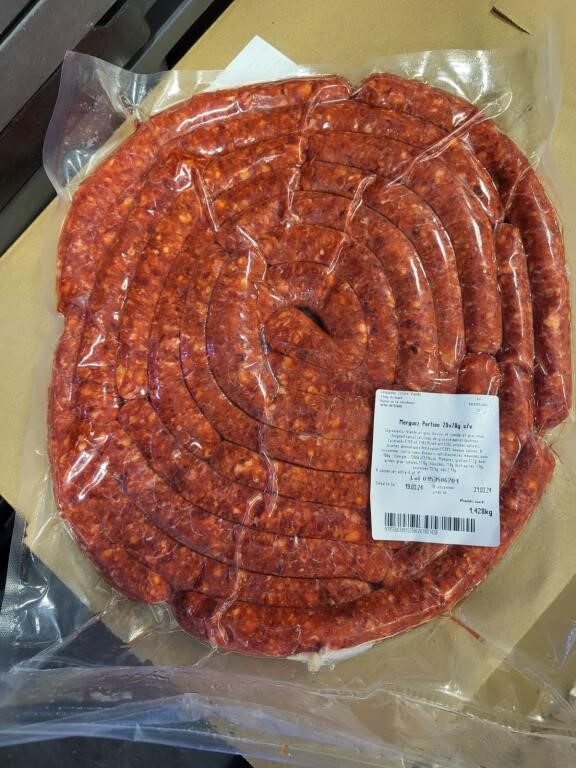
Merguez Portion 12x60g s/v or s/at, any portion size (50g, 60g, 70g, 80g) Merguez 1kg s/v
Product identification
GTIN Batch Date
3724674001107 0153292301 Use-by date 03/23/2024
3724674001114 0153292301 Use-by date 03/21/2024
3724674001121 0153292301 Use-by date 03/23/2024
3724674001046 0153292301 Use-by date 03/23/2024
3724674001138 0153292301 Use-by date 03/23/2024
3724674001145 0153292301 Use-by date 03/23/2024
3724674001152 0153292301 Use-by date 03/23/2024
3724674001053 0153292301 Use-by date 03/23/2024
3724674001169 0153292301 Use-by date 03/23/2024
3724674001176 0153292301 Use-by date 03/24/2024
3724674001183 0153292301 Use-by date 03/23/2024
Packaging
In tray under modified atmosphere or vacuum
Start/end date of marketing
From 03/11/2024 to 03/12/2024
Storage temperature
Product to keep in the refrigerator
Health mark
FR.48.005.003 CE
Further information
Merguez in portions of 50g, 60g, 70g and 80g, presented in 1 kg Merguez breast beads
Geographical sales area
Whole France
Distributors
Supermarkets, collective catering and RHF

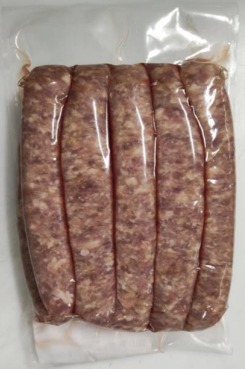
France – Pure pork sausage without pork with onions – Salmonella

Gov France

Product category
Food
Product subcategory
Meats
Product brand name
Unbranded
Model names or references
758800
Product identification
Batch Date
970/240710076 Use-by date 01/04/2024
Packaging
Sous-vide x10
Start/end date of marketing
From 03/13/2024 to 04/01/2024
Storage temperature
Product to keep in the refrigerator
Health mark
FR 35.353.003 CE
Geographical sales area
Whole France
Distributors
PROMOCASH
List of points of sale
List_of_stores_PROMOCASH_RETRAIT_SAUCISSE_OIGNON.pdf

USA – Wenders LLC Recalls Trader Joes Nuts – 50% Less Sodium Roasted & Salted Whole Cashews Because of Possible Health Risk – Salmonella

FDA

Wenders LLC of Dublin, CA is recalling specific production lots of Trader Joes Nuts – 50% Less Sodium Roasted & Salted Whole Cashews – (SKU Number – 37884) Lot# T12139, T12140, T12141, and T12142 because they have the potential to be contaminated with Salmonella, an organism which can cause serious and sometimes fatal infections in young children, frail or elderly people, and others with weakened immune systems. Healthy persons infected with Salmonella often experience fever, diarrhea (which may be bloody), nausea, vomiting and abdominal pain. In rare circumstances, infection with Salmonella can result in the organism getting into the bloodstream and producing more severe illnesses such as arterial infections (i.e., infected aneurysms), endocarditis and arthritis.

Product was sold in the states of AL, AR, AZ, CA, CO, ID, KS, LA, NM, NV, OK, OR, TN, TX, UT, and WA at Trader Joe’s locations.

The product can be identified by the country of origin, India or Vietnam and the “Lot No:” printed on the back panel of the plastic pouches Trader Joes Nuts – 50% Less Sodium Roasted & Salted Whole Cashews (SKU Number – 37884) No other Lot No:s or products are affected by this recall.

Lot No# Best Before Date
T12139 Feb 21, 2025
T12140 Mar 01, 2025
T12141 Mar 08, 2025
T12142 Mar 10, 2025

No illnesses have been reported to date.

The issue was identified through routine testing by FDA during import, which indicated that at least one of the recalled lots tested positive for the presence of Salmonella.

Consumers should not eat any products covered by this recall. Consumers who have purchased a recalled product are urged to return it to the place of purchase for a full refund. Consumers with questions may contact the company at foodsafety@wendersllc.com


Company Contact Information

Consumers:
Wenders LLC
 foodsafety@wendersllc.com

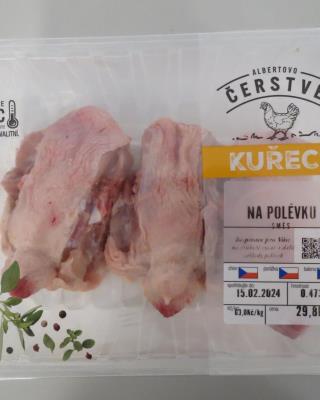
Czech Republic – CHICKEN BACKS IN SOUP – Salmonella

Potravinynapranyri

Illustrative photo #1

Place of inspection:
Velký Týnec ( Olomoucká 90, 783 72 Velký Týnec )
ID: 44012373
Food group: Meat and meat products Packaged meat

CHICKEN BACKS IN SOUP
Category: Dangerous foods
Invalid parameter:

Salmonella enteritidis

The presence of the pathogenic bacterium Salmonella enteritidis , which can cause a disease called salmonellosis, was detected in the food  .

Batch: L 422454033
Expiration date: 15/02/2024
Packaging: sealed plastic tub
Manufacturer: RABBIT Trhový Štěpánov as,
Date of sample collection: 14/02/2024
Reference number: 24-000139-SZPI-CZ
The sample was detected by the official control of the State Agricultural and Food Inspection.

Research – Surveillance and source tracking of foodborne pathogens in the vegetable production systems of India

Science Direct

Abstract

Fresh vegetables are prone to foodborne pathogen infection due to improper cultivation methods and poor post-harvest handling practices. This paper describes the prevalence of foodborne pathogens in three vegetables (tomato, brinjal, and lablab) cultivated by small-scale producers of India. We assessed the possible entry of pathogens into the vegetable production chain. Samples from soil, manure, irrigation water, harvesting bins, and workers’ hands were assessed as sources of possible pathogen entry. In addition, further sampling was done to determine prevalence of these pathogens in the produce from the agricultural fields and markets. Total plate counts, yeast and mold count, total coliforms like general microbial indices, and possible foodborne pathogens like SalmonellaEscherichia coli O157, Staphylococcus aureusPseudomonas aeruginosa, and Norovirus were assessed in all the samples by standard microbiological, biochemical, and molecular methods. The results revealed that among the three vegetables we studied, brinjal had the highest load of general microbial indicators. Moreover, the total coliforms count of market vegetables was higher than that of on-farm vegetables, indicating poor hygiene in post-harvest operations. The pathogen Pseudomonas aeruginosa was found in the market tomatoes (0.35 log10 cfu/g), and E. coli was detected in the market samples of brinjal (2.98–3.89 log10 cfu/g) and lablab (0.59–2.21 log10 cfu/g), thereby revealing fecal cross-contamination during pre or post-harvest operations. None of the vegetable samples were contaminated with E. coli O157:H7, Staphylococcus aureusSalmonella sp., and norovirus. However, the microbiological source tracking of primary production farms showed that E. coli O157:H7 was present in manure (9/27), soil (6/27), harvest bins (6/27), and irrigation water samples (3/27) of SSP farms. In addition, soil (33%), manure (11%), and harvest bins (11%) had Pseudomonas aeruginosa. In conclusion, our study suggests that adequate knowledge of good agricultural practices for small-scale producers to cultivate microbiologically safe vegetable production and proper handling strategies for vegetable vendors is crucial to mitigate foodborne pathogen outbreaks through fresh vegetables.

Nontyphoidal Salmonella Outbreaks Associated With Chocolate Consumption: A Systematic Review

Journals LWW

Abstract

Background:

A large, cross-border outbreak of nontyphoidal salmonellosis connected to chocolate product consumption was recently reported. This occurrence motivated us to conduct a comprehensive review of existing literature concerning outbreaks of nontyphoidal salmonellosis associated with chocolate consumption.

Methods:

We performed a systematic review following the Preferred Reporting Items for Systematic Reviews and Meta-Analyses (PRISMA) guidelines (PROSPERO CRD42022369023) in 3 databases: U.S. National Library of Medicine, Web of Science and Excerpta Medica. Google Scholar and the bibliography of each identified report were also screened. Eligible were articles published after 1970, describing outbreaks of more than 10 patients with a nontyphoidal salmonellosis associated with chocolate consumption.

Results:

Twenty-three articles were included, which described 12 outbreaks involving a total of 3266 patients. All outbreaks occurred in high-income countries: 1 was limited to 1 city, 6 involved 1 country and the remaining 5 involved 2 or more countries. Six outbreaks peaked in winter, 3 in autumn, 2 in spring and 1 in summer. Children were mainly affected. No predominant serotype was identified.

Conclusions:

Our data documents that chocolate is an optimal medium for the transmission of nontyphoidal salmonellosis. A connected worldwide reporting system including high-income, middle-income and low-income countries is crucial to detect infectious diseases outbreaks in an early phase and avoid their spread.

Research – Inhibition of Salmonella enteritidis in homemade mayonnaise using oregano essential oil (Origanum vulgare)

Research Gate

The potential of oregano essential oil (OEO) as a natural antimicrobial agent to mitigate Salmonella spp. contamination in homemade mayonnaise made from raw eggs should be explored. This study aimed to assess the viability of Salmonella Enteritidis in homemade mayonnaise supplemented with OEO while also examining key quality parameters, including pH, titratable acidity, and the count of mesophilic aerobic microorganisms. In vitro experiments determined the Minimum Inhibitory Concentration (MIC) and Minimum Bactericidal Concentration (MBC) of OEO against two strains of Salmonella Enteritidis and one of Salmonella Typhimurium. Subsequently, homemade mayonnaise, intentionally contaminated with a Salmonella Enteritidis strain, was prepared, and OEO was added at concentrations of 0.5% and 1.0%. Bacterial plate counts for Salmonella spp. and mesophilic microorganisms, as well as acidity levels, were assessed at 0, 4, 8, and 24 hours of incubation at 30°C. The results indicated the in vitro efficacy of OEO, with an MIC of 0.5% and an MBC of 0.0625% against all strains. However, in homemade mayonnaise, Salmonella counts averaged 6.0 log CFU/g over the 24 hours at 30°C. Mesophilic microorganism counts also averaged 6.0 log CFU/g over 24 hours, similar to those of Salmonella. The pH values ranged from 4.5 to 5.1, and acidity levels remained between 0.31% and 0.39% throughout the 24 hours. In conclusion, oregano essential oil exhibited a bacteriostatic effect, effectively limiting the growth of Salmonella Enteritidis in homemade mayonnaise at the evaluated concentrations and time intervals.

Romania – “Culinea”- Chicken nuggets 500 g” with the expiration date 02.03.2025 – Salmonella

ANSVA

Bucharest, Romania, 15.03.2024. The manufacturer GEKA recalls the product “Culinea Chicken nuggets 500 g” with the expiration date 02.03.2025, from the batch with number ED03.02.2024 049502204845, with suspected presence of Salmonella. In the case of the concerned batch, the presence of salmonella bacteria in the product cannot be excluded. Salmonella can trigger severe gastrointestinal diseases. In certain groups of people (young, old, pregnant, immunosuppressed) can cause serious symptoms. Therefore, customers do not have to do not consume the affected product under any circumstances. For reasons related to consumer safety, the manufacturer GEKA and Lidl Romania have reacted without delay and withdrew this product from sale.