Category Archives: Salmonella

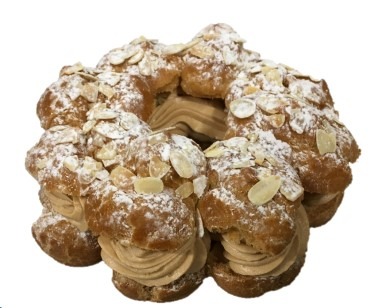
France – PARIS BREST sold in the self-service pastry section made at the HYPERMARCHE CHATEAUROUX store – Salmonella

Gov France

Product category
Food
Product subcategory
Cereals and bakery products
Product brand name
Unbranded
Model names or references
PARIS BREST sold in the self-service pastry section made at the HYPERMARCHE CHATEAUROUX store
Product identification
GTIN Batch Date
3276550576068 Packaging date: 05/13/2024 Use-by date 05/16/2024
3276550576068 Packaging date: 05/14/2024 Use-by date 05/17/2024
Packaging
Tray
Start/end date of marketing
From 05/13/2024 to 05/17/2024
Storage temperature
Product to keep in the refrigerator
Geographical sales area
Carrefour Hypermarket Châteauroux
Distributors
Carrefour Hypermarket Châteauroux ONLY

France – Curry chicken skewer – Salmonella

Gov France

Product category
Food
Product subcategory
Others
Product brand name
Leguelier
Model names or references
Curry chicken skewer
Product identification
GTIN Batch Date
3383886900303 batch 2013624 Use-by date 05/24/2024
Start/end date of marketing
From 05/16/2024 to 05/24/2024
Storage temperature
Product to keep in the refrigerator
Health mark
FR.28.177.002.CE
Geographical sales area
Regions: Île-de-France
Distributors
Novoris
List of points of sale

 Italy – Liver salami – Salmonella

Salute

Brand : Salumificio Ciccarelli

Name : Liver salami

Reason for reporting : Recall due to microbiological risk

Publication date : 21 May 2024

Documentation

Documentation

Research – Comparison of Three Air Sampling Methods for the Quantification of Salmonella, Shiga-toxigenic Escherichia coli (STEC), Coliforms, and Generic E. coli from Bioaerosols of Cattle and Poultry Farms

Science Direct

Abstract

Recent fresh produce outbreaks potentially associated with bioaerosol contamination from animal operations in adjacent land highlighted the need for further study to better understand the associated risk. The purpose of this research was to evaluate three sampling methods for quantifying target bacterial bioaerosols from animal operations. A dairy cattle and poultry farm located in Georgia, U.S. were visited six times each. Air was collected for 10 min using: 2-stage Andersen impactor with and without mineral oil overlay and impingement samplers. Sampling devices were run concurrently at 0.1, 1, and 2 m heights (n = 36). Andersen samplers were loaded with CHROMagar™ Salmonella, CHROMagar™ STEC, or Brilliance™ coliforms/E. coli. The impingement sampler contained buffered peptone water (20 mL) which was vacuum filtered through a 0.45 µm filter and placed onto the respective media. Plates were incubated at 37 ℃ for 48 h. PCR confirmation followed targeting ttr for Salmonella and stx1stx2, and eae genes for STEC. No significant differences were found among methods to quantify coliforms and E. coliSalmonella and STEC bioaerosols were not detected by any of the methods (Limit of detection: 0.55 log CFU/m3). E. coli bioaerosols were significantly greater in the poultry (2.76–5.00 log CFU/m3) than in the cattle farm (0.55–2.82 log CFU/m3) (p < 0.05), and similarly distributed at both stages in the Andersen sampler (stage 1:>7 μm; stage 2: 0.65–7 μm particle size). Sampling day did not have a significant effect on the recovery of coliforms/E. coli bioaerosols in the poultry farm when samples were taken at the broiler house exhaust fan (p > 0.05). A greater and constant emission of coliforms and E. coli bioaerosols from the poultry farm warrants further investigation. These data will help inform bioaerosol sampling techniques which can be used for the quantification of bacterial foodborne pathogens and indicator organisms for future research.

Research – Destruction of Escherichia coli and Salmonella typhimurium in Microwave-cooked Soups

Science Direct

Abstract

Single serving (i.e. 200 ml) portions of tomato soup, vegetable soup, and broth inoculated with Escherichia coli or Salmonella typhimurium at about 107 organisms/ml were exposed to 915 MHz microwaves. After various timed exposures the temperature of the top, middle, and bottom regions as indicated by changes in previously positioned assemblies of temperature sensitive paper strips were noted and aliquots were removed from the same regions for standard plate count determination of survivors. For any given exposure time, the temperature of the middle region was warmest; that of the bottom, intermediate; and the temperature of the top, coolest. Despite the relative temperatures of the regions, however, the consistent finding was that, for any exposure time, the closer the sampled organisms were to the top, the lower their level of survival. In terms of temperature, it was noted that organisms in the top had declined to a given level of survival at a temperature lower than the temperature corresponding to the same survival level in the middle or bottom soup regions. These data suggest that the heat generated during the microwave exposure alone is inadequate to fully account for the nature of the lethal effects of microwaves for microorganisms.

USA – Update to Palmer Candy Company Recall of White Confectionary Products Because of Possible Health Risk – Salmonella

FDA

The firm previously issued a public notification on 05/06/2024. The firm is issuing this public notification to include additional best by dates and products.

This press release was updated to include additional best by dates of the products:

Caramel Swirl Pretzels 4oz
Cookies & Cream Yummy Chow 14#
Munchy Medley 4oz
Peanut Butter Snack Mix 12oz
Vanilla Yogurt Covered Pretzels 10oz
Zebra Fudge Cookies 7oz

and to include the following two items:

Patriotic White Fudge Cookies 13.5oz
Drizzled Caramel Corn 5oz and 12oz

The revisions are identified in bolded and highlighted text.

The recalled confectionary items were distributed nationwide in Walmart, HyVee, Target, Dollar General, and to distributors in Alabama, California, Florida, Illinois, Iowa, Kansas, Missouri, Nebraska, North Dakota, Oregon, Pennsylvania, South Carolina, South Dakota, Texas, Virginia, Wisconsin and Wyoming.

The product comes in a variety of retail packaging like bags, pouches and tubs.

No illnesses have been reported to date in connection with this problem.

Palmer Candy was notified by its liquid coating supplier that there was a potential for contamination with salmonella from an ingredient that was potentially contaminated from one of their suppliers.

Production of the product has been suspended while FDA and the company continue their investigation as to the source of the problem.

Consumers who have purchased White coated confectionary items manufactured by Palmer Candy Company are urged to return them to the place of purchase for a full refund.

Consumers with questions may contact the company at 1-800-831-0828 Monday through Friday 8am – 5pm.

PRODUCTS BEST BY DATES
CARAMEL SWIRL PRETZELS 4oz 12/18/24-12/28/24
CARAMEL SWIRL PRETZELS 6oz 12/19/24, 12/20/24 and 1/19/25
CLASSIC YOGURT PRETZELS 28# 12/11/24 – 1/8/25
COOKIES & CREAM YUMMY CHOW 14# 12/6/24 – 1/23/25
ENROBED PRETZEL RODS 8oz 1/22/2025
FAVORITE DAY BAKERY WHITE FUDGE MINI COOKIES 7oz 4/4/25, 4/5/25, 4/15/25 – 4/18/25
FROSTED MUNCHY MEDLEY BOWL 15oz 1/3/2025
FROSTED PATRIOT FROSTED PRETZELS 28# 1/2/25, 1/3/25
FROSTED PRETZELS 6oz 1/23/2025
MUNCHY MEDLEY 15# 12/14/24, 1/3/25
MUNCHY MEDLEY 4oz 12/25/24 – 12/28/24 and 1/19/25
MUNCHY MEDLEY TO GO 4oz 12/25/24 – 1/19/25
MUNCHY MEDLEY 6oz 12/20/24, 4/25/25
PATRIOTIC MUNCHY MEDLEY BOWL 15oz 1/19/2025
PATRIOTIC PRETZELS 14oz 1/25/25, 1/26/25
PATRIOTIC PRETZELS 6oz 1/19/2025
PATRIOTIC RED, WHITE & BLUE PRETZEL TWISTS 14oz 12/13/24 – 1/15/25
PATRIOTIC SNACK MIX 13oz 1/19/25 – 2/1/25
PATRIOTIC WHITE FUDGE COOKIES 13.5oz 4/22/2025
PATRIOTIC WHITE FUDGE COOKIES 7oz 4/23/25, 4/24/25
PEANUT BUTTER SNACK MIX 12oz 11/13/24 – 12/22/24
PEANUT BUTTER SNACK MIX TO GO 4.5oz 1/18/2025
SNACKIN’ WITH THE CREW! MIZZOU MUNCHY MEDLEY 7oz 12/18/24, 12/19/24
SNACKIN’ WITH THE CREW! TIGER TREATS 7oz 12/18/24, 12/19/24
STAR SNACKS CHOW DOWN 25# 12/6/24, 12/7/24
STRAWBERRY YOGURT COATED PRETZELS 10oz 1/5/25, 1/23/25
SWEET SMILES YOGURT COVERED PRETZELS 3.25oz 12/18/24 – 1/4/25
VANILLA YOGURT COVERED PRETZELS 10oz 12/18/24, 1/5/25, 1/22/25
YOGURT PRETZEL 14# 12/14/24 – 12/21/24
ZEBRA FUDGE COOKIES 7oz 3/20/25 – 4/30/25
DRIZZLED CARAMEL CORN 5oz 1/22/2025
DRIZZLED CARAMEL CORN SNACK MIX BOWL 12oz 1/22/2025

Original Press Release


Company Contact Information

Consumers:
Palmer Candy Company
 1-800-831-0828

Germany – Sliced ​​Cloud Ear Fungus – dried mushrooms – Salmonella

Lebensmittelwarnung

Alert type: Groceries
Date of first publication: May 17, 2024
Product name:

Sliced ​​Cloud Ear Fungus – dried mushrooms

Manufacturer (distributor):

Hung Van Do Halberstädter Straße 183, 39112 Magdeburg

Reason for warning:

Detection of salmonella

Packaging Unit: 1 kg
Durability: Best before: April 16, 2025
Production date: October 16, 2023
Additional Information:

We have determined that this product is contaminated with Salmonella Weltevreden. If prepared incorrectly, salmonella causes symptoms such as sudden diarrhea, headaches, stomach aches, general malaise and occasionally vomiting, and often a slight fever. If symptoms persist, please seek medical help immediately.
We ask all customers who have purchased this product not to consume or resell it and to return it immediately to the following store:
Address:
Hung Van Do Halberstädter Straße 183, 39112 Magdeburg Tel.:0172 8186146
You will be refunded the full purchase price, too without presenting the receipt.

Click to access SOFORTIGER+PRODUKTR%DCCKRUF.pdf

Research – Inactivation of Salmonella Typhimurium, Escherichia coli, and Staphylococcus aureus in Tilapia Fillets (Oreochromis niloticus) with Lactic and Peracetic Acid through Fogging and Immersion

MDPI

Abstract

This study investigated the antimicrobial effects of lactic acid (LA) (3%) and peracetic acid (PA) (300 ppm) on tilapia fillets (Oreochromis niloticus) by fogging (15 min) or by immersion (2 s) in a pool of Escherichia coli (NEWP 0022, ATCC 25922, and a field-isolated strain), Staphylococcus aureus (ATCC 25923 and a field-isolated strain), and Salmonella Typhimurium (ATCC 13311 and ATCC 14028), as well as the effects on the physicochemical characteristics of the fillets. Fogging was effective and the best application method to control S. Typhimurium regardless of the acid used, promoting reductions of 1.66 and 1.23 log CFU/g with PA and LA, respectively. Regarding E. coli, there were significant reductions higher than 1 log CFU/g, regardless of the treatment or acid used. For S. aureus, only immersion in PA showed no significant difference (p < 0.05). For other treatments, significant reductions of 0.98, 1.51, and 1.17 log CFU/g were observed for nebulized PA, immersion, and LA fogging, respectively. Concerning the pH of the samples, neither of the acids used differed from the control. However, treatments with LA, and fogging with PA, reduced the pH compared to immersion in PA. As for color parameters, L* and a* values showed changes regardless of the acid or method used, resulting in an improved perception of fillet quality. These results indicate that fogging and immersion are alternatives for reducing S. Typhimurium, E. coli, and S. aureus in tilapia fillets.

China – CCDC Pre-planned Studies: Salmonella Grumpensis Causing Diarrhea in Children — Shanghai Municipality, China, 2023

China CDC

In August 2023, the Shanghai CDC laboratory received diarrheal stool specimens from two pediatric hospitals in close succession. These specimens were identified and serotyped as Salmonella enterica serotype Grumpensis (S. Grumpensis). The rarity of this serotype was confirmed upon consulting the local Chinese Salmonella genome database (1), which contains no recorded instances, suggesting that it is an infrequent occurrence in China. Commonly, symptoms of salmonellosis emerge anywhere from 6 hours to 6 days following infection. The discovery of two instances of this unusual serotype within a 24-hour period signals a red flag for a possible outbreak and underscores the pathogen’s transmission capability.

Two male children, aged 1 and 2 years, presented to the hospital on August 1and 2 with similar clinical symptoms of bloody diarrhea (>3 episodes in 24 hours) and abdominal pain (Table 1). Initially treated with cefdinir, patient G2’s symptoms persisted despite a 5-day course, leading to a switch to azithromycin, which resulted in gradual improvement and ful recovery.

Epidemiological investigations play a crucial role in managing cases related to uncommon pathogens. Despite the initial findings showing no evidence of typical sources of infection such as dining out, travel, contact with symptomatic individuals, consumption of raw water, undercooked foods, or owning pets, it posed a challenge in determining the origin of the infection.

CDC laboratory personnel collected specimens from the household of individual G2. Adhering to the procedures specified in GB4789.4-2016, a diverse set of samples, including stool from family members, uneaten food, and environmental swabs, were gathered. Maintaining sterility and a constant temperature of 4 ℃, samples were transported to the lab for pathogen examination within two hours. Despite these precautions, no Salmonella was detected in any of the samples. Additionally, there were no further cases involving this particular Salmonella serotype reported at the same hospital. In our continued investigation of the two S. Grumpensis strains, we conducted a comprehensive analysis that included both antimicrobial susceptibility testing (AST) and whole genome sequencing (WGS). The AST employed the broth microdilution technique to assess the resistance against 22 antibiotics encompassing 11 classes, as listed in Supplementary Table S1. This method was strictly in accordance with Clinical and Laboratory Standards Institute (CLSI) guidelines and the National Antimicrobial Resistance Monitoring System (NARMS) protocol, aiming to determine the Minimum Inhibitory Concentrations (MICs) for each antibiotic (23). The AST findings, as presented in Supplementary Table S1, indicated that the strains were susceptible to the full array of antibiotics tested.

Meanwhile, WGS results, detailed in Table 2, classified both isolates as Salmonella Grumpensis S.I (13, 23: d: 1,7). They shared multilocus sequence type (ST) 2060 and core genome multilocus sequence type (cgST) 175517, differing in only one allele, suggesting a strong genetic similarity. Their matching phenotypic and genotypic resistance patterns, absence of plasmid replicons, and common genetic features indicate a close genetic relationship, typical for strains involved in outbreaks, pointing to a common source or transmission chain.

The study analyzed the genomes of 51 S. Grumpensis available in the NCBI database (Supplementary Table S2), revealing its widespread across 11 countries and regions globally, with the highest numbers in Spain (n=20), the United Kingdom (n=15), and the United States (n=7). The strains were isolated between 2005 and 2023, with a surge from 2017 to 2023. Various sample types were identified, including human (n=42), food (n=2), plant (n=1), poultry (n=1), and unknown sources (n=7). Human samples primarily consisted of fecal specimens (n=39), as well as blood (n=2) and cerebrospinal fluid (n=1).

Phylogenetic analysis (Figure 1) identified ST2060 (n=37) and ST751 (n=13) as the predominant global STs among S. Grumpensis isolates. Most isolates harbored acc(6’)-Iaa (98.1%) and fosA7 (96.2%) genes. ST751 has been observed since 2016 in the UK, Canada, the USA, and Brazil, from both humans and poultry, notably lacks of multidrug resistance. Initially reported in 2006, ST2060 is mainly present in human samples (97.3%) and comprised of two genetic clades: 2060.1 and 2060.2, with the latter branching into three sub-clades (2060.2-1, 2060.2-2, 2060.2-3). The study conducted hierarchical single linkage clustering based on pairwise single nucleotide polymorphism (SNP) differences at different thresholds (100, 50, 25, 10, 5, 0). Two isolates from the study belonged to the 2060.2-1 sub-clade, genetically close (0–80 SNPs) to isolates from the UK, USA, and Senegal, and highly similar (0–4 SNPs) to a 2023 USA strain (SRR26351730). An intriguing finding was an isolate from Senegal, in the 2060.2-1 sub-clade, having 14 antibiotic resistance genes (ARGs) and originating from a cerebrospinal fluid sample.

USA – Cracker Barrel in Bourbonnais Illinois linked to Salmonella Outbreak

Food Poison Journal

The Kankakee County Health Department (KCHD) and Illinois Department of Public Health (IDPH) are investigating an outbreak of Salmonella, a bacteria that is a common cause of food poisoning. As of May 14th1, 2024, KCHD has identified 8 individuals with Salmonella infections who ate prepared food from Cracker Barrel located on 50 Ken Hayes Dr in Bourbonnais.

Cracker Barrel voluntarily closed on May 4th, 2024 and is cooperating with KCHD to determine a source of the infections. KCHD performed an environmental assessment of Cracker Barrel and provided guidance on safe food handling practices and environmental cleaning to prevent further spread of disease.