Category Archives: Microbiology

USA -Outbreak of Salmonella Infections Linked to Pet Turtles

CDC

Latest Outbreak Information
Illustration of a clipboard with check marks on it.
At A Glance
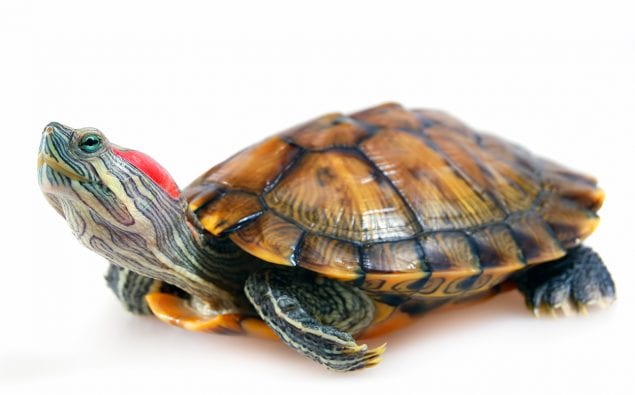
Photo of turtle.
  • 21 people infected with the outbreak strain of Salmonella Oranienburg have been reported from 13 states.
    • 7 hospitalizations have been reported. No deaths have been reported.
  • Epidemiologic and traceback evidence indicate that contact with pet turtles is the likely source of this outbreak.
    • In interviews, 12 (71%) of 17 ill people reported contact with a turtle.
  • This investigation is ongoing and CDC will provide updates when more information is available.


Research -Human gut microbes could make processed foods healthier A specific microbe can break down a chemical common in manufactured foods

Science Daily

A new study from Washington University School of Medicine in St. Louis sheds light on how human gut microbes break down processed foods — especially potentially harmful chemical changes often produced during modern food manufacturing processes.

Eating processed foods such as breads, cereals and sodas is associated with negative health effects, including insulin resistance and obesity.

Reporting Oct. 9 in the journal Cell Host & Microbe, scientists have identified a specific human gut bacterial strain that breaks down the chemical fructoselysine, and turns it into harmless byproducts. Fructoselysine is in a class of chemicals called Maillard Reaction Products, which are formed during food processing. Some of these chemicals have been linked to harmful health effects. These findings raise the prospect that it may be possible to use such knowledge of the gut microbiome to help develop healthier, more nutritious processed foods.

UK – Girl, 4, nearly dies after contracting E.coli following trip to zoo

Herald Publicist

Isla Grainger, 4, needed to be put into an induced coma in intensive care after an E.coli bug an infection induced her kidneys to fail.

She received so sick after visiting Tapnell Farm, in Yarmouth on the Isle of Wight, together with her household that her mum Lauren Aspery, 21, described her situation as a ‘matter of life and death’.

Public Well being England mentioned its investigation into the supply of the an infection is ongoing.

Research – Effect of mycotoxins on gut development

All About Feed

Mycotoxins are defined as secondary fungal metabolites, toxic to humans and animals. Worldwide, mycotoxins have a significant impact on human and animal health, economies and international trade, making feed contamination by mycotoxins an area of great concern. However, how do mycotoxins relate to the immune system? In literature, there are several reports of mycotoxins negatively effecting it.

Animal immune systems are modulated during early life due to stimulus given through diet, microbiota colonisation and gastrointestinal mucosa. To what degree, and how, can mycotoxin exposure during early life modulate the immune system of young animals?

Research – Raw Milk – Study upholds age-old belief that drinking raw milk is bad

IB Times

Some may disagree!

People these days are giving up the idea of pasteurization – the heating process used to kill harmful bacteria in milk – as it reduces several vitamins and “good” bacteria in the drink, and advocating for “raw” milk as unpasteurized milk can “heal the gut”, boost the immune system, prevent allergies, give an individual healthier skin and even contribute to bodybuilding.

Several reports in the media have created a growing demand for raw milk, but scientific evidence suggests that going for unpasteurized milk can even be more harmful as drinking raw milk comes with the risk of contracting serious and potentially lethal infections.

According to the Centre for Disease Control, at least 144 outbreaks of illness have been reportedly linked to raw milk consumption in the US between 2007 and 2016.

The UK’s Food Standards Agency (FSA) last year advised pregnant women, infants and small children, elderly people and people with compromised immune systems such as cancer patients not to consume raw milk.

Research – Bacteria trapped — and terminated — by graphene filter Laser-induced graphene to remove pathogens from the air

Science Daily

Airborne bacteria may see what looks like a comfy shag carpet on which to settle. But it’s a trap.

Rice University scientists have transformed their laser-induced graphene (LIG) into self-sterilizing filters that grab pathogens out of the air and kill them with small pulses of electricity.

The flexible filter developed by the Rice lab of chemist James Tour may be of special interest to hospitals. According to the Centers for Disease Control and Prevention, patients have a 1-in-31 chance of acquiring a potentially antibiotic-resistant infection during hospitalization.

The device described in the American Chemical Society journal ACS Nano captures bacteria, fungi, spores, prions, endotoxins and other biological contaminants carried by droplets, aerosols and particulate matter.

The filter then prevents the microbes and other contaminants from proliferating by periodically heating up to 350 degrees Celsius (662 degrees Fahrenheit), enough to obliterate pathogens and their toxic byproducts. The filter requires little power, and heats and cools within seconds.

LIG is a conductive foam of pure, atomically thin carbon sheets synthesized through heating the surface of a common polyimide sheet with an industrial laser cutter. The process discovered by Tour’s lab in 2014 has led to a range of applications for electronics, triboelectric nanogenerators, electrocatalysis, water filtration and even art.

Adapting it for use as a filter meant laser-building graphene into both sides of the polyimide, leaving a fine, three-dimensional lattice of the polymer to reinforce the graphene foam. Laser-building at different temperatures resulted in a thick forest of graphene fibers with smaller, interconnected sheets underneath.

Like all pure graphene, the foam conducts electricity. When electrified, Joule heating raises the filter’s temperature above 300 C, enough to not only kill trapped pathogens but also to decompose toxic byproducts that can feed new microorganisms and activate the human immune system.

The researchers suggested a single, custom-fit LIG filter could be efficient enough to replace the two filter beds currently required by federal standards for hospital ventilation systems.

“So many patients become infected by bacteria and their metabolic products, which for example can result in sepsis while in the hospital,” Tour said. “We need more methods to combat the airborne transfer of not just bacteria but also their downstream products, which can cause severe reactions among patients.

“Some of these products, like endotoxins, need to be exposed to temperatures of 300 degrees Celsius in order to deactivate them,” a purpose served by the LIG filter, he said. “This could significantly lessen the transfer of bacteria-generated molecules between patients, and thereby lower the ultimate costs of patient stays and lessen sickness and death from these pathogens.”

The lab tested LIG filters with a commercial vacuum filtration system, pulling air through at a rate of 10 liters per minute for 90 hours, and found that Joule heating successfully sanitized the filters of all pathogens and byproducts. Incubating used filters for an additional 130 hours revealed no subsequent bacterial growth on the heated units, unlike control LIG filters that had not been heated.

“Bacteria culturing experiments performed on a membrane downstream from the LIG filter indicated that bacteria are unable to permeate the LIG filter,” said Rice sophomore John Li, co-lead author of the paper with postdoctoral researcher Michael Stanford.

Stanford noted the sterilization feature “may reduce the frequency with which LIG filters would need to be replaced in comparison to traditional filters.”

Tour suggested LIG air filters could also find their way into commercial aircraft.

“It’s been predicted that by the year 2050, 10 million people per year will die of drug-resistant bacteria,” he said. “The world has long needed some approach to mitigate the airborne transfer of pathogens and their related deleterious products. This LIG air filter could be an important piece in that defense.”


Research – Anti‐listeria activity and shelf life extension effects of Lactobacillus along with garlic extract in ground beef

Wiley Online

The current study investigates the effect of Lactobacillus reuteri and Lactobacillus plantarum combined with water extract of garlic on microbial growth, chemical changes, and sensory attributes in ground beef samples at refrigeration condition (+4°C) up to 12 days of storage. in vitro study revealed that garlic extract combined with L. reuteri or L. plantarum caused 2.13 and 2.57 log reduction in the Listeria monocytogenes count, respectively. Combination of L. plantarum and 1% garlic extract significantly (p < .05) reduced aerobic mesophilic bacteria (1.64 log cycle) and L. monocytogenes (1.44 log cycle) counts in ground beef. Lipid oxidation was also significantly (p < .05) lower in samples treated with L. plantarum plus garlic extract (1%). Furthermore, higher sensory scores were received by samples treated with Lactobacillus plus garlic extract. In conclusion, the combination of L. plantarum and garlic extract was found to be suitable to use in ground beef by controlling the L. monocytogenes growth and increasing its shelf life.

Practical Applications

Garlic extract not only has an antimicrobial activity but also has a stimulatory effect on the Lactobacillus spp. growth. On the other hand, some Lactobacillus strains can inhibit pathogenic bacteria. Then, the combination of Lactobacillus and garlic extract may be used to produce new bio‐preserved and functional meat products. The current study indicated the potential of Lactobacillus combined with garlic extract to control microbial and chemical changes in ground beef. The combination of Lactobacillus plantarum and garlic extract significantly (p < .05) reduced Listeria monocytogenes counts and lipid oxidation rates and improved the sensory scores in ground beef.

Research – The effect of sucrose-induced osmotic stress on the sensitivity of Escherichia coli to bacteriocins

NRC Research Press

ABSTRACT

Bacteriocins are antimicrobial peptides, produced by Gram-positive bacteria such as lactococci and staphylococci, that have limited bactericidal action against Gram-negative bacteria. The aim of this paper was to study the sensitivity of three strains of Escherichia coli to bacteriocins: nisin (as Nisaplin®) and two staphylococcal peptides (warnerin and hominin) during sucrose-induced osmotic stress. We found that all peptides in a 0.3 g·mL−1 sucrose solution significantly reduced the number of viable E. coli. The most pronounced antibacterial effect was achieved by nisin against E. coli K-12 (3 log reduction). Slightly less bactericidal effects were observed with warnerin (1 mg·mL−1) and hominin (1 mg·mL−1) in sucrose solution. The lytic activity of staphylococcal peptides was detected by decreased optical density and viable cell counts. Moreover, it was confirmed by the increased amount of DNA and protein in the medium and the morphological changes detected by atomic force microscopy after 20 h of treatment. Zymographic analysis revealed the release of lytic enzymes from E. coli cells after treatment with staphylococcal peptides and sucrose. These results indicated that the antimicrobial action of peptides can be extended to Gram-negative bacteria via combination with high concentrations of sucrose.

Research – Weak spot in pathogenic bacteria

Science Daily mrsa

Antibiotics are still the most important weapon for combatting bacterial infections. But medical science is running out of “ammunition” because of more and more frequently occurring resistances. Scientists from the Technical University of Munich and the Max Planck Institute of Molecular Physiology has now elucidated the structure of the proteolytic complex ClpX-ClpP. This is a key to development of innovative antibiotics which target the degradation process of defective proteins in bacteria.

Almost 700,000 people in Europe suffer from infections every year through antibiotic-resistant pathogens; approximately 33,000 of them die. Despite this enormous and globally increasing danger, very few new antibiotics have been developed and approved in the past few decades.

There is no improvement in sight. That is why it is urgently necessary to find new points of attack in pathogenic bacteria and to develop new antibiotics which exploit these weak spots.

New mechanism of action destroys bacteria

A particularly promising point of attack for antibacterial therapies is the proteolytic enzyme ClpP: on the one hand it plays an important role in bacterial metabolism, and on the other hand it ensures the controlled degradation of defective proteins.

But for this purpose it requires the ClpX protein as a starting aid. In the complex with ClpP, ClpX identifies proteins which should be degraded, unfurls them and guides them into its barrel-like degradation chamber.

Scientists in the groups led by Prof. Stephan Sieber, Technical University of Munich (TUM) and Prof. Stefan Raunser, Director at the Max Planck Institute of Molecular Physiology in Dortmund, have now elucidated the three-dimensional structure of the ClpX-ClpP proteolytic complex for the first time and thereby established an important basis for future pharmacological strategies.

A new class of potential antibiotics — the so-called acyldepsipeptide (ADEP) antibiotics — also brings about an uncontrolled degradation through ClpP without the support of ClpX. As a result also vital proteins are destroyed — with lethal consequences for the bacteria.

This unique mechanism of action has considerable innovation potential in the fight against pathogenic bacteria. Whereas common antibiotics act through the inhibition of vital processes, in this case the antibacterial effect is achieved through the activation of a process.

RASFF Alert – Animal Feed – Aflatoxin – Peanuts

RASFF-Logo

RASFF – aflatoxins (B1 = 91 µg/kg – ppb) in peanuts without shell from the United States in the Netherlands