Category Archives: Microbiological Risk Assessment

Research – Exploring Listeria monocytogenes perceptions in small and medium sized food manufacturers: technical leaders’ perceptions of risk, control and responsibility

Science Direct

Due to its ability to colonise, grow and form in niches in food manufacturing environments, the management of Listeria monocytogenes can be complex, particularly for food manufacturing small and medium sized enterprises (SMEs). In addition to an effective food safety management system, the perceptions of risk, control and responsibility within a food manufacturing business are important influential factors associated with the management of L. monocytogenes. Research exploring managerial perspectives of L. monocytogenes in food manufacturer SMEs is lacking. Consequently, this study conducted in-depth interviews (n=10) with technical leaders from food manufacturing SMEs to ascertain factors that may influence listeria management, such as factors associated with cultural dimensions. Perceived risks associated with L. monocytogenes were related to business reputation and consumer health impacts, but such events were perceived to be unlikely. Technical leaders reported having clearly defined and well executed processes to ensure food safety; but for some, L. monocytogenes, as a single pathogen was seldom considered. Despite acknowledging that “everyone” had responsibility for ensuring control of the pathogen, technical leaders indicated that the ‘people’ attributes associated with organisational culture were difficult factors to control and manage. Trust in staff ability to assure food safety was widely discussed, with technical leaders acknowledging that food handlers may not necessarily have specific knowledge regarding L. monocytogenes. Some technical leaders perceived themselves as having the greatest levels of responsibility for L. monocytogenes. Overall, technical leaders perceived a medium level of risk, with high levels of control and high levels of responsibility for L. monocytogenes. Optimistic bias, illusion of invulnerability, illusion of control, and perceived attribution of responsibility are discussed, which may hinder implementation of effective listeria management in SME food manufacturing businesses. Consideration of specific pathogen risks in food manufacture in relation to food safety cultural dimensions may assist development of highly targeted and effective interventions.

USA – Raw Milk Debate Returns To The Legislature

MTPR

HELENA — A bill gaining momentum at the Legislature would allow Montanans to sell food from their homes directly to consumers without any government oversight. It would also legalize the direct sale of raw milk.

Senate Bill 199, or the Montana Local Food Choice Act, includes a section that would make it possible for owners of small dairy herds to sell unpasteurized milk, a proposal that drew its own set of opponents with concerns about the risk of foodborne illness.

Research – Rapid Testing and Interventions to Control Legionella Proliferation following a Legionnaires’ Disease Outbreak Associated with Cooling Towers

MDPI

Legionella_Plate_01

Most literature to date on the use of rapid Legionella tests have compared different sampling and analytical techniques, with few studies on real-world experiences using such methods. Rapid tests offer a significantly shorter feedback loop on the effectiveness of the controls. This study involved a complex of five factories, three of which had a history of Legionella contamination in their cooling water distribution system. Multiple sampling locations were utilised to take monthly water samples over 39 months to analyse for Legionella by both culture and quantitative polymerase chain reaction (qPCR). Routine monitoring gave no positive Legionella results by culture (n = 330); however, samples were frequently (68%) positive by qPCR for Legionella spp. (n = 1564). Legionella spp. qPCR assay was thus found to be a good indicator of cooling tower system health and suitable as a routine monitoring tool. An in-house qPCR limit of 5000 genomic units (GU)/L Legionella spp. was established to trigger investigation and remedial action. This approach facilitated swift remedial action to prevent Legionella proliferation to levels that may represent a public health risk. Cooling tower operators may have to set their own action levels for their own systems; however, in this study, 5000 GU/L was deemed appropriate and pragmatic. View Full-Text

Research – Microbiological contamination of ready to eat algae and evaluation of Bacillus cereus behavior by microbiological challenge test

Journal of Food Protection

Consumption of seaweeds, often categorized as a superfood, is becoming popular in western countries. Algae can be marketed fresh, but are usually sold dehydrated to ensure longer shelf life. The consumption, often as ready to eat, open up possible risks for public health because of foodborne pathogens that can contaminate the raw material during harvesting or manipulation. In this study, fourteen ready to eat foods based on dehydrated algae, representative of the most consumed species, were considered. The microbial content, with a focus on Listeria monocytogenes and Bacillus cereus, was investigated by plate counts and B. cereus strains were isolated and identified by 16s rRNA gene sequencing. The microbiological quality was heterogeneous among the samples and, in particular, marine bacteria, Listeria spp., B. cereus and coliforms were detected. To contribute to related risk assessment, the ability of B. cereus to grow during refrigerated storage was evaluated, to our knowledge for the first time, by a microbiological challenge test on two ready to eat foods based on Undaria pinnatifida and Palmaria palmata.  Despite this study demonstrating the inability of B. cereus to proliferate in seaweed-based food, its presence in dehydrated foodstuffs cannot rule out the replication after rehydration before consumption, making it necessary to shed light on the possible risks for consumers.

USA – Marler renews call for declaring ‘outbreak serotypes’ of Salmonella as adulterants in meat and poultry

Food Safety News

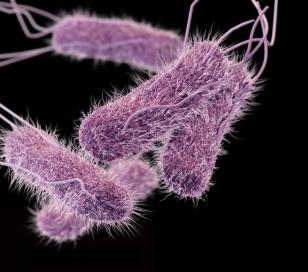
Salmonellaa

Image CDC

Food safety attorney Bill Marler wants to know what’s up with his petition calling on the USDA to declare specific “outbreak serotypes” of Salmonella as adulterants in meat.

He filed the petition more than a year ago, on Jan. 19, 2020, with USDA’s Food Safety and Inspection Service (FSIS), on behalf of Rick Schiller, Steven Romes, the Porter family, Food & Water Watch, Consumer Federation of America, and Consumer Reports.

The petition asks FSIS to declare the following Salmonella “outbreak serotypes” as per se contaminants in meat and poultry products:

Salmonella Agona, Anatum, Berta, Blockely, Braenderup, Derby, Dublin, Enteritidis, Hadar, Heidelberg, I 4,[5],12:i:-, Infantis, Javiana, Litchfield, Mbandaka, Mississippi, Montevideo, Muenchen, Newport, Oranienburg, Panama, Poona, Reading, Saintpaul, Sandiego, Schwarzengrund, Senftenberg, Stanley, Thompson, Typhi, and Typhimurium.

Switzerland – Early detection for food safety

FSVO

In order to ensure long-term food safety and prevent fraud, the FSVO identifies emerging health hazards for Swiss consumers. Recognizing these dangers early enough allows you to take the right action at the right time.

Early detection for food safety

Current

FSVO compiles the most important food safety information every month

Monitoring developments in the field of food safety is an indispensable task of early detection. This is why the FSVO summarizes and evaluates the essentials in the Seismo Info. The publication is communicated via newsletter.

Early detection for food safety aims to identify and assess the potential dangers that food and utility articles could represent for the health of consumers.

FSVO considers different types of dangers:

  • microbiological hazards, fraud and deception in foods
  • chemical hazards in food and utility articles
  • the dangers of nutrition

USA – Waterborne Disease Outbreak Investigation Toolkit

CDC

The Waterborne Disease Outbreak Investigation Toolkit is a guide to assist state and local health departments in conducting waterborne disease outbreak investigations. CDC developed this toolkit to help partners address the unique challenges they face when investigating waterborne disease outbreaks. Because of the numerous ways in which water impacts every person’s daily lives, timely detection, response, and control of these outbreaks is crucial to protect public health.

Using experiences of epidemiologists at the state and local levels, this toolkit describes best practices in preparing for, identifying, and remediating a waterborne disease outbreak.

For outbreaks related to recreational water, visit CDC’s Recreational Water Illness Outbreak Response Tools page.

CDC is available to assist local, state, territorial, and tribal health departments—as well other countries’ ministries of health—with investigating and controlling waterborne disease outbreaks.

How to Use the Toolkit

All of the toolkit content can be found by navigating through this website. It is also available as a PDF document pdf icon[PDF – 36 pages].

Research – Microbial Safety of Smoothie Drinks from Fresh Bars Collected in Slovakia

MDPI

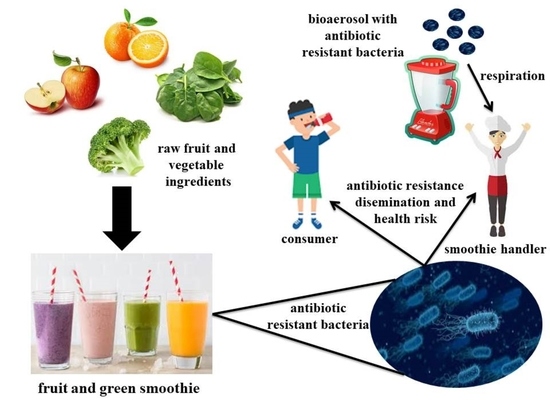
Among the many consumers in Slovakia, smoothies are nowadays gaining popularity. Smoothie drinks are prepared from raw fruits and vegetables. Therefore, their microbiological safety depends on hygiene standards. The aim of this work was to monitor and quantify selected sensitive and antibiotic-resistant microorganisms present in collected smoothies. Twenty analyzed smoothie samples were collected from six food service establishments (fresh bars) in the capital city of Slovakia, Bratislava. Antibiotic-resistant bacteria were found in at least one of each fresh bar. Antibiotic-resistant coliform bacteria prevailed, especially in green smoothies or juices containing more vegetable ingredients. Resistance to ampicillin, ciprofloxacin, tetracycline, chloramphenicol, and gentamicin was observed in the case of coliform bacteria. More than half of the smoothie drink samples did not contain resistant enterococci. On the other hand, vancomycin-resistant enterococci were detected in 20% of samples. The most frequently isolated antibiotic-resistant strains belonged to the Enterobacter spp. or Klebsiella spp. genus. In the last part of the work, the pretreatment effect of smoothie components on the selected microorganisms’ counts in the final product was investigated. Washing ingredients with an aqueous solution of a biocide agent containing silver and hydrogen peroxide proved to be the most effective way to decrease bacterial counts. View Full-Text

Germany -Dried mint leaves – Salmonella

LMW

Warning type:Food
Date of first publication:03/04/2021
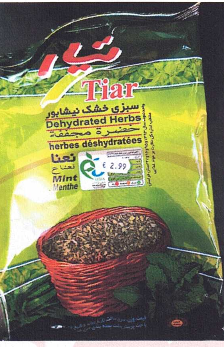
Product name:dried mint leaves
Product pictures:

Product picture.PNG

Customer notice

Manufacturer (distributor):Adalat Berlin (Germany)
Reason for warning:

Salmonella

Packaging Unit:Box with 7 packs of 180g each
Durability:09/24/2022
Further information:

Salmonella
A salmonella disease manifests itself within a few days after infection with diarrhea, abdominal pain and occasionally vomiting and a slight fever. The symptoms usually subside on their own after several days. Infants, toddlers, the elderly and people with a weakened immune system in particular can develop more severe disease processes. People who have eaten this food and develop severe or persistent symptoms should seek medical attention and advise them of a possible salmonella infection.
Seeking preventive medical treatment without symptoms does not make sense.

Contact to the responsible authorities:
Berlin:poststelle@senjustva.berlin.de
Press releases and information
title Attachment or web link
Customer notice

Research – Persistence of Leptospira borgpetersenii Serovar Hardjo in Refrigerated Raw Milk: A Transmission Risk of Leptospirosis to Humans

MDPI

Leptospira borgpetersenii serovar Hardjo (LH) is an important infectious agent of reproduction pathologies and lactation decline in cattle, with a possible zoonotic role. To figure out the potential zoonotic risk for human raw-milk consumption, the present study aims at assessing the persistence and viability of LH in refrigerated raw milk over a 10-day period, which is set as the maximum time range for raw-milk domestic consumption. A negative sample of fresh raw milk was contaminated with an LH strain (2 × 10⁸ Leptospires/mL) and analyzed by a rrs (16S) gene targeting real-time PCR (rPCR) protocol for LH DNA at days 1, 2, 3, 6, 7, 9, and 10. Seven aliquots of the same sampling time were inoculated into a semisolid EMJH media for bacterial culture. All aliquots tested positive in both rPCR and culture, which demonstrates that raw milk does not alter the detectability and viability of LH, respectively. The analytical sensitivity (LoD, limit of detection) determined for the rPCR (103 Leptospires/mL) was repeatable during the study, whereas it gradually decreased when it came to the bacterial culture. This study demonstrates that bovine raw milk might be a potential vehicle of infection by LH, even when storage conditions are strictly respected. View Full-Text