Category Archives: microbial contamination

Research – Pathogens removed from cows’ drinking water

Dairy Global

Successful trials to remove potentially harmful pathogens, Clostridium perfringens, from drinking water given to cows have received funding for further research after first trials found it increased calf health and size and reduced the need for antibiotic treatment.

“The trials show great promise for the agricultural sector in the UK with potential for farmers to deliver healthier calves with a reduced requirement for antibiotic treatment and ultimately higher yields and increased profitability from their dairy herd,” said Ian Tremain, agriculture innovation manager at Bridgwater & Taunton College.

WET Group, which supplied the technology used to clean the borehole water commonly mixed with artificial nutrition feed and then fed to cows, worked with the Agriculture Innovation Centre at Bridgwater & Taunton College on the year-long trial on cows, and has decided to fund further trials in order to expand on initial findings. The final phase of the trials, which will see the introduction of WET Group’s upgraded mineral enhanced Guided Enhanced Membrane (GEM) system is due to commence in October 2019.

Research – Effect of Tartary Buckwheat Peptides on Shelf Life of Tilapia (Oreochromis niloticus) Fillets

Journal of Food Protection

ABSTRACT

Tartary buckwheat peptides (TBPs), produced from tartary buckwheat through solid-state fermentation, were used as a dip treatment solution to preserve tilapia fillets. Fillets were dip treated with different concentrations of TBPs (0.5, 1, and 2% [v/v]) and stored at 4°C for 12 days. The effect of TBPs on thiobarbituric acid, total volatile base nitrogen, surface color, texture profile analysis, total viable counts, and changes in sensory properties of tilapia fillets during storage was investigated. Compared with the control group, the groups treated with TBPs displayed reduced rates of quality deterioration in physicochemical, bacteriological, and sensory characteristics. Based on total volatile base nitrogen content, total viable counts, and sensory scores, the shelf life of control tilapia fillets was 4 days and that for TBP-treated fillets was 8 days, twice as long as that of the control group. Thus, TBPs can be used as preservatives to maintain the quality and extend the shelf life of tilapia fillets stored at 4°C.

USA – 32 Sick and 1 Dead in Legionnaires Outbreak Linked to Mountain State Fair

Outbreak News Today

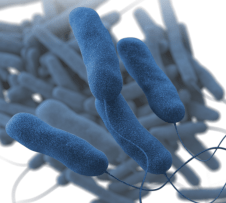
CDC legionella

Image CDC

The North Carolina Department of Health and Human Services has announced an outbreak of Legionnaires’ disease potentially linked to the Mountain State Fair in North Carolina. As of today, there are 32 confirmed illnesses and one person has died. According to the health agents, “The source of the outbreak is under investigation. Many of the cases reported attending the NC Mountain State Fair, held September 6-15, 2019 in Fletcher, NC.” The investigation in ongoing.

As Legionnaires’ disease is typically transmitted through contaminated water sources, the health agencies are investigating any rides that may have water. “Features, exhibits, and rides that incorporated some type of water exposure that created droplets which came in contact with visitors will be our focus,” Steven Smith, Henderson County’s Director of Health.

RASFF Alerts – Animal Feed – Aflatoxin – Peanuts – Sunflower Seeds

RASFF-Logo

RASFF – aflatoxins (B1 = 33.6 µg/kg – ppb) in peanuts from the United States in the UK

RASFF – aflatoxins (B1 = 34.7 µg/kg – ppb) in sunflower seeds from France in Belgium

RASFF Alerts – Animal Feed – Moulds – Dried Beet Pulp

RASFF-Logo

RASFF – dried beet pulp from Ukraine infested with moulds in Poland

RASFF Alerts – Animal Feed – Salmonella – Rapeseed Meal – Soya Bean Meal – Fish Meal – Sunflower Seed Meal

RASFF-Logo

RASFF – Salmonella enterica ser. Senftenberg (presence /25g) in rapeseed meal from Ukraine in Poland

RASFF – Salmonella enterica ser. Agona (presence /25g) in soy bean meal from Spain in Belgium

RASFF – Salmonella group E4 (presence /25g) in post-extracted rapeseed meal from Ukraine

RASFF – Salmonella (presence /25g) in rapeseed meal from Ukraine in Poland

RASFF – Salmonella (presence /25g) in rapeseed meal from Ukraine in Poland

RASFF – Salmonella enterica ser. Mbandaka (present /25g) in soybean meal from Brazil and Paraguay in Belgium

RASFF – Salmonella enterica ser. Montevideo (presence /25g) in fish meal from the United States in Greece

RASFF – Salmonella enterica ser. Senftenberg (presence /25g) in soybean meal from the Netherlands in Germany

RASFF – Salmonella enterica ser. Senftenberg (presence /25g) in sunflower seed meal from the Netherlands in Belgium

Research – Control of pathogens in fresh pork sausage by inclusion of Lactobacillus sakei BAS0117

Canadian Journal of Microbiology

ABSTRACT

A pork sausage was produced with low sodium content (1.64%) to which Lactobacillus sakei was added with the aim of developing a meat pork sausage for cooking and having technological, organoleptic, and hygienic advantages. The lactic acid bacteria (LAB) L. sakei, Lactococcus sp., and Pediococcus pentosaceus were submitted to extreme pH, temperature, and NaCl conditions. Lactobacillus sakei was used in pork sausage because of its resistance to different culture conditions and its antimicrobial potential. The food-borne pathogens Listeria monocytogenes Scott A, Enterococcus faecalis, and Staphylococcus aureus were used as indicator microorganisms to evaluate the antimicrobial activity of selected LAB strains. Salmonella enterica serotype Choleraesuis is a common pathogen of pigs. To the raw sausage product containing L. sakei and nonpathogenic endogenous microbiota, we added about >104 and <105 CFU/g of S. enterica serotype Choleraesuis to evaluate the inhibitory potential of L. sakei towards this pathogen. Salmonella Choleraesuis was inhibited in the presence of L. sakei over 7 days of storage of the meat product (about 3.0 log cycles reduction). Lactobacillus sakei significantly increased inhibition when compared with the nonfermented sausage. Thus, L. sakei BAS0117 played an important role as an additional hurdle in the fermented meat pork sausage during storage.

USA – TDBBS Voluntarily Recalls Pig Ear Pet Treats No Illnesses Reported; Strictly Precautionary – Salmonella

FDA

Company Announcement

Below is a company statement from TDBBS regarding a limited voluntary recall:

“As a strictly precautionary measure and because of our company’s strong commitment to the health and well-being of pets, TDBBS is conducting a voluntary recall of a limited distribution of two pig ear pet treat products sold through Amazon.com – USA Thick Pig Ear 8 Pack and USA Thick Pig Ear 20 Pack.

“This recall has been initiated due to possible Salmonella contamination, which poses a health risk. It is important to know that no illnesses have been reported, and the amount of affected product is minimal.

“TDBBS treats and chews are produced to robust safety and quality standards, using the most advanced food safety protocols. Our team is committed to doing its part to caring for the pets who enjoy our products. We regret the concern and inconvenience this recall creates for our customers.

“Our company has ceased the production and distribution of this product as we, in cooperation with the FDA, continue to investigate the situation further. TDBBS’s product safety team is conducting its own stringent review to identify what measures can be established to prevent this situation from recurring.

“Our safety teams have been rigorously testing our products and raw materials, working with independent testing firms and conducting an internal investigation within our supply chain to determine how this situation occurred. Nevertheless, we believe it is appropriate out of an abundance of caution to conduct this voluntary recall in cooperation with our customer.”

TDBBS provided the following information about specific products recalled:

This recall is the result of routine sampling conducted by the Michigan Department of Agriculture & Rural Development. The sample bag tested positive for Salmonella. Salmonella can affect animals eating the products, and there is risk to humans from handling contaminated pet products, especially if they have not thoroughly washed their hands after having contact with the products or surfaces exposed to these products.

This product was shipped to customers between April 22, 2019, and August 13, 2019.  Customers should dispose of any USA Thick Pig Ear 8 Pack and USA Thick Pig Ear 20 Pack from these shipments.

TDBBS, LLC USA Thick Pig Ear 8 Pack TDBBS, LLC USA Thick Pig Ear 20 Pack
UPC: X001768PNB UPC: X000RBC5VF
Best By Date: 4/22/2021 Lot Code: 1129T1 Best By Date: 4/22/2021 Lot Code: 1129T1
Best By Date: 6/06/2021 Lot Code: 1549T1 Best By Date: 5/13/2021 Lot Code: 1339T1
Best By Date: 8/05/2021 Lot Code: 2179T1

Healthy people infected with Salmonella should monitor themselves for some or all the following symptoms: nausea, vomiting, diarrhea or bloody diarrhea, abdominal cramping and fever. Rarely, Salmonella can result in more serious ailments, including arterial infections, endocarditis, arthritis, muscle pain, eye irritation, and urinary tract symptoms. Consumers exhibiting these signs after having contact with this product or a pet that has eaten the product should contact their healthcare providers.

Pets with Salmonella infections may be lethargic and have diarrhea or bloody diarrhea, fever, and vomiting. Some pets will have only decreased appetite, fever and abdominal pain. Infected but otherwise healthy pets can be carriers and infect other animals or humans. If your pet has consumed the recalled product and has these symptoms, please contact your veterinarian.

All UPCs, Best By Dates and Lot Codes are located on the package back. Pictures of product labels are below.

Consumers may contact customer service at 877-483-5853, Monday to Friday 9-5pm or email TDBBS at customerservice@tdbbsllc.com.


Company Contact Information

Consumers:
 877-483-5853
 customerservice@tdbbsllc.com

Product Photos

USA – Gramco, Inc. Recalls Hog Grower Pellets because of Elevated Vomitoxin Levels

FDA

Company Announcement

Gramco, Inc. of Springville, New York is recalling bags of Hog Grower Pellets because it contains levels of vomitoxin (a mycotoxin) that could be harmful to swine growth and potentially fatal to young swine.

This product has a lot number of 47284 and it was produced on July 8, 2019. The FDA tested a product sample and has determined that the levels of vomitoxin in this lot exceeds its guidelines for swine feed. The FDA notified us of the results and that they were considered too high for swine feed and we took action as soon we learned of it. This product was sold to a retailer in the Bradford, Pa. area and other than that, it was sold to end-users who either had it delivered to their farms for use or picked it up at the plant for use at home. At this point, we have not had any complaints of animal refusal for intake, nor have we had any complaints of animal health issues or worse.

The product in question all went into 50 pound bags that would have the Gramco, Inc. logo on them.

Vomitoxin (Deoxynivalenol) is known to cause vomiting (emesis), ulcer in the mouth, feed refusal, and decreased body weight gain in swine of all age classes. Swine exposure to elevated levels of vomitoxin in feed for extended period may lead to intestinal and liver damages, kidney failure, immune system failure, and eventually death.

Working with the FDA, we are instituting a revised testing program to help prevent this in the future. We look forward to working with you and we apologize for any inconveniences brought on by this incident.

If you have any of these bags left please do not feed them and please contact John Wallace at 716-592-2845 between the hours of 7 a.m. and 5 p.m. Monday thru Friday.

Here is a copy of the tag that would be on the bags with a rubber date stamp of July 8th, 2019 near the top.


Company Contact Information

Consumers:
John Wallace
 716-592-2845

Product Photos

Canada – Gripe Water products recalled over microbial contamination

CTV News

Gripe Water

TORONTO — Products sold at major Canadian retailers to treat symptoms of upset stomachs and other gastrointestinal issues in babies have been recalled.

Health Canada announced the recall Saturday, saying that tests by the products’ manufacturer showed microbial contamination.

The recalled product is sold as Gripe Water and advertised as being alcohol- and preservative-free. According to Health Canada, it is marketed as a “gentle antacid for quick relief of baby’s minor stomach upsets such as colic, cramps, gas, sour stomach, and hiccups especially during teething.”