Category Archives: Food Virus

Coronavirus and Food ?

FSAI 

Image result for coronavirus cdc

Coronavirus and Food Safety

What is Coronavirus?

Coronaviruses are a large family of viruses that usually cause respiratory illness. They include viruses that cause the common cold and seasonal flu, as well as more serious illnesses like Severe Acute Respiratory Syndrome (SARS) and Middle East Respiratory Syndrome (MERS).

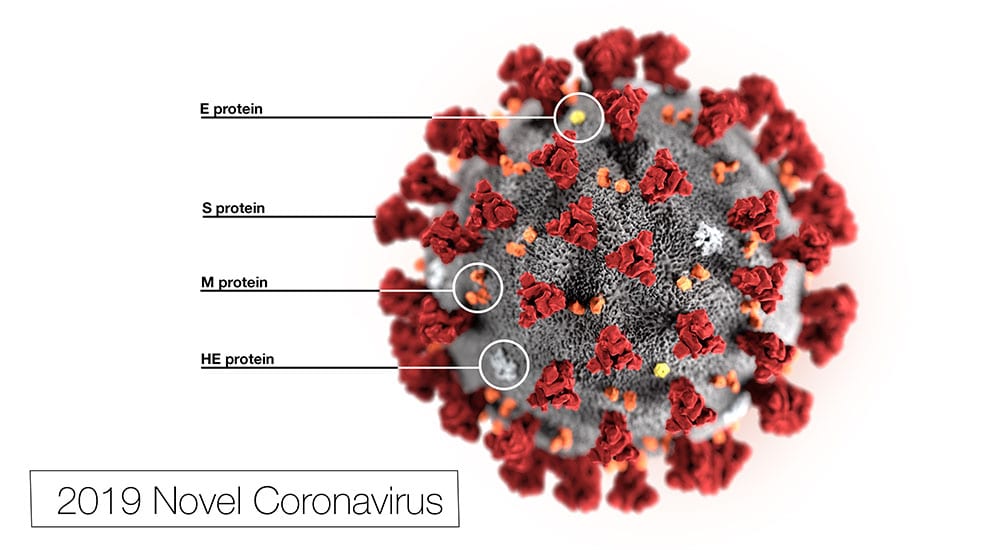
A novel coronavirus (nCoV) is a new strain that has not been previously identified in humans. The 2019 Coronavirus is referred to as a novel coronavirus.

What are the symptoms?

Signs of infection include high fever (>38ºC) together with one or more respiratory symptoms like coughing, shortness of breath and breathing difficulties.

Can the virus be passed on through food?

Experience with SARS and MERS suggest that people are not infected with the virus through food. So, it is unlikely the virus is passed on through food and there is no evidence yet of this happening with the 2019 Coronavirus.

Coronaviruses need a host (animal or human) to grow in and cannot grow in food. Thorough cooking is expected to kill the virus because we know with SARS that a heat treatment of at least 30min at 60ºC is effective.

Coronaviruses are most commonly passed between animals and people and from person to person. The source of the 2019 virus is believed to be animals, but the exact source is not yet known.

The virus is commonly passed on through direct mucus membrane contact by infectious droplets e.g breathing in airborne virus from the sneeze of someone who is infected.

Investigations in China are continuing to identify the source of the outbreak and ways it can be passed on to people.

What can food workers do?

It is possible that infected food workers could introduce virus to the food they are working on by coughing and sneezing, or through hand contact, unless they strictly follow good personal hygiene practices.

The World Health Organisation (WHO) advises that standard recommendations to reduce exposure to and transmission of a range of illnesses are maintained. These include:

  • proper hand hygiene
  • cough/cold hygiene practices
  • safe food practices
  • avoiding close contact, when possible, with anyone showing symptoms of respiratory illness such as coughing and sneezing

Food workers must wash hands:

  • before starting work
  • before handling cooked or ready-to-eat food
  • after handling or preparing raw food
  • after handling waste
  • after cleaning duties
  • after using the toilet
  • after blowing nose, sneezing or coughing
  • after eating drinking or smoking
  • after handling money

Get more information on proper hand washing and use of gloves

Good hygiene and cleaning are also important to avoid cross contamination between raw or undercooked foods and cooked or ready to eat foods in the kitchen.

As an added precaution, if you work with food and have suspected symptoms of respiratory illness, you should inform your employer, avoid preparing food for other people and seek medical attention.

What can food business owners/managers do?

Employers have an important role to play in preventing foodborne illness. They should:

  • ensure that staff are aware of the 2019 Coronavirus situation
  • ensure that staff are trained appropriately in food hygiene
  • ensure effective supervision of staff to reinforce hygienic practices
  • provide the correct facilities e.g. hand washing, toilets, to enable staff to practice good hygiene
  • ensure staff and contractors report any physical signs/symptoms, before commencing work or while in the workplace.
  • keep vigilant and ensure that staff are not ill and are fit to work

Employers can use this fitness to work form to assess staff who they believe are ill.


USA – Norovirus Outbreak tied to L’Auberge Casino Resort Lake Charles

Food Poison Journal

Food Borne Illness - Norovirus -CDC Photo

Image CDC

The Louisiana Office of Public Health is investigating an outbreak of norovirus in the Lake Charles area that appears to be spreading in the Calcasieu and Vernon Parishes.

The CDC and state health officials say norovirus is a highly contagious type of gastrointestinal illness, or stomach virus, that is spread easily from person to person. Illness caused by norovirus is often mistakenly called “stomach flu.” However, norovirus is not related to influenza.

USA – Caribbean Princess outbreak: Case count tops 350, Causative agent still not known

Outbreak News Today

In an update on the outbreak on Princess Cruises’ Caribbean Princessthe Centers for Disease Control and Prevention (CDC) has reported an increase in cases since yesterday’s update.

As of Feb. 11, 345 of the 3035 passengers on the voyage, or 11.4 percent of the total and 26 of the 1161 crew members have been sickened in the outbreak.

To date, officials have not determined the causative agent.

USA -Hepatitis A Exposure at Old Mill Tavern in Homosassa, FL

Food Poisoning Bulletin

A food service worker at Old Mill Tavern in Homosassa, Florida has been diagnosed with hepatitis A, according to the Florida Department of Health in Citrus County (DOH-Citrus). That person worked at that restaurant, located at 10465 West Yulee Drive in Homosassa, from January 19 through February 3, 2020.

It’s too late for anyone who ate at the Old Mill Tavern before January 27, 2020 to get vaccinated against the virus, since the vaccines are effective if given within two weeks of exposure. Those people should contact their doctors, and watch for the symptoms of hepatitis A.

A hepatitis A or immune globulin vaccination is recommended for anyone who ate or drank at this restaurant between January 28 through February 3, 2020. If you have had the vaccine or have had a hepatitis A infection in the past your are considered immune and do not have to take action.

Cruise Ship – Cruise ship outbreak: 190 sickened onboard Princess Cruises’ Caribbean Princess

Outbreak News Today

Federal health officials report investigating a gastrointestinal disease outbreak on a Princess Cruises’ Caribbean Princess February 2–16, 2020 voyage.

To date, 190 passengers and crew have experienced symptoms of vomiting and diarrhea. The exact etiology of the outbreak has not been determined.

USA – Hepatitis A Outbreak tied to Long Beach 555 East American Steakhouse

Food Poison Journal

The Long Beach Department of Health and Human Services (Health Department) is investigating an outbreak of hepatitis A associated with 555 East American Steakhouse in downtown Long Beach. Several cases of hepatitis A have been confirmed in individuals who ate at the restaurant on or around December 24, 2019. Those who ate there during that time may have been exposed. The source of the illness is still under investigation, and the restaurant’s management and staff are fully cooperating with Health Department officials to prevent further illness. The restaurant does not pose an ongoing risk to the public at this time.

Research -How Do You Know If You Have a Hepatitis A Infection?

Food Poisoning Bulletin

Hepatitis A is a very contagious virus that can cause serious illness and death. In recent years, a huge hepatitis A outbreak in the United States has been ongoing since 2016. According to the Centers for Disease Control and Prevention (CDC), more than 30,000 people have. even sickened, almost 19,000 patients have been hospitalized, and more than 300 people have died. How do you know if you have a hepatitis A infection?

Hepatitis A can spread in food establishments through infected food handlers.

Click to access ABCTable.pdf

Link to CDC Information

Click to access ABCTable.pdf

UK – Nearly 200 ill in UK after eating oysters – No Recalls?

Food Safety News

Almost 200 people have fallen ill after eating oysters in the United Kingdom in recent months.

Since November 2019 there have been at least 180 reported cases of gastroenteritis associated with oyster consumption linked to multiple food outlets and oyster producers.

A Public Health England spokeswoman told Food Safety News that norovirus had been identified as the cause of a number of these outbreaks.

“Public Health England is working with the Food Standards Agency and Food Standards Scotland, and affected local authorities, to investigate outbreaks of gastrointestinal illness reported since November 2019 associated with consumption of oysters.”

Officials say there is no connection to the norovirus outbreaks from oysters in Europe. In Sweden, 70 people fell sick after eating oysters, some of which came from domestic production and others from France.

RASFF Alert – Norovirus – Live Oysters

RASFF-Logo

RASFF – norovirus (GII /2g) in live oysters from France in Italy

RASFF – norovirus (GI, GII /2g) in live oysters from France in Italy

RASFF – norovirus (GI and GII /g) in live oysters (Crassostrea Gigas) from France in Italy

RASFF Alert- Foodborne Outbreak suspected (norovirus) – Live Oysters

RASFF-Logo

RASFF – foodborne outbreak suspected (norovirus) to be caused by live oysters from France in the Netherlands