
Coop is recalling Änglamark Wheat Tortillas 240 grams with three different best before dates. The reason for the recall is that the product may contain mold.
https://news.cision.com/se/coop/r/coop-aterkallar-anglamark-vetetortillas-240-gram,c3636822

Coop is recalling Änglamark Wheat Tortillas 240 grams with three different best before dates. The reason for the recall is that the product may contain mold.
https://news.cision.com/se/coop/r/coop-aterkallar-anglamark-vetetortillas-240-gram,c3636822
TT TAVUK SPECIAL 1000g

Manufactured for: Sivas GmbH Arnold-Dehnen-Strasse 44 47138 Duisburg Tel.: 0203 / 41711301 Fax: 0203 / 41711311 sivas-gmbh@gmx.de
Listeria contamination
Posted in food contamination, food handler, Food Hazard, Food Hygiene, Food Inspections, Food Micro Blog, Food Microbiology, Food Microbiology Blog, Food Microbiology Testing, Food Pathogen, food recall, Food Safety, Food Safety Alert, Food Safety Management, Food Testing, Listeria, Listeria monocytogenes
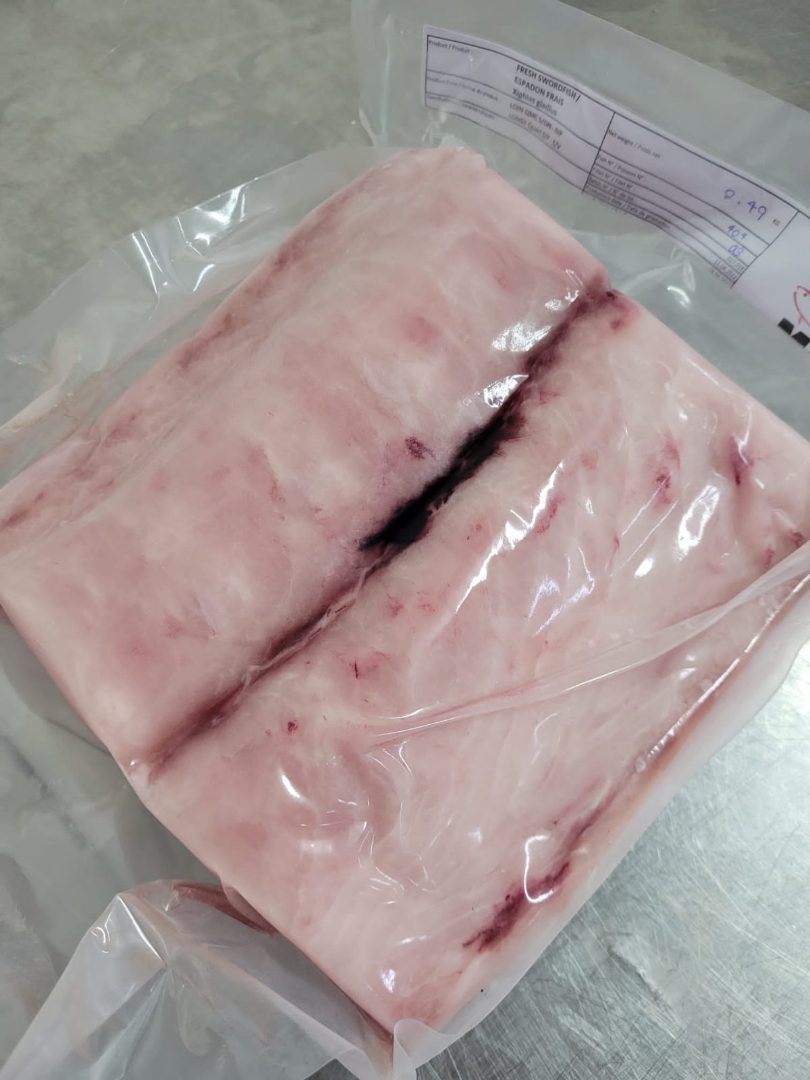
| GTIN | Batch | |
|---|---|---|
| 1111111111111111 | sold in the seafood and self-service section of the Carrefour Noisy le Grand store between September 9 and 16, 2022. | |
Posted in food contamination, food handler, Food Hazard, Food Hygiene, Food Inspections, Food Micro Blog, Food Microbiology, Food Microbiology Blog, Food Microbiology Testing, Food Poisoning, food recall, Food Safety, Food Safety Alert, Food Safety Management, Food Testing, Food Toxin, Histamine, Toxin
Behrmann Meat and Processing Inc., an Albers, Ill. establishment, is recalling approximately 87,382 pounds of various ready-to-eat (RTE) meat products that may be adulterated with Listeria monocytogenes, the U.S. Department of Agriculture’s Food Safety and Inspection Service (FSIS) announced today. FSIS expects there to be additional product labels added in the near future and urges consumers to check back frequently to view updated labels.
The various RTE meat items were produced from July 7, 2022, to Sept. 9, 2022. The list of products and product codes for the RTE meat products that are subject to recall can be found here and includes all package sizes for all products with the affected lot codes. Available labels for the RTE meat products can be found here.
The products subject to recall bear establishment number “EST 20917” inside the USDA mark of inspection. These items were shipped to retail locations and wholesale distributors in Illinois, Kentucky, and Missouri.
The problem was discovered through product and environmental testing performed by FSIS and the establishment, which identified Listeria monocytogenes in the processing environment and in products produced by the establishment.
There have been no confirmed reports of illness or adverse reactions due to consumption of these products. Anyone concerned about an injury or illness should contact a healthcare provider.
Posted in food contamination, food handler, Food Hazard, Food Hygiene, Food Inspections, Food Micro Blog, Food Microbiology, Food Microbiology Blog, Food Microbiology Testing, Food Pathogen, food recall, Food Safety, Food Safety Alert, Food Safety Management, Food Testing, FSIS, Listeria, Listeria monocytogenes, USDA

Reduction of foodborne illness caused by norovirus (NoV) continues to be a focus for the food safety community. Using a previously published quantitative risk assessment model, we evaluated more than 60 scenarios examining the impact of implementation of and compliance with risk management strategies identified in the U.S. Food and Drug Administration Food Code for (a) surface cleaning and sanitizing, (b) hand hygiene, (c) exclusion, or (d) restriction of ill employees. Implementation of and compliance with hand hygiene and ill food employee exclusion strategies had the largest impact on the predicted number of highly contaminated food servings and associated consumer illnesses. In scenarios in which gloves were always worn and hand washing compliance was 90%, the model estimated reductions in the number of highly contaminated food servings and ill consumers to 39 and 43% of baseline estimates (i.e., typical practice), respectively. Reductions were smaller when gloves were never worn. Hand washing compliance after using the restroom strongly impacted predicted numbers of highly contaminated servings and consumer illnesses. Ten percent compliance with removing or excluding ill food employees was predicted to increase the number of highly contaminated food servings and ill consumers to 221 and 213% of baseline estimates, respectively. Ninety-four percent compliance with exclusion of ill food employees was predicted to decrease these numbers to 69 and 71% of baseline estimates, respectively. Surface cleaning in food establishments had a relatively small impact on these measures. Restriction of food employees (removed from contact with food and food contact equipment and utensils) was not effective for reducing NoV illness unless this restriction included additional provisions. The results from this study can help risk managers prioritize mitigation strategies and their implementation for controlling the transmission of NoV and subsequent consumer foodborne illness.
Posted in Decontamination Microbial, Food Micro Blog, Food Microbiology, Food Microbiology Blog, Food Microbiology Research, Food Microbiology Testing, Food Safety, Food Safety Alert, Food Safety Management, food safety training, microbial contamination, Microbiological Risk Assessment, Microbiology, Microbiology Investigations, Microbiology Risk, Norovirus, NoV

Toxoplasma gondii is a worldwide food-borne protozoa that has harmful influences on animal and human health. Raw milk containing T. gondii has been considered as one of the possible infectious sources for humans. Although China is one of the world’s leading milk consumers, there is still no study to investigate the seroprevalence of T. gondii in raw cow milk in China; especially for cows in rural areas. Thus, we conducted this study to examine the specific anti-T. gondii IgG-antibody in the raw milk and sera of domestic cows in China. In total, 894 cows were randomly selected from rural areas in northeastern China. The positive rate of T. gondii in the milk and serum samples were 6.38% (57/894) and 7.16% (64/894), respectively. Moreover, a history of abortion (OR = 2.03, 95% CI: 1.11–3.72, p = 0.022) was identified as the only risk factor for T. gondii infection in the studied cows. This study investigated the seroprevalence of T. gondii in the raw milk and sera of cows in China; it provided timely and useful data for public health and food safety, especially in rural areas. View Full-Text
Posted in Food Micro Blog, Food Microbiology, Food Microbiology Blog, Food Microbiology Research, Food Microbiology Testing, Food Safety, Food Safety Management, food safety training, microbial contamination, Microbiological Risk Assessment, Microbiology, Microbiology Investigations, Microbiology Risk, Raw Milk, Toxoplasma gondii, Toxoplasmosis
An ongoing project is identifying the bacteria present in dairy processing environments to evaluate the impact on Listeria monocytogenes.
Teagasc in Ireland and the University of Veterinary Medicine Vienna in Austria are collecting samples from dairy processing plants and characterizing the microorganisms, with the aim being to prevent the presence of harmful pathogens.
The LmRNA project is gaining an understanding of Listeria monocytogenes’ response to dairy environment conditions. Mock communities of microorganisms are being created in the laboratory to mimic what is found in dairy environments. The role of other microorganisms is being investigated to determine their impact on Listeria monocytogenes.
A food processing environment is not sterile and the presence of some microorganisms in cheese production can be desired. During dairy processing, milk components may adsorb to surfaces enhancing attachment and biofilm formation.
Posted in Biofilm, food contamination, food handler, Food Hazard, Food Hygiene, Food Inspections, Food Micro Blog, Food Microbiology, Food Microbiology Blog, Food Microbiology Research, Food Microbiology Testing, Food Pathogen, food recall, Food Safety, Food Safety Alert, Food Safety Management, Food Testing, Listeria, Listeria monocytogenes, Research

| GTIN | Batch | Date |
|---|---|---|
| 3760082438906 | 2222570003 2222580130 | Use-by date between 26/09/2022 and 27/09/2022 |
Posted in food contamination, food handler, Food Hazard, Food Hygiene, Food Inspections, Food Micro Blog, Food Microbiology, Food Microbiology Blog, Food Microbiology Testing, Food Pathogen, Food Poisoning, food recall, Food Safety, Food Safety Alert, Food Safety Management, Food Testing, Vibrio vulnificans, Vibrio vulnificus

| Batch | ||
|---|---|---|
| 242P1637 | ||
Posted in food contamination, food handler, Food Hazard, Food Hygiene, Food Inspections, Food Micro Blog, Food Microbiology, Food Microbiology Blog, Food Microbiology Testing, Food Pathogen, food recall, Food Safety, Food Safety Alert, Food Safety Management, Food Testing, Listeria, Listeria monocytogenes

| Batch | Date | |
|---|---|---|
| WURS*PAVO HOT DOG1KG Lots: 1825217 / 1846835 / 1863583 / 1869104 / 1873731 / 1883996 / 1911739 / 1921549 / 1929755 | Use-by date between 21/09/2022 and 09/11/2022 | |
| WURS.*PAVO FRANK.100 Lots: 1820701 / 1929176 | Use-by date between 20/09/2022 and 08/11/2022 | |
Posted in food contamination, food handler, Food Hazard, Food Hygiene, Food Inspections, Food Micro Blog, Food Microbiology, Food Microbiology Blog, Food Microbiology Testing, Food Pathogen, food recall, Food Safety, Food Safety Alert, Food Safety Management, Food Testing, Listeria, Listeria monocytogenes


