Category Archives: E.coli

Research – Current Intervention Strategies for the Microbial Safety of Sprouts

Ingenta Connect

Sprouts have gained popularity worldwide due to their nutritional values and health benefits. The fact that their consumption has been associated with numerous outbreaks of foodborne illness threatens the $250 million market that this industry has established in the United States. Therefore, sprout manufacturers have utilized the U.S. Food and Drug Administration recommended application of 20,000 ppm of calcium hypochlorite solution to seeds before germination as a preventative method. Concentrations of up to 200 ppm of chlorine wash are also commonly used on sprouts. However, chlorine-based treatment achieves on average only 1- to 3-log reductions in bacteria and is associated with negative health and environmental issues. The search for alternative strategies has been widespread, involving chemical, biological, physical, and hurdle processes that can achieve up to 7-log reductions in bacteria in some cases. The compilation here of the current scientific data related to these techniques is used to compare their efficacy for ensuring the microbial safety of sprouts and their practicality for commercial producers. Of specific importance for alternative seed and sprout treatments is maintaining the industry-accepted germination rate of 95% and the sensorial attributes of the final product. This review provides an evaluation of suggested decontamination technologies for seeds and sprouts before, during, and after germination and concludes that thermal inactivation of seeds and irradiation of sprouts are the most practical stand-alone microbial safety interventions for sprout production.

RASFF Alerts – Listeria – Herring Fillets – E.coli – Clams – Salmonella – Spinach

RASFF -Listeria monocytogenes (< 10 CFU/g) in chilled herring fillets in oil from the Netherlands in France

RASFF -high count of Escherichia coli (1300 MPN/100g) in live clams from Croatia in Italy

RASFF -Salmonella poona in fresh water spinach from Sri Lanka in Finland

USA – Research -The E. coli O157:H7 Bacteria and its Complications

Food Poisoning BulletinEcoli Istock

E. coli O157:H7 is one of hundreds of strains of the bacterium Escherichia coli.[1]  Most strains of E. coli are harmless and live as normal flora in the intestines of healthy humans and animals.[2]  The E. coli bacterium is among the most extensively studied microorganism.[3]  The combination of letters and numbers in the name of the E. coli O157:H7 refers to the specific markers found on its surface and distinguishes it from other types of E. coli.[4]  The testing done to distinguish E. coli O157:H7 from its other E. coli counterparts is called serotyping.[5]  Pulsed-field gel electrophoresis (“PFGE”),[6]sometimes also referred to as genetic fingerprinting, is used to compare E. coli O157:H7 isolates to determine if the strains are distinguishable.[7]

USA – Beef and Pork Product Recall E.coli STEC

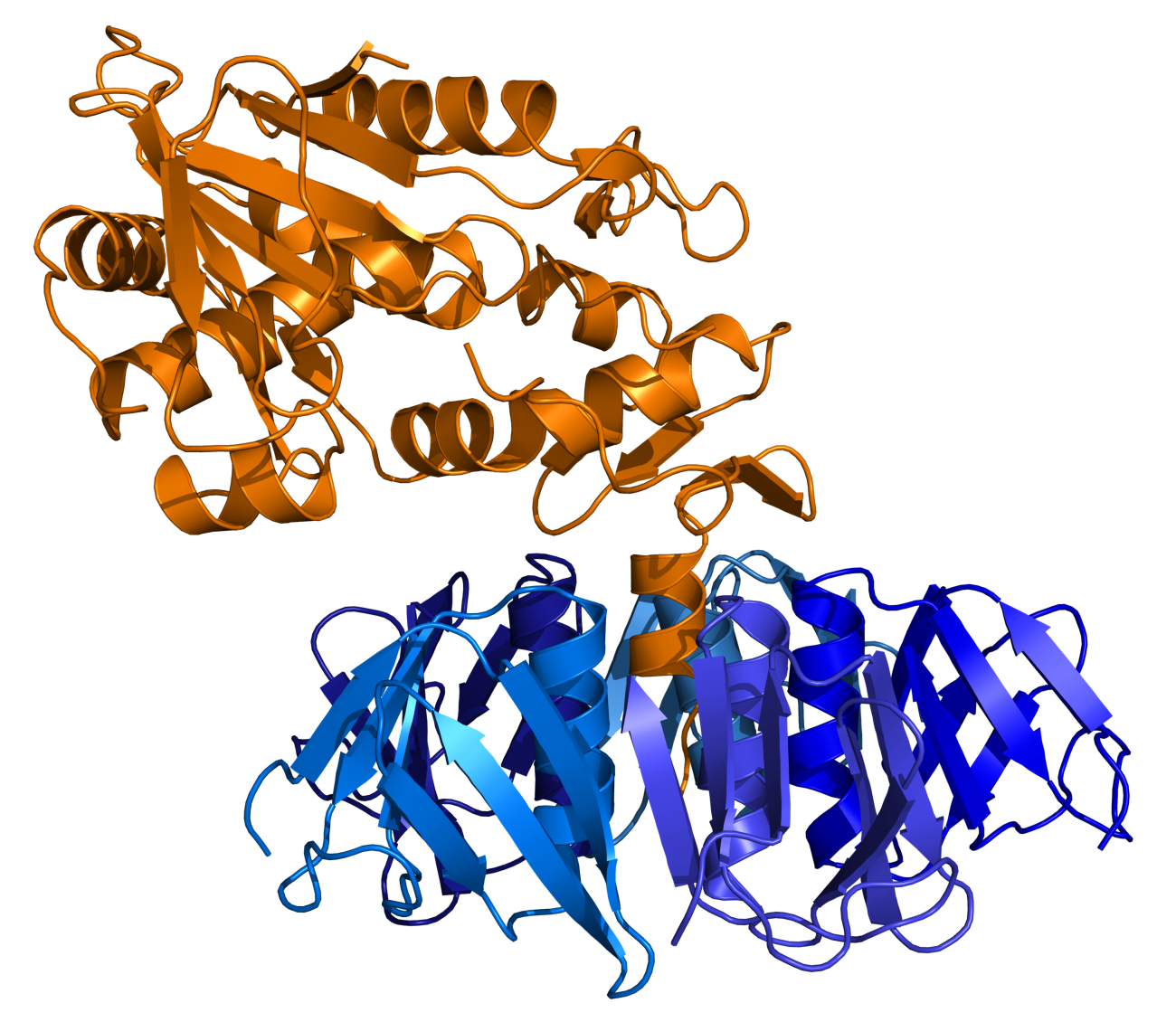
E.coli BlogShiga_toxin_(Stx)_PDB_1r4q

Cloud’s Meats, Inc. is voluntarily recalling beef and pork products possibly contaminated with E. coli. following positive test results for non-0157 Shiga toxin-producing E. coli (STECs) in samples of items produced mid-November. The samples were taken during routine testing conducted by the Missouri Department of Agriculture’s Meat and Poultry Inspection Program November 14 and analyzed by the Department’s Veterinary Diagnostic Laboratory in Springfield.

RASFF Alerts – E.coli -Clams – Mussels – Bovine Meat

RASFF -too high count of Escherichia coli (490 MPN/100g) in live clams (Venus verrucosa) from Greece in Italy

RASFF -too high count of Escherichia coli (330; 1090 MPN/100g) in live mussels from France

RASFF – shigatoxin-producing Escherichia coli (presence /25g) in frozen boneless bovine meat (Bos taurus) from Brazil in the Netherlands

USA – E.coli O157 Report Released 94 Sickened

E.coli BlogEcoli Istock

The Maricopa County Department of Public Health (MCDPH)’s report of its investigation of an Escherichia coli O157:H7 outbreak in which 94 ill persons were identified was released today.

RASFF Alerts – E.coli – Mint Leaves – Warty Venus – Mussels

RASFF -high count of Escherichia coli (1100 CFU/g) in fresh mint leaves from Cambodia in Norway

RASFF -high count of Escherichia coli (930 MPN/100g) in warty venus (Venus verrucosa) from Croatia in italy

RASFF -too high count of Escherichia coli (260 MPN/100g) in live mussels from France

Canada – Ground Beef Recall – E.coli O157:H7

CFIAE.coli O157:H7

Groupe Colabor Inc. is recalling ground beef from the marketplace due to possible E. coli O157:H7 contamination. Hotels, restaurants, institutions and daycare facilities should not use, serve or distribute the recalled products described in the link above.

RASFF Alerts – Bacillus spp – Bean Curd – Listeria monocytogenes – Tuna Mayonaise – E.coli – Horseradish – Clams – Pseudomonas – Mozzarella

RASFF -Bacillus spp. (3.8 x 10*5; 2.4 x 10*5; 1.8 x 10*5; 1.0 x 10*3; 1.2 x 10*5 CFU/g) in bean curd from China in the UK

RASFF-Listeria monocytogenes (< 10 CFU/g) in tuna mayonaise from Belgium in France

RASFF-Salmonella Braenderup (presence /25g) and high count of Escherichia coli (1000; 4000; 6000; 2800; 130 CFU/g) in horseradish tree shoot from Thailand in Norway

RASFF-too high count of Escherichia coli (330 MPN/100g) in live clams (Venus verrucosa) from Greece in Italy

RASFF -high count of Pseudomonas spp. (7.2 x 10E7 CFU/g) in mozzarella cheese from Germany in Italy

Australia Petting Zoo – More E.coli Cases

Brisbane Times

Nearly 50 Queenslanders have contracted E. coli in an outbreak linked to the  Ekka’s petting zoo.

Queensland Health said 49 people, including 31 children aged between one and  15, had contracted the Shiga toxin-producing E. coli (STEC).

A 33-year-old Brisbane woman and three children, aged six, 11 and 12 – all  from different families living in different suburbs – were the first to test  positive to the potentially deadly bacteria on August 23.

Read more: http://www.brisbanetimes.com.au/queensland/more-ekka-e-coli-cases-50-now-infected-20130909-2tfcd.html#ixzz2kdteTrHH