Category Archives: Decontamination Microbial

USA – FSMA Proposed Rule on Agricultural Water

FDA

The FDA is proposing a revision to Subpart E of the FDA Food Safety Modernization Act (FSMA) Produce Safety Rule that would change the pre-harvest agricultural water requirements for covered produce (other than sprouts). The requirements in this proposed rule, if finalized, would replace the pre-harvest microbial quality criteria and testing requirements in the Produce Safety Rule with requirements for systems-based pre-harvest agricultural water assessments. These assessments would be used to identify conditions that are reasonably likely to introduce known or reasonably foreseeable hazards into or onto produce or food contact surfaces, and to determine whether corrective or mitigation measures are needed to minimize the risks associated with pre-harvest agricultural water.

These proposed requirements are intended to address stakeholder concerns about the complexity and practical implementation of certain pre-harvest agricultural water requirements in the Produce Safety Rule while continuing to protect public health. The requirements also are designed to be adaptable to future advancements in agricultural water quality science.

We are not proposing to change the requirements for harvest and post-harvest uses of agricultural water, or the agricultural water requirements for sprouts.  Sprouts are subject to specific pre-harvest agricultural water requirements, and the compliance dates for those sprouts requirements have passed.

Overview

1. Agricultural Water Assessment

The proposed rule, if finalized, would replace the pre-harvest microbial quality criteria and testing requirements in the Produce Safety Rule for covered produce (other than sprouts) with requirements for systems-based pre-harvest agricultural water assessments to be used for hazard identification and risk management decision-making (see the webpage for the final Produce Safety Rule for a description of the requirements as currently written).  Under the proposed requirements, covered farms would be required to conduct pre-harvest agricultural water assessments once annually, and whenever a change occurs that increases the likelihood that a known or reasonably foreseeable hazard will be introduced into or onto produce or food contact surfaces. As part of their pre-harvest agricultural water assessments, these farms would be required to evaluate certain factors (listed in the link above) that could impact produce safety.

Research – Prevalence of Salmonella in Chinese Food Commodities: A meta-analysis

Journal of Food Protection

kswfoodworld Salmonella

The objective of the present study was to analyze the prevalence of Salmonella in multiple food commodities in China by performing a meta-analysis. Accordingly, we screened studies that examined the prevalence of Salmonella in PubMed, Embase, and Web of Science databases. Methodological quality assessment and heterogeneity analyses were performed for included studies. The prevalence rate with the 95% confidence interval (95% CI) was selected as the effect size. Subgroup analyses for each food type were conducted and then stratified by regions, food-chain processing points, and seasons. In total, 49 studies were included in the meta-analysis, among them, 8 (16.3%) studies were deemed “High risk”, 13 (26.5%) studies were “Unclear risk”, and 28 (57.2%) studies were “Low risk”. The overall prevalence rate of Salmonella was 20.0 (95%CI: 15.9-24.4)%. The prevalence rate of Salmonella in raw meat products was 23.6 (95%CI: 19.8-27.6)%, which was higher than that in aquatic products (13.7 [95%CI: 3.1-29.9]%), milk products (0.9 [95%CI: 0.0-3.9]%), frozen convenience foods (6.5 [95%CI: 4.4-8.9]%), ready-to-eat foods (2.0 [95%CI: 1.1-3.2]%), vegetables and fruits (0.9 [95%CI: 0.0-5.2]%), and shell eggs (4.2 [95%CI: 3.0-5.7]%). Subgroup analyses revealed that prevalence rates of Salmonella in raw meat products from abattoirs (26.3 [95%CI: 17.4-36.3]%) and retail stores (30.0 [95%CI: 24.6-35.8]%) were higher than those determined from farms (10.2 [95%CI: 7.0-13.9)%; P < 0.05); however, no significant difference was observed in the prevalence of Salmonella stratified by different geographical regions or seasons (P > 0.05). Based on these findings, high levels of Salmonella contamination could be detected in raw meat products in China, and the prevalence rate of Salmonella in raw meat products from abattoirs and retail stores was high.

Information – Raw Milk

ACSA

Raw milk

milk

____________________________________________________________________________________________

  • Always boil raw milk
  • Store at 4ºC
  • Consume it within 3 days of purchasing it

TREAT RAW MILK SAFELY

The raw milk has unique virtues such as its taste, texture and smell. At the same time, it is a very direct link with good farmers, because it can only be sold by farms that meet a series of animal health and hygiene requirements in their milking facilities .

However, raw milk, due to its special composition, can contain bacteria that are harmful to health, mainly Salmonella , Campylobacter , Listeria  and Escherichia coli.

In Spain, the direct sale of raw milk to the consumer is allowed as long as the requirements established in the hygiene package regulations and the additional requirements established in Royal Decree 1086/2020 , of December 9, by which regulate and make flexible certain conditions of application of the provisions of the European Union regarding hygiene in the production and marketing of food products and activities excluded from their scope of application are regulated.

Milk-producing farms may only supply raw milk from their own farm directly to the final consumer or to retail establishments that supply directly to the final consumer if they meet the following requirements:

  • The establishment is authorized and registered in the General Registry of Food and Food Companies
  • The milk has to be sold
  • The package label indicates the expiration date not exceeding three days after milking and the following indications:
    • Raw milk without heat treatment: Consume only after boiling for at least one minute.
    • Store refrigerated between 1 and 4 ºC.
  • Retail establishments may only use raw milk as a raw material or ingredient for food processing if it is boiled or subjected to an equivalent culinary treatment.
  • However, catering establishments that serve food to vulnerable communities , such as hospitals, nursery schools, colleges or homes for the elderly, cannot use raw milk.

To drink milk safely , follow the instructions below:

2_Recipient llet Transport raw milk quickly to your home and boil it immediately , in order to destroy any bacteria it contains. Use a container with a wide base and stir while it boils. Once the boiling foam has risen, turn off the heat. Immediately, you have to cool it down and put it in the refrigerator, in the coldest place, at a temperature below 4ºC, and it is necessary to keep it covered to prevent it from becoming contaminated and acquiring odors from other foods.
3_Temperature llet If you cannot boil the milk right away, put it in the fridge at a temperature below 4ºC. But boil it as soon as possible .
4_Frozen llet You can also freeze raw milk , just like you do with other foods. Freezing, however, does not kill bacteria, so to ensure safety, remember that it is best to always boil milk before freezing . To maintain its structure and prevent it from precipitating, it must be stirred well before freezing and, even, it must be stirred several times while it freezes.
5_ Thawed llet You must defrost the milk in the refrigerator. It may happen that it has a slightly grainy texture, which is normal. Remember to keep frozen milk well covered to prevent it from absorbing strange odors.
6_Consum llet It is recommended that raw milk be consumed within 3 days of  purchase, that is, without exceeding 72 hours.

Pregnant women, children, the elderly and people with depressed immunity are more susceptible to foodborne infections, for this reason, they must take special care to strictly comply with these measures. 

Click to access Trate-la-leche-cruda-con-seguridad.pdf

Research – Antimicrobial activity and mechanism of oregano essential oil against Shewanella putrefaciens

Wiley Online

The aim of the present study was to investigate the antimicrobial mechanism of oregano essential oil (OEO) against Shewanella putrefaciens. Antimicrobial activity of OEO against Shewanella putrefaciens was investigated by the agar disc diffusion method. The change of growth curve, electric conductivity, the integrity of cell membrane, alkaline phosphatase (AKP), and lactate dehydrogenase (LDH) activity were measured to evaluate its antibacterial mechanism. The morphology of bacterial cells was observed by scanning electron microscopy (SEM). The interaction between OEO and Shewanella putrefaciens genomic DNA was measured by ultraviolet–visible (UV–Vis) spectroscopy, and DNA ethidium bromide adduct was analyzed by fluorescence. The results showed that the minimum inhibitory concentration of OEO against Shewanella putrefaciens was 0.09% (v/v), and OEO could inhibit the growth of Shewanella putrefacien with a dose-dependent manner. The cell membrane and cell wall of Shewanella putrefaciens were destroyed by OEO, which led to the leakage of nucleic acid, protein, and the release of AKP and LDH. The results of SEM confirmed the damaging effect of OEO on the bacterial morphology. The results of UV–Vis and fluorescence titration indicated that binding of the complexes to DNA was an intercalative mode.

Research – Editorial: Vibrio Species in the Food Processing Chain

Frontiers in Microbiology
Food Illness

Editorial on the Research Topic
Vibrio Species in the Food Processing Chain

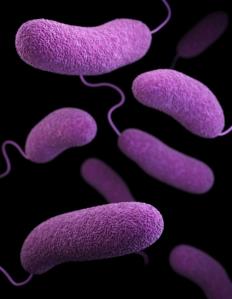
Rising concern about the foodborne illnesses caused by pathogenic Vibrio species (mainly V. parahaemolyticus, V. cholera, and V. vulnificus) has led to a strengthening of research on the characterization of the presence of the genus in food matrices, virulence genes, pandemic markers, and the correlation between clinical and environmental isolates from different ecosystems. The emergence of antimicrobial resistance strains (AMR) in Vibrio spp. may produce a decrease in the effectiveness of commonly used antibiotics, thus posing a threat to public health. Progress in genomic studies has identified motile elements implied in gene transfer that may give birth to developing surveillance strategies for risk mitigation. The development of new infection models that can predict the pathogenesis of Vibrio spp. and the use of high-throughput sequencing techniques for serogroup genes may be useful tools for understanding molecular pathways and the infectivity of Vibrio spp. food isolates. In this Research Topic, different approaches, aiming at characterizing Vibrio spp. from aquaculture, marine, and vegetable ecosystems, together with the evaluation of microbial behavior and the development of new infection and serogroup models, are shown.

A mini-review by Dutta et al. discusses the role and antimicrobial resistance of pathogenic Vibrio spp. They present potential sources of antibiotic resistance genes for Vibrio spp., including the horizontal gene transmission from other pathogens as the main route. This has shown the genetic basis of the emergence of multidrug and extensively multidrug resistant Vibrio spp. through different types of highly mobile elements that can be extensively propagated among bacteria. The use of phage or probiotic therapies as alternative treatments for the inactivation of antibiotic resistant species of Vibrio may be helped by the maintenance of good hygiene practices and processing technologies to protect public health.

Antibiotic resistance genes can also originate from the environment, such as wastewater effluents or sediments in marine or aquaculture habitats. In this regard, Siddique et al. studied the characterization of pathogenic V. parahaemolyticus in a fish farm ecosystem (tilapia, rui, and shrimp). Among the 216 samples, 60.2% were positive for the pathogen, including 323 isolates of which 17 harboured the trh virulence gene gene. They confirm the presence of resistant strains to amoxicillin, ampicillin, and penicillin. Pathogenicity was further confirmed by the fluid accumulation in the ileal loop of rabbits being O8: KUT, the most predominant pathogenic serotype.

The presence and characterization of V. parahaemolyticus and V. vulnificus in marine and estuarine environments was studied by da Silva et al. They found 150 isolates of V. parahaemolyticus, including 52 positives for trh gene, and 129 of V. vulnificus from water and blue crab samples. PFGE and agglutination tests were used for molecular subtyping and determination of antibiotic resistance. The study showed the high presence of the O5 pathogenic serotype, together with the multidrug resistant isolates (41%) and the high genetic diversity of both Vibrio species, as no correlations were found among the sampling sites, antimicrobial resistance profiles, and pathogenicity.

The associated presence of Vibrio spp. in water ecosystems may underestimate their origin from other environmental and food sources. Ready-To-Eat vegetables can harbor pathogenic Vibrio spp. if poor manufacturing, hygiene, and storage practices are followed. Igbinosa et al. evaluated the presence of V. parahaemolyticus in minimally processed vegetables. Among the 63 isolates, they found microbial counts from 1.5 to 1,000 MPN/g and drug resistant isolates to ampicillin and cefotaxime mainly (>60%). They studied the biofilm formation finding that 23.8% of the isolates were strong biofilm producers. Regarding the presence of virulence genes, 100, 14.3, and 31.8% of the isolates harbored the toxR gene, trh, and tdh determinants, respectively.

The microbial behavior of Vibrio spp. can be quantified with predictive models. Posada-Izquierdo et al. investigated the fate of a Vibrio spp. cocktail inoculated in lye-treated table olives for 22 days. A predictive growth model was developed as a function of salt concentration (2–12%) and pH (4–9) using a synthetic medium and table olive brines. They found a higher effect of salt concentration than of pH for the growth inhibition of Vibrio spp. However, they were not able to proliferate in the table olives during fermentation, highlighting that phenolics compounds could exert a clear antimicrobial effect.

The disposal of reliable models to predict the pathogenesis of Vibrio spp. are increasingly needed since the use of virulence markers could not fully elucidate the presence of long-standing virulence indicators. This was demonstrated by Santos et al. using clinical and environmental V. parahaemolyticus isolates in two systemic infection models, namely mice and Galleria mellonella larvae. Interestingly, non-pathogenic environmental isolates produced lethal infections regardless of their source, serotype, and genotype (tdh, orf8, toxRSnew, and vpadF). A high correlation was found in the assayed models, supporting that G. mellonella larvae can be used as an alternative model to study the pathogenesis of V. parahaemolyticus.

Recently, the use of high-throughput sequencing technologies has aided researchers in deciphering the genome of different species. This was essential to provide complete knowledge of the molecular and metabolic pathways of microorganisms and the identification of virulence gene clusters. Bian et al. have developed VPsero, a rapid serotyping tool for V. parahaemolyticus using serogroup specific genes obtained from whole-genome sequencing data. The algorithm, based on the comparison of lipopolysaccharide and capsular polysaccharide gene clusters covered 43 K and 12 O serogroups. The authors showed the high sensitivity and specificity of the tool (>0.91), though limitations could be faced in future studies, such as the addition of new serogroups, the verification of the quality of assembled genomes and the availability of short reads.

This Research Topic presents a collection of manuscripts highlighting relevant findings in the pathogenesis of Vibrio spp. in the food chain and suggests future directions for research, enabling progress in the development of novel analytical methods and surveillance actions to mitigate the emerging risk posed by these human pathogens.

Research – Inactivation of Salmonella spp., Escherichia coli O157:H7 and Listeria monocytogenes in Tahini by Microwave Heating

MDPI

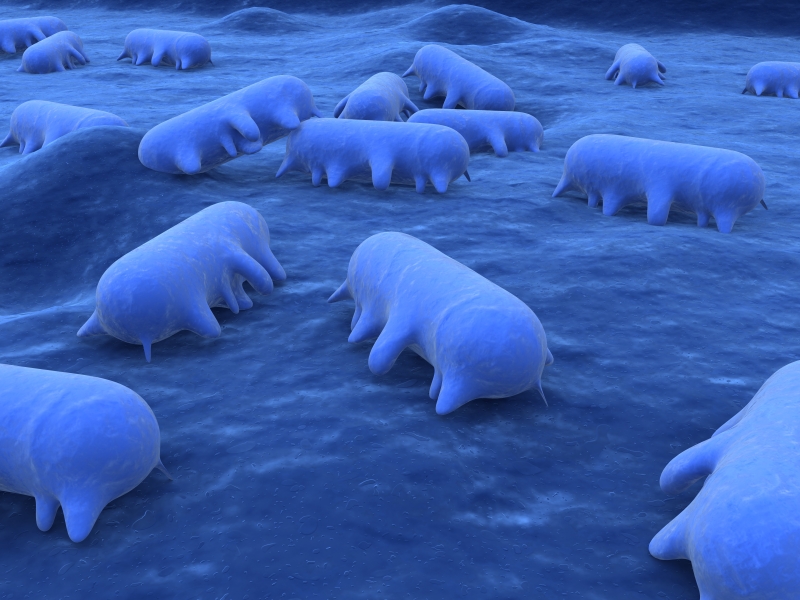
Tahini (sesame paste) is a traditional food. Numerous foodborne outbreaks have been associated with it. This study aimed to (i) explore the efficiency of 2450 MHz microwave heating at 220, 330, 440, 550, and 660 W on the inactivation of Salmonella spp, Escherichia coli O157:H7, and Listeria monocytogenes in tahini; (ii) determine the impact of desiccation and starvation stresses on pathogen survival; (iii) assess the impact of microwave heating on the physicochemical characteristics of tahini. The inoculated microorganisms in tahini were reduced with higher microwave power levels (p < 0.05) and longer exposure times. The D-values of unstressed Salmonella spp., Escherichia coli O157:H7, and L. monocytogenes ranged from 6.18 to 0.50 min, 6.08 to 0.50 min, and 4.69 to 0.48 min, respectively, at power levels of 220 to 660 W, with z-values of 410, 440, and 460 W, respectively. Generally, desiccation and starvation stress levels prior to heating increased microbial resistance to heat treatment. Microwave heating did not affect acid, peroxide, p-anisidine, or color values of tahini up to 90 °C. These findings reveal microwave heating as a potential method for lowering the risk of Salmonella spp., E. coli O157:H7 and L. monocytogenes in tahini with no compromise on quality. View Full-Text

USA – Core Table Update

FDA

A new Salmonella Javiana outbreak has been listed on the FDA’s Core Outbreak Investigation Table.  The product linked to the illnesses has not been identified.

UK – Morrisons Tackling Campylobacter

Morrisons

Since 2013 we have been working hard to reduce Campylobacter levels in fresh chicken. We have introduced a Campylobacter reduction plan which has shown significant improvements year on year.

Our results for the 2nd Quarter of 2021 (April to June) are as follows:

  • 0.8% of our chickens have the higher levels of contamination compared to the FSA retail target of 7% from a sample of 120 chickens tested.

Our results now for the last 26 consecutive quarters have been below the 7% FSA retail target.

The facts:

• Campylobacter is a common bacteria which causes food poisoning which can be found on fresh chicken.
• Campylobacter is destroyed if chicken is cooked thoroughly.
• As a bacteria, campylobacter can be transferred on to any surface that raw chicken contacts.
• Food Standards Agency (FSA) advice is Do Not Wash raw chicken.

Click here for a quick guide from the FSA about Campylobacter

How you can prevent it:

We understand that campylobacter can be a concern when it comes to handling fresh chicken.

However there are 4 simple steps you can take at home to minimise the risk of food poisoning:

  • Step 1 – Cover and chill raw poultry at the bottom of the fridge
  • Step 2 – Do not wash poultry
  • Step 3 – Wash hands and utensils after handling raw poultry
  • Step 4 – Ensure poultry is thoroughly cooked

What Morrisons have achieved:

  • A long term reduction of campylobacter levels from 2014 to 2021.
  • We have worked with our suppliers and implemented a Campylobacter Action Plan, which has successfully reduced campylobacter levels on fresh chicken.
  • We have established our own monitoring program; our test results show levels of campylobacter are now consistnently below the FSA 7% target (for the last 26 quarters).

image4mr2e.png

What’s next?

While the results of our reduction programme are extremely encouraging, we are not complacent and we will continue to work closely with all areas of the industry to continually find areas to improve.

UK – Co-op Tackling Campylobacter

COOP

Food safety is an absolute priority for Co-op and we are determined to tackle Campylobacter. How will we do this? By working together with our farmers and suppliers to reduce the incidence of Campylobacter. We have been keen supporters of the initiatives the FSA (Food Standards Agency) have driven to combat Campylobacter.

Industry Campaign

Co-op were one of the first retailers to sign up to be part of the Foods Standards Agency’s ‘Acting on Campylobacter Together’ (ACT) campaign. The joint aim was to rapidly introduce and share the best workable and available technologies and techniques in food production and across the supply chain.

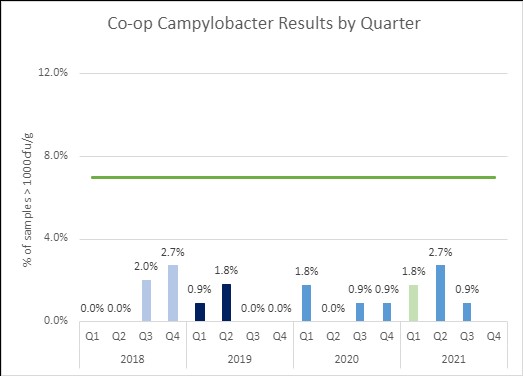
The FSA started the Campylobacter retail survey in 2014 sampling from nine retailers and publishing results showing % of chickens with incidence of Campylobacter at highest contamination levels (>1000cfu/g) . By the beginning of 2017 the overall results were showing a significant reduction in the percentage of chickens with high levels of Campylobacter from 20.3% (July 2014 – February 2015) to 7% with highest contamination levels (August – December 2016).

Heather Hancock, Chairman of the Food Standards Agency, said:

“The challenge we set of reducing the number of people who get ill from campylobacter has been achieved. In the absence of any other clear indicators, we can reasonably say that the work that we and the food industry have done from farm to fork has given us this really positive result for public health.

“This has been achieved by working with the industry to tackle this difficult problem and raising consumer awareness. We commend the efforts of the larger retailers and the major processing plants who supply them, all of which have shown significant improvement and many have achieved the target we set to reduce the highest levels of campylobacter. They have invested a lot of effort and money into interventions to tackle the problem.

Extract taken from the Campylobacter News Story 13.03.17

Our Results

From January 2017, food retailers have published our own Campylobacter test results for fresh chicken, in collaboration with the open data scheme on Campylobacter with the Food Standards Agency.

Campylobacter results Q3 2021

UK – J Sainsbury Tackling Campylobacter

Sainsburys

12 January 2021

Our customers’ health and safety is of paramount importance to us. Working closely with our suppliers and farmers, we are committed to ensuring that levels of Campylobacter on our fresh chicken are kept as low as possible

Campylobacter is commonly found on chicken and can cause food poisoning if chicken isn’t prepared and cooked properly. It’s not yet possible to eliminate it from raw chicken, but we have been working hard to reduce levels.

From farm to fork

Smiley face

With our suppliers, we’ve been busy finding ways to tackle Campylobacter at every step of the food chain. This starts on the farm by trying to stop Campylobacter from colonising flocks, introducing novel thermal treatments in the factory as well as new convenient roast in the bag packaging.

Like other raw meats, chicken still needs to be handled with care, but lower levels of Campylobacter means improved safety for our customers when they are preparing chicken at home. We were the first retailer to include food safety advice on our products.

How are we doing?

We test nearly a thousand chickens a year to check on how we are doing, and we continue to make progress. We’ve achieved a target that was set by the UK Food Standards Agency (FSA), but are committed to continue making further improvements wherever we can. To do this, we need to find new solutions through further research and trials, working closely with our suppliers.