Category Archives: Clostridium

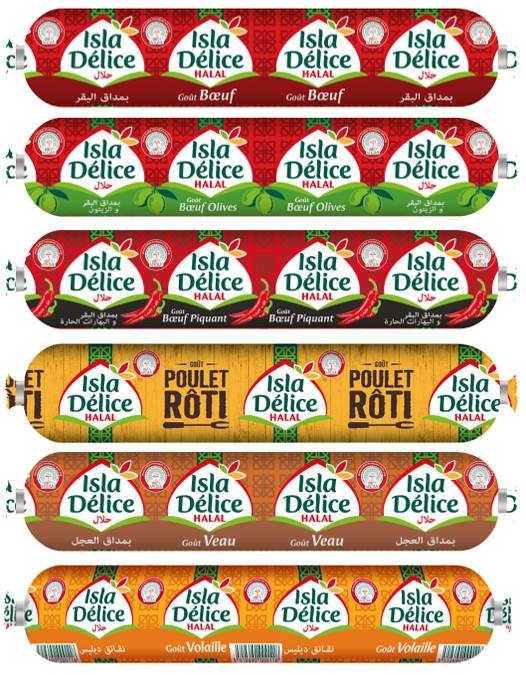
Belgium – Various products from the Isla Délice brand – Clostridium botulinum

afsca

Cora
Product recall: various products from the Isla Délice brand.
Problem: possible presence of the bacteria Clostridium botulinum.
WE ARE RECALLING THE PRODUCTS DESCRIBED BELOW:

This product was sold in Cora supermarkets in La Louvière (7100), Chatelineau (6200), Hornu (7301), Rocourt (4000), and Anderlecht (1070).

CORA has decided, in consultation with the AFSCA (Federal Agency for the Safety of the Food Chain), to recall this product from consumers.

Customers who have purchased this product are asked not to consume it and return it to the point of sale, where they will be refunded. Botulism is a rare disease that most often results from eating contaminated food containing botulinum toxin produced by Clostridium botulinum. This toxin develops in particular in canned or sausage products made at home or at home for which the sterilization process has not been mastered. Symptoms usually appear 12 to 72 hours after ingesting contaminated food, but they can develop earlier or later (2 hours up to 10 days). Botulinum poisoning is characterized by neurological signs: sensation of blurred vision, drooping eyelids, speech problems, difficulty swallowing, dry mouth, muscle weakness. Digestive signs (constipation, vomiting, diarrhea) often accompany neurological signs.

In the meantime, the product has been removed from all store shelves.
We sincerely apologize to our customers for these inconveniences and assure them that we are taking the most effective measures to prevent such incidents.

Any customer who wants more information can contact our quality department on 071. 69.95.24 or by e-mail at the following address: ALERTES-RETRAITS@CORA.BE .
Luxembourg – Several charcuterie products from the Isla Délice brand – Clostridium botulinum

SAP

The following products are recalled in Luxembourg:

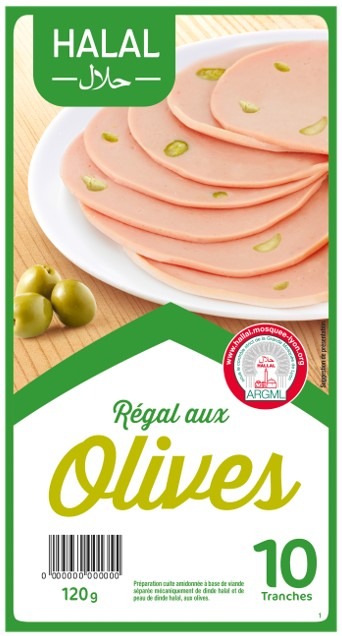
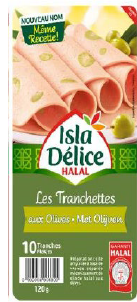
Name Olive slices (10 slices)
Brand Isla Délice
Unit 120g
Barcode 3512690000149
DLC/DDM 01/07/2024
Batch 33340094
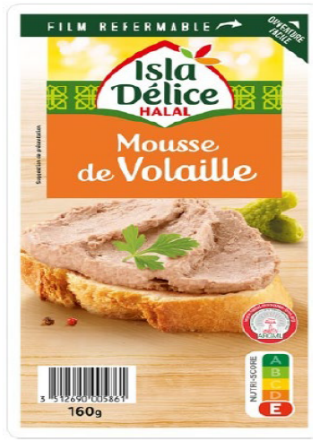
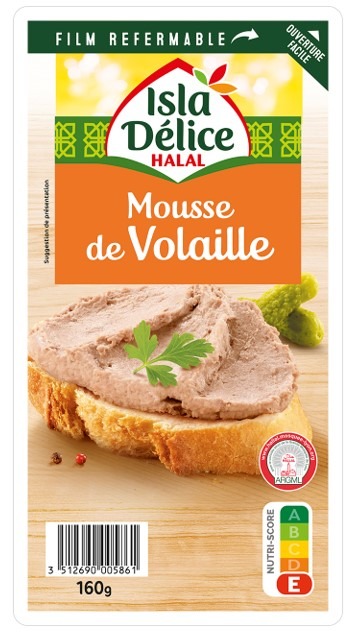
Name Poultry mousse
Brand Isla Délice
Unit 160g
Barcode 3512690005861
Date-bound batch (DLC/DDM) 12/20/2023 / 33260012

12/27/2023 / 33330016

Name Beef flavor delight with olives
Brand Isla Délice
Unit 500g
Barcode 3512690000842
DLC/DDM 05/14/2024
Batch 33200106

Danger  : Possible presence of Clostridium botulinum

Graying on the surface of part of our production, linked to a non-compliant supplier ingredient. This situation does not exclude a Clostridium botulinum risk.

Botulism is a rare disease that most commonly results from eating contaminated food containing botulinum toxin produced by Clostridium botulinum . This toxin develops in particular in canned or sausage products made at home or at home for which the sterilization process has not been mastered. Symptoms usually appear 12 to 72 hours after ingesting contaminated food, but they can develop earlier or later (2 hours up to 10 days). Botulinum poisoning is characterized by neurological signs: sensation of blurred vision, drooping eyelids, speech problems, difficulty swallowing, dry mouth, muscle weakness. Digestive signs (constipation, vomiting, diarrhea) often accompany neurological signs.

The products can be distributed by different points of sale in Luxembourg.

Information Source: Recall Notification

France – Various Products – Clostridium botulinum

Gov France

OLIVE REGAL

Gov France

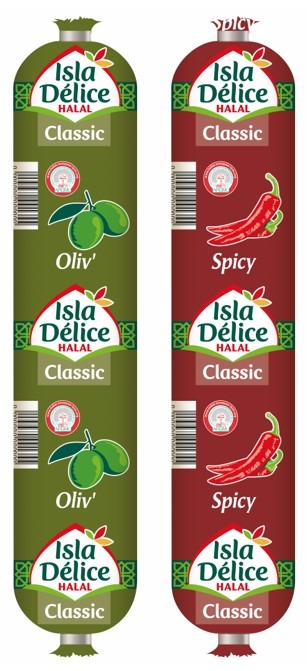
CLASSIC FLAVORDELICE

Gov France

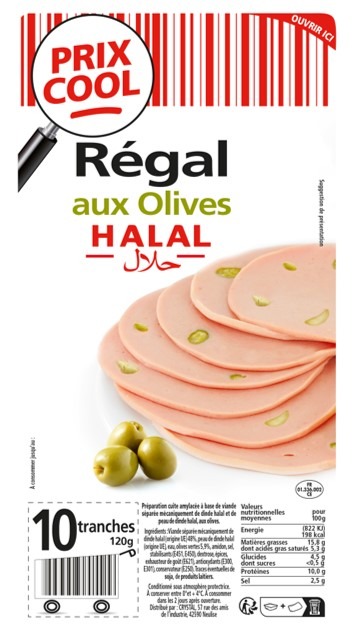
OLIVE REGAL COOL PRICE

France – Various Products- Clostridium botulinum

Gov France

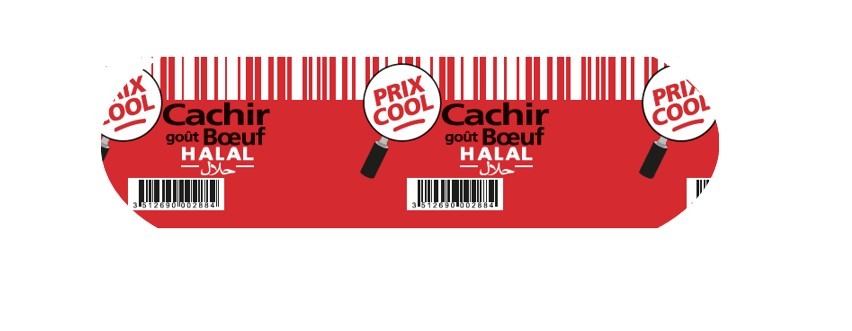
CACHIR COOL PRICE

Gov France

CACHIR

Gov France

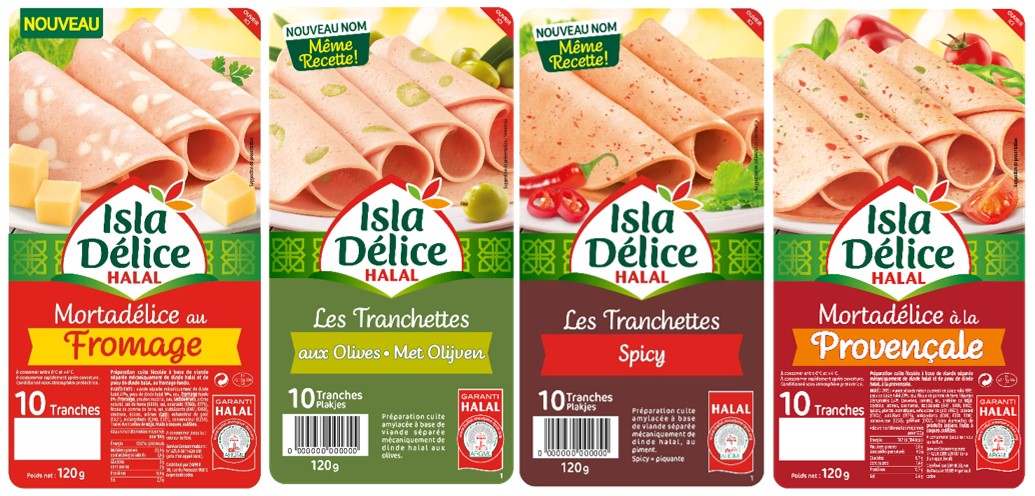
MORTADELICE / SLICES

Gov France

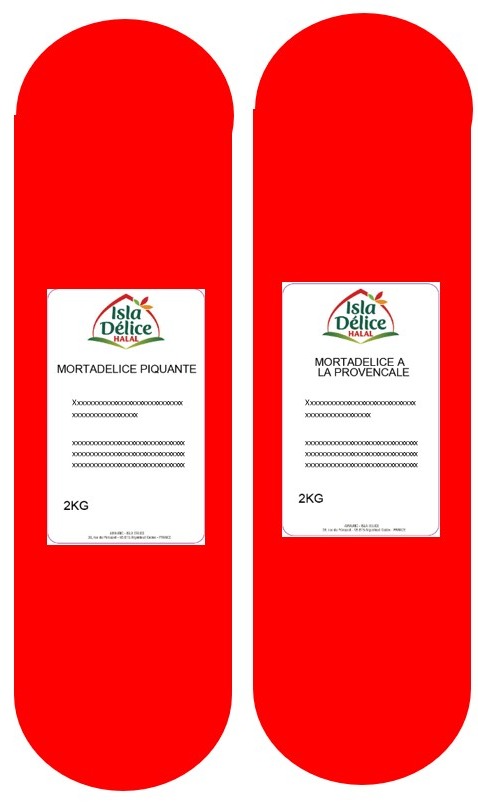
MORTADELICE 2KG

Gov France

POULTRY MOUSSE

Gov France

FLAVORDELICE

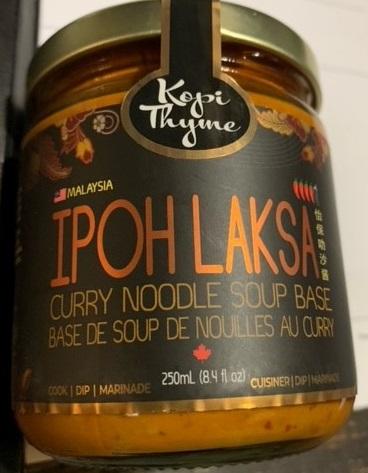
Canada – Kopi Thyme brand Sauces and Soup Bases recalled due to potential presence of dangerous bacteria – Clostridium botulinum

CFIA

Kopi Thyme - Ipoh Laksa - Front

Product
Sauces and Soup Bases
Issue
Food – Microbial Contamination – Clostridium botulinum
What to do

Do not consume, use, sell, serve or distribute recalled products

Distribution
Online
British Columbia
Ontario
Saskatchewan
Possibly other provinces and territories

Issue

The affected products are being recalled from the marketplace because they may permit the growth of Clostridium botulinum.

France – Soups, tomato sauces, chopped vegetables, compotes and coulis – Clostridium botulinum

Gov France

Product category
Food
Product subcategory
Fruits and vegetables
Product brand name
The Prado Gardens
Model names or references
See attached detailed file of the products concerned with their batch numbers.
Product identification
Batch Date
see product list in attachment Minimum durability date between 03/01/2023 and 11/01/2025
Products List
Traceability_reminder__-_jardins_du_prado-12.2023_V2.pdfAttachment
Packaging
Glass jars
Start/end date of marketing
From 03/09/2021 to 11/14/2023
Storage temperature
Product to be stored at room temperature
Further information
These products result from the transformation of organic vegetables by a canning process (autoclaving).
Geographical sales area
Whole France
Distributors
Brand Isère Vercorlait Délices des champs, Country plate Saint-Etienne de Saint Geoirs Airport Comptoir de Co Ziboulab CCAS Champier

Quebec – Notice not to consume various products prepared and sold by the company Rémy L’artisan des meats inc. – Clostridium botulinum

Quebec

he Ministry of Agriculture, Fisheries and Food (MAPAQ), in collaboration with the company Rémy L’artisan des meats inc., located at 13020, boulevard Henri-Bourassa, in Quebec, advises the population not to consume the products indicated in the table below, because they have not been prepared and packaged to ensure their safety. In fact, these products could promote the proliferation of the bacteria  Clostridium botulinum . 

Product name

Format

Target lot

“Country Terrine”

180g _

Units sold until November 29, 2023

” Headcheese “

“Abomasum terrine”

“Pork rillette”

The products which are the subject of this warning were offered for sale until November 29, 2023, at the establishment designated above and on the company’s website. The products were packaged in glass jars with a metal lid and sold at room temperature.

The operator is recalling the products in question. He agreed with MAPAQ to broadcast this warning as a precautionary measure. Additionally, people who have one of these products in their possession are advised not to consume it. They must return it to the establishment where they purchased it or throw it away.

Even if the affected products do not show signs of spoilage or suspicious odor, they could be contaminated with the bacteria Clostridium botulinum . Foods contaminated with the toxin of this bacteria can cause, when ingested, the following symptoms: facial paralysis, unresponsive or fixed pupils, difficulty swallowing, drooping eyelids, vision and speech problems. In severe cases, the disease can cause death.

It should be noted that no cases of illness associated with the consumption of these foods have been reported to MAPAQ to date.

Additional information

The Ministry publishes various information documents concerning food safety. Interested people can consult the Food This hyperlink will open in a new window. section  of the Quebec government website. They also have the option of registering online to receive, by email, food  recall This hyperlink will open in a new window. releases published by the Ministry. Finally, it is possible to follow “MAPAQaliment” on Twitter at the following address: www.twitter.com/MAPAQaliment This hyperlink will open in a new window. .

Research – High Prevalence of Multidrug-Resistant, Biofilm-Forming Virulent Clostridium perfringens in Broiler Chicken Retail Points in Northeast India

MDPI

Abstract

In light of the significant public health and food safety implications associated with Clostridium perfringens, this study aimed to isolate and characterize C. perfringens in samples obtained from broiler chicken retail points in Meghalaya, northeastern India. A total of 280 samples comprising meat, intestinal contents, water, and hand swabs were processed to detect contamination by C. perfringens. The isolates were subjected to toxinotyping, antimicrobial susceptibility testing, and biofilm-forming ability test. The overall occurrence of C. perfringens was 22.5% (17.74–27.85, 95% CI) with the highest recovery from intestine samples (31%; 22.13–41.03, 95% CI), followed by meat (23%, 15.17–32.49, 95% CI) and water samples (18%, 8.58–31.44, 95% CI). Type A was the predominant toxinotype (71.43%, 58.65–82.11, 95% CI), followed by Type A with beta2 toxin (17.46%, 9.05–29.10, 95% CI), Type C (7.94%, 2.63–17.56, 95% CI), and Type C with beta2 toxin (3.17%, 0.39–11.0, 95% CI). Nearly all (95.24%) isolates were multidrug resistant and 68.25% were biofilm formers. The predominance of multidrug-resistant and virulent Type A and Type C C. perfringens in retail broiler meat and intestines in the tribal-dominated northeastern region of India is of great concern from food safety and public health perspectives.

Research – Foodborne botulism outbreak involving different nationalities during the Rugby World Cup: critical role of credit card data and rapid international cooperation, France, September 2023

Eurosurveillance

An unprecedented outbreak of 15 cases (including one death) of foodborne botulism occurred in Bordeaux, France, in September 2023 during the Rugby World Cup. Here we describe the national and international outbreak investigation using credit card data and control measures taken.

On 10 September 2023, the Bordeaux University Hospital reported three suspected cases of botulism to the local public health authorities [1]. All suspected cases had visited the same restaurant (Restaurant A) in Bordeaux on different dates and reported consumption of canned marinated sardines. The sardines were part of a batch made by Restaurant A on 1 September 2023 and served between 1 and 10 September. Cases were of different nationalities. In the previous days, the city had hosted two international rugby games as part of the Rugby World Cup attended by a large number of international visitors. An investigation was initiated to identify and contact persons visiting restaurant A and to contact public health agencies of countries whose citizens were affected by the outbreak.

Considering the severity of botulism and the urgency of control measures to stop the outbreak, an active search for persons who had consumed the sardines was performed by using data retrieved from credit card receipts of restaurant A.

A suspected case of botulism was defined as a person with symptoms compatible with botulism (oculomotor palsy, mydriasis, ptosis, dysphagia, nausea, vomiting, diarrhoea), living or visiting the Bordeaux area and visiting Restaurant A between 1 and 10 September 2023. A confirmed case was defined as detection of type B botulinum neurotoxins (BoNT) in stool and/or serum samples and/or detection of type B  in stools from a suspected case.

By screening meal orders and credit card receipts of Restaurant A, we identified 29 customers who had ordered canned sardines (Figure 1). Among these, 12 had already been identified as suspected cases, 14 were contacted by the French or British health authorities and were considered non-cases as they did not present any symptoms and three were symptomatic British citizens who were urgently referred to an emergency care in the United Kingdom (UK) on 13 September where they received botulinum antitoxin.

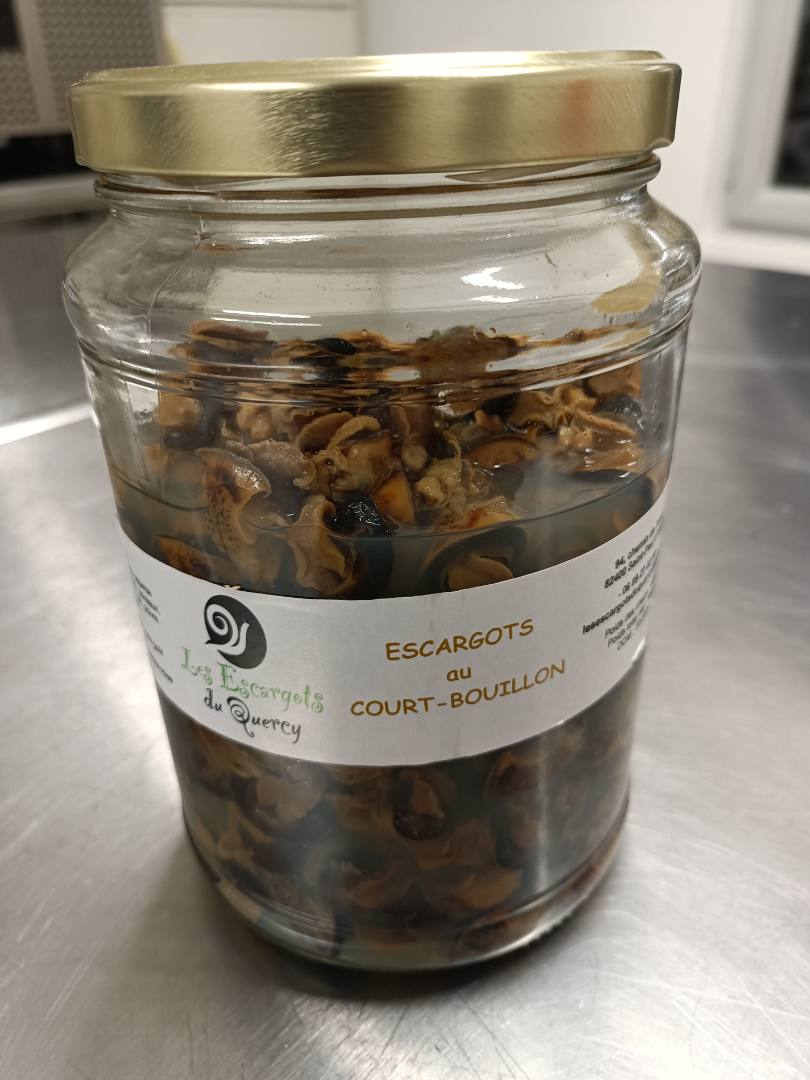
France – Snails in court broth – Clostridium botulinum

Gov France

Product category
Food
Product subcategory
Snails and frogs
Product brand name
Quercy Snails
Model names or references
Preserved short broth snails net weight 660g Minimum durability date March 2025
Product identification
Batch Date
03/2025 Minimum durability date 03/01/2025
Packaging
canned glass 1500 ml twist off type
Start/end date of marketing
From 06/01/2023 to 10/22/2023
Storage temperature
Product to be stored at room temperature
Health mark
unbranded
Geographical sales area
Departments: HAUTE-GARONNE (31), GERS (32)
Distributors
Quercy Snails