Category Archives: Clostridium

Research – Levels and types of microbial contaminants in different plant-based ingredients used in dairy alternatives

Science Direct

Abstract

In this study levels and types of microbial contaminants were investigated in 88 different plant-based ingredients including many that are used to manufacture dairy alternatives. Studied ingredients encompassed samples of pulses (pea, faba bean, chickpea, and mung bean), cereals/pseudocereals (oat, rice, amaranth and quinoa) and drupes (coconut, almond and cashew). The microbial analysis included: i) total viable count (TVC), ii) total aerobic mesophilic spore count (TMS), iii) heat resistant aerobic thermophilic spore count (HRTS), iv) anaerobic sulfite reducing Clostridium spore count (SRCS), and v) Bacillus cereus spore count (BCES). Microorganisms isolated from the counting plates with the highest sample dilutions were identified using 16S rRNA and MALDI-TOF MS analyses.

Many of the investigated ingredients showed a high proportion of spores as part of their total aerobic mesophilic counts. In 63 % of the samples, the difference between TVC and TMS counts was 1 Log10 unit or less. This was particularly the case for the majority of pea isolates and concentrates, faba bean isolates, oat kernels and flakes, and for single samples of chickpea isolate, almond, amaranth, rice, quinoa, and coconut flours. Concentrations of TVC ranged between <1.0 and 5.3 Log10 CFU/g in different samples, and TMS varied between <1.0 and 4.1 Log10 CFU/g. Levels of HTRS, BCES and SRCS were generally low, typically around or below the LOD of 1.0 Log10 CFU/g.

In total, 845 individual bacterial colonies were isolated belonging to 33 different genera. Bacillus licheniformis and B. cereus group strains were most frequently detected among Bacillus isolates, and these species originated primarily from pea and oat samples. Geobacillus stearothermophilus was the main species encountered as part of the HRTS. Among the Clostridium isolates, Clostridum sporogenes/tepidum were predominant species, which were mostly found in pea and almond samples. Strains with potential to cause foodborne infection or intoxication were typed using the PCR-based method for toxin genes detection. In the B. cereus group, 9 % of isolates contained the ces gene, 28 % contained hbl, 42 % cytK, and 69 % were positive for the nhe gene. Absence of the boNT-A and -B genes was confirmed for all isolated C. sporogenes/tepidum strains. Nearly all (98 %) B. licheniformis isolates were positive for the lchAA gene.

Insight into the occurrence of microbial contaminants in plant-based ingredients, combined with knowledge of their key inactivation and growth characteristics, can be used for the microbial risk assessment and effective design of plant-based food processing conditions and formulations to ensure food safety and prevent spoilage.

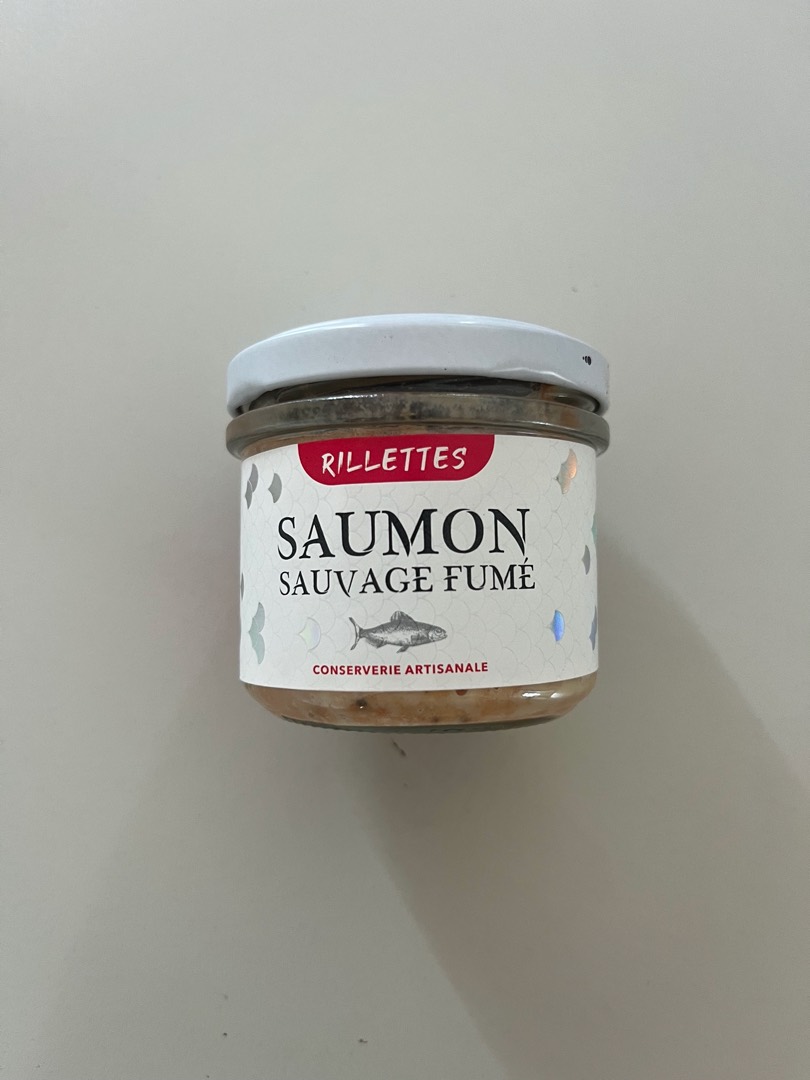
France – FISH RILLETTE – Clostridium botulinum

Gov France

Product Category
Food
Product subcategory
Fishery and aquaculture products
Product brand name
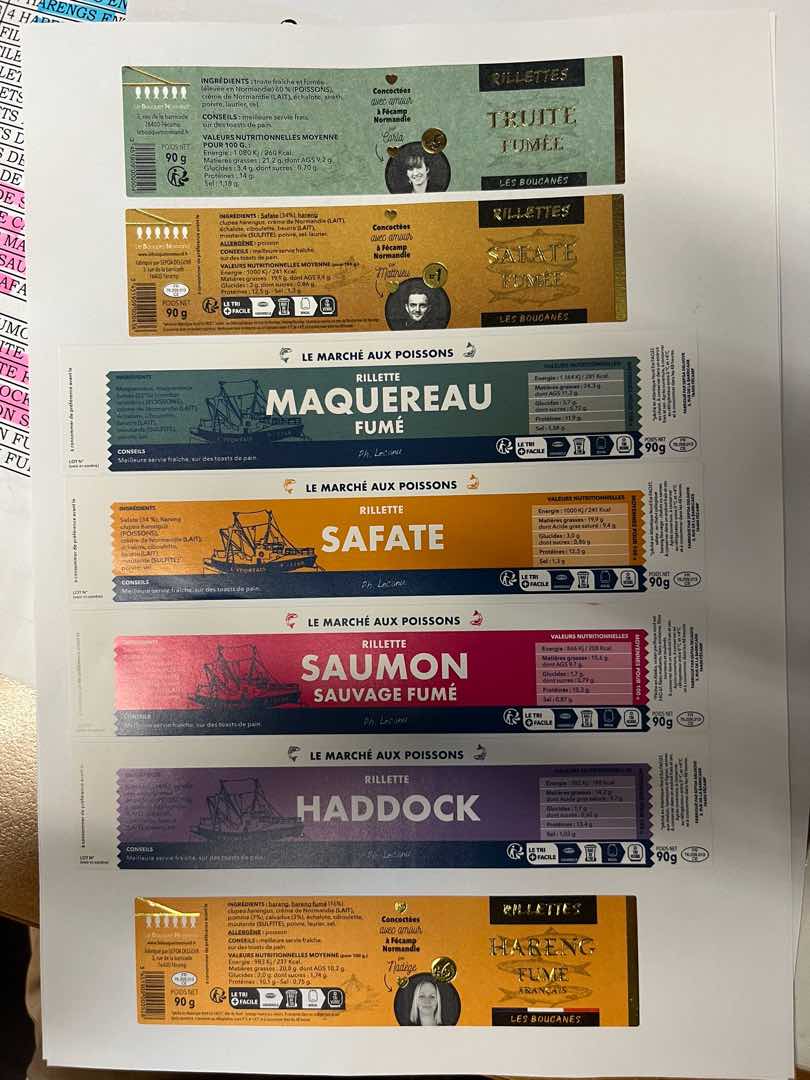
THE NORMAN BOUQUET – LECANU – LA MANUFACTURE DE FECAMP
Model names or references
Trout rillette 200 GR Trout rillette 90 GR Safate rillette 90 gr Mackerel rillette 90 gr Cod rillette 90 gr Haddock rillette 90 gr Wild salmon rillette 90 gr
Product identification
Batch Date
627 Minimum durability date 06/30/2027
625/627 Minimum durability date 06/30/2027
618/620 Minimum durability date 06/30/2027
609 Minimum durability date 06/30/2027
587 Minimum durability date 05/31/2027
573/574 Minimum durability date 04/30/2027
573 Minimum durability date 04/30/2027
568 Minimum durability date 04/30/2027
565/568 Minimum durability date 04/30/2027
565 Minimum durability date 04/30/2027
535/537 Minimum durability date 03/31/2027
523 Minimum durability date 03/31/2027
Products List
PRODUCT_LIST.pdfAttachment
Packaging
90 GR glass jar
Start/End of marketing date
From 03/01/2024 to 06/30/2027
Storage temperature
Product to be stored at room temperature
Health mark
FR 76.259.013 CE
Geographic area of ​​sale
Regions: Normandy
Distributors
the Norman bouquet Lecanu quintessence the sea to drink the chattering magpie sea counter domain of the senses

Research – Avoid Botulism with Safe Canning Tips

Food Poisoning News

Home canning has long been a popular method for preserving fresh fruits and vegetables, allowing food enthusiasts to enjoy their favorite produce year-round. However, the U.S. Food and Drug Administration (FDA) and the American Medical Association (AMA) warn that improperly canned foods can pose a serious health risk, potentially causing botulism – a rare but deadly kind of food poisoning.

Earlier this month, Food Poisoning News reported on a botulism outbreak at two family events in California linked to the consumption of a salad containing home-canned cactus pads.  Ten people were hospitalized and two sisters were in intensive care as of July 8th.

Botulism, a rare but potentially fatal form of food poisoning, can occur when the bacterium Clostridium botulinum grows and produces toxins.  Symptoms of botulism can include general weakness, dizziness, double vision, difficulty speaking or swallowing, breathing problems, muscle weakness, abdominal distension, and constipation. These symptoms may appear anywhere from six hours to two weeks after consuming contaminated food.

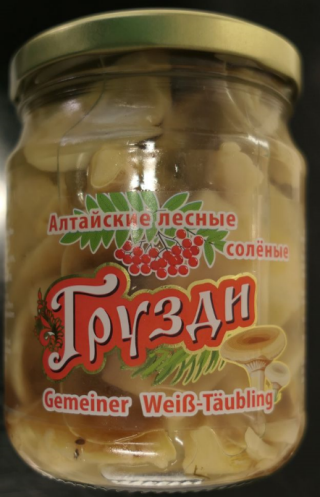
Belgium – Mushrooms in a jar “Gemeiner WeißTäubling” and “Edelreizker geschnitten, eingelegt” from the Tpyzah brand – Clostridium botulinum

AFSCA

mushrooms

In agreement with the AFSCA, Lackmann Group is withdrawing the products “Gemeiner WeißTäubling” and “Edelreizker geschnitten, eingelegt” of the Tpyzah brand from sale and recalling them from consumers due to the presence of botulinum toxins.

Lackmann Group asks its customers not to consume this product and to return it to the point of sale, where it will be refunded.

Product Description

  • Product name: Gemeiner WeißTäubling
  • Brand: Tpyzah
  • Minimum expiry date (BBD = “best before”): 20.05.2025
  • Lot number: 4250370532731
  • Sales period: from 08.04.2024 to 20.06.2024
  • Packaging type: glass jar
  • Weight: 500g
  • Product name: Edelreizker geschnitten, eingelegt
  • Brand: Tpyzah
  • Minimum expiry date (BBD = “best before”): 20.05.2025
  • Lot number: 4250370593657
  • Sales period: from 01/22/2024 to 07/23/2024
  • Packaging type: glass jar
  • Weight: 500g

The product was distributed by:

Store Name / Distribution Chain Name Street + number Postal code Municipality (city)
Nostalgia Rue Leon Theodor 142 1090 Throw Brussels
Hozain 440 Brussels Street 9050 Ledeberg Ghent

For further information please contact:

Malevska

02 779 37 21 (Jette)

09 230 96 70 (Ghent)

Info.hozain@gmail.com

Catalonia – Extension of information on the presence of botulinum toxin in mushrooms in brine

ACSA

As an extension of the alert regarding the presence of botulinum toxin in mushrooms in brine from Russia, the product “Lactarius a rondanxes ( Lactarius deliciosus ), pickled” is being withdrawn , as the presence of Clostridium has been detected botulinum

The updated data for the product involved is:

  • Product name: Lactarius in slices (Lactarius deliciosus), marinated
  • Product appearance: Packaged in a glass jar
  • Barcode: 4250370593657
  • Expiry date: 20/05/2025
  • Unit weight: 500 g
  • Ambient temperature

According to the information available, the product has been distributed in the autonomous communities of Catalonia , Andalusia, the Balearic Islands, the Canary Islands and the Valencian Community.

The Spanish Food Safety Agency (AESAN) has transferred this information to the competent authorities of the autonomous communities through the   European Food Alert Network   in order to verify its possible presence on the market or the availability of the population.

As a precautionary measure,  people who may have this product in their homes are advised to refrain from consuming it due to the risk of serious poisoning. 

If you have consumed the affected product and present symptoms compatible with botulism (fatigue, weakness, blurred vision, vomiting, diarrhea, difficulty speaking…) it is recommended to go to a health center. 

Luxembourg – Edelreizker (Lactarius deliciosus) geschnitten – Clostridium botulinum

SAP

Name Edelreizker (Lactarius deliciosus) geschnitten, eingelegt
Unit 500 g
Barcode 4250370593657
Minimum durability date (MDD) 20/05/2025

Danger  : Possible presence of Clostridium botulinum

Botulism is a rare disease that most often results from the consumption of contaminated food containing botulinum toxin produced by  Clostridium botulinum . This toxin develops in particular in canned or home-made or artisanal delicatessen products for which the sterilization process has not been mastered. Symptoms generally appear 12 to 72 hours after ingestion of contaminated food, but they can develop earlier or later (2 hours to 10 days). Botulinum poisoning is characterized by neurological signs: sensation of blurred vision, drooping eyelids, speech disorders, difficulty swallowing, dry mouth, muscle weakness. Digestive signs (constipation, vomiting, diarrhea) often accompany neurological signs.

People who have consumed the product mentioned above and who present these types of symptoms are invited to consult a doctor and report this consumption.

Germany – Botulism affects two in Germany; link to Russian product – Pickled Mushrooms

Food Safety News

A couple of people are sick in Germany with botulism after eating pickled mushrooms from Russia.

The two confirmed cases were caused by botulinum neurotoxin A. They had symptom onset in April and May. Both ill people consumed a mushroom-in-brine preserve of milk-white brittlegill.

A laboratory in Germany, located at the Robert Koch Institute (RKI), found botulinum neurotoxin type A in an unopened jar of the product from the second patient’s household. The 500-gram item was produced on November 20, 2023, and expires on May 20, 2025.

Quebec – Warning not to consume various pestos prepared and sold by the Pastina company

Quebec

The Ministère de l’Agriculture, des Pêcheries et de l’Alimentation (MAPAQ), in collaboration with the company Pastina, located at 355, boulevard Gréber, in Gatineau , is advising the public not to consume the products listed in the table below, as they have not been prepared and packaged in a way that ensures their safety. These products could promote the proliferation of the bacteria  Clostridium botulinum .

Product name

Format

Target lot

“PESTO”

250 ML

Units sold
until July 4,
2024

“SUNDRIED TOMATO PESTO”

The products that are the subject of this warning were offered for sale until July 4, 2024 , in several establishments in the region. The products were packaged in a sealed, transparent plastic container. They were sold refrigerated.

The operator is recalling the products in question. It has agreed with MAPAQ to issue this warning as a precautionary measure. In addition, people who have one of these products in their possession are advised not to consume it. They must return it to the establishment where they purchased it or throw it away.

Even if the affected products do not show signs of spoilage or have a suspicious odor, they may be contaminated with the bacteria Clostridium botulinum . Food contaminated with the toxin from this bacteria can cause the following symptoms when ingested: facial paralysis, unreactive or fixed pupils, difficulty swallowing, drooping eyelids, and impaired vision and speech. In severe cases, the illness can cause death.

It should be noted that no cases of illness associated with the consumption of these foods have been reported to MAPAQ to date.

Additional information

The Ministry publishes various information documents concerning food safety. Interested persons can consult the Food This hyperlink will open in a new window. section  of the Government of Quebec website. They also have the possibility of registering online to receive, by email, the food  recall This hyperlink will open in a new window. press releases published by the Ministry. Finally, it is possible to follow “MAPAQaliments” on X (formerly Twitter) at the following address: www.twitter.com/MAPAQaliments This hyperlink will open in a new window. .

Risk classification: class 1
Reference number: 5047

USA – 2 California sisters in ICU with botulism amid outbreak traced to home-canned Nopales

NBC News

A family party near Fresno, California, resulted in 10 people being treated for botulism, a rare but serious illness caused by bacteria that affects the nervous system, public officials said Friday.

The culprit in the outbreak? Home-canned nopales, or cactus pads.

Two sisters are currently recovering in intensive care, a spokesperson for the Fresno County Department of Public Health told NBC News. One sister underwent a tracheostomy, a procedure to create a breathing tube in the neck, due to respiratory complications caused by the disease.

The eight other hospitalized individuals have been released, and there have been no new reported cases since.

Luxembourg – Gemeiner Weiß-Täubling geschnitten, in Würzlake (Rusula delica) of the brand Tpyzah – Clostridium botulinum

SAP

Name Gemeiner White-Täubling geschnitten, in Würzlake (Rusula delica)
Brand Tpyzah
Unit 500.0g
Barcode 4250370532731
Minimum Durability Date (MBD) 05/20/2025