Archives
-
Join 346 other subscribers
KSWFoodWorld
Blog Stats
- 437,926 Views
Category Archives: Clostridium botulinum
Research – Detection of Clostridium botulinum in Some Egyptian Fish Products, Its Control In Vitro Using Citrus Leaves Extracts, and Applicability of Citrus limon Leaf Extract in Tuna
This study aims to detect Clostridium botulinum and its control using natural leaf extracts of Citrus limon, Citrus sinensis, and Citrus unshiu in Egyptian fish products, e.g., canned tuna, canned sardine, canned mackerel, fesikh, moloha, and renga, as well the application of C. limon in tuna. Moreover, the antibacterial activity of the C. limon leaf extract was also estimated. In the water extract, ascorbic acid, total flavonoid content (TFC), and total phenolic content (TPC) were determined by volumetric, aluminum chloride, and Folin–Ciocalteu approaches, respectively. The antioxidant ability of the extract was analyzed in vitro via free radical scavenging (DPPH) and Ferric reducing assays. The results showed variability in the distribution of the total number of positive C. botulinum in fish samples from three different governorates under study, which were (24) Alexandria, (16) Beheira, and (17) Gharbia, out of the 120 tested samples in each governorate. Additionally, the findings revealed that all three Citrus extracts contain an appropriate number of secondary metabolites, with a sustainable presence of saponin and tannins in the C. limon extract. Furthermore, all Citrus extracts inhibited bacterial growth by increasing the inhibition zone, with C. limon being the best extract (25 mm) compared to C. sinensis and C. unshiu. The overall results showed the high antioxidant and anti-Clostridium powers (p < 0.05) of C. limon leaf extract, indicating its preservative activity in fishery products during storage. Finally, C. limon leaf extract can fight off C. botulinum and is considered a promising natural preservation candidate in ensuring safe and fresh fishery products.
Posted in Clostridium, Clostridium botulinum, Decontamination Microbial, Food Micro Blog, Food Microbiology, Food Microbiology Blog, Food Microbiology Research, Food Microbiology Testing, microbial contamination, Microbial growth, Microbiological Risk Assessment, Microbiology, Microbiology Investigations, Microbiology Risk, Sulphite Reducing Clostridia
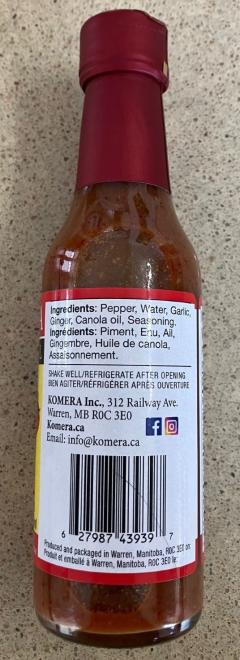
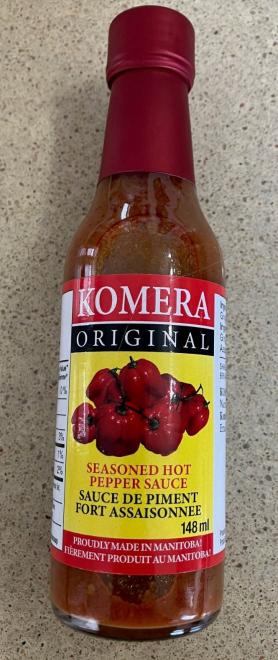
Canada – Komera Original brand Seasoned Hot Pepper Sauce recalled due to potential presence of dangerous bacteria – Clostridium botulinum
Summary
Product
Seasoned Hot Pepper Sauce
Issue
Food – Microbial Contamination – Clostridium botulinum
What to do
Do not consume, use, sell, serve, or distribute recalled products
Affected products
Issue
The affected product is being recalled from the marketplace because it may permit the growth of Clostridium botulinum.
The recalled product has been sold in Alberta, Manitoba, Quebec and online and may have been distributed in other provinces and territories.
What you should do
- If you think you became sick from consuming a recalled product, contact your healthcare provider
- Check to see if you have recalled products
- Do not consume, serve, use, sell, or distribute recalled products
- Recalled products should be thrown out or returned to the location where they were purchased
Food contaminated with Clostridium botulinum toxin may not look or smell spoiled but can still make you sick. Symptoms in adults can include facial paralysis or loss of facial expression, unreactive or fixed pupils, difficulty swallowing, drooping eyelids, blurred or double vision, difficulty speaking, including slurred speech, and a change in sound of voice, including hoarseness. Symptoms of foodborne botulism in children can include difficulty swallowing, slurred speech, generalized weakness and paralysis. In all cases, botulism does not cause a fever. In severe cases of illness, people may die.
Posted in CFIA, Clostridium, Clostridium botulinum, food contamination, food handler, Food Hazard, Food Hygiene, Food Inspections, Food Micro Blog, Food Microbiology, Food Microbiology Blog, Food Microbiology Testing, Food Pathogen, Food Poisoning, Food Quality, food recall, Food Safety, Food Safety Alert, Food Safety Management, Food Safety Regulations, Food Testing, Food Toxin
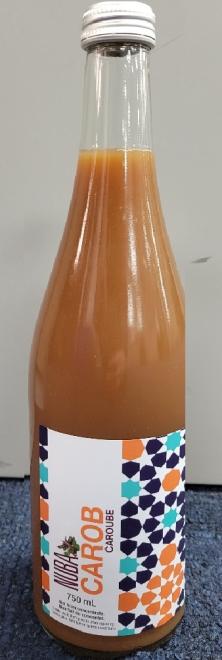
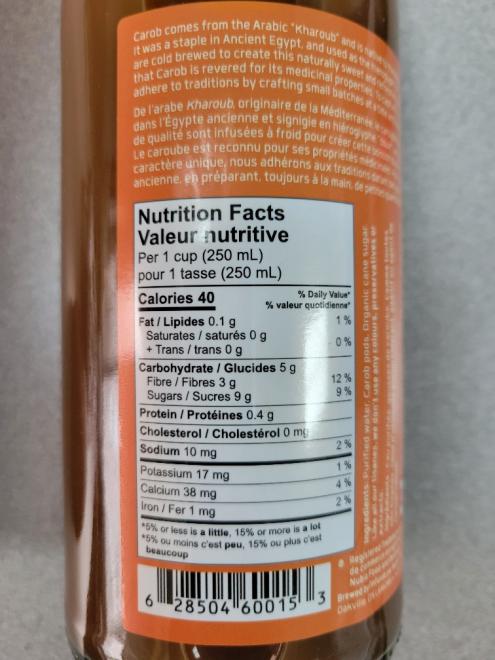
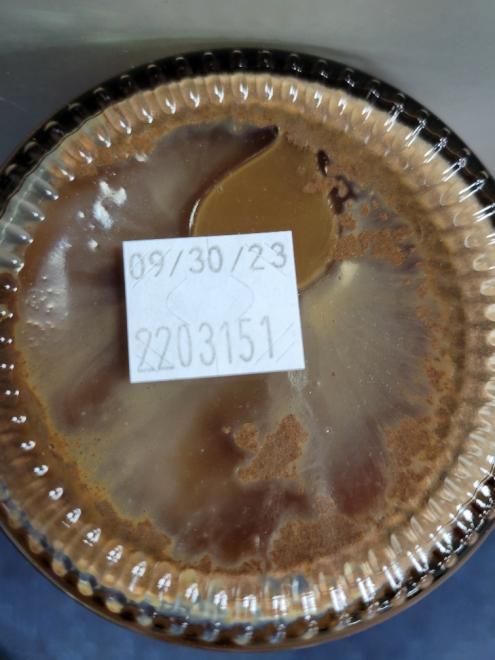
Canada- Nuba brand Carob (drink) recalled due to potential presence of dangerous bacteria – Clostridium botulinum
Product
Carob (drink)
Issue
Food – Microbial Contamination – Clostridium botulinum
What to do
Do not consume, use, sell, serve, or distribute recalled products
Affected products
Issue
The affected product is being recalled from the marketplace because it may permit the growth of Clostridium botulinum.
The recalled product has been sold in Ontario, Nova Scotia, Quebec and may have been distributed in other provinces or territories.
What you should do
- If you think you became sick from consuming a recalled product, contact your healthcare provider
- Check to see if you have recalled products
- Do not consume, serve, use, sell, or distribute recalled products
- Recalled products should be thrown out or returned to the location where they were purchased
Food contaminated with Clostridium botulinum toxin may not look or smell spoiled but can still make you sick. Symptoms in adults can include facial paralysis or loss of facial expression, unreactive or fixed pupils, difficulty swallowing, drooping eyelids, blurred or double vision, difficulty speaking, including slurred speech, and a change in sound of voice, including hoarseness. Symptoms of foodborne botulism in children can include difficulty swallowing, slurred speech, generalized weakness and paralysis. In all cases, botulism does not cause a fever. In severe cases of illness, people may die.
Posted in CFIA, Clostridium, Clostridium botulinum, food contamination, food handler, Food Hazard, Food Hygiene, Food Inspections, Food Micro Blog, Food Microbiology, Food Microbiology Blog, Food Microbiology Testing, Food Pathogen, Food Poisoning, Food Quality, food recall, Food Safety, Food Safety Alert, Food Safety Management, Food Safety Regulations, Food Testing, Food Toxin
Viet Nam – One dead, one in critical condition, nine hospitalized after eating pickled carp – Clostridium botulinum
Ten people in a mountainous district of the Central Province of Quang Nam were hospitalized for Botulinum poisoning, with one of them dead after eating pickled carp on March 7.
Three seriously ill patients including one female and two male adults requiring mechanical ventilation were given Botulism Antitoxin Heptavalent (BAT) to treat Clostridium Botulinum poisoning. Up to now, 2/3 of patients have had good improvement after antidote infusion, a good prognosis; however, one patient is in critical condition.
Previously, the SGGP Newspaper released that after eating pickled carp at a house of a local inhabitant, four people experienced poisonous symptoms. They were rushed to the local infirmary for treatment. On the morning of March 18, physicians of the General Hospital in Phuoc Duc Commune of Phuoc Son District connected with Cho Ray Hospital in Ho Chi Minh City for consultation. Soon, doctors of Cho Ray Hospital flew to Quang Nam Province with five antidotes vitals to the General Hospital of the Northern mountainous region of Quang Nam for the treatment of the patients with botulinum poisoning.
Yesterday, Director of the Quang Nam Department of Health Mai Van Muoi said that the unit has just sent a dispatch on strengthening measures to prevent and control food poisoning when people like eating traditional foods such as fermented foods.
Thereby, the Department of Health of Quang Nam province suggested localities, especially highland areas, strengthen communication about food safety to local inhabitants to raise their awareness.
Posted in Bacterial Toxin, Clostridium, Clostridium botulinum, Decontamination Microbial, Food Micro Blog, Food Microbiology, Food Microbiology Blog, Food Microbiology Testing, Food Poisoning, Food Poisoning Death, microbial contamination, Microbial growth, Microbiological Risk Assessment, Microbiology, Microbiology Investigations, Microbiology Risk, Poisoning
USA – Canned Shrimp recalled due to Botulism risk
Kawasho Foods USA Inc. of New York, NY, is voluntarily recalling one lot of canned GEISHA Medium Shrimp 4oz. because of reported swelling, leaking, or bursting cans. There is a possibility that the product has been under processed, which could lead to the potential for spoilage organisms or pathogens.
The Product was distributed to retail stores (Walmart, Associated Food Stores, Stater Bros Markets, Safeway, Albertsons) in California, Utah, Arizona, and Colorado.
The GEISHA Medium Shrimp is packaged in a 4oz. metal can, with UPC 071140003909. The one lot being recalled is LGC12W12E22; BEST BY: MAY/12/2026 and this code appears on the bottom of the product can.
Posted in Clostridium, Clostridium botulinum, Clostridium Sulphite Reducer, food contamination, food handler, Food Hazard, Food Hygiene, Food Inspections, Food Micro Blog, Food Microbiology, Food Microbiology Blog, Food Microbiology Testing, Food Pathogen, Food Poisoning, Food Quality, food recall, Food Safety, Food Safety Alert, Food Safety Management, Food Safety Regulations, food safety training, Food Spoilage, Food Testing, Food Toxin, Pathogen, pathogenic
Australia – Inside Out Almond Milk (Collagen+Calcium+Prebiotics) 1 L – Clostridium botulinum
Product information
Inside Out Nutritious Goods Pty Ltd is conducting a recall of Inside Out Unsweetened Almond Milk Collagen + Calcium + Prebiotics, 1 L. The product has been available for sale at Woolworths NSW.
Date markings
01 March 2023

Problem
The recall is due to potential biotoxin contamination (Botulinum toxin).
Food safety hazard
Food products contaminated with Botulinum toxin may cause illness if consumed.
Country of origin
Australia
What to do
Consumers should not eat this product. Any consumers concerned about their health should seek medical advice and should return the products to the place of purchase for a full refund.
For further information please contact:
Inside Out Nutritious Goods Pty Ltd
02 9737 9771
Related links:
Posted in Bacterial Toxin, Clostridium, Clostridium botulinum, food contamination, food handler, Food Hazard, Food Hygiene, Food Inspections, Food Micro Blog, Food Microbiology, Food Microbiology Blog, Food Microbiology Testing, Food Pathogen, Food Poisoning, food recall, Food Safety, Food Safety Alert, Food Safety Management, Food Safety Regulations, Food Testing, Food Toxin, FSANZ, Toxin
Hong Kong – Lap-mei (Chinese Preserved Meat) and Food Safety
Lap-mei is a favourite food of many people, distinctive for its colour, aroma and taste. There are three types of lap-mei available on the local market. They are preserved Chinese sausages, preserved pork, and preserved ducks. Recently, media reported that some people tried to prepare their own home-made lap-mei, which has raised food safety concerns.
Some of the curing ingredients used to prepare lap-mei (e.g. salt) have antimicrobial functions while sodium nitrate/nitrite can also inhibit the growth of Clostridium botulinum and its toxin production. Improper conditions in processing of lap-mei may lead to food deterioration due to bacterial growth, and may affect health after consumption. However, it is worth noting that Clostridium botulinum may grow in oxygen free and low acid food (such as home-made Chinese sausages) and produce lethal toxin without causing noticeable deterioration in the food. Application of nitrate/ nitrite in curing should be limited to the amount required to achieve the intended effect only. Nitrites may react with other substances found in meat forming nitrosamines, compounds that may cause human cancer. Moreover, ingestion of significant amount of nitrite can cause methaemoglobinaemia, with red blood cells loses its ability to bind oxygen and causes hypoxia in the affected individuals. The condition is characterised by headache, weakness and breathlessness, and a bluish discolouration of the skin and mucous membranes. Infants and young children are more susceptible to this condition because their digestive and methaemoglobin reductase systems are still immature.
Members of the public should buy lap-mei from reliable retailers, maintain a balanced diet and avoid excessive consumption of lap-mei (especially for individuals with diabetes, heart disease and high cholesterol). In addition, infants are highly susceptible to nitrite toxicity and should avoid consuming lap-mei. The intake of lap-mei among young children should also be restricted.
Posted in Clostridium, Clostridium botulinum, food contamination, food handler, Food Hazard, Food Hygiene, Food Inspections, Food Micro Blog, Food Microbiology, Food Microbiology Blog, Food Microbiology Research, Food Microbiology Testing, Food Pathogen, Food Poisoning, Food Safety, Food Safety Alert, Food Safety Management, Food Safety Regulations, food safety training, Food Testing, Food Toxin
Research – Study reveals Botulism impact in Italy

Italian researchers have looked at botulism trends over two decades including a large outbreak in 2020.
Italy has one of the highest botulism rates in Europe with one factor being a strong home canning tradition in the country. From 1986 to September 2022, 406 botulism incidents involving 599 people were laboratory confirmed.
The study described the surveillance system as well as information on botulism cases reported by local health services and those from hospital discharge forms from 2001 to 2020.
Botulism is a rare but life-threatening condition caused by toxins produced by Clostridium botulinum bacteria. In foodborne botulism, symptoms generally begin 18 to 36 hours after eating a contaminated food. However, they can start as soon as six hours after or as long as 10 days later.
Symptoms can include general weakness, dizziness, double-vision, and trouble speaking or swallowing. It paralyzes respiratory muscles so most patients must be placed on life support. Difficulty breathing, weakness of other muscles, abdominal distention and constipation may also occur. People experiencing these problems should seek immediate medical attention.
Posted in botulism, Clostridium, Clostridium botulinum, Decontamination Microbial, Food Micro Blog, Food Microbiology, Food Microbiology Blog, Food Microbiology Research, Food Microbiology Testing, Food Poisoning, Food Poisoning Death, microbial contamination, Microbial growth, Microbiological Risk Assessment, Microbiology, Microbiology Investigations, Microbiology Risk, Poisoning
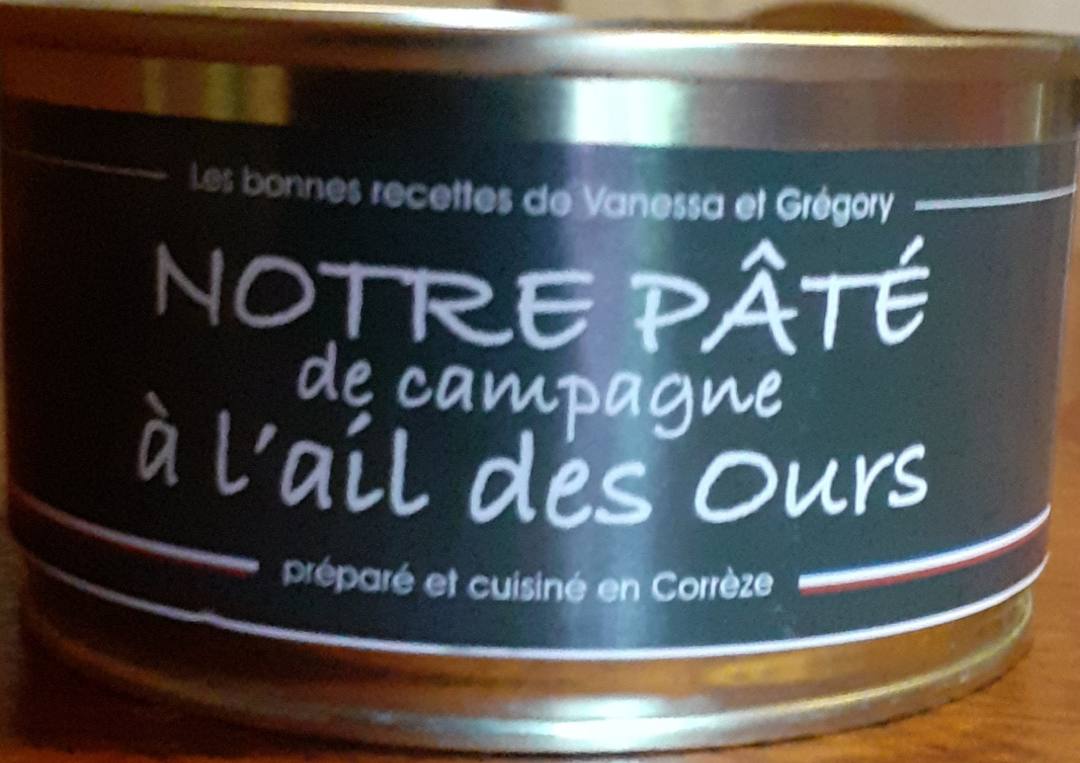
France – Pate – KEEP VANESSA AND GREGORY’S GOOD RECIPES – Clostridium botulinum

Identification information of the recalled product
- Product category Feed
- Product subcategory Meats
- Product brand name The good recipes of Vanessa and Grégory of Corrèze flavors
- Model names or references Country pâté, Country pâté with wild garlic, Country pâté with porcini mushrooms, Rabbit pâté with savory, Grandmother’s pâté, Grandmother’s pâté with porcini mushrooms, Pork cheek confit, Duck pâté with Tonka bean
- Identification of products
Lot Date 333 et 148 Recommended best before date between 06/01/2024 and 11/29/2024 - Packaging Metal cans of 190gr (1/4 low) and 380gr (1/2 low) for pâtés.
- Marketing start/end date From 06/01/2021 to 12/31/2022
- Storage temperature Product to be stored at room temperature
- Health mark 19.249.002
- Geographic area of sale Corrèze Flavors Egletons
- Distributors Correzian Flavors
Practical information regarding the recall
- Reason for recall can stability problem
- Risks incurred by the consumer Clostridium botulinum (agent responsible for botulism)
Posted in Clostridium, Clostridium botulinum, food contamination, food handler, Food Hazard, Food Hygiene, Food Inspections, Food Micro Blog, Food Microbiology, Food Microbiology Blog, Food Microbiology Testing, Food Pathogen, Food Poisoning, food recall, Food Safety, Food Safety Alert, Food Safety Management, Food Safety Regulations, Food Testing, Food Toxin
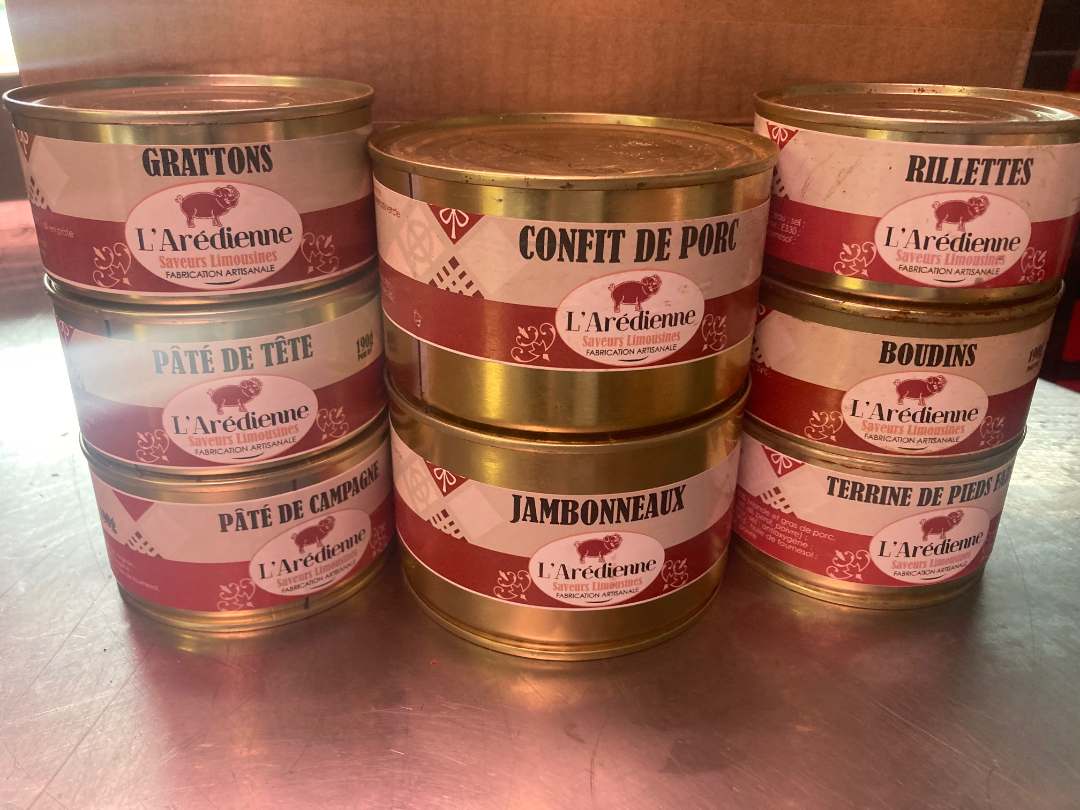
France Canned Meat Preserve the Aredian – Clostridium botulinum

Identification information of the recalled product
- Product category Food
- Product subcategory Meats
- Product brand name the aredian
- Model names or references Country pâté, rillettes, head pâté, black pudding, grattons, ham, confit of pork, trotters in wine, terrine of stuffed trotters, rind pâté, patan douillettes, Christmas pâté
- Identification of products
Lot Date see attached product list Use-by date between 01/01/2023 and 31/12/2025 - Products Lis tlist_boxes_consigned.pdfEnclosed
- Packaging Metal cans of 190g (1/4 low) for charcuterie, 380g (1/2 low) for confits and hams and 760g for confits and vines (4/4)
- Marketing start/end date From 01/01/2020 to 31/12/2022
- Storage temperature Product to be stored at room temperature
- Health mark19.249.002
- Geographic area of sale Departments: CORREZE (19)
- Distributors friends like pigs EGLETONS L’aredienne (market TULLE USSEL BUGEAT SPAR MARCILLAC G20 CHAMBERET Tobacco shop le trefle 19800 CORREZE Atmosphere and terroirs TREIGNAC and TULLE Sarl ANEMONE 19340 MERLINES INTERMARCHE MEYMAC
- List of points of sale DISTRIBUTOR_LIST.pdf
Practical information regarding the recall
- Reason for recall can stability problem
- Risks incurred by the consumer Clostridium botulinum (agent responsible for botulism)
Posted in Clostridium, Clostridium botulinum, food contamination, food handler, Food Hazard, Food Hygiene, Food Inspections, Food Micro Blog, Food Microbiology, Food Microbiology Blog, Food Microbiology Testing, Food Pathogen, Food Poisoning, food recall, Food Safety, Food Safety Alert, Food Safety Management, Food Safety Regulations, Food Testing, Food Toxin