Category Archives: Bacteria

Canada – Another Peanut Butter Product Recall

CFIA

The Canadian Food Inspection Agency (CFIA) is warning the public not to consume, sell or serve the food product described below because the product may be contaminated with Salmonella.

These recalls are part of an ongoing food safety investigation. This recall of peanut butter products in Canada is related to the expanding peanut butter product recall in the USA by Sunland Inc. due to possible Salmonella Bredeney contamination.

The following product is affected by this alert:

Brand Product Size UPC Lot Code Distribution
Sunland Inc. Organic Dark Chocolate Creamy Peanut Butter 375 g 0 48687 89829 9 100326 QC, possibly national

There have been no illnesses reported in Canada associated with the consumption of these peanut butter products. However, there are confirmed Salmonella Bredeney illnesses in multiple states in the United States.

USA – Weekend Recalls – Salmonella and Listeria monocytogenes

Food Poisoning Bulletin – Salmonella in Peanut  Pet and Wild Bird Seed

Food Poisoning Bulletin – Publix Super Markets is recalling forty-five various cake products that may be contaminated with Listeria monocytogenes

FDA – Tony’s Imports and Exports of Clovis CA, is warning consumers, food distributors and food processors not to consume or purchase certain containers of AL-RABIH Tahineh (Sesame Paste) because they have the potential to be contaminated with Salmonella

France RASFF Alert – Salmonella in Salmon

RASFF – Salmonella in Chilled Salmon Steak in FranceSalmonella

Australia – Tasmanian Scallops PSP and Unsafe Poultry

AFNSalmonella Campylobacter

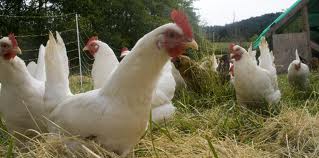
The Food Safety Information Council has released concerning national survey data this week that shows 60% of home cooks in Australia are putting themselves at additional risk of food poisoning from chicken.

The data showed that 60 per cent were at risk from washing whole poultry before it was cooked, which can spread bacteria around the kitchen. A further 16% of those surveyed incorrectly tasted chicken to see if it was cooked properly rather than using a safe meat thermometer.

The focus on cross-contamination of meats by the Food Safety Information Council (FSIC) comes as yesterday marked the start of Australian Food Safety Week. The FSIC week is specifically focusing on chicken and those most affected by food poisoning with the theme “vulnerable populations.”

Food Safety Information Council Chairman, Dr Michael Eyles said that chicken, as Australia’s most popular meat, was consumed by 8 in every ten home cooks.

”Home cooks are probably following what their parents or grandparents did in the past by washing poultry, not to mention probably patting it dry with a tea towel. Washing poultry splashes these bacteria around the kitchen cross contaminating sinks, taps, your hands, utensils, chopping boards and foods that aren’t going to be cooked like salads or desserts,” Dr Eyles said.

“Chicken is a healthy, convenient meal [but] other poultry is also becoming popular with just under half of those surveyed cooking whole turkey and 37% whole duck but these, too, are being washed before cooking, with 68% washing turkey and 74% duck,” he added.

According to a Food Standards Australia New Zealand survey referenced by the Food Safety Information Council, 84 per cent of raw chicken carcasses tested positive to the food poisoning bacteria Campylobacter and 22 per cent to Salmonella.

News Com Au

SCALLOPS from the east coast of Tasmania have joined the area’s mussels in being banned following a toxic algal bloom.

A scallop fishery in the White Rock area has been closed after the same paralytic shellfish toxin (PST) found in Spring Bay Seafood’s mussels was detected in samples taken on November 2.

“PST levels in tested scallops are currently either close to or slightly over the permitted level, but it’s possible the level will increase before it goes back down again,” a health department warning said.

The affected shellfish don’t look or taste different and the toxin is not destroyed by cooking or freezing, but there have been no reports of illness.

USA – Sunland Peanut Butter – FDA Suggestions the Company Knew About the Salmonella

Huff Post

The food world is still reeling from the salmonella outbreak that sickened at least 41 people across 20 states, which was linked to Sunland peanuts that were sold as peanut butter at Trader Joe’s and several other supermarket chains. Now, information released late last month by the FDA suggests that Sunland knowingly sold potentially contaminated products going back to 2009 [pdf].

European Alerts – Salmonella, Listeria, Vibrio

RASFF – Salmonella in Frozen Beef Fat in Italy sourced in Lithuania

RASFF – Salmonella in Mussels in Italy sourced in Spain.

RASFF – Listeria monocytogenes in Radish Sprouts in Germany sourced in Italy.

RASFF– Listeria welshimeri in Alfalfa Sprouts in Germany sourced in the Netherlands

RASFF – Salmonella, Vibrio parahaemolyticus, Vibrio vulnificans in Frozen Shrimps in Denmark sourced in Panama

Denmark – Salmonella in Salad in Denmark 


Research – Mobile Phones and Bugs

HACCPEUROPA

Our generation uses mobile phones and smartphones for work, college, making phone calls, reminders, sending messages, emails, music, photographs, games and the internet. Over 80% of the world citizens are in a possession of mobile phones.

With how attached people have become to their mobile phones or smartphones, it’s not a surprise that what we touch ends up on the screen. It’s what exactly ends up there that’s the real shocker.

Researchers from UW-Milwaukee’s Microbiology department tested heavily used mobile phones.

The tests found traces of E. coli and other coliforms. Coliforms are a bacteria indicating fecal contamination. They found between about 2,700 and 4,200 units of coliform bacteria on 8 phones.

UK – Restaurant Implicated in Campylobacter Cases

The Telegraph

Two customers at Blanc Brasserie, in Covent Garden, London, were left ill after eating pink lamb’s liver which was not cooked thoroughly enough, a court has been told. The restaurant has now been banned from serving the dish, after failing to heed a warning from council environmental health officers, Westminster Magistrates’ Court heard. The food had “presented an imminent risk of injury to health because the process of cooking”, the court was told. Blanc Brasseries will now pay £3,103 in costs and have confirmed they will comply with the order, as a spokeswoman said they were unable to cook the liver to council standards without compromising on taste.

“Brasserie Bar Co has not contested the EHO enforcement and will no longer serve liver in any of its restaurants,” she said.

Armenia – Clostridium botulinum Incidents 2012

NEWSAM 

Total of 11 cases of botulism were registered during the 11 months of this year with 17 poisoned people out of which two ended fatally, Sanitary-Epidemiological Service at the Armenian Healthcare Ministry informed Armenian News Am. Two of the poisoned persons were children. The poisoning cases were registered in Yerevan, as well as in Shirak, Ararat, Armavir, Lori and Tavush regions of Armenia. As a matter of fact, 19 cases of botulism were registered last year with 30 poisoned people, 3 of whom died.

To avoid the poisoning, the Ministry warns again not to prepare canned food at home, or at least to boil it for up to 30 minutes before consumption.

USA – Recall – Cheeses – Listeria monocytogenes

Kennys Farmhouse Cheese

Kenny’s Farmhouse Cheese (KFHC), due to the abundance of caution, is conducting a voluntary recall due to routine testing based on our company’s concern for our customers. This testing confirmed the presence of Listeria monocytogenes in a few samples of the following cheeses. At this time, no illnesses have been reported, but to ensure that all suspect product is removed from the marketplace, KFHC is initiating this voluntary recall in cooperation with the Milk Safety Branch of the Kentucky Department

of Health Services (KDHS) and the US Food & Drug Administration (FDA).