Author Archives: KSW

Research – Onsite Detection of Multiple Foodborne Bacteria Achieved Within One Hour Using Handheld Device

Food Safety.com

Researchers from Osaka Metropolitan University have achieved rapid, simultaneous detection of multiple foodborne bacteria with a handheld electrochemical device, which sends results to a smartphone app for convenient interpretation of results.

The biosensor-based technology was able to detect Escherichia coli and Staphylococcus aureus in real-world samples, onsite and within an hour. Time-wise, the new device offers a vast improvement over traditional, culture-based methods conducted in a laboratory, which can take days to produce results.

Research – Effect of food environment on the ability of microorganisms to form biofilms

Wiley Online

Abstract

The aim of this study is to understand the effect of the food product’s, even in trace amounts, in the biofilm formation potential of Escherichia coli and Staphylococcus aureus. Bacterial adhesion was tested using three different food media, in which bacterial cells were adapted before determining how this would affect their adhesion score and biofilm formation potential: sterilized milk, mineral water, and pasteurized commercial orange juice. After characterization of the bacteria and the adhesion support by the contact angle, the adhesion score obtained by the theoretical mathematical model XDLVO developed by van Oss was compared to that obtained by the experimental approach, in order to examine the role of non-specific (thermodynamic) and specific (biological) interactions in adhesion. Changes in the membrane composition of bacteria, as a function of acclimation conditions, were evaluated by infrared spectroscopy. Results reveal variability in the spectral region between 900 and 1200 cm−1 specific to capsular polysaccharides (CPS) or lipopolysaccharides (LPS), and also in the range between 2800 and 3000 cm−1 characteristic of membrane lipids and phospholipids. Biofilm formation by S. aureus and E. coli was affected by commercial UHT milk. This led to increased hydrophobicity and total adhesion energy within the environment of these strains. However, no correlation was observed between the adhesion scores obtained through experimental and theoretical approaches. This underscores the necessity of considering the specific characteristics of individual food products in understanding the phenomenon of biofilm formation. Understanding, the mechanism, the variations in bacterial surface characteristics, and the conditions that favor or disadvantage the formation of biofilms, may have important implications, in the development of preventive and curative strategies, to control of food-borne infections.

Research – Assessment of the chemical profile and potential biocontrol of Amphora coffeaeformis against foodborne pathogens and Culex pipiens L. to ensure food safety

Wiley Online

Abstract

The extensive use of synthetic antibiotics and insecticides in controlling microbes and insect spreads led to a build-up of resistance strains and caused negative impacts on human health through bioaccumulation in food and the environment. The present study assessed the antimicrobial activity of Amphora coffeaeformis (A. coffeaeformis) ethanolic extract against foodborne pathogenic microbes as well as assessed its ability to control Culex pipiens L. (C. pipiens) larvae. The gas chromatography–mass spectrum (GC/MS) and high-performance liquid chromatography (HPLC) analysis showed that A. coffeaeformis extract was rich with phenolic compounds, organosulfur compounds, carboxylic acids, amino acids, organic quinoline, dipeptide and monosaccharide. The extract of A. coffeaeformis showed antibacterial capability against all tested bacteria, with minimal inhibition concentration (MIC) values ranging from 20.2 to 66.7 g/mL, as well as antifungal effects against all tested mycotoxigenic fungi, with MIC values ranging from 113.62, 68.95 and 49.37 μg/mL mg/mL. Furthermore, the extract showed high larvicidal activity against C. pipiens larvae at 24, 48, and 72 h, respectively. LC50 values decreased gradually with the treatment period. Likewise, the adult emergence and growth index were significantly negatively related to increasing extract concentrations. Moreover, the extract exhibited a noteworthy depletion in the reproductive potential and increased sterility index of C. pipiens females developed of treated larvae. Besides a reduction in egg hatching percent, increase pupal malformations, increase and adult abnormalities. C. pipiens biochemical markers; glutathione-S-transferase, carboxylesterase, acetylcholinesterase, α-esterase and cytochrome P-450 showed significant alteration after the extract exposure. Overall, these findings promise the application possibility of A. coffeaeformis extract as a biopreservator against foodborne pathogens and as bioinsecticides for mosquito control as well.


Research – Non-O1/Non-O139 Vibrio cholerae—An Underestimated Foodborne Pathogen? An Overview of Its Virulence Genes and Regulatory Systems Involved in Pathogenesis

MDPI

Abstract

In recent years, the number of foodborne infections with non-O1 and non-O139 Vibrio cholerae (NOVC) has increased worldwide. These have ranged from sporadic infection cases to localized outbreaks. The majority of case reports describe self-limiting gastroenteritis. However, severe gastroenteritis and even cholera-like symptoms have also been described. All reported diarrheal cases can be traced back to the consumption of contaminated seafood. As climate change alters the habitats and distribution patterns of aquatic bacteria, there is a possibility that the number of infections and outbreaks caused by Vibrio spp. will further increase, especially in countries where raw or undercooked seafood is consumed or clean drinking water is lacking. Against this background, this review article focuses on a possible infection pathway and how NOVC can survive in the human host after oral ingestion, colonize intestinal epithelial cells, express virulence factors causing diarrhea, and is excreted by the human host to return to the environment.

Research – Synergistic effect of cinnamaldehyde and eugenol on the inhibition of Bacillus velezensis and the shelf life on quinoa fresh noodles

Wiley Online

The synergistic effects of eugenol and cinnamaldehyde (MEC) were firstly used for quinoa fresh noodles (QFN) preservation. The amount of eugenol and cinnamaldehyde in combination was reduced 75% MIC value and 50% MBC value compared to the single application of eugenol and cinnamaldehyde respectively. The shelf life of QFN was prolonged 2.5 times by MEC at 25°C. Besides, MEC can significantly maintain the texture and color of QFN with less odor impact. Further mechanisms of MEC in anti-Bacillus velezensis were suggested to affect the lag phase during growth, and disrupt the cell integrity with adenosine triphosphate and protein leakage. In addition, the observing winkle and break of cell membrane was also obtained by scanning electron microscope. Besides, a lower concentration of MEC inhibited the growth of biofilm. MEC did present a synergistic and strengthening antibacterial capacity in the inhibition of B. velezensis, and can be suggested as an antimicrobial agent in food preservations.

Research – Comprehensive Insights into Ochratoxin A: Occurrence, Analysis, and Control Strategies

MDPI

Abstract

Ochratoxin A (OTA) is a toxic mycotoxin produced by some mold species from genera Penicillium and Aspergillus. OTA has been detected in cereals, cereal-derived products, dried fruits, wine, grape juice, beer, tea, coffee, cocoa, nuts, spices, licorice, processed meat, cheese, and other foods. OTA can induce a wide range of health effects attributable to its toxicological properties, including teratogenicity, immunotoxicity, carcinogenicity, genotoxicity, neurotoxicity, and hepatotoxicity. OTA is not only toxic to humans but also harmful to livestock like cows, goats, and poultry. This is why the European Union and various countries regulate the maximum permitted levels of OTA in foods. This review intends to summarize all the main aspects concerning OTA, starting from the chemical structure and fungi that produce it, its presence in food, its toxicity, and methods of analysis, as well as control strategies, including both fungal development and methods of inactivation of the molecule. Finally, the review provides some ideas for future approaches aimed at reducing the OTA levels in foods.

Czech Republic – Chicken China Curry – Salmonella

Potravinynapranyri

Illustrative photo #1

Place of inspection:
Jaroměř ( Na Kameni 23, Pražské Předměstí, 55101 Jaroměř )
ID: 07387156
Food group: Meat and meat products Semi-finished meat

Chicken China Curry
Category: Dangerous foods
Invalid parameter:

Salmonella Infantis

The pathogenic bacterium Salmonella Infantis was detected in the semi-finished meat . This bacteria can cause a disease called salmonellosis.

Expiration date: 1/25/2024
Manufacturer: ZEMAN meat – sausages
Country of origin:  Czechia
Date of sample collection: 24/01/2024
Reference number: 24-000002-SVS-CZ
The sample was detected by the official control of the State Veterinary Administration.

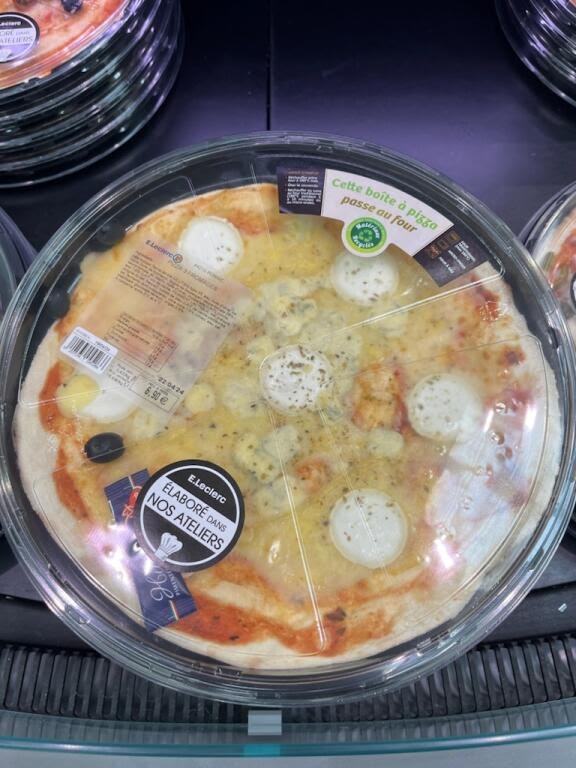
France – 3 cheese pizza and dry-cured ham Comté sandwich – Listeria monocytogenes

Gov France

Product category
Food
Product subcategory
Milk and dairy products
Product brand name
Unbranded
Model names or references
3 cheese pizza => use of the county 50% slices from the supplier Transgourmet CIPF CODIPAL DDM 04/22/2024 lot S4038LNU Sandwich Comté cured ham => use of the same county
Product identification
GTIN Batch Date
3554983001174 S4038LNU Use-by date 04/22/2024
Packaging
3 cheese pizza 420g plastic packaging transparent top black background Comté sandwich dried ham paper packaging (no photo)
Start/end date of marketing
From 03/25/2024 to 04/04/2024
Storage temperature
Product to keep in the refrigerator
Further information
The 3 cheese pizzas and sandwiches were made in our workshops between 03/25/2024 and 04/01/2024 with use of the county at DDM 04/22/2024 lot S4038LNU subject to a recall by Transgourmet
Geographical sales area
Departments: LOIRE-ATLANTIC (44)
Distributors
E. Leclerc Pornic E. Leclerc Saint Brévin E. Leclerc Drive Pornic E. Leclerc Drive Saint Brévin E. Leclerc Drive Saint Père en Retz E. Leclerc Drive Saint Michel Chef Chef E. Leclerc Drive Bourgneuf en Retz

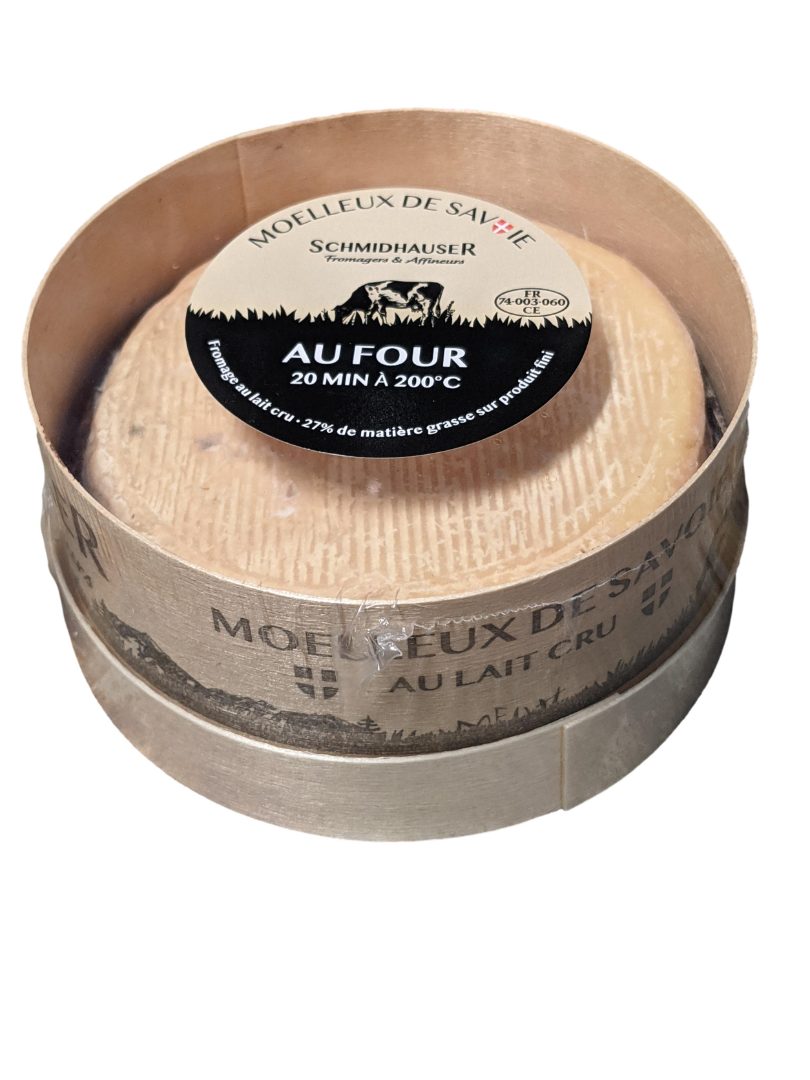
France – Cheese -SMALL STYLE SAVOIE SOFTWOOD – Listeria monocytogenes

Gov France

Product category
Food
Product subcategory
Milk and dairy products
Product brand name
SCHMIDHAUSER
Model names or references
SMALL STYLE SAVOIE SOFTWOOD
Product identification
GTIN Batch Date
3365670051170 12004924053 Use-by date between 05/01/2024 and 05/12/2024
Packaging
Wooden tray under film
Start/end date of marketing
From 04/02/2024 to 04/18/2024
Storage temperature
Product to keep in the refrigerator
Health mark
FR 74-003-060 CE
Geographical sales area
Whole France
Distributors
MONOPRIX, CARREFOUR, SHERPA
List of points of sale
List_of_stores_Le_moelleux_de_Savoie_Rappel_conso.pdf

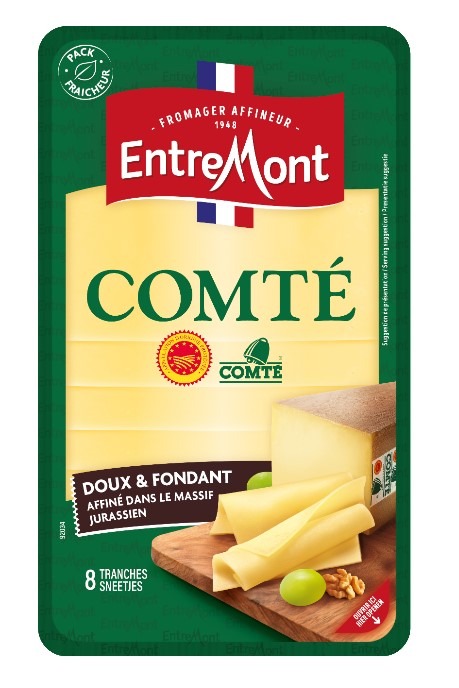
France – COMTE ENTREMONT SLICED 120g – Listeria monocytogenes

RASFF

Product category
Food
Product subcategory
Milk and dairy products
Product brand name
ENTREMONT
Model names or references
COMTE ENTREMONT SLICED 120g (8 slices)
Product identification
GTIN Batch Date
3123930617777 7440408-02; 7440408-03 Minimum durability date 04/08/2024
Products List
Poster_ENTREMONT_COMTE_TRANCHE_120g.pdfAttachment
Packaging
Plastic tray
Start/end date of marketing
From 02/08/2024 to 04/08/2024
Storage temperature
Product to keep in the refrigerator
Health mark
FR 39.558.001 CE
Further information
8 slices
Geographical sales area
Whole France
Distributors
LECLERC INTERMARCHE CARREFOUR AUCHAN MONOPRIX CASINO CORA SYSTEM U