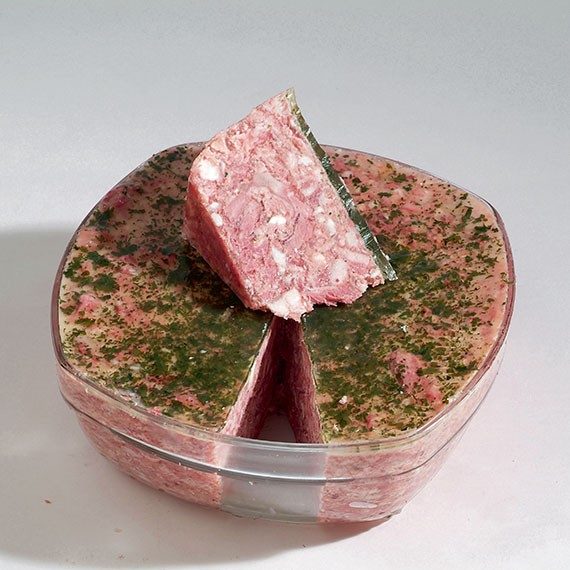
Parsley Head
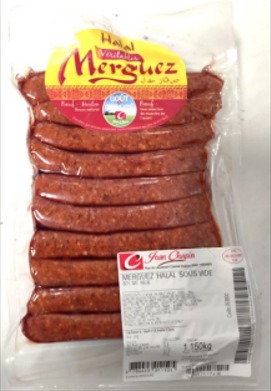
MERGEZ HALAL
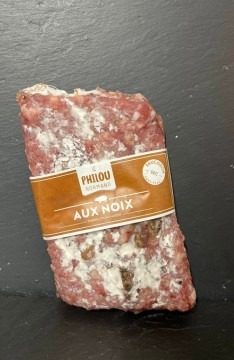
nature/ hazelnut/walnuts/ Porcini mushrooms/ Camembert / Goat cheese/ zizisson/ neufchâtel/ livarot / shallot red wine / tartiflette
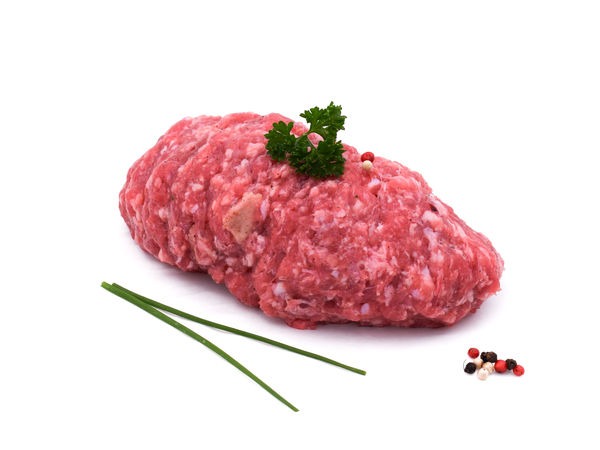
Tomato Stuffing
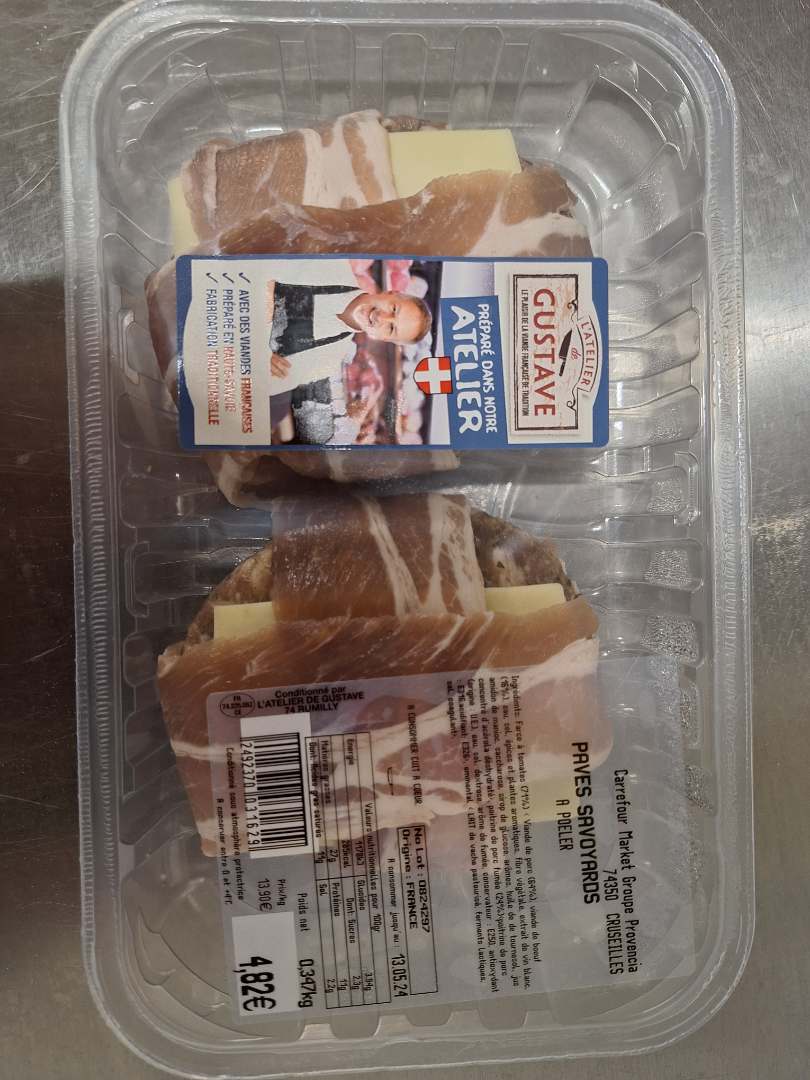
Savoyard Pavé

Parsley Head
MERGEZ HALAL
nature/ hazelnut/walnuts/ Porcini mushrooms/ Camembert / Goat cheese/ zizisson/ neufchâtel/ livarot / shallot red wine / tartiflette
Tomato Stuffing
Savoyard Pavé
Posted in food recall, product recall, Recall, Salmonella
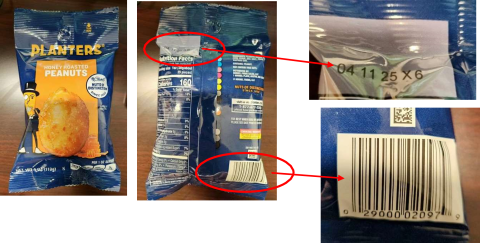
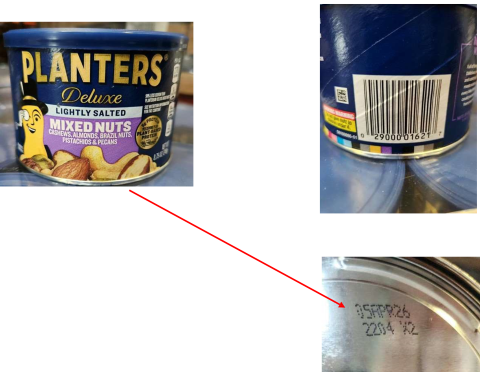
AUSTIN, Minn. (May 3, 2024) – Hormel Foods Sales, LLC is voluntarily recalling a limited number of two PLANTERS® products that were produced at one of its facilities in April. This recall only impacts two retailers in five states. These products are being recalled because they have the potential to be contaminated with Listeria monocytogenes.
Posted in food recall, Listeria, Listeria monocytogenes, product recall, Recall
Do not consume, use, sell, serve, or distribute recalled products
Posted in CFIA, food recall, Listeria, Listeria monocytogenes, product recall, Recall
I have had a few days break so today is holiday catch up so there will be more posts than normal.
Posted in Uncategorized
Bread Spread is recalling various chilled and ready to eat foods because Listeria monocytogenes has been found in some of the products.
| Pack size | All pack sizes |
|---|---|
| Use by | All date codes up to and including 18 May 2024 |
| Pack size | All pack sizes |
|---|---|
| Use by | All date codes up to and including 18 May 2024 |
| Pack size | All pack sizes |
|---|---|
| Use by | All date codes up to and including 18 May 2024 |
The presence of Listeria monocytogenes in the above products.
Symptoms caused by this organism can be similar to flu and include high temperature, muscle ache or pain, chills, feeling or being sick and diarrhoea. However, in rare cases, the infection can be more severe, causing serious complications, such as meningitis.
Some people are more vulnerable to listeria infections, including those over 65 years of age, pregnant women and their unborn babies, babies less than one month old and people with weakened immune systems.
Posted in food contamination, food handler, Food Hazard, Food Hygiene, Food Inspections, Food Micro Blog, Food Microbiology, Food Microbiology Blog, Food Microbiology Research, Food Microbiology Testing, Food Pathogen, Food Quality, food recall, Food Safety, Food Safety Alert, Food Safety Management, Food Safety Regulations, Food Testing, Listeria, Listeria monocytogenes
The objective of this study was to validate a simulated commercial baking process for traditional crust pepperoni pizza to inactivate Salmonella when contamination was introduced through inoculated flour and pepperoni slices. The unbleached flour and pepperoni slices were inoculated (separate studies) with a 3-serovar Salmonella cocktail and dried back to their respective pre-inoculation water activity level to achieve 6.14 and 6.84 log CFU/g, respectively. The inoculated traditional crust pizza was baked at 260°C (500 °F) for 12 min followed by 15 min of ambient cooling. In both cases, a >6 log CFU/g reduction in Salmonella population was achieved by the first 8 min of baking. The pH (5.23–5.25) and water activity (0.958 ± 0.001–0.938 ± 0.005) of the pizza in this study did not change significantly. The D-values of 3-serovar Salmonella cocktail in traditional crust pepperoni pizza dough were 23.2 ± 1.82, 7.50 ± 0.32, and 2.0 ± 0.15 min at 56°C, 59°C, and 62°C, respectively, with a z-value of 5.7°C. The study validated that traditional crust pepperoni pizzas when baked at 260°C (500 °F) for at least 12 min will reduce Salmonella populations by ≥5 log CFU/g if prebaking contamination occurs via flour and/ or pepperoni.
Posted in Food Microbiology Research, Research, Salmonella
Cronobacter sakazakii is a foodborne pathogen predominately transmitted through contaminated dried foods and affects populations including neonates, infants, and the elderly. Following several recent outbreaks, it is now a notifiable infection in those under 12 months of age. Current control methods include strict manufacturing guidelines, with monitoring of this genus a legal requirement in powdered infant formula production. Fatty acids have long been known as antimicrobials, with long-chain fatty acids increasingly identified as agents that target virulence factors. This study gives insight into the changes promoted by three long-chain unsaturated fatty acids (oleic, linoleic, and α-linolenic) on C. sakazakii growth, morphology, and biofilm formation. Each fatty acid was individually introduced to C. sakazakii 29544 both as a sole carbon source and as an addition to complex media. Following comparison to the untreated control, bacterial cells treated with these fatty acids showed a significant and media-dependent impact on growth and biofilm inhibition. With further characterization, long-chain fatty acids, including α-linolenic acid, could be utilized as a control method with minimal safety constraints regarding their use in the food production environment.


