Brand : COLOMBO
Name : GORGONZOLA PICCANTE DOP
Reason for reporting : Recall due to microbiological risk
Publication date : 23 July 2024


Brand : COLOMBO
Name : GORGONZOLA PICCANTE DOP
Reason for reporting : Recall due to microbiological risk
Publication date : 23 July 2024
Posted in food contamination, food handler, Food Hazard, Food Hygiene, Food Inspections, Food Micro Blog, Food Microbiology, Food Microbiology Blog, Food Microbiology Testing, Food Pathogen, Food Quality, food recall, Food Safety, Food Safety Alert, Food Safety Management, Food Safety Regulations, Food Testing, Listeria, Listeria in Cheese, Listeria monocytogenes
Additional produce has been added to the original recall as indicated below.
Willard, OH (July 22, 2024) – Out of an abundance of caution, Wiers Farm Inc. of Willard, OH, is expanding its July 12, 2024, recall to include additional produce because it may be contaminated with Listeria monocytogenes. Wiers Farm Inc., in cooperation with the Ohio Department of Agriculture (ODA), began its investigation in response to original findings reported by the Michigan Department of Agriculture (MDARD). This expansion is in response to that investigation. Products involved in this expanded recall were packed between July 5-12 (2024). Wiers Farm Inc. is committed to implementing all measures necessary to fully resolve this situation.
There have been no illnesses or consumer complaints reported to date.
Listeria monocytogenes is a type of bacteria that can cause listeriosis. Symptoms vary depending on the severity of the illness and symptoms may last from days to several weeks. Consumers who have consumed the affected product and are experiencing symptoms such as fever, muscle aches, and gastrointestinal issues should seek medical attention. For more information about Listeria monocytogenes, consumers can visit the Centers for Disease Control and Prevention (CDC) website.
Link to Original Press Release
Posted in FDA, food contamination, food handler, Food Hazard, Food Hygiene, Food Inspections, Food Micro Blog, Food Microbiology, Food Microbiology Blog, Food Microbiology Testing, Food Pathogen, Food Quality, food recall, Food Safety, Food Safety Alert, Food Safety Management, Food Safety Regulations, Food Testing, Listeria, Listeria monocytogenes
The Food Safety Authority of Ireland (FSAI) today states that it has been highlighted at EU level that there have been a low, but persistent, number of foodborne illnesses related to the consumption of raw or uncooked beans. These foodborne illnesses relate to the presence of naturally occurring lectins, which are found in some varieties of fresh and dried beans.
Lectins are proteins found in many plants such as tomatoes, potatoes and whole grains. However, legumes (green beans, lentils, peas, kidney beans, French beans, sugar snap peas, etc.) contain the highest amounts of lectins. Properly prepared legumes are a low-cost source of nutrients which are important in maintaining good health. They are considered a source of good quality protein and soluble fibre and are low in fat and calories. However, it is the consumption of uncooked or insufficiently prepared legumes that can cause illness in some consumers due to the presence of lectins.
The FSAI recommends that consumers take the precautions in the link above to reduce or eliminate the harmful properties of lectins, thereby making legumes safe to eat:

Following a notification via the RASFF system (European Rapid Alert System for Food and Feed), the AFSCA is withdrawing the product “lemon grass powder” (ground lemongrass) from the Cock Brand brand due to the possible presence of Bacillus cereus.
The AFSCA asks that you do not consume this product and return it to the point of sale where it was purchased.
Product Description :
– Product name: lemon grass powder
– Brand: Cock Brand
– Lot number: 2312202
– Expiration date (DDM): 02/15/2026
– Weight: 100g
The product was distributed through various outlets, including:
Sushi of the Detail 1348 Louvain-la-Neuve Rue des Wallons 8
Thai Store Sprl 5002 Saint-Servais Rue De Gembroux 378
Bestar Europe Bv 2100 Deurne (Antwerpen) Bisschoppenhoflaan 547-549
Welcome Asia Bv 3190 Boortmeerbeek Leuvensesteenweg 74b
For any further information, you can contact the AFSCA contact point for consumers: 0800/13.550 or pointdecontact@afsca.be.
Posted in afsca, Bacillus, Bacillus cereus, food contamination, food handler, Food Hazard, Food Hygiene, Food Inspections, Food Micro Blog, Food Microbiology, Food Microbiology Blog, Food Microbiology Testing, Food Pathogen, Food Quality, food recall, Food Safety, Food Safety Alert, Food Safety Management, Food Safety Regulations, Food Testing
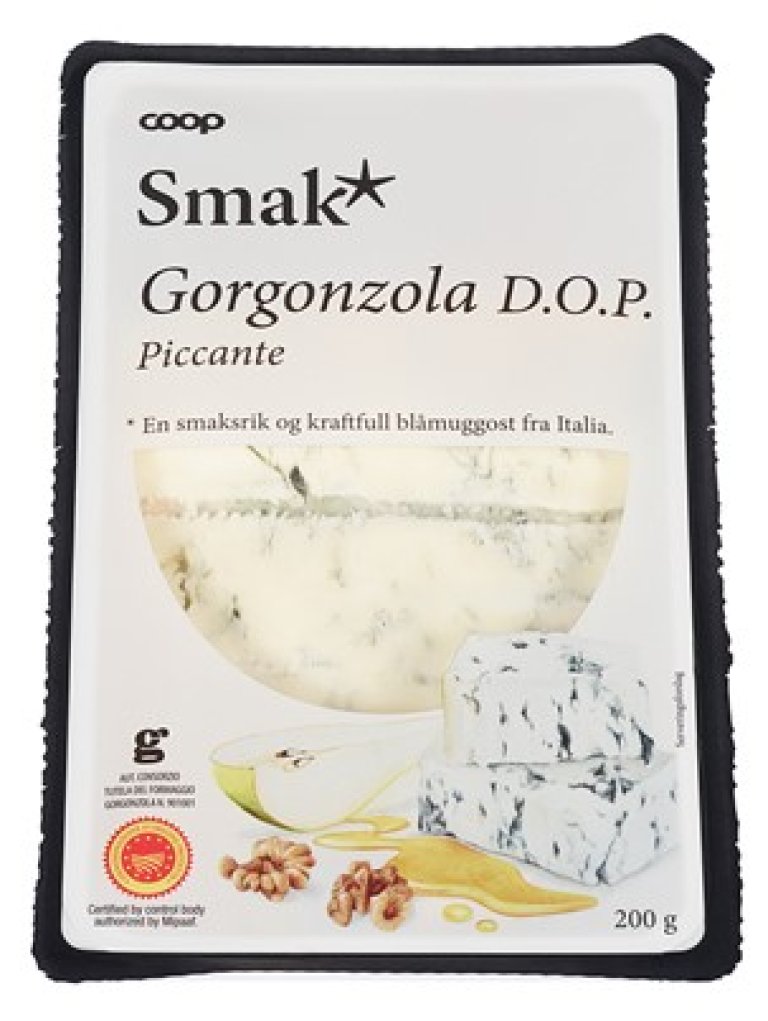
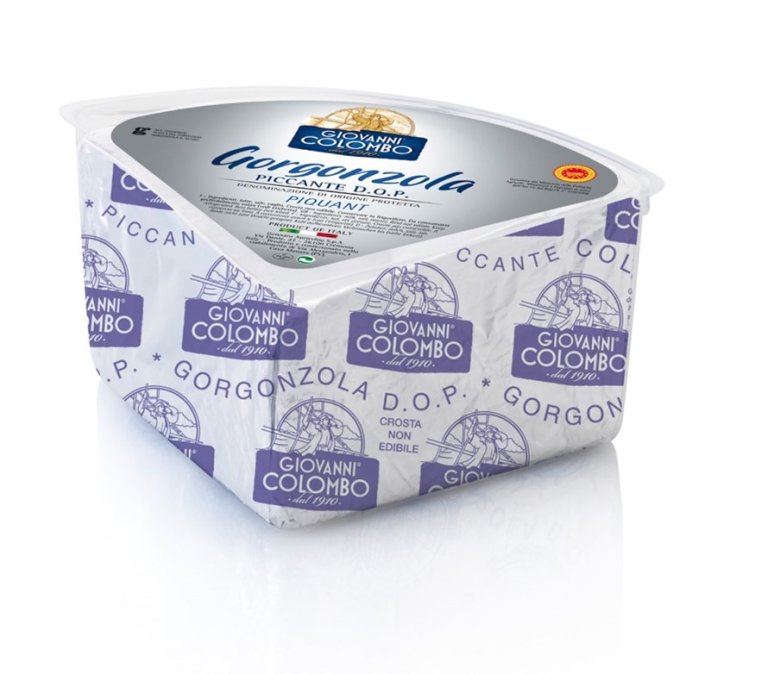
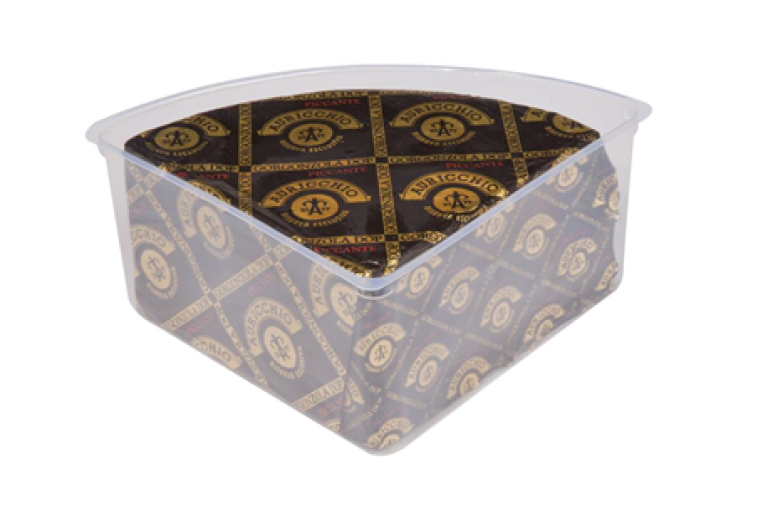
The product “Gorgonzola piccante DOP” from Italy is withdrawn from the market. The reason is the discovery of the bacterium Listeria Monocytogenes in cheese which has been distributed to several countries, including Norway.
The product is sold on to all Coop stores, as well as restaurants and wholesalers.
Listeria can cause a particular risk of serious illness in pregnant women and people with compromised immune systems. Listeria can grow at low temperatures, and in foods with a long shelf life it can grow to a high number of bacteria. The bacterium survives freezing.
The importers state that consumers who have bought the product can return it to the store or throw it away.
Posted in food contamination, food handler, Food Hazard, Food Hygiene, Food Inspections, Food Micro Blog, Food Microbiology, Food Microbiology Blog, Food Microbiology Testing, Food Pathogen, Food Quality, food recall, Food Safety, Food Safety Alert, Food Safety Management, Food Safety Regulations, Food Testing, Listeria, Listeria in Cheese, Listeria monocytogenes, Mattilsynet
Product Category
Food
Product subcategory
Milk and dairy products
Product brand name
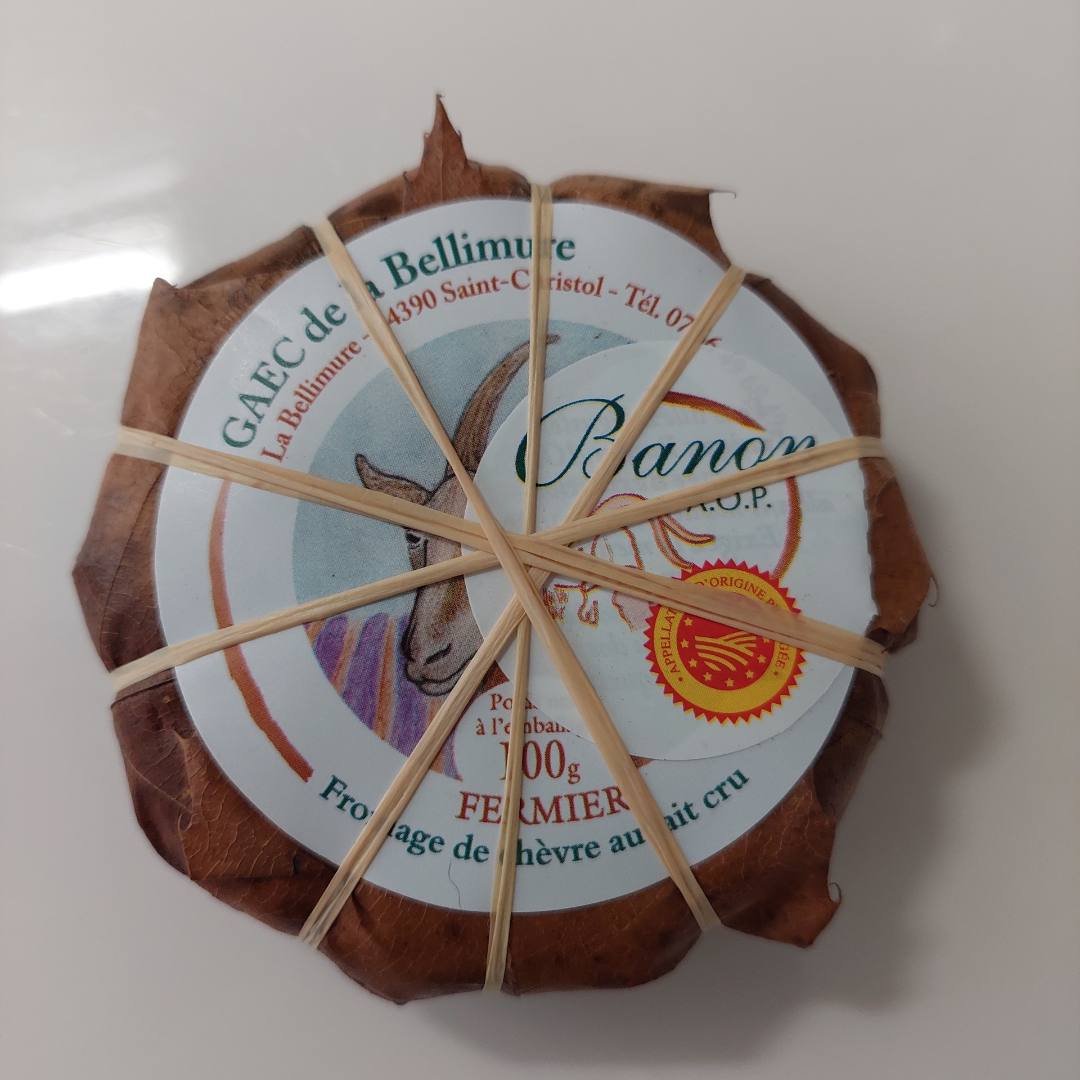
GAEC OF BELLIMURE
Model names or references
Banon ferme AOP 100g raw milk goat’s cheese Soft curd (old-style tomme) from farmhouse raw milk goat’s cheese Lactic type raw milk goat’s cheese
Product identification
Batch Date
Lots from 05/08/2024 to 07/18/2024 Minimum durability date 12/09/2024
Packaging
Naked
Start/End of marketing date
From 05/08/2024 to 07/19/2024
Storage temperature
Product to be kept in the refrigerator
Health mark
FR 84.107.001 CE
Geographic area of sale
Regions: Provence-Alpes-Côte d’Azur
Distributors
The Cours Bar 84390 Saint Christol d’Albion Hotel Restaurant Les Voyageurs 84440 Saint Saturnin les Apt Restaurant le Saint-Hubert 84440 Saint Saturnin les Apt Gîte La Fontaine 04 Simiane la Rotonde Bakery Chapeau Rouge 04 Simiane la Rotonde
Posted in food contamination, food handler, Food Hazard, Food Hygiene, Food Inspections, Food Micro Blog, Food Microbiology, Food Microbiology Blog, Food Microbiology Testing, Food Pathogen, Food Quality, food recall, Food Safety, Food Safety Alert, Food Safety Management, Food Safety Regulations, Food Testing, Yersinia, yersinia enterocolitica
QUEBEC CITY , July 22, 2024 /CNW/ – The Ministry of Agriculture, Fisheries and Food (MAPAQ), in collaboration with the company Cassis et Mélisse, located at 212, rang de la Pointe-Lévis, in Saint-Damien-de-Buckland , is advising the public not to consume the product indicated in the table below, as this food may contain the bacteria Listeria monocytogenes .
|
Product name |
Format |
Target lot |
|
Mooncake Cheese |
Variable |
D11 |
The product that is the subject of this warning was offered for sale until July 10, 2024, and only at the establishment designated above. The product was vacuum-packed in clear plastic wrap. It was sold refrigerated.
The operator is recalling the product in question. It has agreed with MAPAQ to issue this warning as a precautionary measure. In addition, people who have this product in their possession are advised not to consume it. They must return it to the establishment where they purchased it or throw it away. Even if the product does not show any signs of spoilage or suspicious odor, consuming food contaminated with the bacteria Listeria monocytogenes can cause listeriosis, a foodborne illness that can cause several symptoms, including fever, muscle aches, headaches, stiff neck, nausea, vomiting and diarrhea. Symptoms most often appear between 3 and 30 days after consuming the contaminated food, but can sometimes occur up to 70 days later. In this regard, pregnant women and their unborn children, the elderly, children and people with weakened immune systems are considered the most vulnerable.
It should be noted that no cases of illness associated with the consumption of this food have been reported to MAPAQ to date.
Posted in food contamination, food handler, Food Hazard, Food Hygiene, Food Inspections, Food Micro Blog, Food Microbiology, Food Microbiology Blog, Food Microbiology Testing, Food Pathogen, Food Quality, food recall, Food Safety, Food Safety Alert, Food Safety Management, Food Safety Regulations, Food Testing, Listeria, Listeria in Cheese, Listeria monocytogenes, mapaq
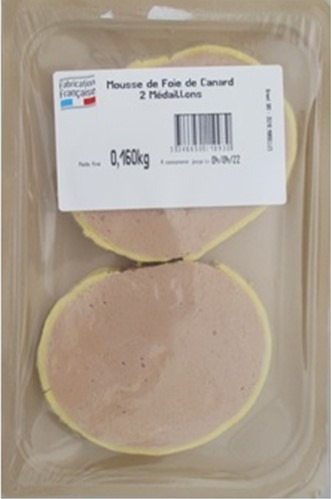
Product Category
Food
Product subcategory
Meats
Product brand name
Briant
Model names or references
duck mousse 2 medallions 160g (21731.30) duck mousse 2 slices 160g (21093.30)
Product identification
GTIN Batch Date
3346650210930 000011278822 Expiry date 08/13/2024
3346650217311 000011278839 Expiry date 08/13/2024
Packaging
packaging in trays under controlled atmosphere
Start/End of marketing date
From 07/18/2024 to 07/23/2024
Storage temperature
Product to be kept in the refrigerator
Health mark
FR 35196001 CE
Geographic area of sale
Whole France
Distributors
LECLERC INTERMARCHE ANISY LE CHATEAU CASINO MONTBARTIER + CASINO AIX Wholesalers
Posted in food contamination, Food Hazard, Food Hygiene, Food Inspections, Food Micro Blog, Food Microbiology, Food Microbiology Blog, Food Microbiology Testing, Food Pathogen, Food Quality, food recall, Food Safety, Food Safety Alert, Food Safety Management, Food Safety Regulations, Food Testing, Listeria, Listeria France, Listeria in Cheese, Listeria monocytogenes
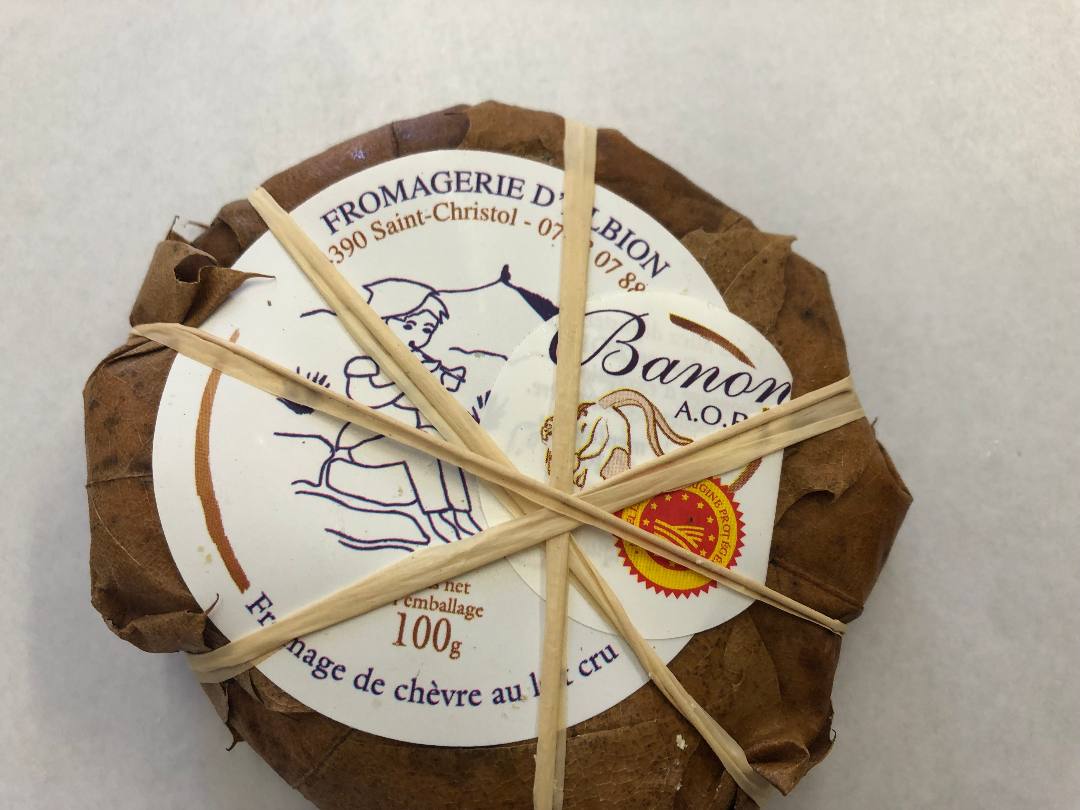
Product Category
Food
Product subcategory
Milk and dairy products
Product brand name
‘unbranded’
Model names or references
Banon, Old-style Tomme
Product identification
Batch Date
24/06-02/07-13/07 Minimum durability date between 01/08/2024 and 19/08/2024
Start/End of marketing date
From 07/01/2024 to 07/19/2024
Storage temperature
Product to be kept in the refrigerator
Geographic area of sale
Departments: VAUCLUSE (84)
Distributors
Direct point of sale at the Cheese Factory, Vival Sault,
Posted in food contamination, food handler, Food Hazard, Food Hygiene, Food Inspections, Food Micro Blog, Food Microbiology, Food Microbiology Blog, Food Microbiology Testing, Food Pathogen, Food Quality, food recall, Food Safety, Food Safety Alert, Food Safety Management, Food Safety Regulations, Food Testing, Yersinia, yersinia enterocolitica
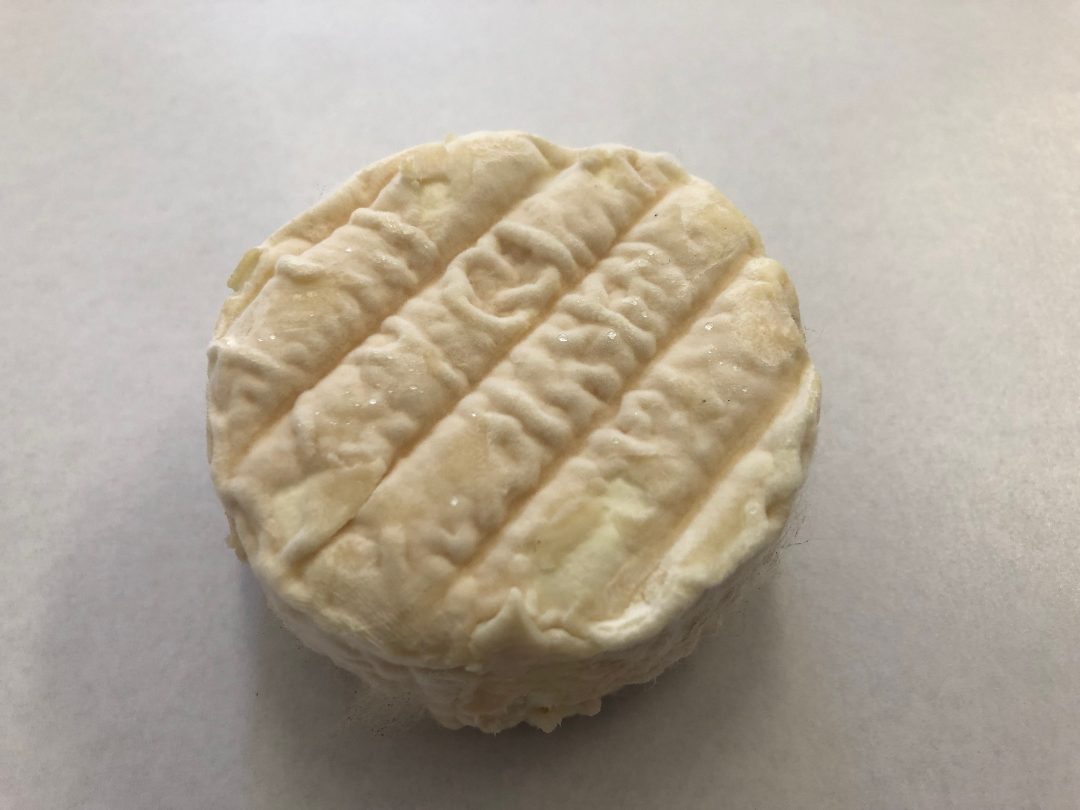
Product Category
Food
Product subcategory
Milk and dairy products
Product brand name
‘unbranded’
Model names or references
Goat Pitchoun
Product identification
Batch
06/24-06/29-01/07-06/07-09/07-11/07-13/07-15/07
Start/End of marketing date
From 06/26/2024 to 07/19/2024
Storage temperature
Product to be kept in the refrigerator
Geographic area of sale
Departments: ALPES-DE-HAUTE-PROVENCE (04), VAUCLUSE (84)
Distributors
Point of Sale at the Cheese Shop, Vival, Les Tables d’en Haut, Happiness is in the Cellar, Bistrot Saint Trinit, Bistrot de Lagarde d’Apt
Posted in food contamination, food handler, Food Hazard, Food Hygiene, Food Inspections, Food Micro Blog, Food Microbiology, Food Microbiology Blog, Food Microbiology Research, Food Microbiology Testing, Food Pathogen, Food Quality, food recall, Food Safety, Food Safety Alert, Food Safety Management, Food Safety Regulations, Food Testing, Yersinia


