Category Archives: Virus

Canada – Alasko brand IQF Whole Raspberries recalled due to Norovirus

CFIA

Summary

Product
IQF Whole Raspberries
Issue
Food – Microbial Contamination – Norovirus
What to do

Do not use, sell, serve or distribute the affected product.

Audience
Hotels, restaurants and institutions

Affected products

Alasko brand IQF Whole Raspberries recalled due to norovirus.

The recalled product has been sold in Quebec, Ontario and Nova Scotia.

USA – Multistate Outbreak of Hepatitis A Virus Infections Linked to Fresh Organic Strawberries

CDC

At a Glance
  • Reported cases: 18
  • States: 3
  • Hospitalizations: 13
  • Deaths: 0

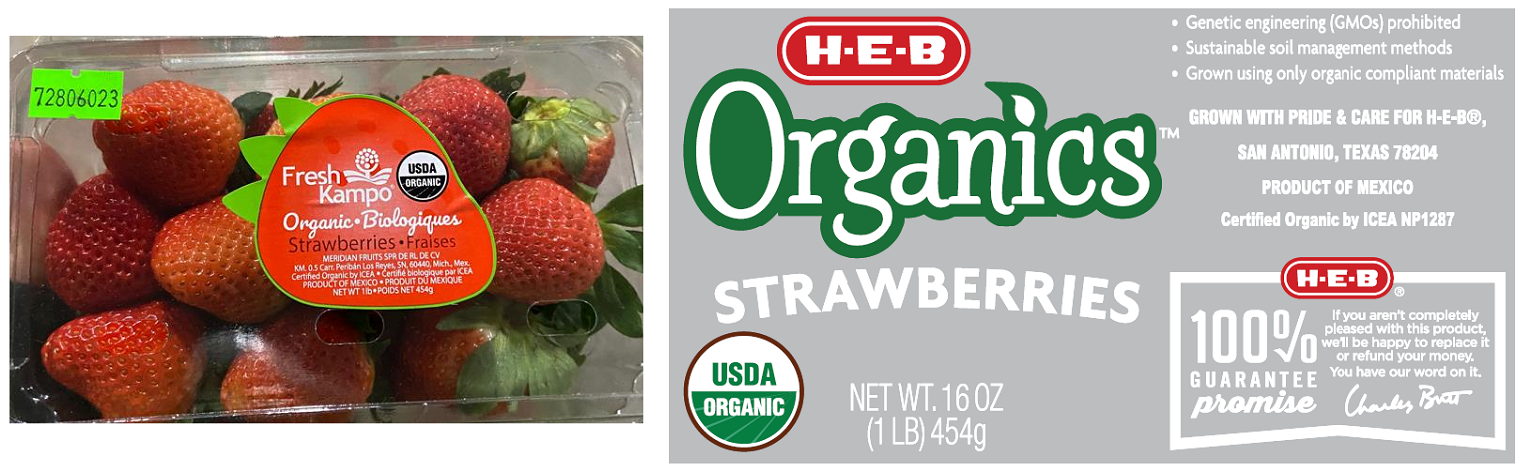
CDC recommends that people who purchased fresh organic strawberries branded as FreshKampo or HEB during March 5, 2022, through April 15, 2022, and then froze those strawberries for later consumption take the following actions:

  • Check your freezer for these fresh organic strawberries. If you froze them to eat later, do not eat them.
  • Throw away any remaining fresh organic strawberries that you froze for later consumption. If you are unsure of what brand you purchased, when you purchased your fresh organic strawberries, or where you purchased them prior to freezing them, you should throw the strawberries away.
  • If you have eaten these organic strawberries, purchased fresh and later frozen, within the last 14 days and are not vaccinated against hepatitis A, contact your local health department or health care provider to discuss getting postexposure prophylaxis (hepatitis A vaccine or immune globulin). Getting postexposure prophylaxis within 14 days of exposure can help prevent illness.
Outbreak Information
Clipboard icon
  • As of June 7, 2022, there are:
    • 18 outbreak-associated cases of hepatitis A reported from 3 states (California, Minnesota, and North Dakota).
    • Illnesses started on dates ranging from March 28, 2022, to May 6, 2022.
    • 13 people have been hospitalized. No deaths have been reported.
  • Epidemiologic and traceback evidence indicate that fresh organic strawberries are the likely source of this outbreak.
    • In interviews, 11/14 (79%) reported eating fresh organic strawberries.
What is Hepatitis A?

Hepatitis A is a contagious liver infection caused by the hepatitis A virus. The hepatitis A virus is found in the stool and blood of people who are infected. The hepatitis A virus is spread when someone ingests the virus, usually through close personal contact with an infected person or from eating contaminated food or drink. Hepatitis A can be prevented with a vaccine, which is recommended for all children at age one and adults at risk.

Symptoms of Hepatitis A

Human figure with ache
  • Symptoms of hepatitis A usually appear 2 to 7 weeks after exposure and can include
    • Yellow skin or eyes
    • Not wanting to eat
    • Upset stomach
    • Stomach pain
    • Throwing up
    • Fever
    • Dark urine or light-colored stools
    • Joint pain
    • Diarrhea
    • Feeling tired
  • Not everyone with hepatitis A has symptoms. Adults are more likely to have symptoms than children.
  • People who get hepatitis A may feel sick for a few weeks to several months but usually recover completely and do not have lasting liver damage. In some people, though, the illness may be so severe that the patient needs to be hospitalized.
  • In rare cases, hepatitis A can cause liver failure and even death. This is more common in older people and in people with other serious health issues, such as chronic liver disease.

USA – Norovirus implicated in Carnival Splendor outbreak

Outbreak News Today

In a follow-up on the gastrointestinal outbreak that affected 93 people (passengers and crew) onboard a recent voyage of Carnival Cruise Line’s, Carnival Splendor, the Centers for Disease Control and Prevention (CDC) now states that norovirus was the causative agent of the outbreak.

Seventy-seven passengers and 16 crew members suffered with symptoms of vomiting and diarrhea during the May 24–31, 2022 voyage.

USA – Urban Remedy Recalls Urban Remedy Organic Revitalizing Tea Tonic – Strawberry Hibiscus Rose Due to Possible Hepatitis A Contamination

FDA

Company Announcement

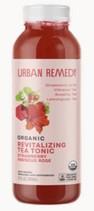
Urban Remedy is voluntarily recalling Urban Remedy Organic Revitalizing Tea Tonic Strawberry Hibiscus Rose (LOT 1232 BEST BY 7/17/2022) because it has the potential to be contaminated with Hepatitis A. Urban Remedy contracts Youngstown Grape Distributors Inc. to co-manufacture this product. The product may contain fresh organic strawberries linked to the FDA outbreak investigation of FreshKampo organic strawberries. https://www.fda.gov/food/outbreaks-foodborne-illness/outbreak-investigation-hepatitis-virus-strawberries-may-2022.

Hepatitis A is a contagious virus that can cause liver disease. A Hepatitis A virus (HAV) infection can range in severity from a mild illness lasting a few weeks to a severe illness lasting several months. In rare cases, particularly consumers who have a pre-existing severe illness or are immune compromised, Hepatitis A infections can progress to liver failure. Illness usually occurs within 15 to 50 days after eating or drinking contaminated food or water. Symptoms of Hepatitis A infection include fever, headache, fatigue, loss of appetite, nausea, vomiting, diarrhea, abdominal pain, jaundice, dark urine or pale stool. In some instances, particularly in children under the age of six, Hepatitis A infection may be asymptomatic.

Persons who may have purchased the affected product do not consume, if consumed consult your health care provider or local health department to determine if a vaccination is appropriate and consumers with symptoms of Hepatitis A should contact their health providers or the local health department immediately.

No illnesses have been reported consuming Urban Remedy product to date.

UPC Description Lot Number Product Size
813377025831 Urban Remedy Organic Revitalizing Tea Tonic Strawberry Hibiscus Rose 1232 Best By 7/17/2022 12oz

The product was sold in a 12oz resealable plastic bottle at various retail stores in CA, NM, VA, CO, WA, OR, CO, NY, PA, AZ, IL, OH, MD, WI, TX, WY, MO, ME, KY, MI, NC, MA, NE, and UT states between 5/17/2022 – 5/29/2022.

“At Urban Remedy, food safety is our company’s top priority,” said Paul Coletta, CEO. The company is committed to keeping their consumers informed and is asking those who purchased product with the affected lot number to dispose of the item or return it to place of purchase for full credit.

Consumers with additional questions can call (855) 875-8423 from 9:00 am to 6:00 pm PDT or email Connect@UrbanRemedy.com


Company Contact Information

Consumers:
 (855) 875-8423
 Connect@UrbanRemedy.com

Product Photos

USA – Outbreak Investigation of Hepatitis A Virus: Strawberries (May 2022)

FDA

The FDA, along with CDC, and state and local partners, is investigating a multistate outbreak of hepatitis Ainfections in the United States linked to fresh organic strawberries. These potentially contaminated strawberries were imported from Baja California, a state in northern Mexico and branded as FreshKampo and HEB by a common supplier; they were purchased between March 5, 2022, and April 25, 2022. The Public Health Agency of CanadaExternal Link Disclaimer and the Canadian Food Inspection AgencyExternal Link Disclaimer are also investigating an outbreak of hepatitis A. Imported fresh organic strawberries have been identified as the likely source of that outbreak.

Currently, these fresh organic strawberries branded as FreshKampo and HEB products are past shelf life and are not available for purchase in stores. People who purchased FreshKampo and HEB fresh organic strawberries between March 5, 2022, and April 25, 2022, and then froze those strawberries for later consumption should not eat them. These products may have been sold at the following retailers, including, but not limited to:

  • HEB
  • Kroger
  • Safeway
  • Sprouts Farmers Market
  • Trader Joe’s
  • Walmart
  • Weis Markets
  • WinCo Foods

If you are unsure of what brand you purchased, when you purchased your strawberries, or where you purchased them from prior to freezing them, the strawberries should be thrown away.

Epidemiologic and traceback data show that fresh organic strawberries are a likely source of illness in this outbreak. Illness onset dates range from March 28 – April 30, 2022. Records from outbreak-associated cases in California and Minnesota show cases having purchased FreshKampo brand fresh organic strawberries prior to becoming ill. These purchases occurred between March 5, 2022, and April 25, 2022. The traceback investigation for these cases shows that the strawberries were imported from Baja California, Mexico by a common supplier.  Strawberries that were identified in shipments purchased by cases were sold under both the FreshKampo and HEB brands.

As this investigation is ongoing, additional products may be included. More information will be provided in this advisory as it becomes available.

Recommendation

Consumers, restaurants, and retailers should not sell, serve, or eat any fresh organic strawberries branded as FreshKampo or HEB if purchased between March 5, 2022, and April 25, 2022. People who purchased the fresh strawberries and then froze those strawberries for later consumption should not eat them. They should be thrown away. Currently, the potentially contaminated product is past its shelf life. If you are unsure of what brand you purchased, when you purchased your strawberries, or where you purchased them from prior to freezing them, the strawberries should be thrown away.

If consumers purchased fresh organic strawberries branded as FreshKampo or HEB between March 5, 2022, and April 25, 2022, ate those berries in the last two weeks, and have not been vaccinated against hepatitis A, they should immediately consult with their healthcare professional to determine whether post exposure prophylaxis (PEP) is needed. PEP is recommended for unvaccinated people who have been exposed to hepatitis A virus in the last two weeks because vaccination can prevent a hepatitis A infection if given within 14 days of exposure. Those with evidence of previous hepatitis A vaccination or previous hepatitis A infection do not require PEP.

Contact your healthcare provider if you think you may have symptoms of a hepatitis A infection after eating these fresh organic strawberries, or if you believe that you have eaten these strawberries in the last two weeks.

Product Images

Outbreak Investigation of Hepatitis A Virus: Strawberries (May 2022) - Sample Product Images

Case Counts

Total U.S. Illnesses: 17
Hospitalizations: 12
Deaths: 0
Last illness onset: April 30, 2022
States with Cases: CA (15), MN (1), ND (1)
Product Distribution: Nationwide

Useful Links

Canada – Whole raspberries (frozen) recalled due to Norovirus

CFIA

Summary

Product
Whole raspberries (frozen)
Issue
Food – Microbial Contamination – Norovirus
What to do

Do not consume recalled products

Affected products

Issue

Épicerie Frenette is recalling the affected product from the marketplace due to possible norovirus contamination.

The recalled product has been sold at Épicerie Frenette, 625 rue Principale, Beresford, New Brunswick.

What you should do

  • If you think you became sick from consuming a recalled product, call your doctor
  • Check to see if you have recalled products
  • Do not consume recalled products
  • Recalled products should be thrown out or returned to the location where they were purchased

People with norovirus illness usually develop symptoms of gastroenteritis within 24 to 48 hours, but symptoms can start as early as 12 hours after exposure. The illness often begins suddenly. Even after having the illness, you can still become re-infected by norovirus. The main symptoms of norovirus illness are diarrhea, vomiting (children usually experience more vomiting than adults), nausea and stomach cramps. Other symptoms may include low-grade fever, headache, chills, muscle aches and fatigue (a general sense of tiredness).  Most people feel better within one or two days, with symptoms resolving on their own, and experience no long-term health effects. As with any illness causing diarrhea or vomiting, people who are ill should drink plenty of liquids to replace lost body fluids and prevent dehydration. In severe cases, patients may need to be hospitalized and given fluids intravenously.

Canada – Certain Tri-Star Seafood Supply Ltd. Spot Prawns recalled due to Norovirus

CFIA

Summary

Product
Certain Spot Prawns
Issue
Food – Microbial Contamination – Norovirus
What to do

Do not consume, use, sell, serve, or distribute the recalled products

Affected products

Issue

Tri-Star Seafood Supply Ltd. is recalling certain Spot Prawns from the marketplace due to possible norovirus contamination.

The recalled products have been sold in British Columbia and Ontario and may have been distributed in other provinces and territories.

What you should do

  • If you think you became sick from consuming a recalled product, call your doctor
  • Check to see if you have the recalled products in your home or establishment
  • Do not consume the recalled products
  • Do not serve, use, sell, or distribute the recalled products
  • Recalled products should be thrown out or returned to the location where they were purchased
  • Consumers who are unsure if they have purchased the affected products are advised to contact their retailer

People with norovirus illness usually develop symptoms of gastroenteritis within 24 to 48 hours, but symptoms can start as early as 12 hours after exposure. The illness often begins suddenly. Even after having the illness, you can still become re-infected by norovirus. The main symptoms of norovirus illness are diarrhea, vomiting (children usually experience more vomiting than adults), nausea and stomach cramps. Other symptoms may include low-grade fever, headache, chills, muscle aches and fatigue (a general sense of tiredness).  Most people feel better within one or two days, with symptoms resolving on their own, and experience no long-term health effects. As with any illness causing diarrhea or vomiting, people who are ill should drink plenty of liquids to replace lost body fluids and prevent dehydration. In severe cases, patients may need to be hospitalized and given fluids intravenously.

Quebec – Notice not to consume Below Zero brand frozen IQF whole raspberries sold by Segal Grocery

Quebec

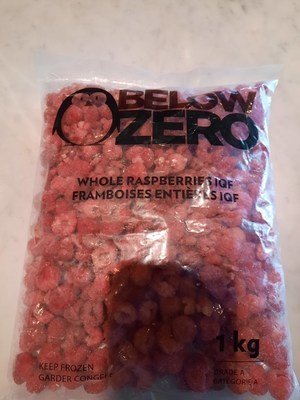
IQF Whole Raspberries (CNW Group/Ministry of Agriculture, Fisheries and Food)

QUEBEC CITY , May 31, 2022 /CNW Telbec/ – The Ministry of Agriculture, Fisheries and Food (MAPAQ), in collaboration with the Food Inspection Division of the City of Montreal and the Segal Grocery , warns the public not to consume the product indicated in the table below, because this food may have been contaminated with a norovirus.

This warning stems from a Canadian Food Inspection Agency food recall involving Below Zero brand IQF Whole Raspberries originating from China and distributed to several establishments across Canada .

The product was offered in a frozen state. Its label includes, in addition to its name, the mentions “Below Zero” and “Mantab”.

Establishment

Product name

Format

Affected lot

Segal grocery store

4001, boul. Saint Laurent

Montreal

“IQF Whole Raspberries”

1kg

Lot No. XT21253

PO| : M14475

BB/MA: 2023-SE-09

The company named in the table is voluntarily recalling the product in question. It has agreed with MAPAQ and the Food Inspection Division of the City of Montreal to issue this warning as a precautionary measure. In addition, people who have this product in their possession are advised not to consume it. They must return it to the establishment where they bought it or throw it away.

Even if the product does not show signs of tampering or a suspicious odor, it is likely to be contaminated with norovirus. People exposed to this virus usually show symptoms within 24 to 48 hours of consumption. Common symptoms are nausea, vomiting, diarrhea and abdominal cramps. Muscle pain, fatigue, fever, chills and headache may also occur. Cases of illness have been reported to MAPAQ and could be associated with the consumption of this food.

Canada – Certain Tri-Star Seafood Supply Ltd. brand Live Spot Prawns recalled due to Norovirus

CFIA

Food Borne Illness - Norovirus -CDC Photo

Summary

Product
Certain Live Spot Prawns
Issue
Food – Microbial Contamination – Norovirus
What to do

Do not consume, use, sell, serve, or distribute the recalled product

Affected products

Issue

Tri-Star Seafood Supply Ltd. is recalling certain Tri-Star Seafood Supply Ltd. brand Live Spot Prawns from the marketplace due to possible norovirus contamination.

The recalled product has been sold in British Columbia, Alberta, Manitoba, and Ontario, and may have been distributed in other provinces and territories.

What you should do

  • If you think you became sick from consuming a recalled product, call your doctor
  • Check to see if you have the recalled product in your home or establishment
  • Do not consume the recalled product
  • Do not serve, use, sell, or distribute the recalled product
  • Recalled products should be thrown out or returned to the location where they were purchased
  • Consumers who are unsure if they have purchased the affected product are advised to contact their retailer

People with norovirus illness usually develop symptoms of gastroenteritis within 24 to 48 hours, but symptoms can start as early as 12 hours after exposure. The illness often begins suddenly. Even after having the illness, you can still become re-infected by norovirus. The main symptoms of norovirus illness are diarrhea, vomiting (children usually experience more vomiting than adults), nausea and stomach cramps. Other symptoms may include low-grade fever, headache, chills, muscle aches and fatigue (a general sense of tiredness).  Most people feel better within one or two days, with symptoms resolving on their own, and experience no long-term health effects. As with any illness causing diarrhea or vomiting, people who are ill should drink plenty of liquids to replace lost body fluids and prevent dehydration. In severe cases, patients may need to be hospitalized and given fluids intravenously.

USA – Outbreak Investigation of Hepatitis A Virus: Strawberries (May 2022)

FDA

Hepatitis A kswfoodworld

The FDA, along with CDC, the Public Health Agency of Canada and the Canadian Food Inspection Agency, state, and local partners are investigating a multistate outbreak of hepatitis A infections in the United States and Canada potentially linked to fresh organic strawberries branded as FreshKampo and HEB, purchased between March 5, 2022, and April 25, 2022.

Currently, the potentially affected FreshKampo and HEB products are past shelf life. People who purchased FreshKampo and HEB fresh organic strawberries between March 5, 2022, and April 25, 2022, and then froze those strawberries for later consumption should not eat them. These products were sold at the following retailers, including, but not limited to:

  • Aldi
  • HEB
  • Kroger
  • Safeway
  • Sprouts Farmers Market
  • Trader Joe’s
  • Walmart
  • Weis Markets
  • WinCo Foods

If you are unsure of what brand you purchased, when you purchased your strawberries, or where you purchased them from prior to freezing them, the strawberries should be thrown away.

Epidemiologic and traceback data show that fresh organic strawberries  sold as FreshKampo and HEB brands that were purchased between March 5, 2022, and April 25, 2022, are a likely cause of illness in this outbreak. The traceback investigations show that cases in California, Minnesota, and Canada report having purchased fresh organic strawberries branded as FreshKampo or HEB prior to becoming ill. Illness onset dates range from March 28 – April 30, 2022.

As this investigation is ongoing, additional products may be included. More information will be provided in this advisory as it becomes available.

Recommendation

Consumers, restaurants, and retailers should not sell, serve, or eat any fresh organic strawberries branded as FreshKampo or HEB if purchased between March 5, 2022, and April 25, 2022. People who purchased the fresh strawberries and then froze those strawberries for later consumption should not eat them. They should be thrown away. Currently, the potentially affected product is past its shelf life. If you are unsure of what brand you purchased, when you purchased your strawberries, or where you purchased them from prior to freezing them, the strawberries should be thrown away.

If consumers purchased fresh organic strawberries branded as FreshKampo or HEB between March 5, 2022, and April 25, 2022, ate those berries in the last two weeks, and have not been vaccinated against hepatitis A, they should immediately consult with their healthcare professional to determine whether post exposure prophylaxis (PEP) is needed. PEP is recommended for unvaccinated people who have been exposed to hepatitis A virus in the last two weeks because vaccination can prevent a hepatitis A infection if given within 14 days of exposure. Those with evidence of previous hepatitis A vaccination or previous hepatitis A infection do not require PEP.

Contact your healthcare provider if you think you may have symptoms of a hepatitis A infection after eating these fresh organic strawberries, or if you believe that you have eaten these strawberries in the last two weeks.

Case Counts

Total U.S. Illnesses: 17
Hospitalizations: 12
Deaths: 0
Last illness onset: April 30, 2022
States with Cases: CA (15), MN (1), ND (1)
Product Distribution: Nationwide