Category Archives: Toxin

RASFF Alerts – Aflatoxin – Dried Figs – Rice -Groundnut Kernels – Hazlenuts

RASFF-Logo

RASFF – aflatoxins (B1 = 255.4 / B1 = 30.8 µg/kg – ppb) in dried figs from Turkey in Italy

RASFF – aflatoxins (B1 = 19 µg/kg – ppb) in rice from Myanmar in Portugal

RASFF – aflatoxins (B1 = 20; Tot. = 23 µg/kg – ppb) in groundnut kernels from the United States in the Netherlands

RASFF – aflatoxins (B1 = 13.4; Tot. = 33 µg/kg – ppb) in dried figs garland from Turkey in Malta

RASFF – aflatoxins (B1 = 12.44 µg/kg – ppb) in shelled hazelnuts from Turkey in Italy

RASFF – aflatoxins (B1 = 20.4; Tot. = 22.1 µg/kg – ppb) in groundnuts with shell from the United States in Germany

RASFF – aflatoxins (B1 = 30.12; Tot. = 31 µg/kg – ppb) in dried figs from Turkey in Italy


Canada -Food Recall Warning – MF Inc. brand fishballs recalled due to potential presence of dangerous bacteria – Clostridium botulinum

CFIA

Recall details

Ottawa, October 19, 2019 – Mannarich Foods Inc. is recalling fishballs from the marketplace because they may permit the growth of Clostridium botulinum. Consumers should not consume the recalled products described below.

Recalled products

Brand Product Size UPC Codes
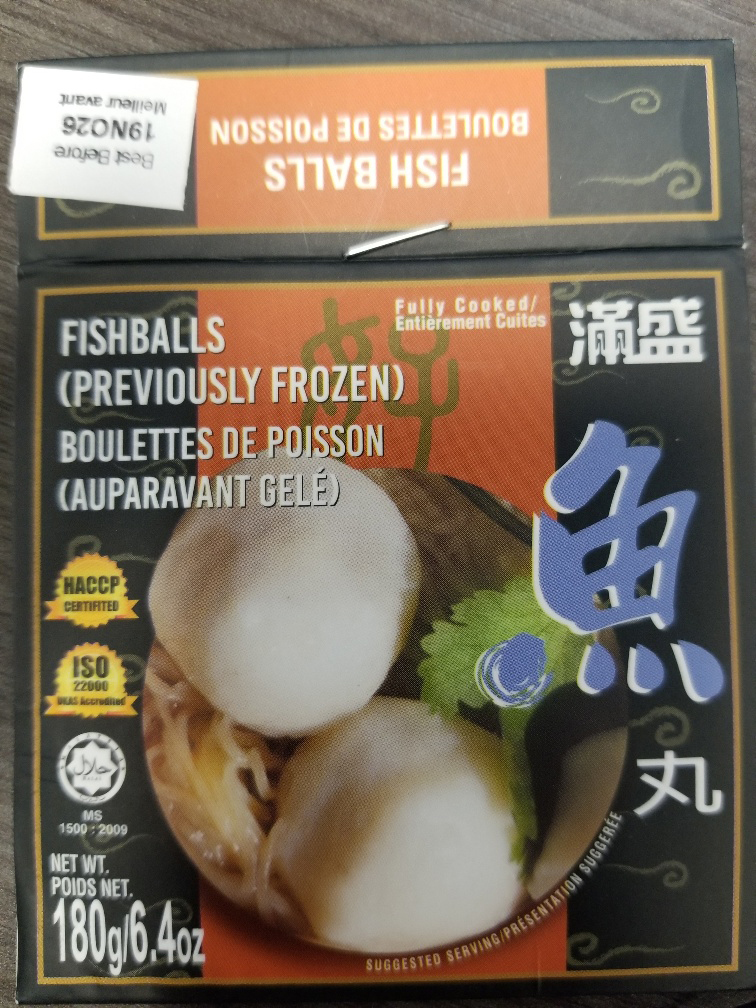
MF Inc. Fishballs (previously frozen) 180 g 0 68636 03040 2 All units sold up to and including October 21, 2019
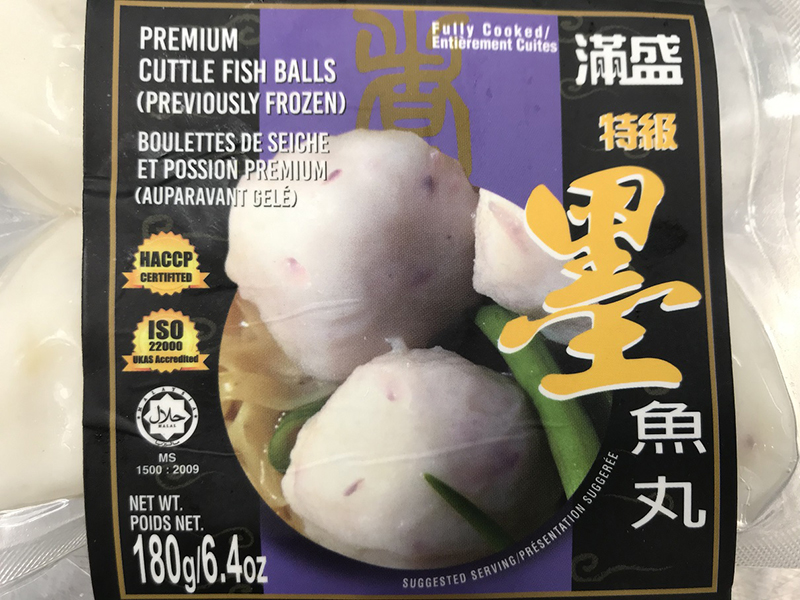
MF Inc. Premium cuttle fish balls (previously frozen) 180 g 0 68636 02030 4 All units sold up to and including October 21, 2019
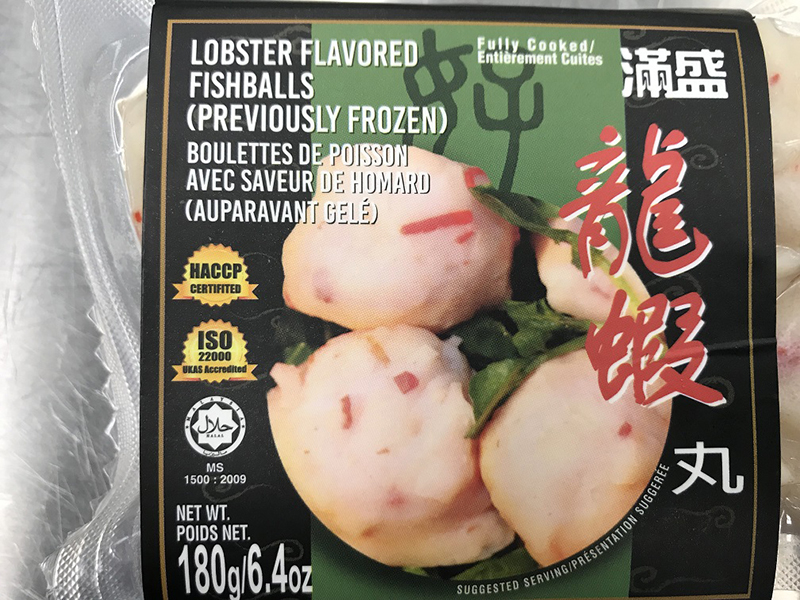
MF Inc. Lobster flavored fishballs (previously frozen) 180 g 0 68636 03430 1 All units sold up to and including October 21, 2019
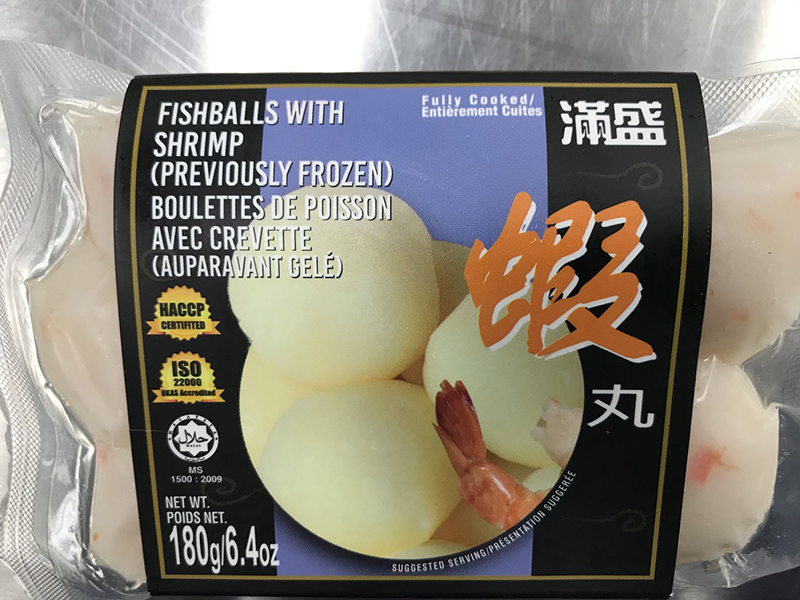
MF Inc. Fishballs with shrimp (previously frozen) 180 g 0 68636 02011 3 All units sold up to and including October 21, 2019

What you should do

If you think you became sick from consuming a recalled product, call your doctor.

Check to see if you have the recalled products in your home. Recalled products should be thrown out or returned to the store where they were purchased.

Food contaminated with Clostridium botulinum toxin may not look or smell spoiled but can still make you sick.

Symptoms in adults can include facial paralysis or loss of facial expression, unreactive or fixed pupils, difficulty swallowing, drooping eyelids, blurred or double vision, difficulty speaking or including slurred speech, and a change in sound of voice, including hoarseness.

Symptoms of foodborne botulism in children can include difficulty swallowing, slurred speech, generalized weakness and paralysis. In all cases, botulism does not cause a fever.  In severe cases of illness, people may die.

Background

This recall was triggered by Canadian Food Inspection Agency (CFIA) test results. The CFIA is conducting a food safety investigation, which may lead to the recall of other products. If other high-risk products are recalled, the CFIA will notify the public through updated Food Recall Warnings.

The CFIA is verifying that industry is removing the recalled products from the marketplace.

Illnesses

There have been no reported illnesses associated with the consumption of these products.

Product photos

Printer ready version of photos

  • Fishballs (previously frozen)
  • Premium cuttle fish balls (previously frozen)
  • Lobster flavored fishballs (previously frozen)
  • Fishballs with shrimp (previously frozen)

RASFF Alert – Ochratoxin A – Dried Raisins

RASFF-Logo

RASFF – ochratoxin A (21.91 µg/kg – ppb) in dried raisins from China in Poland

USA – Gramco, Inc. Recalls Hog Grower Pellets because of Elevated Vomitoxin Levels

FDA

Company Announcement

Gramco, Inc. of Springville, New York is recalling bags of Hog Grower Pellets because it contains levels of vomitoxin (a mycotoxin) that could be harmful to swine growth and potentially fatal to young swine.

This product has a lot number of 47284 and it was produced on July 8, 2019. The FDA tested a product sample and has determined that the levels of vomitoxin in this lot exceeds its guidelines for swine feed. The FDA notified us of the results and that they were considered too high for swine feed and we took action as soon we learned of it. This product was sold to a retailer in the Bradford, Pa. area and other than that, it was sold to end-users who either had it delivered to their farms for use or picked it up at the plant for use at home. At this point, we have not had any complaints of animal refusal for intake, nor have we had any complaints of animal health issues or worse.

The product in question all went into 50 pound bags that would have the Gramco, Inc. logo on them.

Vomitoxin (Deoxynivalenol) is known to cause vomiting (emesis), ulcer in the mouth, feed refusal, and decreased body weight gain in swine of all age classes. Swine exposure to elevated levels of vomitoxin in feed for extended period may lead to intestinal and liver damages, kidney failure, immune system failure, and eventually death.

Working with the FDA, we are instituting a revised testing program to help prevent this in the future. We look forward to working with you and we apologize for any inconveniences brought on by this incident.

If you have any of these bags left please do not feed them and please contact John Wallace at 716-592-2845 between the hours of 7 a.m. and 5 p.m. Monday thru Friday.

Here is a copy of the tag that would be on the bags with a rubber date stamp of July 8th, 2019 near the top.


Company Contact Information

Consumers:
John Wallace
 716-592-2845

Product Photos

RASFF Alerts – Ochratoxin A – Raisins – Chilli Powder

Last two weeks catch up

RASFF-Logo

RASFF – ochratoxin A (31.7 µg/kg – ppb) in organic raisins from Lithuania in Denmark

RASFF – ochratoxin A (30 µg/kg – ppb) in raisins from Turkey in France

RASFF – ochratoxin A (23 µg/kg – ppb) in organic raisins from Turkey in France

RASFF – ochratoxin A (30.6 µg/kg – ppb) in organic chilli powder from the United Kingdom in the Netherlands

RASFF Alerts – Aflatoxin – Melon Seeds Powder – Crushed Chilli – Banku Mix – Nutmeg – Groundnuts – Dried Figs – Peanuts – Hazlenuts – Chilli Peppers

Last two weeks catch up.

RASFF-Logo

RASFF – aflatoxins (B1 = 9.6; Tot. = 12.2 µg/kg – ppb) in melon seeds powder from Togo in Switzerland

RASFF – aflatoxins (B1 = 10.2; Tot. = 10.5 µg/kg – ppb) in crushed chilli from India in the UK

RASFF – aflatoxins (B1 = 11.4; Tot. = 13.2 / B1 = 10.1; Tot. = 11.3 µg/kg – ppb) in banku mix from Ghana, via the Netherlands in Germany

RASFF – aflatoxins (B1 = 17; Tot. = 21 µg/kg – ppb) in nutmeg from Lebanon in the Netherlands

RASFF – aflatoxins (B1 = 58.7; Tot. = 62.8 µg/kg – ppb) in groundnuts from Nicaragua in Lithuania

RASFF – aflatoxins (B1 = 13.8; Tot. = 17.1 µg/kg – ppb) in organic whole nutmegs from Indonesia in the UK

RASFF – aflatoxins (B1 = 10.9 µg/kg – ppb) and ochratoxin A (38 µg/kg – ppb) in dried figs from Turkey in Finland

RASFF – aflatoxins (B1 = 4.2; Tot. = 5 µg/kg – ppb) in groundnuts in shell from China in the UK

RASFF – aflatoxins (B1 = 4.1; Tot. = 18.9 µg/kg – ppb) in groundnuts from China in Spain

RASFF – aflatoxins (B1 = 5.1 µg/kg – ppb) in peanuts from the United States in the Netherlands

RASFF – aflatoxins (B1 = 78; Tot. = 88 / B1 = 38; Tot. = 44 µg/kg – ppb) in groundnuts from Egypt in the Netherlands

RASFF – aflatoxins (Tot. = 17.9 µg/kg – ppb) in hazelnut kernels from Azerbaijan in Bulgaria

RASFF – aflatoxins (B1 = 52.6; Tot. = 55.3 µg/kg – ppb) in organic chilli peppers from the United Kingdom in the Netherlands

RASFF – aflatoxins (B1 = 7.4; Tot. = 10.9 µg/kg – ppb) in roasted chopped hazelnut kernels from Azerbaijan, dispatched from Georgia in Bulgaria

RASFF – aflatoxins (B1 = 12 µg/kg – ppb) in organic chilli peppers from India, via the United Kingdom in the Netherlands

RASFF – aflatoxins (B1 = 6; Tot. = 6.59 µg/kg – ppb) in organic chilli pepper from the United Kingdom in the Netherlands

Research – H test for exclusion: A guide to an intervention approach to lessen the risk of aflatoxin‐contaminated foods in sorely contaminated regions

Wiley Online

Abstract

This research was done on the assumption that the risk for hepatocellular carcinoma (HCC) development that attributed to the consumption of highly contaminated food (HCF) with aflatoxin, may have a major contribution to the total of expected risk. If this hypothesis is true, it is easy to apply an effective and low‐cost intervention approach by excluding HCF and then subjecting it to treatments before use. To examine this hypothesized, H test for exclusion (Hx) model was developed as a computer program, in order to estimates the daily intake, the margin of exposure, and HCC cases per 105individuals for selected groups of contaminated food samples. To show how this model works, the model was demonstrated in a real example. The obtained results showed that the actual application of excluding HCF would result in a reduction of the expected cancer cases by 58%. Further, this model illustrates comparisons between permitted and nonpermitted samples with regards to international legislation. The model is particularly suitable for regions where contaminated crops and foods are prevalent. It is also convenient for addressing chronic exposure of commonly consumed food commodities to lower contamination levels.

Practical applications

For aflatoxin in contaminated crops, the Hx program can be used in order to estimates the daily intake, the margin of exposure (MOE), and the expected hepatocellular carcinoma (HCC) cases per 105. Furthermore, it provides a smooth rapprochement between non‐permitted and permitted samples in accordance with international legislation. In fact, the actual application of the model in regions where contaminated crops and foods are predominant can lead to efficient treatments with limited economic losses by excluding HCF.

USA -Colorado Adds Marijuana Fungus Testing Requirements

Westword

Commercial marijuana products in Colorado will soon be subject to further testing for dangerous fungus, according to the state Marijuana Enforcement Division. In a bulletin recently sent to the state’s marijuana industry, the MED announced that mycotoxins will be added to the microbial testing requirements for concentrates by September 15.

A toxic metabolite produced by fungi, mycotoxins colonize crops and can be found in various forms of mold. Symptoms that appear after consuming mycotoxins include coughing, wheezing, nose stuffiness and irritated eyes and skin — but mycotoxins can also cause severe respiratory damage, and are capable of giving animals and humans chronic, deadly diseases if consumed at high levels for long periods of time.

The new requirements will only be mandatory for batches of concentrate produced from marijuana plant material that already failed microbial testing.

RASFF Alert – Aflatoxin – Pistachios in Shell

RASFF-Logo

RASFF – aflatoxins (B1 = 45; Tot. = 49.2 µg/kg – ppb) in pistachios in shell from Iran in Germany

Tanzania – Suspected aflatoxin outbreak reported in Tanzania

Outbreak News Today

A suspected aflatoxicosis outbreak is being reported in Tanzania. The World Health Organization (WHO) was informed of the situation by the Ministry of Health in late June.

Since June 1, sporadic cases, presenting with symptoms and signs on abdominal distention, jaundice, vomiting, swelling of lower limbs, with a few cases of fever and headache, from Dodoma and Manyara Regions in Tanzania.

As of Aug. 11, a total of 53 cases and 8 deaths have been reported as from Chemba, Kondoa and Kiteto Districts. The situation is under investigation.

Aflatoxin is a potent toxin and a very serious health issue in many parts of the developing world. Major outbreaks have been seen in Africa, India, Malaysia and Taiwan over the years.

This mycotoxin is a natural toxin produced as a secondary metabolite to certain strains of the fungus Aspergillus, in particular Aspergillus flavus and Aspergillus parasiticus.

The toxin is then excreted onto plants or pre-processed foods, some intended for human consumption.