Category Archives: Technology

Research – Comparison of peracetic acid and chlorine effectiveness during fresh-cut vegetables processing at industrial scale

Journal of Food Protection

This study was conducted to compare the efficacy of two sanitizing agents (chlorine and PAA) in reducing (both spoilage and pathogenic) microorganisms and in reducing disinfection by-products ( DBPs) in the washing stage of three types of minimally processed vegetables: Iceberg lettuce, carrots and baby leaves. These fresh-cut products are consumed uncooked and, hence, a proper sanitation is essential in preventing food-borne illness outbreaks. The comparison was done at industrial scale, using equipment already present in the fresh-cut industry and washers designed and manufatured for this purpose. Results showed that, regarding washing water hygiene and final product microbial quality, the use of PAA had a similar efficacy than chlorine. Different scenarios (SCN) combining PAA, chlorine and water have been tested simulating the current industrial processes for each one of the tested vegetables. Overall, results confirmed that the use of a sanitizer, PAA or chlorine, in the washing water of the three tested vegetables is effective for the prevention of cross-contamination during the washing process and hence, to guarantee produce food safety. Regarding final product microbiological quality and shelf life, the use of chlorine or PAA showed no significant differences in lettuces neither in baby leaves. Regarging the potential formation of chlorinated DBPs in processing water, they were found not in significant amounts when washing water was treated with PAA in all scenarios and vegetables tested. Washing with 80 mg/L chlorine generated important amounts of THMs, chlorates and chlorites. While chlorates and chlorites were always below the recommended levels or legal limits established for drinking water, THMs exceeded these legal limits . With respect to perchlorates, values were below the quantification limit in all SCNs. Results obtained in the present study show that PAA is a reliable alternative to chlorine disinfection strategies in the fresh-cut industry.

Research – Effect of UV-C Irradiation and Lactic Acid Application on the Inactivation of Listeria monocytogenes and Lactic Acid Bacteria in Vacuum-Packaged Beef

MDPI

The objective of this study was to test the effect of the combined application of lactic acid (0–5%) (LA) and UV-C light (0–330 mJ/cm2) to reduce Listeria monocytogenes and lactic acid bacteria (LAB) on beef without major meat color (L *, a *, b *) change and its impact over time. A two-factor central composite design with five central points and response surface methodology (RSM) were used to optimize LA concentration and UV-C dose using 21 meat pieces (10 g) inoculated with L. monocytogenes (LM100A1). The optimal conditions were analyzed over 8 weeks. A quadratic model was obtained that predicted the L. monocytogenes log reduction in vacuum-packed beef treated with LA and UV-C. The maximum log reduction for L. monocytogenes (1.55 ± 0.41 log CFU/g) and LAB (1.55 ± 1.15 log CFU/g) with minimal impact on meat color was achieved with 2.6% LA and 330 mJ/cm2 UV-C. These conditions impaired L. monocytogenes growth and delayed LAB growth by 2 weeks in vacuum-packed meat samples throughout 8 weeks at 4 °C. This strategy might contribute to improving the safety and shelf life of vacuum-packed beef with a low impact on meat color. View Full-Text

Research – Listeria monocytogenes Cold Shock Proteins: Small Proteins with A Huge Impact

MDPI

Listeria monocytogenes has evolved an extensive array of mechanisms for coping with stress and adapting to changing environmental conditions, ensuring its virulence phenotype expression. For this reason, L. monocytogenes has been identified as a significant food safety and public health concern. Among these adaptation systems are cold shock proteins (Csps), which facilitate rapid response to stress exposure. L. monocytogenes has three highly conserved csp genes, namely, cspAcspB, and cspD. Using a series of csp deletion mutants, it has been shown that L. monocytogenes Csps are important for biofilm formation, motility, cold, osmotic, desiccation, and oxidative stress tolerance. Moreover, they are involved in overall virulence by impacting the expression of virulence-associated phenotypes, such as hemolysis and cell invasion. It is postulated that during stress exposure, Csps function to counteract harmful effects of stress, thereby preserving cell functions, such as DNA replication, transcription and translation, ensuring survival and growth of the cell. Interestingly, it seems that Csps might suppress tolerance to some stresses as their removal resulted in increased tolerance to stresses, such as desiccation for some strains. Differences in csp roles among strains from different genetic backgrounds are apparent for desiccation tolerance and biofilm production. Additionally, hierarchical trends for the different Csps and functional redundancies were observed on their influences on stress tolerance and virulence. Overall current data suggest that Csps have a wider role in bacteria physiology than previously assumed. View Full-Text

Hong Kong – Listeria monocytogenes in Cheese Products

CFS

Food Safety Focus (94th Issue, May 2014) – Incident in Focus

Listeria monocytogenes in Cheese Products

Reported by Ms. Janny MA, Scientific Officer,
Risk Assessment Section,
Centre for Food Safety

On 18 April 2014, the US Centers for Disease Control and Prevention (CDC) announced its final investigation on a listeriosis outbreak which involved eight persons, including two mother-newborn pairs and a newborn, with one death in the US. Results of the investigation, with food (fresh cheese curd) and environmental samples tested positive for Listeria monocytogenes, indicated that cheese products made by Roos Foods were the likely source of the outbreak. This article discusses the risk of L. monocytogenes in cheese products.

Cheeses

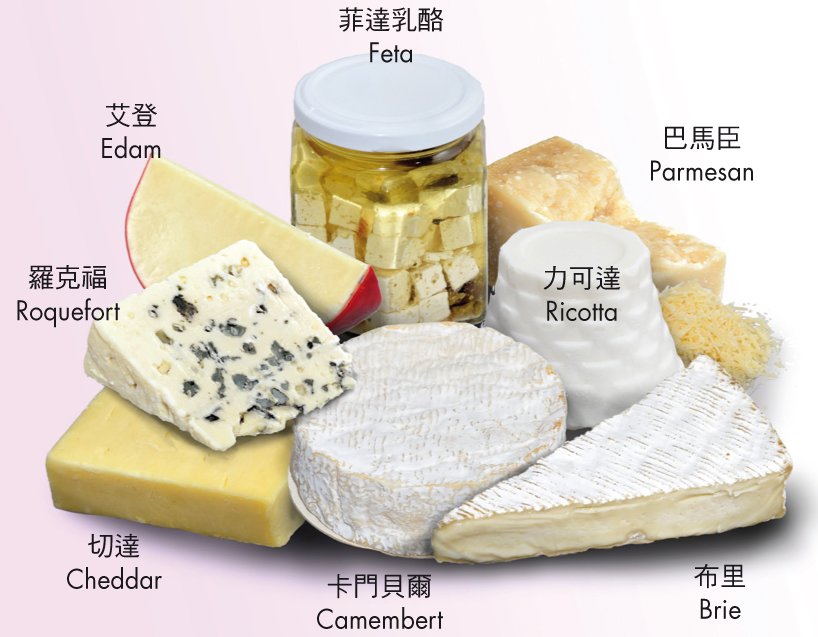
Cheeses can generally be obtained by coagulating the protein of milk and by partially draining the whey resulting from the coagulation. Nowadays, over 500 types of cheeses are available worldwide, with variations deriving from different cheese manufacturing processes, e.g. type of milk, coagulation method, starting culture, addition of salt and ripening etc.

Various types of cheeses are available on the local market

In fact, there are various ways to categorise cheeses. Traditionally, cheeses have been classified principally by their moisture content-

Soft cheese – Has a higher moisture content, e.g. Feta, Brie, Camembert

Semi-hard cheese – Moisture content sits between soft and hard cheeses, e.g. Edam, Gouda

Hard cheese – Has a lower moisture content, e.g. Cheddar, Emmental

Extra hard cheese – Dry, slightly brittle, suitable for grating, e.g. Parmesan

Cheeses may also be grouped according to their principal ripening –

Unripened/ Fresh cheese – Ready for consumption soon after manufacture, e.g. Cottage cheese, Ricotta

Ripened cheese – Not ready for consumption shortly after manufacture; must be held for such time, temperature and other conditions that results in the necessary biochemical and physical changes characterising the cheese, including –

  • Mould ripened cheese – ripening has been accomplished primarily by the development of characteristic mould growth
  • Internal mould ripened: c haracterised by the growth of Penicillium roquefortii resulting a network of blue and green veins throughout the cheese (blue cheese), e.g. Danish blue, Roquefort, Stilton
  • Surface mould ripened: characterised by the growth of Penicillium camemberti on the cheese surface, e.g. Brie, Camembert
  • Cheese in brine – has no actual rind and preserved in brine e.g. Feta

Listeria monocytogenes in Cheeses

Cheeses, particularly soft cheeses, have been implicated in listeriosis outbreaks worldwide. Foodborne listeriosis is a relatively uncommon but serious disease caused by L. monocytogenes, a pathogen that can be killed under normal cooking temperature but is able to grow slowly at refrigerated temperature as low as 0°C. Asymptomatic infection of listeriosis probably occurs in most healthy people, but it can pose serious health risks for the susceptible population including pregnant women, elderly and immunocompromised individuals such as patients with AIDS and diabetes mellitus.

The presence of L. monocytogenes in cheeses may be originated from the ingredients particularly raw milk or can come from the processing plant environment, including the equipment, personnel or cross-contamination between finished products and raw materials. If the temperature as well as other conditions especially acidity and water content permit, L. monocytogenes can grow to high levels upon prolonged storage.

Cheeses of Higher or Lower Risk

Since pasteurisation, by heating milk to a specific temperature for a set period of time, kills L. monocytogenes effectively, cheeses made with pasteurised milk are generally considered of lower risk unless post-process contamination occurs.

For cheeses made with unpasteurised milk, their safety relies on a range of factors that influence the presence, growth, survival and inactivation of pathogenic microorganisms including L. monocytogenes.

In general, soft cheeses made with unpasteurised milk are of much higher L. monocytogenes risk than hard/ extra hard cheeses made with unpasteurised milk as the formers are likely to be less acidic and contain more moisture, which provide a favourable environment for the growth of L. monocytogenes, than the latter. A recent risk assessment study conducted by Food Standards Australia New Zealand also pointed out that the estimated L. monocytogenes risk from the consumption of certain raw milk soft cheeses i.e. feta and camembert is low in the general population but is high in the susceptible population. However, the L. monocytogenes risk upon the consumption of raw milk cheddar cheese (a type of hard cheese) and extra hard cheese in the general and susceptible populations is negligible and low/ very low respectively.

Key Points to Note:

  1. Cheeses, particularly soft cheeses, have been implicated in outbreaks of listeriosis worldwide.
  2. Cheeses made with pasteurised milk are generally considered of lower risk.
  3. Soft cheeses made from unpasteurised milk are the most risky.

Advice to susceptible populations

  • Read food labels and choose cheeses carefully before consumption.
    • Hard and extra hard cheeses are generally safe.
    • Avoid soft cheeses (e.g. Feta, Brie, Camembert) and blue cheeses (e.g. Danish blue, Gorgonzola and Roquefort).
    • For other types of cheeses, choose only those made from pasteurised milk.
    • Do not eat if in doubt.
  • Store cheese products strictly in accordance with the instructions on the labels.

Advice to the trade

  • Maintain good food and personal hygiene and avoid cross-contamination.
  • Provide sufficient information on food label for the consumers to make informed food choices.
    • Properly label whether the cheese products are made from raw/ unpasteurised or pasteurised milk.
    • Consider providing more information e.g. description on firmness of the cheese products.

Research – Identification of Microorganisms from Several Surfaces by MALDI-TOF MS: P. aeruginosa Is Leading in Biofilm Formation

MDPI

New ecological trends and changes in consumer behavior are known to favor biofilm formation in household appliances, increasing the need for new antimicrobial materials and surfaces. Their development requires laboratory-cultivated biofilms, or biofilm model systems (BMS), which allow for accelerated growth and offer better understanding of the underlying formation mechanisms. Here, we identified bacterial strains in wildtype biofilms from a variety of materials from domestic appliances using matrix-assisted laser desorption/ionization-time of flight mass spectroscopy (MALDI-TOF-MS). Staphylococci and pseudomonads were identified by MALDI-TOF-MS as the main genera in the habitats and were analyzed for biofilm formation using various in vitro methods. Standard quantitative biofilm assays were combined with scanning electron microscopy (SEM) to characterize biofilm formation. While Pseudomonas putida, a published lead germ, was not identified in any of the collected samples, Pseudomonas aeruginosa was found to be the most dominant biofilm producer. Water-born Pseudomonads were dominantly found in compartments with water contact only, such as in detergent compartment and detergent enemata. Furthermore, materials in contact with the washing load are predominantly colonized with bacteria from the human. View Full-Text

Research – In-Plant Validation of Novel On-Site Ozone Generation Technology (Bio-Safe) Compared to Lactic Acid Beef Carcasses and Trim Using Natural Microbiota and Salmonella and E. coli O157:H7 Surrogate Enumeration

MDPI

The purpose of this study was to evaluate the antimicrobial efficacy of an aqueous ozone (Bio-Safe) treatment andtech lactic acid solutions on natural microbiota and E. coli O157:H7 and Salmonella surrogates on beef carcasses and trim in a commercial beef processing plant. For every repetition, 40 carcass and 40 trim swabs (500 cm2) were collected. Samples were taken using EZ-ReachTM swabs, and plated into aerobic plate count (APC), coliform, and E. coli PetrifilmTM for enumeration. In addition, a five-strain cocktail (MP-26) of E. coli surrogates was inoculated onto trim. For every trim surrogate repetition, 30 trim pieces were sampled after attachment and after ozone intervention. Samples were diluted and counts were determined using the TEMPO® system for E. coli enumeration. Ozone and lactic acid interventions significantly reduced (p < 0.003) bacterial counts in carcasses and trim samples. Moreover, lactic acid further reduced APC and coliforms in trim samples compared to ozone intervention (p < 0.009). In the surrogate trials, ozone significantly reduced (p < 0.001) surrogate concentration. Historical data from the plant revealed a reduction (p < 0.001) of presumptive E. coli O157:H7 in trim after a full year of ozone intervention implementation. The novel technology for ozone generation and application as an antimicrobial can become an alternative option that may also act synergistically with existing interventions, minimizing the risk of pathogens such as Salmonella and E. coli O157:H7. View Full-Text

UK – Salmonella Serotyping

New Food Magazine

Traditionally, Salmonella isolates are separated into serotypes based on structural differences on the surface of the cells (O antigens) and thread‑like portions of the flagella (H antigens), using the Kauffman-White classification scheme. In this technique, antibodies are prepared against these specific antigens in a blood serum known as antiserum. Confirmed Salmonella sp. isolates are then tested with this antisera and are observed for agglutination reactions.

Through testing unknown samples against a series of antisera, the specific serotype of an isolate can be discerned. As previously discussed, there are a great number of serological variants of Salmonella and so this process can be very long and labour intensive, requiring highly experienced staff with a vast library of antisera at their disposal. Because of this, the Kauffman-White serotyping method is often only carried out by reference laboratories, with routine microbiology laboratories only stocking a small number of antisera.

As an example, at ALS Rotherham we stock the antisera for our in-house control strain, Salmonella enterica subsp. enterica ser. Nottingham, which enables us to distinguish our strain from others using the antisera O16, Henz15 and Hd. This serotype is recommended by the health protection agency in the UK for use as a control strain, due to being a very rare serotype and thus very unlikely to be isolated as a wild type. Historically, when further analysis was required for one of our samples, the isolates would be subcontracted to a reference laboratory capable of full serological testing. For a plethora of reasons, this type of analysis all too often had a lengthy turnaround time which, while accurate, was often too little too late and unhelpful in making a practical difference to our client, the FBO (food business operator).

Research – Histamine Control in Raw and Processed Tuna: A Rapid Tool Based on NIR Spectroscopy

MDPI

The present study was designed to investigate whether near infrared (NIR) spectroscopy with minimal sample processing could be a suitable technique to rapidly measure histamine levels in raw and processed tuna fish. Calibration models based on orthogonal partial least square regression (OPLSR) were built to predict histamine in the range 10–1000 mg kg−1 using the 1000–2500 nm NIR spectra of artificially-contaminated fish. The two models were then validated using a new set of naturally contaminated samples in which histamine content was determined by conventional high-performance liquid chromatography (HPLC) analysis. As for calibration results, coefficient of determination (r2) > 0.98, root mean square of estimation (RMSEE) ≤ 5 mg kg−1 and root mean square of cross-validation (RMSECV) ≤ 6 mg kg−1 were achieved. Both models were optimal also in the validation stage, showing r2 values > 0.97, root mean square errors of prediction (RMSEP) ≤ 10 mg kg−1 and relative range error (RER) ≥ 25, with better results showed by the model for processed fish. The promising results achieved suggest NIR spectroscopy as an implemental analytical solution in fish industries and markets to effectively determine histamine amounts. View Full-Text

Research – Evaluation of ceftazidime as an antibiotic supplement of mannitol-yolk-polymyxin B agar used for the enumeration of Bacillus cereus in ready-to-eat vegetables

Journal of Food Protection

bacillus

Bacillus cereus, which causes foodborne disease, is detected using selective media. However, competing flora is the most common factor preventing the correct enumeration of B. cereus on selective agars. In this study, we aimed to improve the selectivity of mannitol-yolk-polymyxin B agar (MYPA) and its modified version containing trimethoprim (mMYPA) developed in our previous study by supplementation with ceftazidime (16 μg/mL). Ceftazidime-supplemented MYPA (C-MYPA16) and mMYPA (C-mMYPA16) were evaluated for bacteria recoverability and selectivity using three types of ready-to-eat vegetables. Four B. cereus and one B. thuringiensis strains were mixed and artificially inoculated into vegetable salad, radish sprouts, and sprout mix, and then recovered using MYPA, mMYPA, C-MYPA16, and C-mMYPA16. In all tested vegetables, mMYPA, C-MYPA16, and C-mMYPA16 exhibited similar recoverability of B. cereus / thuringiensis ( p > 0.05), whereas MYPA showed undistinguishable colonies in case of radish sprouts and sprout mix. At the same time, C-mMYPA16 provided the best selectivity compared with the other agars because it eliminated most of competing flora in the tested vegetables, especially in sprouts, without negatively affecting the recovery of B. cereus / thuringiensis . Our results indicate that the supplementation of mMYPA with ceftazidime may improve medium selectivity for B. cereus / thuringiensis in food testing.

Research – Pulsed light treatment of dried parsley: reduction of artificially inoculated Salmonella spp. and impact in given quality parameters

Journal of Food Protection

Dried parsley is regularly contaminated with foodborne pathogens, especially Salmonella (S.) spp. Application of contaminated ingredients in ready-to-eat dishes without further thermal treatment represents a considerable health risk. This study examines the suitability of pulsed light as a novel decontamination method of Salmonella spp. in dried parsley, the impact on selected quality parameters (chlorophyll content, phenolic compounds, color, odor) and product characters (temperature, aw-value). Samples were inoculated with one of three Salmonella isolates (S. Cerro or one of two isolates of S. Agona) at two contamination levels of 103 or 107 CFU/g and treated under various experimental factors, including distance to the light source and exposure time, resulting in fluences in the range of 1.8 – 19.9 J/cm2. At selected parameter settings (9.8 and 13.3 J/cm2), the effect of prolonged storage time (48 h) of inoculated samples prior to treatment on the reduction of S. Cerro was examined. Samples treated at the same fluences were also stored for 35 days at 22 – 25 °C. The three Salmonella isolates were significantly reduced by pulsed light (p < 0.05). Reduction factors ranged between 0.3 – 5.2 log CFU with varying sensitivities of the isolates. In general, increasing fluences (depending on exposure time and distance to the light source) resulted in increasing reductions of Salmonella spp. However, on closer examination, exposure time and distance to the light source in detail had a varying influence on the reduction of the different Salmonella isolates. Decreasing reduction factors were observed by increasing the contamination level and prolonging storage time of inoculated samples prior to treatment. No undesirable changes in quality parameters and sensory analysis were detectable at fluences of 9.8 and 13.3 J/cm2, indicating that pulsed light may be a suitable alternative for the decontamination of dried parsley.