Category Archives: shellfish toxin

France -Tellines- Marine Biotoxins – DSP

Gov France

Product Category
Food
Product subcategory
Fishery and aquaculture products
Product brand name
Unbranded
Model names or references
Tellines shipped on 11/14/2024 and 11/15/2024
Product identification
Batch
All lots
Start/End of marketing date
From 11/14/2024 to 11/15/2024
Storage temperature
Product to be kept in the refrigerator
Health mark
FR.29.158.500.CE
Geographic area of ​​sale
Whole France
Distributors
Wholesalers – Fishmongers – GMS

New Zealand – Shellfish biotoxin warning for part of Bay of Plenty

MPI

New Zealand Food Safety (NZFS) is advising the public not to collect or consume shellfish gathered from an area of the Bay of Plenty due to the presence of paralytic shellfish toxins.

“Routine tests on tuatua from Waihi Beach have shown levels of paralytic shellfish toxins more than double the safe limit,” says NZFS deputy director-general Vincent Arbuckle.

The warning extends from the southern end of Pauanui Beach down to the entrance of Tauranga Harbour, by Mount Maunganui. The warning also includes Tauranga Harbour.

“Please do not gather and eat shellfish from this area because anyone doing so could get sick.

“Affected shellfish include bivalve shellfish such as mussels, oysters, tuatua, pipi, toheroa, cockles and scallops, as well as pūpū (cat’s eyes) and Cook’s turban. Kina are still safe to eat.

“It’s also important to know that cooking the shellfish does not remove the toxin.”

Symptoms of paralytic shellfish poisoning usually appear within 10 minutes to 3 hours of eating and may include:

  • numbness and a tingling (prickly feeling) around the mouth, face, hands, and feet
  • difficulty swallowing or breathing
  • dizziness and headache
  • nausea and vomiting
  • diarrhoea
  • paralysis and respiratory failure and, in severe cases, death.

Pāua, crab and crayfish may still be eaten if the gut has been completely removed prior to cooking, as toxins accumulate in the gut. If the gut is not removed, its contents could contaminate the meat during the cooking process. Finfish are not affected by this public health warning, but we advise gutting the fish and discarding the liver before cooking.

NZFS has had no notifications of associated illness.

If anyone becomes ill after eating shellfish from an area where a public health warning has been issued, phone Healthline for advice on 0800 61 11 16, or seek medical attention immediately. You are also advised to contact your nearest public health unit and keep any leftover shellfish in case it can be tested.

“NZFS is monitoring shellfish in the region and will notify the public of any changes to the situation, says Mr Arbuckle.

Commercially harvested shellfish – sold in shops and supermarkets or exported – is subject to strict water and flesh monitoring programmes by NZFS to ensure they are safe to eat.

For further information and general enquiries, call MPI on 0800 00 83 33 or email info@mpi.govt.nz

For media enquiries, contact the media team on 029 894 0328.

New Zealand – Eight fast facts about toxic shellfish poisoning

MPI

With warmer weather on the way, Kiwis all over the motu will be heading to the beach to enjoy the sea’s bounty. But before you go gathering shellfish, New Zealand Food Safety deputy director-general Vincent Arbuckle has some fast facts to share about toxic shellfish poisoning and how to keep yourself, your whanau and friends safe.

1. New Zealand hasn’t had a toxic shellfish poisoning outbreak for a decade

Toxic shellfish poisoning can cause serious illness and can even be fatal. Fortunately, we haven’t had an outbreak of toxic shellfish poisoning since 2014, when 13 people fell ill.

New Zealand Food Safety works hard to keep it that way by monitoring key recreational shellfish harvesting areas around the country for biotoxins.

2. New Zealand Food Safety regularly tests water and shellfish for biotoxins to keep the public safe

New Zealand Food Safety has more than 40 monitoring sites, with water tested weekly for toxic algae and shellfish tested fortnightly for biotoxins. The commercial shellfish industry also provides their own biotoxin monitoring data from more than 30 sites, giving us even greater coverage.

If shellfish are found to contain biotoxins at unsafe levels, we issue public health warnings and post signs at affected beaches. In 2023 we issued 17 biotoxin alerts.

3. Cooking does not destroy biotoxins

It’s important to know that cooking will not make toxic shellfish safe to eat, because cooking doesn’t destroy biotoxins.

If anyone becomes ill after eating shellfish from an area where a public health warning has been issued, phone healthline for advice on 0800 61 11 16, or seek medical attention immediately. We advise that you also contact your nearest public health unit and keep any leftover shellfish for testing.

4. Shellfish become poisonous by feeding on toxic algae

Shellfish with 2 shells (bivalve shellfish) can each filter more than 200 litres of water a day. They do this to filter out microscopic algae (called phytoplankton) and other particles as a food source. If these algae are toxic, the biotoxins can build up in the shellfish, making them poisonous. Generally, the more toxic algae there are in the water, the more toxic the shellfish get.

5. Bivalve shellfish are the most affected by biotoxins

Shellfish affected by biotoxins usually include bivalves like mussels, oysters, tuatua, pipi, toheroa, cockles and scallops. But pūpū (cat’s eyes) and Cook’s turban and can also have elevated levels of some biotoxins.

Generally, you can still eat pāua, crab and crayfish, but only if you remove the gut before cooking, as biotoxins accumulate in the gut. Finfish are not affected by biotoxins from algal blooms, but we advise discarding the liver before cooking. 

6. Not all species of phytoplankton are toxic

Phytoplankton are photosynthetic microscopic algae, meaning that, just like plants, they use the sunshine to grow. And, like plants, they also need nutrients (which they get from the water) to grow.

If conditions are right, phytoplankton can multiply to high numbers and form algal blooms. Most species of phytoplankton are harmless, but some can naturally produce highly toxic chemicals we call marine biotoxins.

7. Algal blooms occur naturally under particular conditions

Algal blooms usually occur naturally when wind and water currents are favourable for their growth. Causes can include slow water circulation or unusually high water temperatures. Some blooms have happened after extreme weather events like cyclones, floods, or drought.

New Zealand Food Safety does extra monitoring during a toxic algal bloom to track its spread and see how it is affecting different kinds of shellfish.

8. There are 4 main types of toxic shellfish poisoning in New Zealand

Paralytic shellfish poisoning (PSP) is potentially the most serious of the 4 main types of toxic shellfish poisoning found in NZ.

PSP symptoms usually appear within 10 minutes to 3 hours of eating and may include:

  • numbness and tingling around the mouth, face, hands, and feet
  • difficulty swallowing or breathing
  • dizziness and headache
  • nausea and vomiting
  • diarrhoea
  • paralysis and respiratory failure
  • and, in severe cases, death.

If you suspect someone has PSP poisoning after eating shellfish from an area where we have issued a public health warning, seek medical attention immediately.

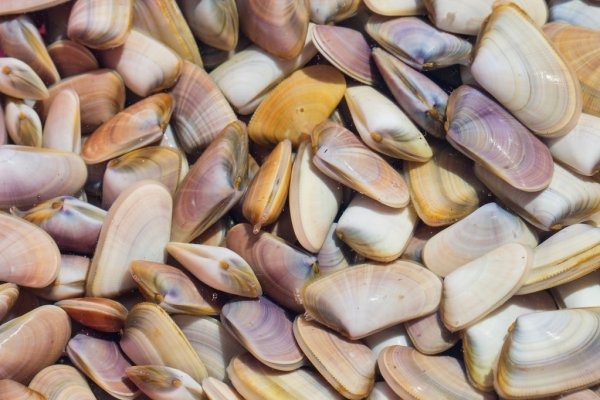
France – Moules de bouchot – DSP Toxins

Gov France

Product Category
Food
Sous-catégorie de produit
Fishery and aquaculture products
Nom de la marque du produit
Sans marque
Noms des modèles ou références
Moules de bouchot
Product identification
Batch
L22 L23 L24 L25
Conditionnements
Sac de 15 kilos
Date début/Fin de commercialisation
Du 23/09/2024 au 26/09/2024
Température de conservation
Product to be kept in the refrigerator
Geographic area of ​​sale
Départements : PAS-DE-CALAIS (62), SEINE-MARITIME (76), SOMME (80)
Distributeurs
Restaurants Grossiste Poissonnerie

RASFF Alert- Shellfish Lipophilic Biotoxin – Cockles

RASFF

Lipophilic toxins in cockles (Cerestoderma edule) from Portugal in Spain

France – Bouchot mussels pac 15 kg – Marine Biotoxin – DSP

Gov France

Product Category
Food
Product subcategory
Fishery and aquaculture products
Product brand name
Unbranded
Model names or references
Bouchot mussels
Product identification
Batch
H25/1 H 26/1 H27/1
Packaging
15 KG BAG
Start/End of marketing date
From 08/26/2024 to 08/28/2024
Storage temperature
Product to be kept in the refrigerator
Geographic area of ​​sale
Regions: Hauts-de-France
Distributors
Restaurant wholesaler

RASFF Alert- Algal Amnesic Toxins – Scallops

RASFF

Scallops from an area closed for amnesic toxins from France in Spain

France – Mussels from the Thau pond – DSP Toxins

Gov France

Product category
Food
Product subcategory
Fishing and aquaculture products
Product brand name
Thau pond mussels / Various producers
Model names or references
Mussels from breeding or having been immersed in the Thau pond
Product identification
Batch
All lots
Start/end date of marketing
Until 06/17/2024
Storage temperature
Product to be stored at room temperature
Geographical sales area
Whole France
Distributors
Multidistributors.

Canada – Timothy Oyster Fresh Pacific Oysters recalled due to a marine biotoxin which causes Paralytic Shellfish Poisoning (PSP)

Gov Canada

Summary

Product
Fresh Pacific Oysters
Issue
Food – Marine Biotoxin
What to do

Do not use, sell, serve or distribute the affected products.

Audience
Retail
Distribution
British Columbia

Timothy Oyster Fresh Pacific Oysters recalled due to a marine biotoxin which causes Paralytic Shellfish Poisoning (PSP).

New Zealand – Shellfish biotoxin warning for Christchurch and Lyttelton – DSP

MPI

New Zealand Food Safety is advising the public not to collect or consume shellfish gathered from the Christchurch beaches and Lyttelton Harbour due to the presence of diarrhetic shellfish toxins.

“Routine tests on greenshell mussels from Sumner have shown levels of diarrhetic shellfish toxin over the safe limit,” says New Zealand Food Safety deputy director-general Vincent Arbuckle.

The warning extends from Waimairi Beach to the southern head of Lyttelton Harbour (Adderley Head). The affected area includes Lyttelton Harbour and the Avon and Heathcote River Estuary.

“Please do not gather and eat shellfish from this area because anyone doing so could get sick. Affected shellfish include bivalve shellfish such as mussels, oysters, tuatua, pipi, toheroa, cockles and scallops, as well as pūpū (cat’s eyes), Cook’s turban and kina (sea urchin).”

“Cooking the shellfish does not remove the toxin, so shellfish from this area should not be eaten.”

Symptoms of diarrhetic shellfish poisoning usually appear within 30 minutes of eating and last for about a day. Symptoms may include diarrhoea, vomiting, nausea and abdominal cramps.

Pāua, crab and crayfish may still be eaten if the gut has been completely removed prior to cooking, as toxins accumulate in the gut. If the gut is not removed, its contents could contaminate the meat during the cooking process.

Finfish are not affected by this public health warning, but we advise gutting the fish and discarding the liver before cooking.

New Zealand Food Safety has had no notifications of associated illness.

If anyone becomes ill after eating shellfish from an area where a public health warning has been issued, phone Healthline for advice on 0800 61 11 16, or seek medical attention immediately. You are also advised to contact your nearest public health unit and keep any leftover shellfish in case it can be tested.

“New Zealand Food Safety is monitoring shellfish in the region and will notify the public of any changes to the situation,” says Mr Arbuckle.

Commercially harvested shellfish – sold in shops and supermarkets or exported – is subject to strict water and flesh monitoring programmes by New Zealand Food Safety to ensure they are safe to eat.

For further information and general enquiries, call MPI on 0800 00 83 33 or email info@mpi.govt.nz

For media enquiries, contact the media team on 029 894 0328.