Category Archives: Salmonella in Chicken

Research – A Critical Look at Reducing the Risk of Salmonella from Poultry—Part 1

Food Safety Magazine

Salmonella Campylobacter

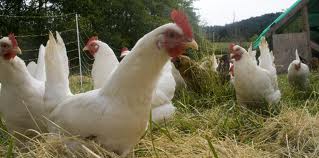
Poultry meat consumption has significantly increased over the past three decades in the U.S., and it is currently the most consumed meat protein compared to beef and pork. This increase has occurred gradually due to significant scientific research and advances in genetics, nutrition, and bird management and husbandry, resulting in reduced processing costs and, eventually, decreased meat costs for the consumer. This increase in consumption has come at a cost to the consumer, as well—the risk of salmonellosis related to higher consumption. The U.S. Centers for Disease Control and Prevention has reported that the incidence of salmonellosis has not declined, despite a reduction in Salmonella prevalence in poultry and poultry products. This may be related to several other foods being sources of Salmonella—for example, produce.
RASFF Alerts – Salmonella – Crayfish – Sesame Seeds – Polish Chicken Products – Chicken – Turkey Leg Preparation – Chicken Meat Preparation – Chicken Quarter – Sesame Paste – Kuikenfilet –

RASFF

Salmonella in crayfish from China in Sweden

RASFF

Salmonella in crayfish from China in Sweden

RASFF

Salmonella in crayfish from China in Sweden

RASFF

Detection of Salmonella spp in frozen preparation of turkey legs from Spain in France

RASFF

Salmonella in crayfish from China in Sweden

RASFF

SALMONELLA IN SESAME SEEDS FROM NIGERIA in Greece

RASFF

SALMONELLA IN SESAME SEEDS FROM NIGERIA in Greece

RASFF

SALMONELLA IN SESAME SEEDS FROM NIGERIA in Greece

RASFF

Salmonella in crayfish from China in Sweden

RASFF

Salmonella in Chicken from Thailand in Netherlands and Germany

RASFF

Salmonella in chicken meat preparation from Brazil in the Netherlands

RASFF

Salmonella in kuikenfilet from Brazil in Austria, Germany and Netherlands

RASFF

Salmonella Infantis (in 1 out of 5 samples) fresh chicken quarter from Lithuania in Poland and Latvia

RASFF

Salmonella Enteritidis in chicken meat from Poland in Slovakia and Germany

RASFF

Salmonella spp. in sesame paste from Lebanon, via the Netherlands in Germany

RASFF

Salmonella in poultry meat preparation from Thailand in the Netherlands and Germany

RASFF Alerts – Salmonella – Polish Chicken Products – Sesame Seeds – Brazil Chicken – Crayfish – Clams – Sesame Paste – Veal Medallions – Minced Meat- Dumpling with Chicken and Beef – Poultry Meat Preparation – Frozen Turkey Drumsticks

RASFF

Salmonella in crayfish from China in Sweden

RASFF

Salmonella spp in clams (R.philippinarum) from Italy in Romania and Slovenia

RASFF

Salmonella spp. in sesame paste from Syria in Germany and France

RASFF

Salmonella Enteritidis in chicken neck skin from Poland in Slovenia

RASFF

Salmonella in Veal medallions marinated meditarrane from the Netherlands in Germany

RASFF

Salmonella spp. in minced meat in Romania in Hungary

RASFF

Salmonella spp. in chicken meat from Brazil in Germany

RASFF

Salmonella in dumplings with chicken and beef filling from Germany in Estonia

RASFF

Salmonella Enteritidis in raw diced chicken from Poland in Ireland

RASFF

SALMONELLA IN SESAME SEEDS FROM NIGERIA in Greece

RASFF

SALMONELLA IN SESAME SEEDS FROM NIGERIA in Greece

RASFF

Salmonella in poultry meat preparation. from Thailand in the Netherlands and Germany

RASFF

Salmonella Enteritidis in environmental sampling – Chicken Meat from Poland in France and Lithuania

RASFF

SALMONELLA IN SESAME SEEDS FROM NIGERIA in Greece

RASFF

SALMONELLA IN SESAME SEEDS FROM NIGERIA in Greece

RASFF

SALMONELLA IN SESAME SEEDS FROM NIGERIA in Greece

RASFF

Salmonella in sesame seeds from Sudan in the Netherlands

RASFF

Salmonella in frozen turkey drumstick meat from Spain in France

RASFF

SALMONELLA IN SESAME SEEDS FROM NIGERIA in Greece and Turkey

RASFF

SALMONELLA IN SESAME SEEDS FROM ETHIOPIA in Greece

France – Barbecue marinated chicken skewer -Salmonella

Gov france

Identification information of the recalled product

  • Product category Feed
  • Product subcategory Meats
  • Product brand name Unbranded
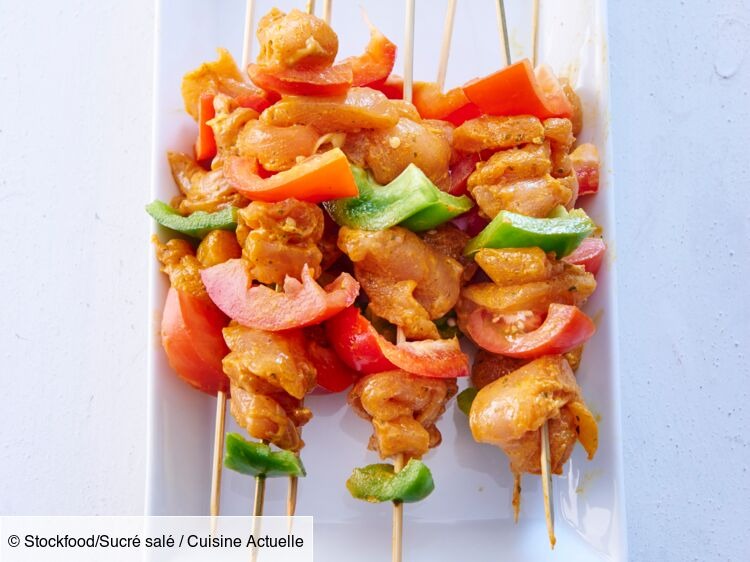
  • Model names or references Traditional barbecue marinated chicken skewers
  • Identification of products
    Batch Date
    Batch: 22194002 Use-by date 07/27/2022
  • Packaging Bulk, Butcher
  • Marketing start/end date From 21/07/2022 to 27/07/2022
  • Storage temperature Product to be stored in the refrigerator
  • Geographic area of ​​sale Departments: OISE (60)
  • Distributors Leclerc Ribecourt-Dreslincourt

Practical information regarding the recall

  • Reason for recall Salmonella
  • Risks incurred by the consumer Salmonella spp (causative agent of salmonellosis)

RASFF Alerts – Salmonella -Polish Chicken Products – Sesame Seeds – Crayfish – Tahini Halva – Dried Fenugreek Leaves – Roast Turkey and Pork – Herb Tea – Halal Minced Meat – Laurel

RASFF

SALMONELLA IN SESAME SEEDS FROM NIGERIA in Greece

RASFF

Salmonella in cooked frozen crayfish from China in Sweden

RASFF

Salmonella group C in tahini halva from Turkey in Austria, Denmark, Finland, France, Germany, Netherlands, Sweden

RASFF

Salmonella Reading in dried fenugreek leaves from India in Austria, Croatia, Czech Republic, Denmark, Estonia, France, Germany, Hungary, Italy, Latvia, Netherlands, Romania, Slovakia and Spain

RASFF

Detection of Salmonella spp in roast turkey with pork bard from France in Belgium

RASFF

Salmonella Enteritidis in chicken neck skin samples from Poland in Germany, Czech Republic, Hungary, Latvia, Netherlands, Poland and Spain

RASFF

Salmonella Enteritidis and Salmonella C1 in chicken neck skin from Poland in Hungary, Lithuania and Netherlands

RASFF

Salmonella Enteritidis in chicken neck skin samples from Poland in the Czech Republic, Germany, Latvia and Netherlands

RASFF

Salmonella in herb tea from Germany in Slovenia

RASFF

Salmonella spp on halal minced steak from Spain in France

RASFF

Salmonella spp. in tahini from Türkiye in Germany

RASFF

Salmonella spp in Laurel from Turkey in Spain

France – Andalusian marinated boneless chicken leg – Magasin Auchan Super Saverne – Salmonella

Gov france

Identification information of the recalled product

  • Product category Feed
  • Product subcategory Meats
  • Product brand name/
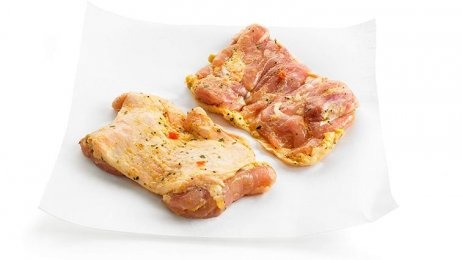
  • Model names or references Andalusian marinated boneless chicken leg – SOLD IN THE TRADITIONAL BUTCHER DEPARTMENT (assisted sale) ON THE AUCHAN SAVERNE SUPERMARKET
  • Identification of products
    Lot
    Andalusian marinated boneless chicken leg SOLD AT THE TRADITIONAL BUTCHER STAND (assisted sale) BETWEEN 06/07/22 AND 11/07/22
  • Products List Poster_reminder_Auchan_Saverne_V2.pdf Attachment
  • Packaging/
  • Marketing start/end date From 06/07/2022 to 11/07/2022
  • Storage temperature Product to be stored in the refrigerator
  • Health mark/
  • Further information Andalusian marinated boneless chicken leg – SOLD IN THE TRADITIONAL BUTCHER DEPARTMENT (assisted sale) ON THE AUCHAN SAVERNE SUPERMARKET between 06/07/22 and 11/07/22
  • Geographic area of ​​sale Auchan store SAVERNE supermarket
  • Distributors Auchan supermarket SAVERNE

Practical information regarding the recall

  • Reason for recall Demonstration of the Presence of Salmonella
  • Risks incurred by the consumer Salmonella spp (causative agent of salmonellosis)

USA – USDA Announces Action to Declare Salmonella an Adulterant in Breaded Stuffed Raw Chicken Products

FSIS USDA

The U.S. Department of Agriculture’s (USDA) Food Safety and Inspection Service (FSIS) is announcing that it will be declaring Salmonella an adulterant in breaded and stuffed raw chicken products.

“Food safety is at the heart of everything FSIS does,” said Agriculture Secretary Tom Vilsack. “That mission will guide us as this important first step launches a broader initiative to reduce Salmonella illnesses associated with poultry in the U.S.”

“Today’s announcement is an important moment in U.S. food safety because we are declaring Salmonella an adulterant in a raw poultry product,” said Sandra Eskin, USDA Deputy Under Secretary for Food Safety. “This is just the beginning of our efforts to improve public health.”

By declaring Salmonella an adulterant in these products, FSIS will be able to ensure that highly contaminated products that could make people sick are not sold to consumers. Since 1998, breaded and stuffed raw chicken products have been associated with up to 14 outbreaks and approximately 200 illnesses. Products in this category are found in the freezer section and include some chicken cordon bleu or chicken Kiev products. These products appear cooked, but they are heat-treated only to set the batter or breading and the product contains raw poultry. Continual efforts to improve the product labeling have not been effective at reducing consumer illnesses.

Research – Peroxyacetic Acid Effectiveness against Salmonella on Raw Poultry Parts is not Affected by Organic Matter

Journal of Food Protection

Organic matter (OM) accumulation is common in chill tanks used to decontaminate raw poultry parts during processing. Organic matter negatively affects the antimicrobial activity of chlorine-based compounds, but its effect on the antimicrobial effectiveness of peroxyacetic acid (PAA) on poultry meat has not been described. Therefore, this study evaluated the effect of OM on the efficacy of PAA solutions in simulated post-chill tanks to reduce Salmonella artificially inoculated onto chicken parts. Chicken thighs were inoculated with a five-strain cocktail of poultry-borne Salmonella enterica serovars at ca. 6 log10CFU/ml. Then, the thighs were immersed for 30 or 45 s in PAA solutions (500 or 1,000 ppm) with chicken slurry to simulate OM accumulation (0, 15 or 30 g/L). The thighs were rinsed with neutralizing buffered peptone water (100 ml) and rinsates were plated onto XLD agar. Experiments were performed in triplicate (3 thighs/treatment/replicate). Chemical oxygen demand (COD), total nitrogen (TN), and pH were measured as the water quality parameters of the PAA solutions before and after use. COD ranged from 2,905 mg/L in unused 500-ppm solutions without added OM to 6,290 mg/Lin used 1,000-ppm solutions with 30 g/L of OM. Initial TN was 42.5 ± 2.0 mg/L and 60.9 ± 8.3 mg/L for 15 and 30 g/L OM, which increased by 27 ± 17 mg/L after use. The pH of solutions ranged from 3.16 ± 0.14 to 3.42 ± 0.09 for the 1,000-ppm solutions and from 3.59 ± 0.06 to 3.96 ± 0.06 for the 500-ppm solutions. Mean Salmonella reductions were 0.9 ± 0.1 log10CFU/ml of rinsate for the 500-ppm PAA treatment and 1.1 ± 0.1 log10CFU/ml of rinsate for 1,000-ppm PAA treatment. Exposure time did not have a significant effect on the logarithmic reductions. There was no significant effect of OM concentration (p>0.05) on the reductions, indicating that the antimicrobial efficacy was not affected and that PAA solutions may continue to be reused as long as the PAA concentration is actively monitored.

Research – Dynamics of Salmonella enterica and antimicrobial resistance in the Brazilian poultry industry and global impacts on public health

PLOS One

Non-typhoidal Salmonella enterica is a common cause of diarrhoeal disease; in humans, consumption of contaminated poultry meat is believed to be a major source. Here we determine that Senterica serovars Heidelberg and Minnesota were the most prevalent serovars in Brazilian poultry and in poultry products imported from Brazil into the UK. However, long-term surveillance data collected by the UK Health Security Agency showed no increase in the incidence of Salmonella Heidelberg or Salmonella Minnesota in human cases of clinical disease in the UK following the increase of these two serovars in Brazilian poultry. Salmonella Heidelberg and Salmonella Minnesota clades shared resistance to sulphonamides, tetracyclines and beta-lactams conferred by sul2tetA and blaCMY-2 genes, not widely observed in other co-circulating serovars despite similar selection pressures. The sul2 and tetA genes were concomitantly carried on IncC plasmids, whereas blaCMY-2 was either co-located with the sul2 and tetA genes on IncC plasmids or independently on IncI1 plasmids. These findings suggest that introduction of the Salmonella Enteritidis vaccine, in addition to increasing antimicrobial use, could have resulted in replacement of salmonellae in Brazilian poultry flocks with serovars that are more drug resistant, but less associated with disease in humans in the UK.

RASFF Alerts – Salmonella -Polish Chicken Products – Sesame Seeds – Polish Turkey Products – Pistachio Kernels – Tom Ka Khai Soup – Poultry Meat

RASFF

Salmonella typhimurium in turkey meat from Poland in Belgium and Croatia

RASFF

Presence of Salmonella spp. in Indian hulled sesame seeds from India in Greece

RASFF

Salmonella spp. in pistachio kernels from Iran in Latvia and Germany

RASFF

Salmonella in Tom Ka Khai Steamed soup from Belgium in the Netherlands

RASFF

Salmonella Infantis and Escherichia coli in poultry meat (chicken quarter) from Ukraine in Poland and the Netherlands

RASFF

Salmonella Enteritidis and Salmonella spp in chicken neck skin from Poland in the Czech Republic, Hungary, Lithuania, Netherlands, Uzbekistan