Category Archives: Research

CPS – Funded Projects 2022 – Survival of Listeria monocytogenes and Salmonella on Surfaces

CPS

Survival of Listeria monocytogenes and Salmonella on surfaces found in the dry packinghouse environment and effectiveness of dry-cleaning processes on pathogen reduction

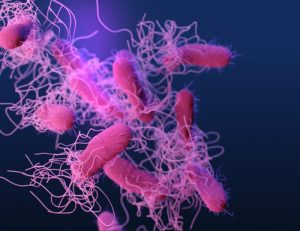
Salmonella and Listeria monocytogenes are important foodborne pathogen involved in foodborne outbreaks linked to the consumption of produce and fresh fruits. Contamination of fresh produce is problematic since these products are usually consumed without heating. To avoid contamination events, the packing industry must rely on rigorous sanitation practices including in the dry areas of the packinghouse. This study proposes to develop informational tools regarding the die off rates of the pathogens exposed to matric stress. Experiments will reassemble packinghouse conditions. Dried planktonic cells and dried biofilms formed by the packing house microbiota and L. monocytogenes or Salmonella will simulate packing industry surfaces and environmental conditions. Experiments will investigate the conditions that favor transition of the planktonic cells present on surfaces to form attached embedded communities or biofilms, and formation of VBNC cells. Inactivation studies will provide data for best practices regarding dry cleaning/sanitation methodology in the packing house and elimination of the foodborne pathogens. These findings will be validated for practical use in the packing house, in a large pilot plant study to reduce the load of microorganisms on equipment and produce. Results from this study will provide improved pathogen control in addition to basic good agricultural practices.

Research – Impact of the COVID-19 pandemic on human Salmonellosis in the Netherlands

Cambridge Org

The public health measures implemented to control coronavirus disease 2019 (COVID-19) may influence also other infectious diseases. Using national laboratory surveillance data, we assessed the impact of the COVID-19 pandemic on human salmonellosis in the Netherlands until March 2021. Salmonellosis incidence decreased significantly after March 2020: in the second, third and fourth quarters of 2020, and in the first quarter of 2021, the incidence decreased by 55%, 57%, 47% and 37%, respectively, compared to the same quarters of 2016–2019. The decrease was strongest among travel-related cases (94%, 84%, 79% and 93% in the aforementioned quarters, respectively). Other significant changes were: increased proportion of cases among older adults and increased proportion of invasive infections, decreased proportion of trimethoprim resistance and increased proportion of serovar Typhimurium monophasic variant vs. Enteritidis. This led to decreased contributions of laying hens and increased contributions of pigs and cattle as sources of human infections. The observed changes probably reflect a combination of reduced exposure to Salmonella due to restrictions on international travels and gatherings, closure of dine-in restaurants, catering and hospitality sectors at large and changes in healthcare-seeking and diagnostic behaviours.

CPS Funded Projects 2022 – Microbiology of Irrigation Water

CPS

Microbial characterization of irrigation waters using rapid, inexpensive and portable next generation sequencing technologies

New microbial detection approaches utilizing whole genome sequencing are being increasingly applied for tracing microbial contaminants entering the food chain. The produce industry can directly benefit from powerful new methods such as shotgun metagenomics, which allows for the rapid identification of all the bacterial, viral, fungal, and protozoan pathogens in irrigation water, soil, or food samples in a single test. Furthermore, whole genome sequencing technologies are quickly becoming less expensive, and compact sequencing technologies like the Oxford Nanopore MinION device could potentially allow testing directly on-site in produce fields or other processing facilities for food safety surveillance programs. However, the application of these new whole genome sequencing technologies and approaches need to be verified and validated for use by the produce industry. The goal of this project is to investigate two technologies that offer slightly different approaches for pathogen detection, to identify the benefits and limitations of each, verify the results, and validate their applications by the produce industry for use in rapid pathogen detection in agricultural waters. The results of this study will provide recommendations, protocols and guidelines to the produce industry regarding the proper implementation of these technologies for pathogen surveillance.

CPS – Funded Projects 2022 –

CPS

Towards a holistic assessment of the food-safety risks imposed by wild birds

Birds introduce complex food-safety risks, as they carry multiple pathogens, are difficult to exclude from farms, and regularly defecate on crops. Yet very few wild bird species have been studied, and those that have form a minority of farm bird communities. Moreover, existing studies stop at examining pathogen prevalence in birds and do not holistically assess foodsafety risk. For a species to pose a significant risk, it must carry pathogens, visit fields, defecate on crops, and produce feces that support pathogen survival. Here, we propose to first identify species that carry pathogenic E. coliSalmonella, and Campylobacter by coupling existing studies with assays of field-collected feces. Second, we will survey birds and collect feces on 15-20 farms near rangeland, natural habitats, or produce farms to determine which species enter farms and defecate on crops and in which contexts. Third, we will compare E. coli survival between feces placed on different substrates (crops, organic/conventional soils, plastic mulch) and between feces from different species. Finally, we will compile holistic risk assessments for >50 species into a photographic guide to help growers identify and manage birds. Ultimately, we hope to help growers implement practices that bolster beneficial species without compromising food safety.

Research – Tracking down the origin of cholera pandemics

Science Direct

Food Illness

The bacterium Vibrio cholerae is the causative agent of the diarrheal disease cholera and is responsible for seven known pandemics. The seventh cholera pandemic began in 1961 and is still active. Unlike previous pandemics, it is caused by cholera strains of a slightly different type. How did the modified cholera strains develop and spread, and what might have contributed to their success? Scientists from the Max Planck Institute for Evolutionary Biology in Plön, Germany, and CAU Kiel, in an international team with colleagues from City College New York and the University of Texas Rio Grande Valley, have now gained new insights into a molecular mechanism that provides insight into the interactions between cholera bacteria and may have played a role in the emergence of the seventh pandemic.

In their natural environment, bacteria are subject to competition with other bacteria for space and nutrients. In this process, molecular mechanisms help them to hold their own. One such mechanism is the so-called “type 6 secretion system” (T6SS), with which a bacterium transports toxic proteins into a neighboring bacterium and thereby kills it. Thus, cholera bacteria of the seventh pandemic use their T6SS to keep other bacteria in check and presumably more easily cause infection.

Researchers now had the special opportunity to study the T6SS of cholera bacteria from previous pandemics. For this purpose, among other things, the T6SS genome sequence of cholera bacteria from the 2nd pandemic was reconstructed from a museum specimen from the 19th century in a complex procedure and recreated in the laboratory.

In the process, the scientists were able to show that 2nd and 6th pandemic cholera bacteria lack a functional T6SS. As a result, the bacteria of earlier pandemics not only lack the ability to attack other bacteria, they are themselves killed by bacterial strains of the seventh pandemic. This may have been one of the reasons that older cholera strains were displaced by modified cholera strains of the seventh pandemic and are now hard to find.

Data from new lab

Daniel Unterweger, one of the study’s authors and a group leader at the Max Planck Institute in Plön, Germany, says: “With these findings, we support the theory that microbial competition between bacteria is very important for understanding pathogens and bacterial pandemics. Our research on the cholera bacterium was made possible by an S2 laboratory newly established at the institute. Here, we can conduct experiments with bacterial pathogens under the necessary safety precautions. The study contains some of the first data from the new laboratory.”

Link to Article

Research – Salmonella enterica Serovar Panama, an Understudied Serovar Responsible for Extraintestinal Salmonellosis Worldwide

NCBI

kswfoodworld salmonella

In recent years nontyphoidal Salmonella has emerged as one of the pathogens most frequently isolated from the bloodstream in humans. Only a small group of Salmonella serovars cause this systemic infection, known as invasive nontyphoidal salmonellosis. Here, we present a focused minireview on Salmonella enterica serovar Panama, a serovar responsible for invasive salmonellosis worldwide. S. Panama has been linked with infection of extraintestinal sites in humans, causing septicemia, meningitis, and osteomyelitis. The clinical picture is often complicated by antimicrobial resistance and has been associated with a large repertoire of transmission vehicles, including human feces and breast milk. Nonhuman sources of S. Panama involve reptiles and environmental reservoirs, as well as food animals, such as pigs. The tendency of S. Panama to cause invasive disease may be linked to certain serovar-specific genetic factors.

New Zealand – Annual report concerning Foodborne Diseases in New Zealand 2020

MPI

New Zealand Food Safety, part of the Ministry for Primary Industries (MPI), leads New Zealand’s food safety system, protecting the health and wellbeing of consumers here and overseas. This includes reducing food-related risks to human health. Human health surveillance is an essential element of the monitoring and review component of New Zealand Food Safety’s risk management framework. In addition, evidence from notifications, case enquiries, outbreak investigations and other epidemiological studies of human enteric diseases are used as sources of data for risk profiles and assessments.

There is ongoing interest in foodborne disease statistics within New Zealand Food Safety and its stakeholders. This report for the calendar year 2020 is part of a series providing a consistent source of data and method of presentation to allow monitoring of foodborne illness in New Zealand. Human health surveillance data and foodborne disease The information in this report concerns reported cases of notifiable disease and reported outbreaks collected in the EpiSurv database.

Some notifiable illnesses may be caused by transmission of pathogens through foods, but it is important to remember that most of the information relates to the illness, not the mode of transmission.

The information needs to be considered with two caveats:

1. Notified cases of illness and reported outbreaks represent a subset of all the cases and outbreaks that occur in New Zealand each year. Many sick individuals do not visit a GP or otherwise come to the attention of the health system. By using these data as indicators, we are assuming that they are representative of all the cases and outbreaks that occur [1].

2. Foodborne transmission is only one of the routes by which humans are exposed to pathogens; other routes include water, animal contact and person to person. There are some indicators from which we can get information on the proportion of cases caused by foodborne transmission:

•Outbreak reports: the circumstances of an outbreak (multiple cases from a single event) mean that an investigation is more likely to identify a source of exposure to the pathogen than investigation of sporadic cases.

•Expert opinion: based on their experience in laboratories and epidemiological investigations, as well as knowledge of factors influencing the risk, experts can provide estimates of the proportion of cases caused by foodborne transmission.

Estimates for New Zealand have been developed for some foodborne diseases [2, 3], as presented in relevant report sections. These are not fixed values; future changes to the New Zealand food chain may require the values to be amended.

•Overseas analyses and estimates: information for countries with food supplies similar to New Zealand can be helpful, especially for illnesses where a foodborne estimate could not be developed f rom local studies. New Zealand estimates [2, 3] and published country-specific estimates, for the USA [4], Canada [5], Australia [6, 7], England and Wales [8] and the Netherlands [9] are given in Table 1.

In addition, a WHO project to estimate the global burden of foodborne diseases derived estimates for 14 international regions [10, 11]. The estimates for New Zealand, Australia, Canada, the Netherlands and the international WHO estimates are based on expert opinion, the estimates for England and Wales are based on outbreak analysis, while the US estimates are based on data from surveillance, risk factor studies and a literature review.

It is worth noting that, although for most of the diseases included in this report foodborne transmission is considered significant, there are several illnesses (shigellosis, giardiasis, cryptosporidiosis, hepatitis A) where foodborne transmission is considered to only contribute a small proportion of the total disease burden

Research – Evaluation of microbial contamination in cold dishes and Prevalence of food-borne pathogens in the Jilin Province

Journal of Food Protection

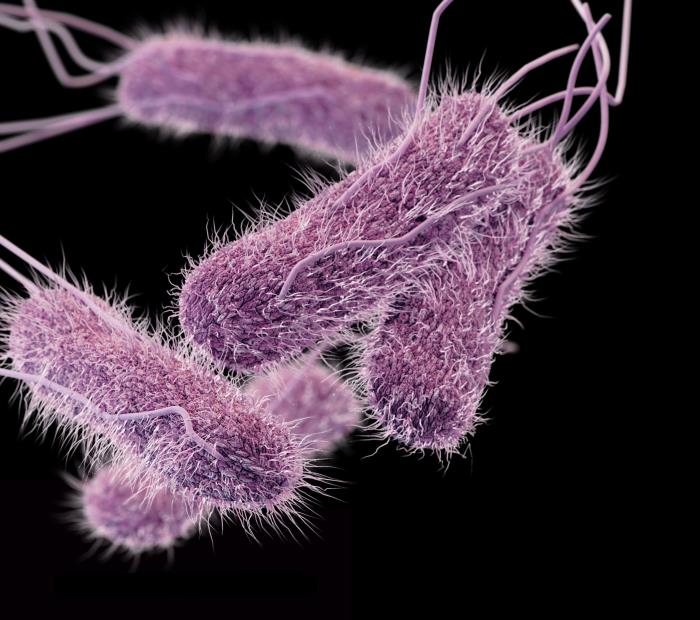
In this study, we evaluated the microbial contamination status of cold dishes consumed by residents of Jilin Province and investigated to determine the incidence of four pathogenic bacteria in cold dishes. A total of 300 samples of cold dishes including meat, vegetable and mixed products, were collected from three different purchasing places: supermarkets, farmers’ markets and mobile vendors. Live bacteria were isolated using conventional culture methods. After separation, a quick and easy polymerase chain reaction (PCR) was used to detect Listeria monocytogenes , Staphylococcus aureus , Enterotoxic Escherichia coli and Salmonella . The results showed that the total number of microbial colonies in the vegetable samples exceeded the standard rate of 8%, and the total number of microbial colonies in the meat and mixed samples did not exceed the standard. The total microbial colony count exceeded the standard in all three different procurement sites, with the highest exceedance of 7.4% in the mobile vendor sites. The detection rates of Enterotoxigenic Escherichia coli , Staphylococcus aureus , L. monocytogenes and Salmonella among the four pathogenic bacteria detected in all samples were 4.3%, 3.3%; 3.0%; and 1.0%, respectively. This study can be used to qualitatively assess the microbiological quality associated with cold dishes. It provides data to support the detection of possible food safety problems.

Research -A trait-based framework for predicting foodborne pathogen risk from wild birds

Wiley Online

Recent foodborne illness outbreaks have heightened pressures on growers to deter wildlife from farms, jeopardizing conservation efforts. However, it remains unclear which species, particularly birds, pose the greatest risk to food safety. Using >11,000 pathogen tests and 1,565 bird surveys covering 139 bird species from across the western U.S.A., we examined the importance of 11 traits in mediating wild bird risk to food safety. We tested whether traits associated with pathogen exposure (e.g., habitat associations, movement, and foraging strategy) and pace-of-life (clutch size and generation length) mediated foodborne pathogen prevalence and proclivities to enter farm fields and defecate on crops. Campylobacter spp. were the most prevalent enteric pathogen (8.0%), while Salmonella and Shiga-toxin producing E. coli (STEC) were rare (0.46% and 0.22% prevalence, respectively). We found that several traits related to pathogen exposure predicted pathogen prevalence. Specifically, Campylobacter and STEC-associated virulence genes were more often detected in species associated with cattle feedlots and bird feeders, respectively. Campylobacter was also more prevalent in species that consumed plants and had longer generation lengths. We found that species associated with feedlots were more likely to enter fields and defecate on crops. Our results indicated that canopy-foraging insectivores were less likely to deposit foodborne pathogens on crops, suggesting growers may be able to promote pest-eating birds and birds of conservation concern (e.g., via nest boxes) without necessarily compromising food safety. As such, promoting insectivorous birds may represent a win-win-win for bird conservation, crop production, and food safety. Collectively, our results suggest that separating crop production from livestock farming may be the best way to lower food safety risks from birds. More broadly, our trait-based framework suggests a path forward for co-managing wildlife conservation and food safety risks in farmland by providing a strategy for holistically evaluating the food safety risks of wild animals, including under-studied species.

Research – The Changing Face of the Family Enterobacteriaceae (Order: ” Enterobacterales”): New Members, Taxonomic Issues, Geographic Expansion, and New Diseases and Disease Syndromes

PubMed

Entero

The family Enterobacteriaceae has undergone significant morphogenetic changes in its more than 85-year history, particularly during the past 2 decades (2000 to 2020). The development and introduction of new and novel molecular methods coupled with innovative laboratory techniques have led to many advances. We now know that the global range of enterobacteria is much more expansive than previously recognized, as they play important roles in the environment in vegetative processes and through widespread environmental distribution through insect vectors. In humans, many new species have been described, some associated with specific disease processes. Some established species are now observed in new infectious disease settings and syndromes. The results of molecular taxonomic and phylogenetics studies suggest that the current family Enterobacteriaceae should possibly be divided into seven or more separate families. The logarithmic explosion in the number of enterobacterial species described brings into question the relevancy, need, and mechanisms to potentially identify these taxa. This review covers the progression, transformation, and morphogenesis of the family from the seminal Centers for Disease Control and Prevention publication (J. J. Farmer III, B. R. Davis, F. W. Hickman-Brenner, A. McWhorter, et al., J Clin Microbiol 21:46-76, 1985, https://doi.org/10.1128/JCM.21.1.46-76.1985) to the present.