Category Archives: Research

UK – FSA – FSA Seeks Information on Cost of Proposed Stricter Criteria for Listeria

FSAfood_standards_agency_logo

The Food Standards Agency is asking businesses to provide information and data on the impact of proposed new guidance. The Agency wants to know the costs and benefits of guidance for stricter criteria for Listeria monocytogenes in ready-to-eat (RTE) food supplied to hospitals, nursing homes and similar healthcare settings. Responses to the questionnaire should be received by Friday 23 August 2013.
Research – Campylobacter Antibiotic Resistance is Increasing

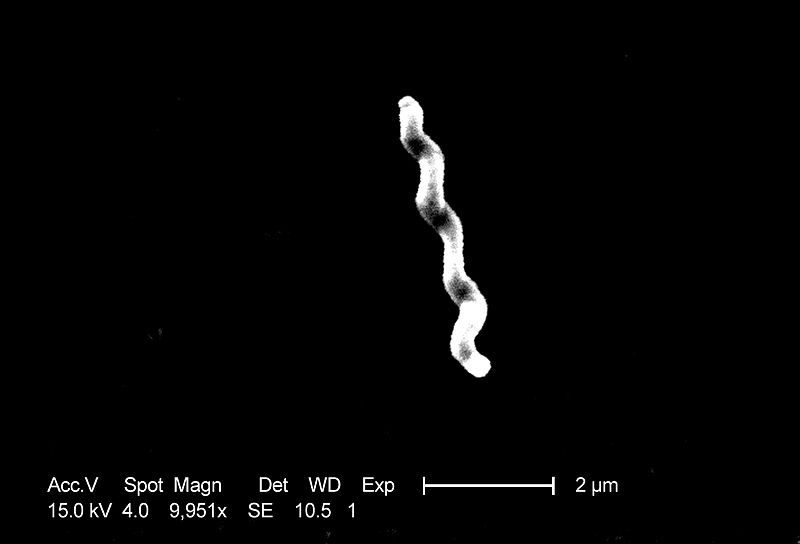
Food Poisoning BulletinCampylobacter_jejuni_01

Antibiotic resistance in Campylobacter is on the rise, according to a new study appearing in the July 7 edition of Emerging Infectious Disease. Researchers from the National Institute of Cholera and Enteric Diseases, Kolkata, India, where Campylobacter rates remain steady throughout the year, tested 142 samples and found that all of them were resistant to trimethoprim–sulfamethoxazole, (Septra, Bactrim) and 97 percent were resistant to quinolone (nalidixic acid) and fluoroquinolones (norfloxacin, ciprofloxacin, and ofloxacin). and erythromycin, azithromycin, gentamicin, furazolidone, and chloramphenicol. Multi-drug resistance was also high.

Research – Norovirus Transmission

Cambridge Journals OnlineNorwalk_Caspid

Causal mechanisms of norovirus outbreaks are often not revealed. Understanding the transmission route (e.g. foodborne, waterborne, or environmental) and vehicle (e.g. shellfish or recreational water) of a norovirus outbreak, however, is of great public health importance; this information can facilitate interventions for an ongoing outbreak and regulatory action to limit future outbreaks. Towards this goal, we conducted a systematic review to examine whether published outbreak information was associated with the implicated transmission route or vehicle. Genogroup distribution was associated with transmission route and food vehicle, but attack rate and the presence of GII.4 strain were not associated with transmission route, food vehicle, or water vehicle. Attack rate, genogroup distribution, and GII.4 strain distribution also varied by other outbreak characteristics (e.g. setting, season, hemisphere). These relationships suggest that different genogroups exploit different environmental conditions and thereby can be used to predict the likelihood of various transmission routes or vehicles

Cambridge Journals Online

UK – FSA – Latest research published by the FSA

FSA

The Agency has produced a summary of its research published in April to June 2013. Several areas of research were covered, including consumer attitudes towards the decontamination of meat and the use of freezing to reduce campylobacter in chicken livers. A full report for each area of research can be found via the links at the bottom of the page.

Evaluation: Freezing to reduce campylobacters in chicken liver
The FSA commissioned a research project to assess whether freezing chicken livers, before they are prepared and cooked in a catering or domestic kitchen, can significantly reduce the incidence of campylobacter contamination. Freezing is a proven effective intervention to control campylobacter contamination of poultry meat. However, there has been a lack of evidence on how effective this treatment is with chicken livers, particularly under conditions similar to those in catering or domestic kitchens where freezer temperatures and freezing rates may vary.

Research – Controlling Salmonella and Listeria with Marinades

Science DirectEurofins Food Testing UK

The effect of marination on the survival and growth of the pathogens Salmonella enterica and Listeria monocytogenes on beef pieces was investigated.

Five marinades were used: soy sauce base marinade without (SB) or with lactic acid (SBLA), red wine base marinade without (WB) or with 0.5% v/v oregano essential oil (WBO), and sterile saline used as control (C). Inoculated fresh beef pieces were marinated for 18 h at 5 °C, removed from the marinade and subjected to storage trials at 5 °C and 15 °C. Heat inactivation studies were also performed on the isolates after exposure to the marinades to determine if marination affects heat resistance of the pathogens.

The marinades with antimicrobials caused a significant decrease in viable count of the pathogens during marinations at 5 °C for 18 h of up to 2.1 and 3.4 log cfu cm−2 for Salmonella and L. monocytogenes, respectively. Marinades without antimicrobials were less bactericidal resulting to reductions ranging from 0.3 to 0.4 and 1.3 to 2.0 log cfu cm−2 for Salmonella and L. monocytogenes, respectively. Growth of L. monocytogenes was observed in the controls at both tested temperatures, while growth of Salmonella was observed in the controls stored at 15 °C. No growth of the pathogens was observed in any of the marinated samples at both temperature tested. No significant changes of heat resistance of the tested pathogens after exposure to the marinades were observed demonstrating the enhanced safety of the marinated beef product.

USA Research – Whole Chickens from Farmers Markets – Higher Pathogen Risk

Science DailyimagesCAYZ5I84

Raw, whole chickens purchased from farmers markets throughout Pennsylvania contained significantly higher levels of bacteria that can cause foodborne illness compared to those purchased from grocery stores in the region, according to a small-scale study by researchers in Penn State’s College of Agricultural Sciences

Of 100 whole chickens purchased from farmers markets, 90 percent tested positive for Campylobacter and 28 percent harbored Salmonella.

By comparison, during the same period, 20 percent of raw, whole, organic chickens purchased from grocery stores were found to contain Campylobacter bacteria, and 28 percent tested positive for Salmonella. Just 8 percent of raw, whole, nonorganic, conventionally processed chickens from the grocery stores tested positive for Campylobacter and 52 percent of those contained Salmonella.

Europe Research – Action Plan Against the Rising Threats from Antimicrobial Resistance

European CommisionEUC

When micro-organisms become resistant to antimicrobial agents such as antibiotics, they develop antimicrobial resistance (AMR).

AMR is a health concern for human and non-human antimicrobial usage. Its management and prevention have become more difficult over the past few decades because of excessive use of antimicrobial medicines and the slower marketing of new classes of antimicrobials.

AMR RoadMap

EC


USA – Warning – Vibrio in Warm Water Oysters

Food Safety News300px-Crassostrea_gigas_p1040848

The warmer coastal water temperature produced by summer weather creates ideal conditions for bacteria that can contaminate oysters, the Washington State Department of Health reminded the public over the Fourth of July weekend.

Vibrio vulnificus and Vibrio parahaemolyticus, two types of bacteria that grow in warm waters and can cause human illness, are known to be carried by oysters, especially in summer months.

There is further information at the link above.

Information – Managing Norovirus in Childcare Facilities

ECDCecdclogo

Norovirus, which has epidemiological characteristics that promote a high rate of infectivity and transmission, remains one of the most common causes of childhood gastroenteritis. A new technical report from ECDC provides guidance on steps that can be taken to better prevent and control outbreaks.

The Prevention of Norovirus Infection in Schools and Childcare Facilities report offers guidance to EU Member States regarding the efficacy of different ways to manage the spread of the virus. It also reviews findings related to the prevention and control of outbreaks of gastroenteritis in schools and childcare facilities.

Much of the guidance has been synthesised from numerous other international guideline documents, which have been formed by expert consensus. There is limited primary research on the efficacy of interventions for the prevention and control of norovirus.

Primary prevention measures include effective hand hygiene, frequent cleaning of childcare environments, especially toilet facilities, and adherence to robust food hygiene standards. The effectiveness of each measure is discussed more fully in the report.

This technical report was open to public consultation between 12 July and 31 August 2012. The responses to the consultation were taken into account and the report revised accordingly.

REPORT LINK

Research – Microbiological Quality of Fresh-Cut Carrots and Process Waters

Ingenta ConnectSalmonella

Fresh vegetables may be contaminated by pathogens in different ways after harvest. Pathogenic microorganisms associated with fresh vegetables can cause severe outbreaks of foodborne disease. We discuss here the results of microbiological analysis of carrot samples, as well as of washing, processing, and wastewater samples. Washed, unpeeled carrots generally contained the highest aerobic plate counts (mean, 5.5 log CFU/g). Escherichia coli was not detected in any carrot or water sample examined. The amounts of coliform bacteria and enterobacteria were higher in carrot samples taken from the first steps in the processing line than in samples taken in later phases of the process. Yersinia pseudotuberculosis was not detected in any of the samples by the cultivation method; however, nonpathogenic Yersinia enterocolitica was detected from most carrot samples and almost all washing water and wastewater samples but only from 2 of 10 process water samples. Using a more-sensitive real-time PCR method, pathogenic Y. enterocolitica was found from several carrot samples, and when these positive samples were cultivated, no pathogenic Y. enterocolitica strains were detected.