Category Archives: Pathogen

RASFF Alerts – Listeria – Herring Fillets – E.coli – Clams – Salmonella – Spinach

RASFF -Listeria monocytogenes (< 10 CFU/g) in chilled herring fillets in oil from the Netherlands in France

RASFF -high count of Escherichia coli (1300 MPN/100g) in live clams from Croatia in Italy

RASFF -Salmonella poona in fresh water spinach from Sri Lanka in Finland

RASFF Alerts – Animal Feed – Salmonella – Aflatoxin

RASFF -Salmonella Lladoff (1 out of 5 samples; 2 out of 5 samples; 3 out of 5 samples /25g) in soybean meal non GMO from Italy in Austria

RASFF -aflatoxins (B1 = 376 / B1 = 356 / B1 = 367 µg/kg – ppb) in groundnuts for birdfeed from Nigeria, via the British Virgin Islands in the UK

USA/Canada – USDA Recall – Prosciutto – Listeria monocyotgenes

USDAFood Testing

Santa Maria Foods, a Brampton, Ontario, establishment, is recalling approximately 2,600 pounds of whole boneless ham prosciutto product due to possible contamination with Listeria monocytogenes, the U.S. Department of Agriculture’s Food Safety and Inspection Service (FSIS) announced today.

The ham product was shipped to California and Michigan for further distribution. Case labels bear the Canadian establishment number “473A” within the Canadian mark of inspection. The following product is subject to recall: [Labels]

  • Approximately 50-lb. boxes labeled “PROSCIUTTO x 4 GOLD” with the case codes BR031356 or BR031374, produced on Nov. 14 and Nov. 15, 2013. Each box contains 4 individually packaged hams with the case codes BR031341 or BR031354.

The problem was discovered by FSIS sampling collected during routine reinspection. The sampled product was held, but further investigation by Santa Maria Foods revealed that additional potentially implicated product had been released into commerce. FSIS and the company have received no reports of illnesses associated with consumption of these products. Anyone concerned about an illness should contact a healthcare provider.

Listeria: Why so deadly to the Elderly and Pregnant Women

Food Poisoning Bulletin – Full Article at this link.

Listeria is the common name for the pathogenic or disease-causing bacterium known as Listeria monocytogenes.  It is a foodborne bacterium that, when ingested, causes an infection known as listeriosis.[1]  Approximately 2,500 illnesses and 500 deaths are attributed to listeriosis in the United States annually.[2]

Listeria is ubiquitous in the environment, and can be isolated from wild and domestic animals, birds, insects, soil, wastewater, and vegetation.  The bacterium easily comes into contact with farm animals, as it has been found to be present in grazing areas, stale water, and poorly prepared animal feed.  In addition to being present in the environment, Listeria can live in the intestines of humans, animals, and birds for long periods of time without causing infection.

USA – Research – What is Salmonella

Food Poisoning BulletinSalmonella

It has long been said that, in 1885, pioneering American veterinary scientist, Daniel E. Salmon, discovered the first strain of Salmonella.  Actually, Theobald Smith, research-assistant to Dr. Salmon, discovered the first strain of SalmonellaSalmonella cholerae suis.  But, being the one in charge, Dr. Salmon got all the credit.  In any case, today the number of known strains of the bacteria totals over two thousand.  In recent years, concerns have been raised, as particular strains of the bacteria have become resistant to traditional antibiotics, in both animals and humans.

USA – Research -The E. coli O157:H7 Bacteria and its Complications

Food Poisoning BulletinEcoli Istock

E. coli O157:H7 is one of hundreds of strains of the bacterium Escherichia coli.[1]  Most strains of E. coli are harmless and live as normal flora in the intestines of healthy humans and animals.[2]  The E. coli bacterium is among the most extensively studied microorganism.[3]  The combination of letters and numbers in the name of the E. coli O157:H7 refers to the specific markers found on its surface and distinguishes it from other types of E. coli.[4]  The testing done to distinguish E. coli O157:H7 from its other E. coli counterparts is called serotyping.[5]  Pulsed-field gel electrophoresis (“PFGE”),[6]sometimes also referred to as genetic fingerprinting, is used to compare E. coli O157:H7 isolates to determine if the strains are distinguishable.[7]

USA – USDA Salmonella Reduction Stratergy

FDA FSISUSDA

The U.S. Department of Agriculture’s (USDA) Food Safety and Inspection Service (FSIS) today released its Salmonella Action Plan that outlines the steps it will take to address the most pressing problem it faces–Salmonella in meat and poultry products. An estimated 1.3 million illnesses can be attributed to Salmonella every year.

“Far too many Americans are sickened by Salmonella every year. The aggressive and comprehensive steps detailed in the Salmonella Action Plan will protect consumers by making meat and poultry products safer.” said Under Secretary for Food Safety Elisabeth Hagen.

The Salmonella Action Plan is the agency’s strategy to best address the threat of Salmonella in meat and poultry products.  The plan identifies modernizing the outdated poultry slaughter inspection system as a top priority. By focusing inspectors’ duties solely on food safety, at least 5,000 illnesses can be prevented each year.


USA – Vibrio Outbreak Raw Oysters

Food Poisoning BulletinVibrio

Vibrio outbreak associated with eating raw oysters and raw clams has sickened at least 104 people in 13 states over the last six months, according to the Centers for Disease Control and Prevention (CDC). Six people have been hospitalized.

Public health investigators have traced the source of some of these illnesses to shellfish harvest areas in Connecticut, Massachusetts, New York, and Virginia. Massachusetts issued a recall of oysters,  Connecticut issued a recall of oysters and clams. Implicated harvest areas in Virginia were closed in July and remain closed.  In Massachusetts, they were closed in August and remain closed. In New York they were closed in June and reopened in mid-September. In Connecticut, they were closed in August and reopened in mid-September.

USA – Beef and Pork Product Recall E.coli STEC

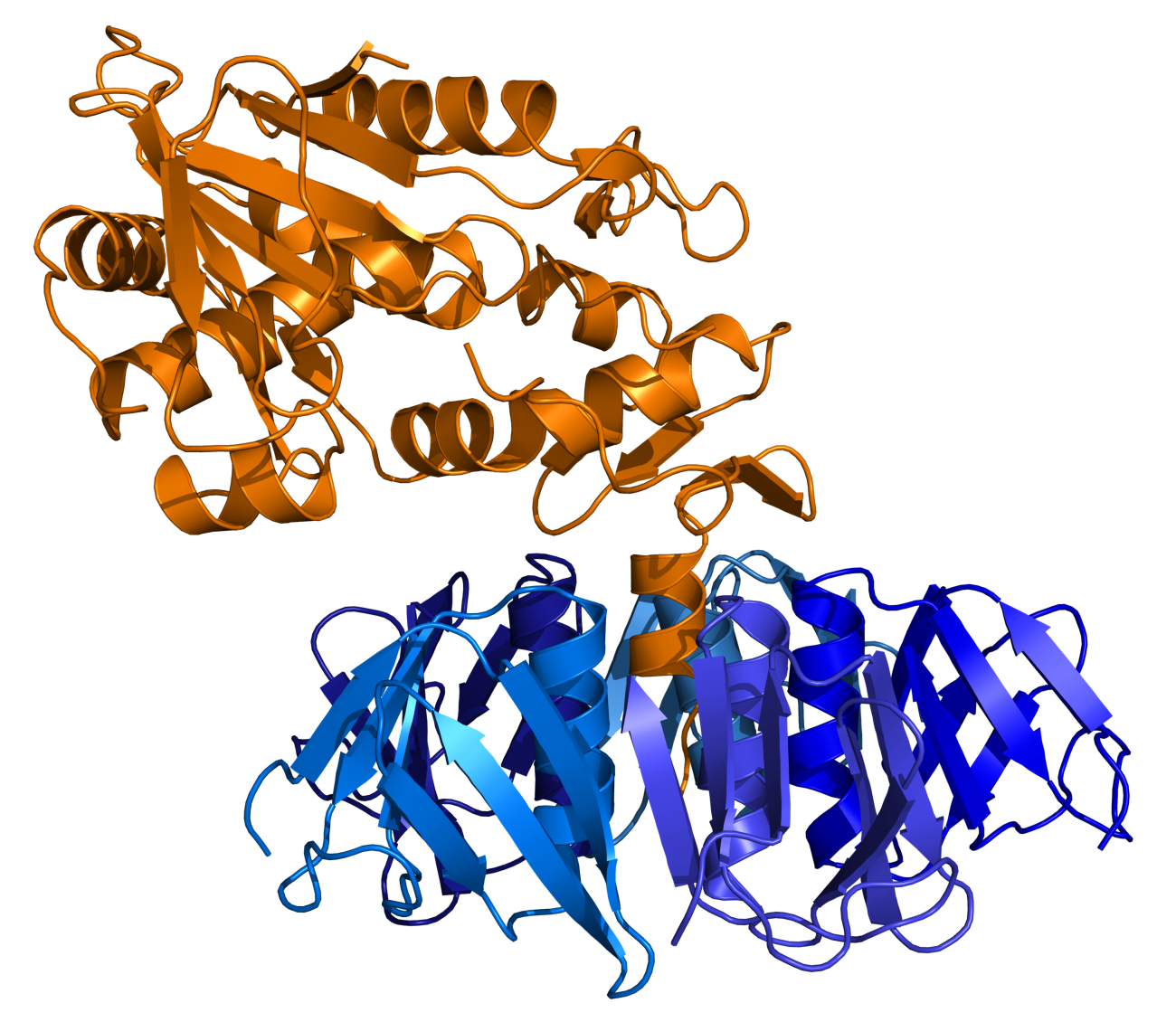
E.coli BlogShiga_toxin_(Stx)_PDB_1r4q

Cloud’s Meats, Inc. is voluntarily recalling beef and pork products possibly contaminated with E. coli. following positive test results for non-0157 Shiga toxin-producing E. coli (STECs) in samples of items produced mid-November. The samples were taken during routine testing conducted by the Missouri Department of Agriculture’s Meat and Poultry Inspection Program November 14 and analyzed by the Department’s Veterinary Diagnostic Laboratory in Springfield.

Italy – Alert Over Clostridium botulinum – Olives

IllfattoalimentareClost

The Ministry of Health has launched an alert for botulism involving two lots of olives brand Bel Colle.  The alarm goes back to November 26, 2013 following the emergency admission at the hospital Morgagni Forlì, a patient with severe symptoms due to suspected poisoning from Clostridium botulinum.