Category Archives: Pathogen

Canada – First E.coli O157 of 2013

Ecoli Blog

CBC News reports that Canadian health officials say seven people in Nova Scotia have been infected with E. coli, likely E. coli O157:H7. Five people have been treated in hospital and released, while two people remain hospitalized. One is suffering from kidney failure. The people who have fallen ill range from their late teens to their 80s.

Five to six cases of E. coli O157:H7 have also been reported in New Brunswick, leading health officials to believe the common denominator is likely a food item that is sold in both provinces.

According to the Herald News, because there are no known new cases, officials are hoping that whatever caused the illness was a food with a short shelf life, such as a type of fruit or vegetable
Denmark Recall – Lollo Rosso Lettuce – Salmonella

RASFF – Salmonella in Lollo Rosso Lettuce in Germany sourced in Denmark

UK – HPA Norovirus Update

HPAnorovirus-2(1)

Latest figures from the Health Protection Agency (HPA) show there have been 3,877 laboratory confirmed cases of norovirus this season (from week 27 to week 51 2012). The latest figures are 72 per cent higher than the number of cases reported at this point last year, when there were 2,255 cases.

During the Christmas period there is typically a drop in the number of laboratory reports. In previous norovirus seasons the general trend is that cases increase in the New Year and we expect to see cases rise again over the next few weeks.

During the two weeks up to 30 December there were 29 hospital outbreaks reported, compared to 70 in the previous fortnight, bringing the total of outbreaks for the season to 590.

Cases of norovirus have risen earlier than expected this winter season and this is a trend that has been seen across Europe and other parts of the world. It has not yet been determined why this has been the case and activity varies significantly from year to year.

UK Research – MRSA in British Cattle

Global Meat News

Food and farming charity The Soil Association has called on the British government to investigate the bacteria MRSA in UK farm animals, as well as the claimed overuse of antibiotics in farming.


Hong Kong – Recall Bean Curd High Levels Bacillus cereus

Center for Food SafetyiStock_000008493122Small

The Centre for Food Safety (CFS) today (December 31) advised people not to
consume a kind of bottled fermented bean curd cubes imported from China which might have been contaminated with Bacillus cereus, a pathogen. The trade should immediately stop selling or using the product.

“A sample of bottled fermented bean curd cubes was collected at a food distributor for testing under the regular Food Surveillance Programme. The test result showed that the sample contained Bacillus cereus at an excessive level of 130,000 per gram,” a CFS spokesman said.

“According to the ‘Microbiological Guidelines for Ready-to-eat Food’, it is potentially hazardous to the health of consumers if 100,000 or more of Bacillus cereus per gram of food is detected,” he added.

Product details of the unsatisfactory sample are as
follows:

Product name: Shui Kou Preserved Bean Curd (Chilli)
(350 grams per bottle)
Best before date: December 30, 2013
Place of origin: Guangdong Province

Bacillus cereus is commonly found in the environment.
Unhygienic conditions in food processing and storage may give rise to its
growth. Consuming food contaminated with excessive Bacillus cereus may cause gastrointestinal upset such as vomiting and diarrhoea.

European Alerts – Listeria in Cheese in Switzerland and Luxembourg

Switzerland – Listeria in Sheeps Cheese

A sheep’s milk cheese sold in Western Switzerland by Migros contains bacteria like Listeria. . It is dangerous to health and should not be consumed, warns the Federal Office of Public Health (BAG).

Type bacteria Listeria were found in sheep’s cheese mini-Jussac bricks manufactured in France and sold in western Switzerland by Migros. The Federal Office of Public Health (BAG) recommend to the public not to consume it.

Luxembourg

Following the detection of Listeria monocytogenes in certain lots of cheese, and as a precaution, the company JUSSAC OF CHEESE is withdrawing the sale and recalling of the consumption of these whole cheeses.

The products covered by these measures were traded between 31 October 2012 and December 26, 2012.

USA – 10 Largest Food Poisoning Outbreaks 2012

Food Poisoning BulletinEcoli Istock

The 10 largest multi-state food poisoning outbreaks of 2012 poisoned 1,071 people in 45 states. Various strains of just three pathogens- Salmonella, E.coli and  Listeria were the cause of the 10 largest multi-state foodborne illness outbreaks, based on the total number of people sickened.  Six of them were caused by Salmonella, three by E.coli and one by Listeria. These dangerous bacteria  made their way into unsuspecting consumers through a variety of food sources including  meat, cheese, fish, peanut butter, fruit and vegetables.

Caribbean – Norovirus Cruise Ship Outbreaks

Courier MailNorovirus

AN outbreak of vomiting and diarrhoea has sickened more than 400 vacationers and crew members aboard two Christmas-time cruises in the Caribbean, the CDC says.

The Centers for Disease Control (CDC) said on Saturday it was still conducting lab tests to determine the pathogen, but it indicated it might be norovirus, which is highly contagious and typically transmitted from person to person.

Both ships, Cunard’s Queen Mary 2 and Princess Cruises’ Emerald Princess, reported the outbreak to the CDC, following guidelines that come into play when more than two per cent of the passengers and crew are hit.

A similar outbreak earlier in the month hit the P&O Oriana liner on a 10-night Baltic cruise, infecting about 300 of the 1843 travellers aboard.

USA – FDA – Recall Cold Smoked Salmon – Listeria monocytogenes

FDA

Potential Listeria-positive products have been identified and we can
confirm that Delifish S.A. has issued a voluntary recall of cold smoked salmon
products potentially containing Listeria monocytogenes placed on the
market in the USA produced from lots 249 through 291, manufactured between
September 5 2012 and October 17, 2012. There have been no complaints or
illnesses reported. Listeria monocytogenes is an organism which can
cause serious and sometimes fatal infections in young children, frail or elderly
people, and others with weakened immune systems. Although healthy individuals
may suffer only short-term symptoms such as high fever, severe headache,
stiffness, nausea, abdominal pain and diarrhea, listeria infection can
cause miscarriages and stillbirths among pregnant women.

Research- New Listeria Strains Discovered from the US Canteloupe Outrbreak 2011

Food Safety Newscatalopue

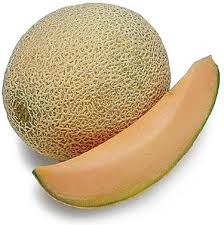
After analyzing four of the five types of Listeria implicated in last year’s deadly cantaloupe outbreak, scientists have discovered that a new outbreak strain was among those that contributed to the nearly 150 illnesses and 33 deaths caused by contaminated melons.

The researchers, an international team of government and university scientists, also compared the strains involved in the 2011 outbreak to those that had caused other outbreaks or been collected from other food facilities. By doing this, they identified two new sets of “epidemic clones” –  strains isolated in different times and places that appear to have common ancestors.

Only five epidemic clones, or ECs, of Listeria had been identified prior to this study, which raises that number to seven.