Category Archives: Microbiology

USA – Beef and Pork Product Recall E.coli STEC

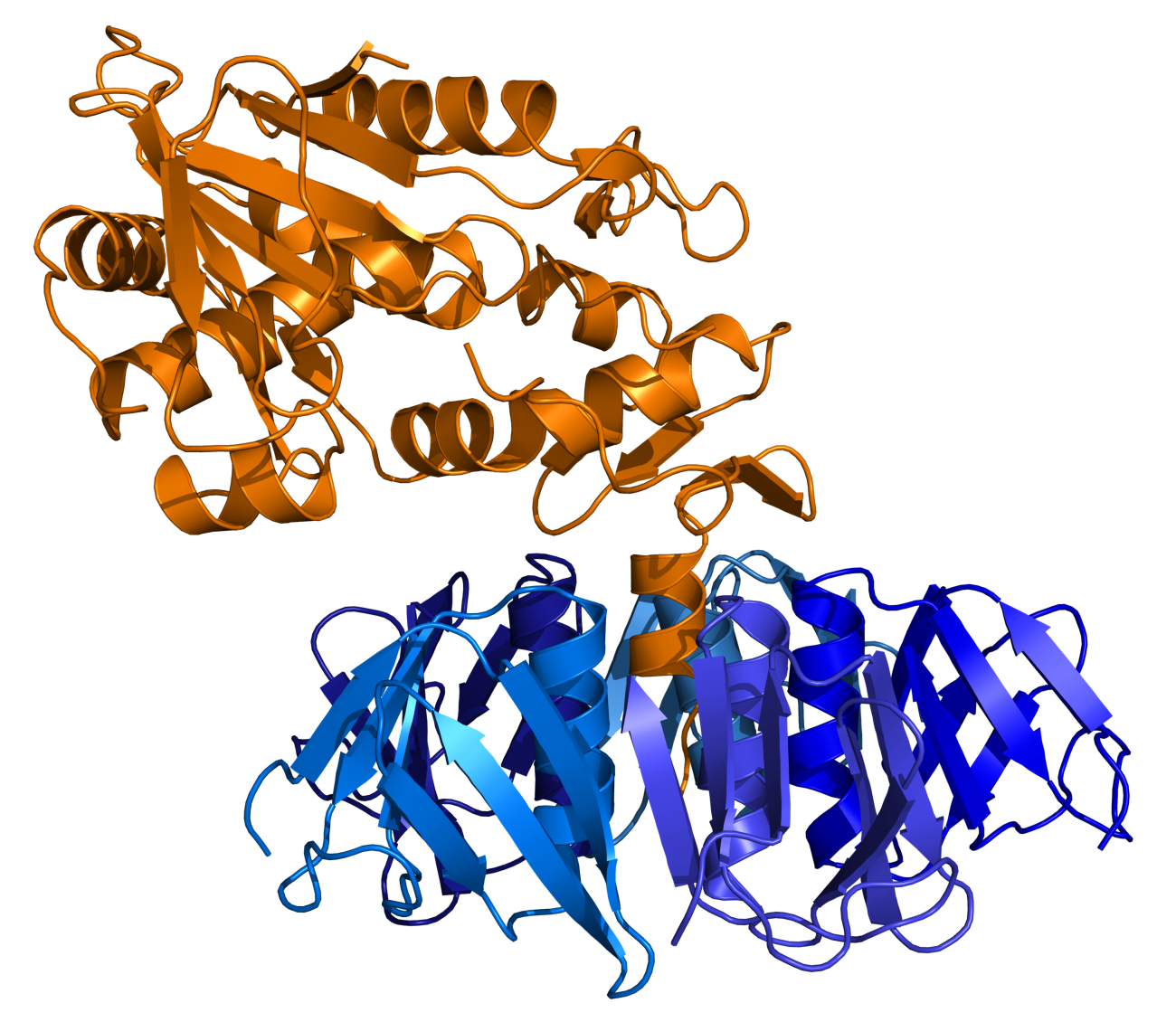
E.coli BlogShiga_toxin_(Stx)_PDB_1r4q

Cloud’s Meats, Inc. is voluntarily recalling beef and pork products possibly contaminated with E. coli. following positive test results for non-0157 Shiga toxin-producing E. coli (STECs) in samples of items produced mid-November. The samples were taken during routine testing conducted by the Missouri Department of Agriculture’s Meat and Poultry Inspection Program November 14 and analyzed by the Department’s Veterinary Diagnostic Laboratory in Springfield.

Italy – Alert Over Clostridium botulinum – Olives

IllfattoalimentareClost

The Ministry of Health has launched an alert for botulism involving two lots of olives brand Bel Colle.  The alarm goes back to November 26, 2013 following the emergency admission at the hospital Morgagni Forlì, a patient with severe symptoms due to suspected poisoning from Clostridium botulinum.

UK – FSA – Recall Mussels/Calms – Possible Illness

FSAfood_standards_agency_logo

Following a small number of illness reports in the UK, as a precaution while investigations are taking place, Marks & Spencer has removed from sale and recalled three Marks & Spencer branded mussel-based products.

M&S – Mussels in Garlic
Unique code: 00604819 and 00929189

M&S – Mussels in White Wine
Unique code: 00720618

M&S – Mussels and Clams
Unique code: 00667104

‘Use by’: all date codes

Marks & Spencer has recalled the affected products from consumers. Point-of-sale notices have been displayed in stores advising consumers of the recall and the actions they can take if they have bought an affected product.

A copy of the company’s product recall notice is attached to this notification.


Research – Bacterial Adaptation to Cold

Microbiology

Micro-organisms react to a rapid temperature downshift by triggering a physiological response to ensure survival in unfavourable conditions. Adaptation includes changes in membrane composition and in the translation and transcription machineries. The  cold shock response leads to a growth block and overall repression of translation; however, there is the induction of a set of specific proteins that help to tune cell metabolism and readjust it to the new conditions. For a mesophile like E. coli, the adaptation process takes about 4 h. Although the bacterial cold shock response was discovered over two decades ago we  are still far from understanding this process. In this review, we aim to describe current knowledge, focusing on the functions of RNA-interacting proteins and RNases involved in cold shock adaptation.

RASFF Alerts – E.coli -Clams – Mussels – Bovine Meat

RASFF -too high count of Escherichia coli (490 MPN/100g) in live clams (Venus verrucosa) from Greece in Italy

RASFF -too high count of Escherichia coli (330; 1090 MPN/100g) in live mussels from France

RASFF – shigatoxin-producing Escherichia coli (presence /25g) in frozen boneless bovine meat (Bos taurus) from Brazil in the Netherlands

RASFF Alerts – Campylobacter – Chicken – Bacillus cereus Toxin – Rocket

RASFF – Campylobacter coli (8 of 12 samples /25g) and Campylobacter jejuni (4 out of 12 samples /25g) in chilled boneless skinless chicken breast fillets from Poland in Denmark

RASFF – Bacillus cereus diarrheal enterotoxin (17000 CFU/g) in packed rocket from the Netherlands in Finland

RASFF Alerts – Listeria monocytogenes – Meat Spread – Chilli Sausage – Speck

RASFF -Listeria monocytogenes (presence /25g) in onion flavoured meat spread from Poland

RASFF -Listeria monocytogenes (presence /25g) in chilled chili sausage from Poland

RASFF -Listeria monocytogenes (>1500 CFU/100g) in chilled speck from Italy in France


Research – Campylobacter Chromosomes Mapped

Food Poisoning BulletinCampylobacter

New research from the Institute of Food Research has mapped chromosomes of Campylobacter. Scientists are trying to understand how this pathogenic bacteria controls its genes to develop new strategies to fight it. In the UK, Campylobacter is the most common cause of foodborne diarrheal illness.

The chromosome map shows where all of the bacteria turns on its genes. Those are called transcriptional start sites (TSS).  The bacteria turns on different genes in response to changes in its environment. TSS are also how the bacteria evolved to adapt to new situations. All organisms have these control mechanisms.

RASFF Alerts – Sallmonella – Clams – Ice Cream – Pork – Centella – Salami – Turkey

RASFF – Salmonella spp. (presence /25g) in frozen cooked clam (Meretrix lyrata) from Vietnam in Spain

RASFF -Salmonella typhimurium in chilled pork sides from Germany in Norway

RASFF -Salmonella Weltevreden (present /25g) in fresh centella (Centella asiatica) from Sri Lanka in Finland

RASFF -Salmonella spp. (presence /25g) in ham onion salami from Germany

RASFF -Salmonella Saint Paul (presence /25g) in frozen turkey breast from Brazil, via Belgium in Finland

RASFF -Salmonella in ice cream from Serbia in Croatia

RASFF -Salmonella spp. in frozen cooked clams (Meretrix lyrata) from Vietnam in Belgium

RASFF – Salmonella spp. (presence /25g) in frozen cooked clams (Meretrix spp) from Vietnam in Portugal


RASFF Alerts – Animal Feed – Salmonella – Soy Bean – Animal Protein

RASFF -Salmonella Senftenberg (in 2 out of 10 /25g) and Salmonella Tennessee (in 1 out of 10 /25g) in soybean meal from Italy in Austria

RASFF – Salmonella Montevideo (present /25g), Salmonella Oranienburg (presenr /25g) and Salmonella Senftenberg (present /25g) in soy bean meal from Italy in Austria

RASFF -Salmonella Rissen (presence /25g) in processed animal proteins (pork) from France in Belgium