Use NORS Dashboard to search and access data from reports of foodborne and waterborne disease outbreaks and enteric (intestinal) disease outbreaks spread by contact with environmental sources, infected people or animals, and other means.


Use NORS Dashboard to search and access data from reports of foodborne and waterborne disease outbreaks and enteric (intestinal) disease outbreaks spread by contact with environmental sources, infected people or animals, and other means.
Posted in Boil Water Notice, Contaminated water, Cryptosporidiosis, Cryptosporidium, Food Micro Blog, Food Microbiology Blog, Food Microbiology Research, microbial contamination, Microbiological Risk Assessment, Microbiology, Microbiology Investigations, Research, Uncategorized, Water, water microbiology, Water Safety
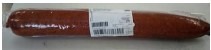
| GTIN | Lot | Dated |
|---|---|---|
| 3181580008697 | 126501 | Use-by date 06/11/2021 |
Salmonella Enteritidis is a serious disease affecting people. Infection can occur from eating eggs and poultry meat. To help eliminate Salmonella Enteritidis, commercial chicken operators need to meet extra requirements from October 2021.
From 6 October 2021, commercial chicken operators must comply with an emergency control scheme (ECS). The rules are to:
The Ministry for Primary Industries (MPI) consulted with the poultry industry about the ECS.
How to comply with the SE Emergency Control Scheme Order [PDF, 1001 KB]
Animal Products Order: Emergency Control Scheme – Managing SE in Commercial Chicken Flocks [PDF, 609 KB]
Specific chicken products must be produced and sold under the ECS. The rules apply to all operators within the chicken supply chain, including:
October 15 is Global Handwashing Day, a global advocacy day dedicated to increasing awareness and understanding about the importance of handwashing with soap as an effective and affordable way to prevent diseases and save lives.
This unprecedented time provides a unique impetus to institutionalize hand hygiene as a fundamental component of health and safety. The learnings from the past year have emphasized the need for collective action to address the historic neglect of hand hygiene investments, policies, and programs once and for all. As we enter a new normal, beyond COVID-19, our future is at hand. This year’s theme, “Our Future is at Hand – Let’s Move Forward Together,” calls for coordinated action as we actively work toward universal hand hygiene.
No matter your role, you can celebrate Global Handwashing Day!
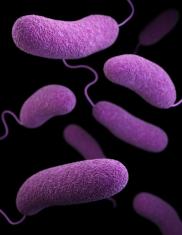
Key facts
•In the European Union/European Economic Area (EU/EEA), cholera is a rare disease that is primarily associated with travel to endemic countries outside of the EU/EEA.
•In 2019, seven EU countries reported 26 confirmed cases of cholera, which was similar to previous years.
•Most cases (16/26) were reported by the United Kingdom.
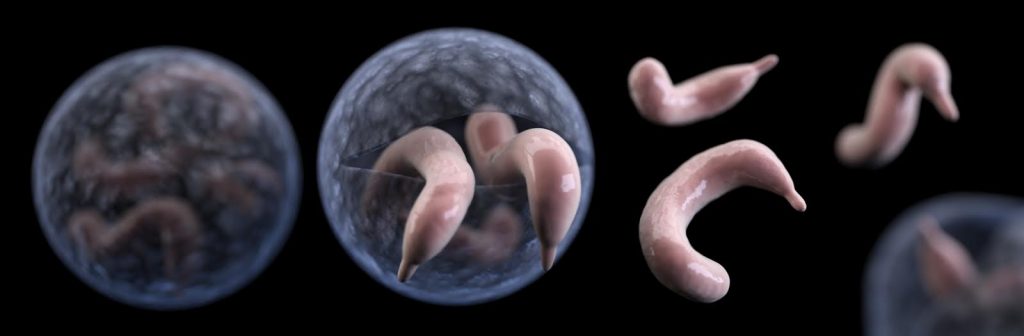
Infections from the Cryptosporidium parasite are continuing to rise in Europe, according to a report published this month by the European Centre for Disease Prevention and Control (ECDC).
Outbreaks associated with food and drink, such as juice, have been reported. The parasites are microscopic and do not make food smell, look or taste unusual.
For 2018, 20 countries reported 14,299 cryptosporidiosis cases, of which 14,252 were confirmed. The number of confirmed patients was more than the 11,435 in 2017. The notification rate for 2018 was higher than in the previous four years from 2014 to 2017.
Germany, Netherlands, Spain and the United Kingdom accounted for 76 percent of all confirmed cases in 2018, with the UK alone making up 41 percent with 5,820 infections.
A precautionary boil notice was earlier issued after E-coli was found at 443 postcodes
Tap water in thousands of Kent and Surrey homes has been deemed safe to drink following the lifting of a precautionary boil notice.
On Friday, SES water advised customers to boil all drinking water after the deadly E-coli bacteria was discovered during routine tests.
Teams were immediately called to restore the water supplies to their normal standards which has now been achieved.
Four towns on the South Coast of Massachusetts are under a boil water order after E. coli was detected in their water source.
The Mattapoisett River Valley Water District sent out the order on Wednesday, saying it was notified of the positive E. coli results in routine samples collected Tuesday, WCVB reported. The boil water order affects Mattapoisett, Fairhaven, Rochester, and Marion.
Per the order, any ice, drinks, formula, and uncooked foods prepared with water on or before Tuesday should be discarded, WCVB reported. The district has begun temporary chlorination of the water and will flush the system over the next few days. More samples will be collected Thursday, and residents will be informed when tests show no E. coli is present.
People in parts of Surrey are being told to boil their water before drinking it over fears it could contain E. coli.
Hundreds of postcodes in the Oxted area have been affected.
SES Water said an issue was discovered during routine tests, and “our teams are working to investigate the problem and restore supplies to their usual high standards”.
The scale of the contamination has not yet been confirmed.
The water company is awaiting further test results.
In the meantime people in the area are being told to boil all water and let it cool before using it for drinking, preparing food or cleaning their teeth.
Pets should also be given boiled tap water.
Boiled water can be kept in the fridge, and should be covered and used within 24 hours.


