Category Archives: Microbiological Risk Assessment

Research – Food-borne disease risk: bio-surveillance in water networks 

Eurosurveillance

In 2018, food-borne disease (FBD) was estimated to be responsible for 2.4 million cases of illness and more than 16,000 hospitalisations per year in the United Kingdom (UK) [1], with revised estimates indicating ca 180 deaths annually in the UK arising from exposure to 11 key pathogens [2]. The estimated annual cost from these illnesses is EUR 10.5 billion (GBP 9 billion) [3], with far-reaching impacts on health providers, industry and individuals.

Food for human consumption can become contaminated at any stage of food production, delivery, storage or preparation, and can involve contamination from environmental, human or animal sources [46], making identification of sources and pathways of pathogens responsible for FBD outbreaks a complex process. Furthermore, there is currently no fully integrated framework in the UK for the monitoring and surveillance of FBD, causing difficulty in the prediction and delay in the mitigation of outbreaks.

In 2022, a series of programmes was launched under HM Treasury Shared Outcomes Fund, one of which, Pathogen Surveillance in Agriculture, Food and Environment (PATH-SAFE) [7], aimed to pilot a better national surveillance programme for FBD and antimicrobial resistance (AMR).

Pilot studies carried out under PATH-SAFE focused on norovirus,  and  spp., identified by the Food Standards Agency (FSA) as being among the top five priority pathogens of concern with respect to FBD outbreaks [8], along with , used as an indicator organism for faecal contamination.

To present the findings and discuss the challenges, needs and opportunities for implementing a successful national biosurveillance programme, the Centre for Environment, Food and Aquaculture Science (Cefas) and Bangor University hosted a workshop at the Royal Institution, London, on 31 January 2024. Stakeholders with a range of interests in pathogens implicated in FBD and AMR were invited to contribute their views and recommendations on how best to achieve the desired outcomes for an effective national surveillance framework. Participants from diverse roles (scientists, decisionmakers, public health analysts, policy advisors) across government, academia and charities attended the event.

The first part of the workshop was devoted to presentations of work carried out under the pilot studies, including a combined poster and networking session. For the second part of the workshop, participants were guided into breakout groups to participate in discussions on “Surveillance and management of microbiological risks: gaps & limitations, knowledge & perceptions, approaches & opportunities”.

This workshop was a collaboration across disciplines with participants from multiple organisations: Declan Power (Animal & Plant Health Agency); Jaime Martinez-Urtaza (Universitat Autonòma de Barcelona); Davey Jones, Kata Farkas, Reshma Silvester (Bangor University); Andrew Weightman (Cardiff University); Craig Baker-Austin, David Haverson, David Walker, Richard Heal (Centre for Environment, Fisheries & Aquaculture Science); Steve Morris (Department for Environment, Food & Rural Affairs); Edward Haynes (Fera Science Ltd); Anthony J. Wilson (Food Standards Agency); K. Marie McIntyre (Newcastle University); Mandy Wootton (NHS Wales); Ellie Brown (Ribble Rivers Trust); Oliver Pybus (Royal Veterinary College); Rob Collins (The Rivers Trust); Andrew Singer (UK Centre for Ecology & Hydrology); Matthew Wade (UK Health Security Agency); Edel Light (Veterinary Medicines Directorate).

Research -Guidelines for assessing the microbiological safety of ready-to-eat foods placed on the market – 2024

UKHSA

These guidelines were completed in 2024. Since the previous edition in 2009 (1), the UK has
left the EU and this has resulted in transfer of legal responsibility from EU to UK legislation
through Statutory instruments, particularly The Food and Feed Hygiene and Safety
(Miscellaneous Amendments) (England) Regulations 2020: UK Statutory Instrument 2020
Number 1410 (2). The statutory instruments refer to EU legislation, and much remains the same or very similar such as legal obligations for food safety of food business operators and
microbiological criteria. EU references have been updated to reflect the law in force, in all new or amended guidance published since the transition.

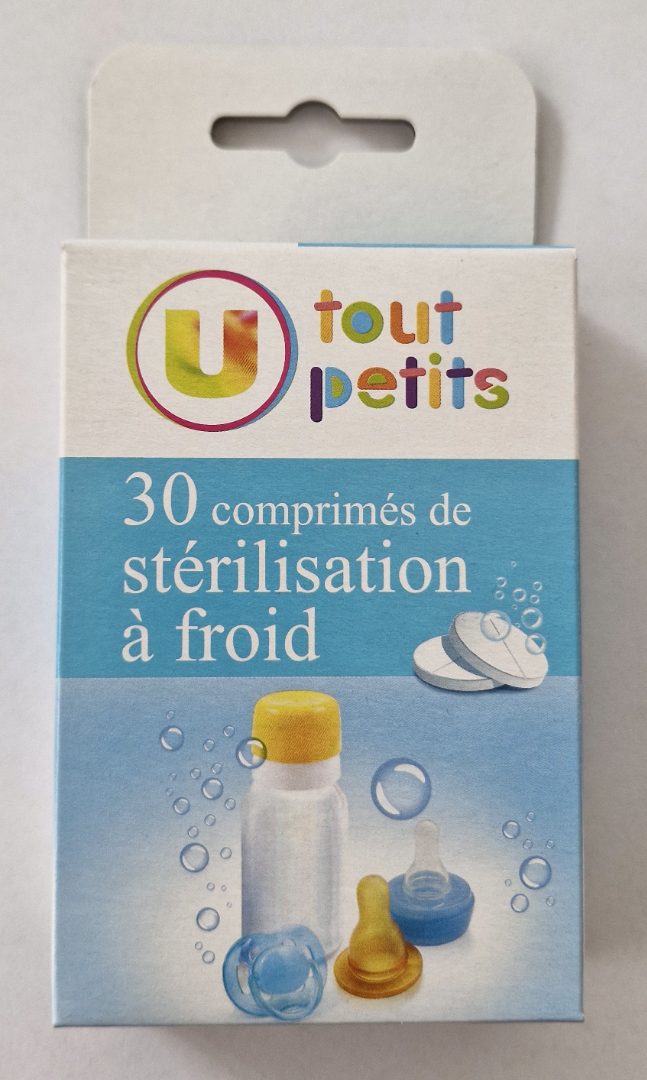
France – BOX OF 30 UTP COLD STERILIZATION TABLETS – Microbiological Risks

Gov France

Product Category
Babies-Children (excluding food)
Product subcategory
Children’s and childcare articles
Product brand name
U VERY SMALL
Noms des modèles ou références
BOX OF 30 UTP COLD STERILIZATION TABLETS
Product identification
GTIN Batch
3256220268660 All lots
Conditionnements
BOX OF 30 TABLETS
Zone géographique de vente
Whole France
Distributors
COOPERATIVE U

Research – Cryptosporidium spp.

ACSA

crypto

When the European Food Safety Authority published a review of the public health risk of foodborne parasites in 2018, it focused on three, which it considers to be the most pressing today and in the future immediate, either for current production systems, the effectiveness of control measures, eating habits or because of their severity. The selection included Cryptosporidium spp., Toxoplasma gondii and Echinococcus ssp. These parasites are resistant in the environment, they do not have specific controls, and the food industry’s awareness of them is variable, in contrast to what happens with Trichinella spiralis and Anisakidae .

Cryptosporidiosis is generally associated with acute gastrointestinal conditions, has no specific treatment, and outbreaks have occurred related to the consumption of contaminated fresh produce.

EFSA

Research – Microbial Diversity Across Tea Varieties and Ecological Niches: Correlating Tea Polyphenol Contents with Stress Resistance Microbial Community Differences among Different Tea Varieties and Ecological Niches

Frontiers In.org

Microorganisms exhibit intricate interconnections with tea trees plants; however, despite the well-established role of microorganisms in crop growth and development, research on microbes within the tea plant remains insufficient, particularly regarding endophytic microorganisms. In this study, we collected samples of leaves and rhizosphere soils were collected from ‘Zhuyeqi’, ‘Baojing Huangjincha#1Baojing Huangjinchayihao’, ‘Anjibaicha’Baiye#1’, and ‘Jinxuan’ varieties planted. Our analyses revealed significant variations in tea polyphenol contents among tea varieties, particularly with the ‘Zhuyeqi’ variety exhibiting higher levels of tea polyphenols (>20% contents). Microbiome studies have revealed that endophytic microbial community in tea plants exhibited higher host specificity compared to rhizospheric microbial community rhizosphere microbial community. Analyses of across-ecological niches of the microbial community associated with tea plants of the microbiota associated with tea plants revealed that soil bacteria serve as a significant reservoir for endophytic bacteria in tea plants, Balneola Bacillus may play a crucial role in shaping the bacterial community across-ecological niche within the tea plants with higher tea polyphenol levels. In the aforementioned analyses, the microbial community of ‘Zhuyeqi’ exhibited a higher degree of host specificity for leaf endophytic microorganisms, the topological structure of the co-occurrence network is also more intricate, harbouring a greater number of potential core microorganisms within its nodes. A closer examination was conducted on the microbial community. A more intricate examination was conducted on the microbial community of ‘Zhuyeqi’, further analyses of its endophytic bacteria indicated that its endophytic microbial community harbored a greater abundance of biomarkers, particularly among bacteria, and the enriched Methylobacterium and Sphingomonas in ‘Zhuyeqi’ may play distinct roles in disease resistance and drought resilience in tea plants. In summary, this study has shed light on the intricate relationships of tea plant varieties with their associated microbial communities, unveiling the importance of microorganisms and tea varieties with higher tea polyphenols, and offering valuable insights to the study of microorganisms and tea plants. this study shaded light on the intricate relationship between tea plant varieties and their associated microbial community and unveiled the importance of the tea varieties with higher tea polyphenols in microbial studies, offered valuable insights for the studies of microorganism-tea plants.

France – Full albacore tuna 4/9kg caught in the North-East Atlantic – Microbiological Non-Compliance

Gov France

Product Category
Food
Product subcategory
Fishery and aquaculture products
Product brand name
UNBRANDED
Model names or references
Full albacore tuna 4/9kg caught in the North-East Atlantic
Product identification
GTIN Batch
2807306000004 261211
Start/End of marketing date
From 01/08/2024 to 07/08/2024
Storage temperature
Product to be kept in the refrigerator
Health mark
FR 34.108.534 CE
Geographic area of ​​sale
LINE – SAVENAY – MURS ERIGNE – ANCENIS – NOZAY – CARQUEFOU – ST JEAN DE MONTS – BELLEVIGNY – PORNIC WEST – PLELAN LE GRAND – TRELAZE PYRAMIDE – GUIPRY MESSAC – BOUFFERE – ST FULGENT – LES ESSARTS – ST AVE – LA MONTAGNE – NANTES DALBY – MUZILLAC – LA TURBALLE – JANZE – VALLET – GUICHEN – ST AVE – THOUARE SUR LOIRE
Distributors
COOPERATIVE U

Research – Risk Assessment of Microbiological and Chemical Hazards in Foods

MDPI

Food safety constitutes a critical regulatory and quality standard that must be fulfilled by food manufacturers throughout all phases of food production. Ingestion of food presents various risks, with chemical and biological contaminants playing a pivotal role in threatening food hygiene and safety. Therefore, continuous research and improved low-cost detection methods are essential for mitigating these risks and enhancing food safety [1,2]. Main chemical hazards are associated with the presence of endocrine disruptors, heavy metals, and neo-formed chemicals. In contrast, biological hazards stem primarily from consuming food tainted with pathogenic microorganisms. This Special Issue dealt with recent research in the domains of food hygiene and safety, addressing both chemical and biological hazards. It focused particularly on the occurrence of food xenobiotics, including mycotoxins, phthalate esters, process contaminants, and potentially toxic elements, as well as microplastics (MPs), an emerging contaminant halfway between chemical and physical risks, which has drawn significant attention due to its widespread environmental presence and potential health risks. Additionally, biological hazards and innovative detection methods in food products were thoroughly addressed. A central theme of this collection is the contamination of food by potentially toxic elements (PTEs) such as heavy metals, which could be harmful to living organisms and ecosystems, even at low concentrations [3]. Ghidini et al. (contribution 1) investigated the occurrence of PTEs in the muscle and liver of Italian heavy pigs, highlighting the potential health risks associated with dietary exposure among children. The combined consumption of pig liver and muscle could approach the tolerable weekly intake limits for Cd, Fe, and Zn, indicating potential long-term detrimental effects. Likewise, Bacchi et al. (contribution 2) report concerns about toxic metals in East Asian bullfrog legs from Vietnam and Thailand, revealing high levels of As with no significant differences between production areas. indicating potential carcinogenic and non-carcinogenic risks for consumers. This study underscores the role of arsenic-contaminated water as a significant source of As in these organisms. Mycotoxins are a major cause of food losses and represent a recurring food safety challenge [4]. The occurrence of mycotoxins in spices was another critical topic covered in this Special Issue. Nordin et al. (contribution 3) found that spices commonly used in Malaysian cuisine are susceptible to fungal contamination, with coriander seeds (ground) and black pepper (whole) showing the highest levels of fungal presence. Mycotoxigenic fungi such as A. flavus and A. niger were frequently isolated, indicating a potential risk of mycotoxin exposure for consumers. Further exploring the field of xenobiotics, contaminants from food processing are another crucial theme. Chemical contaminants in food processing can arise from various sources, i.e., high temperatures and certain cooking methods can generate harmful substances such as acrylamide, chloropropanols, and furan [5]. Additionally, contaminants may leach from packaging materials into the food during storage [6], and this aspect has also been investigated in this issue. Pekmezci and Basaran (contribution 4) discuss the implications of heat-treatment contaminants in Turkish diets. This study retrospectively analyzed the 10-year dietary habits of cancer patients, finding significant relationships between dietary heat treatment, contaminant risk scores, and cancer types. Red meat consumption was associated with the highest risk score. Another area of concern is the presence of phthalate esters in coffee. Phthalates are present in various industrial and consumer products, especially plastics. Since they are not chemically bonded to the plastic, they can leach out into the environment, leading to human exposure [7]. Velotto et al. (contribution 5) address the occurrence and risk assessment of phthalate esters in coffee, drawing attention to endocrine disruptors in a widely consumed beverage. This communication deals with the concentration of bis(2-ethylhexyl)phthalate (DEHP) and di-butyl phthalate (DBP) in coffee powder and beverages to ascertain their migration from various packaging and during different brewing methods. While no significant differences were found in phthalate levels among different packaging types, higher DEHP levels were observed in beverages extracted by professional espresso machines compared to Moka pots and home espresso machines.
Turning now to the field of foodborne pathogens, this Special Issue includes three contributions that address the challenges posed by pathogenic bacteria and nematodes. Li et al. (contribution 6) introduce a multiplex PCR system for detecting foodborne pathogens in seafood, offering a promising tool for enhancing food safety. The system described in this study shows effective detection capabilities, confirming its suitability for rapid contamination detection in these foods. Foodborne pathogens and preservation techniques were also examined. Abad et al. (contribution 7) evaluate the efficacy of pulsed electric fields (PEF) in inactivating Anisakis larvae in hake meat. The results indicated that PEF treatment is able to inactivate almost 100% of Anisakis larvae while minimally affecting the quality of hake meat compared to traditional freezing methods, which are commonly employed to mitigate Anisakis-related risk, also taking into account that Anisakis larvae can survive freezing and remain pathogenic, which may explain why some patients develop symptoms after consuming infested frozen fish [8,9]. Ji et al. (contribution 8) evaluated the effects of various organic acids and their combinations on the cell barrier and biofilm of E. coli. The findings described in this study highlight the potential for optimizing organic acid combinations for antimicrobial applications in the food industry. This comprehensive Special Issue also includes two intriguing reviews that enhance the contribution to the huge amount of food safety challenges posed by both traditional and emerging contaminants. Microplastics (MPs) in the food chain is a global issue highlighted by Borriello et al. (contribution 9), who examine human exposure to MPs through environmental and dietary sources, underscoring the widespread nature of this challenging concern. This narrative review aims to summarize MPs characteristics, sources, transport pathways, and their ecological and health impacts, identifying human exposure routes. The latter review by Başaran and Çuvalcı (contribution 10) systematically examined sixty-three articles published between January 2002 and April 2022 on the association between dietary acrylamide exposure and cancer risk. While some studies suggested a positive relationship between acrylamide exposure and cancer in various systems and organs, many others found no such link. This paves the way for further research with larger sample sizes and a broader range of foods to provide more reliable results and to advise future health policies. To conclude the interesting collection of articles presented in this Special Issue, an exciting insight into the risk assessment related to the potential consumption of a food industry by-product has also been evaluated, shedding new light on the potentials and challenges of turning waste into a resource. The study by Nolasco et al. (contribution 11) evaluates the safety of coffee silverskin (CS), a by-product of coffee roasting, for its potential use as a food ingredient. The deterministic risk assessment indicated no significant non-carcinogenic or carcinogenic risks related to CS consumption, supporting its potential safe use in functional foods [10].
In summary, this Special Issue not only offers a platform for sharing the latest research in food hygiene and safety but also encourages researchers, policymakers, and industry stakeholders to continue their collaborative efforts in addressing foodborne risks. The variety of topics covered sheds new light on the complexity of ensuring food safety in the modern world and ultimately inspires further investigation and innovation in the pursuit of safeguarding public health and ensuring the integrity of our food systems.

Research – Global commodity chains: The numerous stations to greater feed and food safety

BFR

How can the origin of foodborne disease outbreaks be identified and traced? How is information on the history of food and feed collected, processed and used for risk assessment? And which role does artificial intelligence play for food safety in global commodity chains? These are some of the questions that will be addressed during the international conference “Global commodity chains from a risk assessment perspective” from 27 to 29 May 2024. The German Federal Institute for Risk Assessment (BfR), which has been working on the topic of global commodity chains for a long time, is the organiser of this event and is offering a platform for (inter)national experts to learn from each other. “Analysing global commodity chains and their dynamics is of central importance for consumer health protection. Thanks to regular exchanges with national and international stakeholders, the BfR is gathering more and more knowledge about global commodity chains and their risks for feed and food safety”, says BfR president Professor Dr Dr Dr h.c. Andreas Hensel. The event will focus on innovative techniques and digital solutions for integrating data and knowledge about hazards, exposures and technologies in global commodity chains.

Programme and registration: https://www.bfr-akademie.de/english/gwk2024.html

Over the three days of the conference, international experts from the fields of feed and food chains, digitalisation and consumer health protection will come together to exchange views on current developments. The aim is to develop visions for improved risk assessment along the feed and food chain. The importance of the topic of commodity chains will be considered from different perspectives.

Nine different sessions will focus on topics such as traceability, fraud, food safety, early warning, technologies, analytical methods and classification systems along the global supply chain. Participants from all over the world will give presentations and share their knowledge.

The conference will be opened by guest perspectives of representatives of authorities from France (Agence nationale de sécurité sanitaire de l’alimentation, de l’environnement et du travail, ANSES) and South Korea (National Institute of Food and Drug Safety Evaluation, NIFDS). The exchange between the BfR and the two partner institutions takes place every two years on specific key topics of risk assessment, this year as part of the commodity chain conference.

Research – Microbial community structure of plant-based meat alternatives.

Nature

A reduction in animal-based diets has driven market demand for alternative meat products, currently raising a new generation of plant-based meat alternatives (PBMAs). It remains unclear whether these substitutes are a short-lived trend or become established in the long term. Over the last few years, the trend of increasing sales and diversifying product range has continued, but publication activities in this field are currently limited mainly to market research and food technology topics. As their popularity increases, questions emerge about the safety and nutritional risks of these novel products. Even though all the examined products must be heated before consumption, consumers lack experience with this type of product and thus further research into product safety, is desirable. To consider these issues, we examined 32 PBMAs from Austrian supermarkets. Based on 16S rRNA gene amplicon sequencing, the majority of the products were dominated by lactic acid bacteria (either Leuconostoc or Latilactobacillus), and generally had low alpha diversity. Pseudomonadota (like Pseudomonas and Shewanella) dominated the other part of the products. In addition to LABs, a high diversity of different Bacillus, but also some Enterobacteriaceae and potentially pathogenic species were isolated with the culturing approach. We assume that especially the dominance of heterofermentative LABs has high relevance for the product stability and quality with the potential to increase shelf life of the products. The number of isolated Enterobacteriaceae and potential pathogens were low, but they still demonstrated that these products are suitable for their presence.

Research – Microbiological Risks of Traditional Raw Cow’s Milk Cheese (Koryciński Cheeses)

MDPI

Abstract

Traditional and regional foods have been increasing in popularity among consumers in Poland for many years. The observed trend of searching for natural and authentic taste encourages many producers to craft products from raw milk, including Koryciński cheeses. The aim of this study was to assess the microbiological hazards resulting from the presence of pathogenic bacteria in Koryciński cheeses available in retail trade. The tests were carried out using accredited methods, including the detection of the presence of Salmonella spp., the enumeration of Listeria monocytogenes, the enumeration of coagulase-positive staphylococci, and the detection of staphylococcal enterotoxins in food when the number of coagulase-positive staphylococci in the sample exceeded the limit of 105 cfu/g. The research material consisted of 45 Koryciński cheeses. The tests conducted revealed that Salmonella spp. was not detected in any of the examined cheeses. However, coagulase-positive staphylococci were present in 68.9% of the samples. In as many as 15 tested cheeses, the level of S. aureus contamination was above 105 cfu/g; therefore, these samples were tested for the presence of staphylococcal enterotoxins. The presence of staphylococcal enterotoxins was found in one Koryciński cheese. In four cheeses, the number of L. monocytogenes exceeded the level of 102 cfu/g, the limit specified in Regulation 2073/2005 on microbiological criteria for foodstuffs. The obtained research results confirm the validity of monitoring the microbiological quality of Koryciński cheeses and the need to increase awareness of ensuring proper hygienic conditions of production, including the increased risk associated with unpasteurized milk products.