Category Archives: lactic acid bacteria

Research – Reduction of Salmonella enterica in Turkey breast slices kept under aerobic and vacuum conditions by application of lactic acid, a bacteriophage, and ultrasound

Wiley Online

The effects of different antimicrobial applications against Salmonella enterica subs. enterica DSM 18522 strain in turkey breast slices kept under either aerobic or anaerobic-vacuum conditions for different keeping times of 30 min and 6 hr at 4°C were evaluated. In this study, it was aimed to compare chemical (lactic acid, 3%), biopreservation (bacteriophage Felix O1, 1 × 108 pfu/ml), and physical (ultrasound, 20 kHz) antimicrobial applications in reducing a high initial S. enterica DSM 18522 count (~6 log cfu/g) in turkey breast slices at different conditions. The highest reduction in S. enterica DSM 18522 counts (1.62 log units) was observed in turkey breast slices kept under aerobic condition for 6 hr after being treated with lactic acid. The bacteriophage application significantly (p < .05) reduced S. enterica DSM 18522 counts 1.22 and 1.41 log cfu/g in turkey breast slices that kept under aerobic and anaerobic-vacuum conditions for 30 min, respectively. There was no significant effect of keeping time under aerobic or anaerobic-vacuum conditions on S. enterica DSM 18522 counts in turkey breast slices treated with bacteriophage or ultrasound. However, the reduction of S. enterica DSM 18522 counts in turkey breast slices treated with lactic acid increased with keeping time under aerobic or anaerobic-vacuum conditions. Regardless of keeping conditions, the lowest reductions in S. enterica DSM 18522 counts were detected in turkey breast slices treated with ultrasound. The results of this study show that lactic acid and bacteriophage applications are effective in reducing S. enterica DSM 18522 counts in turkey breast slices.
Research – Lacticaseibacillus rhamnosus Impedes Growth of Listeria spp. in Cottage Cheese through Manganese Limitation

MDPI

Acidification and nutrient depletion by dairy starter cultures is often sufficient to prevent outgrowth of pathogens during post-processing of cultured dairy products. In the case of cottage cheese, however, the addition of cream dressing to the curd and subsequent cooling procedures can create environments that may be hospitable for the growth of Listeria monocytogenes. We report on a non-bacterio-cinogenic Lacticaseibacillus rhamnosus strain that severely limits the growth potential of L. monocytogenes in creamed cottage cheese. The main mechanism underlying Listeria spp. inhibition was found to be caused by depletion of manganese (Mn), thus through competitive exclusion of a trace element essential for the growth of many microorganisms. Growth of Streptococcus thermophilus and Lactococcus lactis that constitute the starter culture, on the other hand, were not influenced by reduced Mn levels. Addition of L. rhamnosus with Mn-based bioprotective properties during cottage cheese production therefore offers a solution to inhibit undesired bacteria in a bacteriocin-independent fashion. View Full-Text

Research – Presumptive probiotic bacteria from traditionally fermented African food challenge the adhesion of enteroaggregative E. coli

Wiley Online

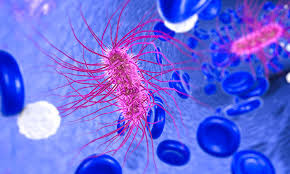
E.coli

Colonization of intestinal tract with the potential to exclude, displace, and inhibit enteric pathogens is principally dependent on the adhesion ability of probiotics. Therefore, probiotic efficacy is considered to be mainly determined by their adhesion ability. The current study reports the antagonistic effect of four lactic acid bacteria (LAB) on the adhesion profile of four diarrhoeagenic and one non‐diarrhoeagenic enteroaggregative Escherichia coli (EAEC). All the bacterial strains investigated adhered to the Caco‐2 cells. All the LAB tested competitively excluded, displaced, and inhibited at least three (non‐) diarrhoeagenic EAEC strains from adhesion (p < 0.05). In all, Lactobacillus plantarum, FS2 exhibited the strongest adhesion to the Caco‐2 cells, competitive exclusion (CE), displacement, and inhibition against most of the EAEC strains. Additionally, the competence to exclude, displace, and inhibit the EAEC from adhesion depended on both the pathogens and the LAB strains tested; signifying the participation of several mechanisms. Contrary to all the EAEC strains, gastro‐intestinal stress factors such as low pH (2.5) had no effect on the adhesion of the LAB. Unlike the gastro‐intestinal acidic conditions, bile salt conditioning (at pH 6.5) had no effect on the adhesion of both EAEC and LAB. In conclusion, all the LAB tested showed specific anti‐adherence effects including CE, displacement, and inhibition against the selected EAEC. The results indicate that all the LAB, particularly, the L. plantarum, FS2 had a good ability for exerting antagonistic effects against the selected EAEC for the prevention of gastrointestinal infection.

Research – Microbial Growth Study on Pork Loins as Influenced by the Application of Different Antimicrobials

MDPI

The use of antimicrobials in the pork industry is critical in order to ensure food safety and, at the same time, extend shelf life. The objective of the study was to determine the impact of antimicrobials on indicator bacteria on pork loins under long, dark, refrigerated storage conditions. Fresh boneless pork loins (n = 36) were split in five sections and treated with antimicrobials: Water (WAT), Bovibrom 225 ppm (BB225), Bovibrom 500 ppm (BB500), Fit Fresh 3 ppm (FF3), or Washing Solution 750 ppm (WS750). Sections were stored for 1, 14, 28, and 42 days at 2–4 °C. Mesophilic and psychrotrophic aerobic bacteria (APC-M, APC-P), lactic acid bacteria (LAB-M), coliforms, and Escherichia coli were enumerated before intervention, after intervention, and at each storage time. All bacterial enumeration data were converted into log10 for statistical analysis, and the Kruskal–Wallis test was used to find statistical differences (p < 0.05). Initial counts did not differ between treatments, while, after treatment interventions, treatment WS750 did not effectively reduce counts for APC-M, APC-P, and coliforms (p < 0.01). BB500, FF3, and WS750 performed better at inhibiting the growth of indicator bacteria when compared with water until 14 days of dark storage. View Full-Text

Research – Lactic acid bacteria can extend the shelf life of foods

Science Daily

Researchers at the National Food Institute have come up with a solution that can help combat both food loss and food waste: They have generated a natural lactic acid bacterium, which secretes the antimicrobial peptide nisin, when grown on dairy waste.

Nisin is a food-grade preservative, which can extend the shelf life of foods, and thus can be used to reduce food waste. The discovery also makes it possible to better utilize the large quantities of whey generated when cheese is made.

Nisin is approved for use in a number of foods, where it can prevent the growth of certain spoilage microorganisms as well as microorganisms that make consumers sick. It can for instance inhibit spore germination in canned soups and prevent late blowing in cheeses — without affecting its flavour.

In theory, nisin could be added to fresh milk to extend its shelf life. However, different countries have different rules stating what types of products nisin may be added to and in which amounts.

Extra step towards better utilization of whey

Many dairies are already turning a profit by extracting protein and lactose from the many tons of whey they generate, which they use in e.g. infant formula and sports nutrition. What is left behind can still be used to produce nisin.

In addition to ensuring better resource utilization, there may be a financial gain from producing nisin: Most commercially available nisin products contain 2.5% nisin and cost approximately 40 euro per kilogram.

Research – The use of antifungal oat‐sourdough lactic acid bacteria to improve safety and technological functionalities of the supplemented wheat bread

Wiley Online

In the present study, predominant lactic acid bacteria (LAB) were isolated from oat sourdough. Then, the isolates were screened based on their in vitro antifungal activity. Subsequently, biotechnological capabilities of the selected LAB were evaluated in wheat bread supplemented with controlled fermented oat containing the isolate. Pediococcus pentosaceus was molecular identified as predominant antifungal isolate. Based on our results, fermented oat not only significantly (p < .05) reduced the mold expansion on the produced breads, but also improved the quality attributes of the product. Crumb porosity and antioxidant capacity of the supplemented bread revealed the positive effects of the isolate on textural and functional characteristics of the enriched bread. Wheat bread supplemented with controlled fermented oat had also the highest 2,2‐diphenyl‐1‐picrylhydrazyl radical scavenging activity compared to the other samples. Accordingly, the potential applications of Ppentosaceus isolate as profunctional starter culture in processing of mixed wheat‐oat sourdough bread were verified.

Denmark – Fermentation in remoulade

DVFA

 
K-Salad recalls a batch of K-Salad Diner Remoulade due to the risk of fermentation in the product. The fermentation is due to the growth of air-producing lactic acid bacteria and / or yeast. This may cause the product to swell.
14-10-2020 UPDATED – The recall has been extended and now includes more lot numbers

Recalled Foods , Published: September 25, 2020

Modified October 14, 2020
What food: 
K-Salad Diner Remoulade 
Net content: 300ml 
 
Best before date: 19-12-2020
Lot No: DE20HSI 
 
Best before date: 09-03-2021
Lot no: DE20IJP
 
Best before date: 10-03-2021
Lot No: DE20IVP
Sold in:
Grocery stores across the country
 
Company recalling:
K-salad
Havnevej 32
4591 Føllenslev
 
Cause: 
Growth of air-producing lactic acid bacterial  k depends form the fermentation of the product. When the product ferments, the pressure in the product rises and it can swell.
 
Risk: 
Growth of lactic acid bacteria  in the product makes it unsuitable as food.
 
Advice for consumers:
The Danish Veterinary and Food Administration advises consumers to deliver the product back to the store where it was purchased or to discard it.

RASFF Alert – Lactic Acid Bacteria – Remoulade Sauce

European Food Alerts

RASFF

bulging packaging (lactic acid bacterial growth) of remoulade sauce from Belgium in Denmark

Research – Antimicrobial and preservative effects of the combinations of nisin, tea polyphenols, rosemary extract and chitosan on pasteurized chicken sausage

Journal of Food Protection

The study evaluated the antimicrobial and antioxidant effects of the combinations of nisin (NS), tea polyphenols (TP), rosemary extract (RE) and chitosan (CS) on low-temperature chicken sausage. An orthogonal test revealed that the most effective antimicrobial compositions were equal-quantity mixtures of 0.05% NS + 0.05% TP + 0.03% RE + 0.55% CS . The mixture also produced strong antimicrobial and antioxidant effects in low-temperature chicken sausage related to extend the shelf life to more than 30 days at 4°C. The study also investigated the inhibitory zone of NS, TP, RE and CS against Pseudomonas aeruginosa , lactic acid bacteria (LAB) and Staphylococcus aureus which were the dominant spoilage bacteria in low-temperature chicken sausage. NS had the greatest inhibitory effect on LAB and Staphylococcus aureus , exhibiting clear zone diameters of 19.7 mm and 17.8 mm respectively. TP had the largest inhibitory effect on Pseudomonas aeruginosa , exhibiting a clear zone diameter of 18.2 mm. These results indicated that the combination of NS, TP, RE and CS could be used as natural preservative s to efficiently inhibit the growth of spoilage microorganisms in low-temperature chicken sausage so as to improve its safety and shelf life.

Denmark – Fermentation in remoulade

DVFA

K-Salad recalls a batch of K-Salad Diner Remoulade due to the risk of fermentation in the product. The fermentation is due to the growth of air-producing lactic acid bacteria. This may cause the product to swell.

Recalled Foods , Published: September 25, 2020

What food: 
K-Salad Diner Remoulade 
Net content: 300ml 
Best before date: 19-12-2020
Lot No: DE20HSI 
Sold in:
Grocery stores across the country
Company recalling:
K-salad
Havnevej 32
4591 Føllenslev
Cause: 
Growth of air-producing lactic acid bacteria can form fermentation of the product. When the product ferments, the pressure in the product rises and it can swell.
Risk: 
Growth of lactic acid bacteria in the product makes it unsuitable as food.
Advice for consumers:
The Danish Veterinary and Food Administration advises consumers to deliver the product back to the store where it was purchased or to discard it.