The case count in a hepatitis A outbreak linked to restaurants in Virginia has doubled. At least 30 people are now infected with the virus, which can cause life-threatening liver infections.
Health officials said the window for symptoms to appear is ongoing, so they may continue to hear of new cases for at least a few more weeks, according to the Roanoke Times. It can take up to 50 days after exposure to the virus for symptoms to begin, according to the U.S. Centers for Disease Control and Prevention.
At least three of the patients have been admitted to hospitals.
The infected people ate at three Famous Anthony’s restaurants, according to the Virginia Department of Health. Cynthia Morrow from the Roanoke City and Alleghany Health Districts provided an update on the outbreak recently.
Norwegian public health officials are investigating an outbreak of hepatitis A that has affected 10 people.
The Norwegian Institute of Public Health (FHI) reported an investigation has been started with local health services and the Norwegian Food Safety Authority (Mattilsynet) but the suspected source is unknown.
Infection has been detected in 10 people living in several counties. Another two people are suspected of being part of the outbreak.
Samples were taken from April to September and sequencing shows hepatitis A virus (HAV) with an identical sequence of genotype 1A in all of the patients. This suggests they were infected from the same source.
Sick people are between 25 and 80 years old with a median age of 53. Sixty percent are men.
Widely distributed food suspected
Six patients live in Viken, two in Trøndelag and one each in Oslo, Vestfold og Telemark, Innlandet and Troms og Finnmark.
At least three people have been admitted to hospitals in a growing outbreak of hepatitis A linked to restaurants in Virginia.
There are now 14 people confirmed infected, according to state health officials. Four of those patients are new since the outbreak was initially reported on Sept. 24.
Additional patients are highly likely to be identified. It takes 15 to 50 days for hepatitis A symptoms to develop, according to the Centers for Disease Control and Prevention.
The infected people ate at three Famous Anthony’s restaurants, according to the Virginia Department of Health. Cynthia Morrow from the Roanoke City and Alleghany Health Districts provided an update on the outbreak earlier this week.
A potential Famous Anthony’s hepatitis A outbreak in Roanoke, Virginia has sickened at least 10 people, according to news reports and the Roanoke City and Alleghany Health Districts. An employee who tested positive for the virus worked while infectious at three Famous Anthony’s restaurants that are located on Grandin Road, Williamson Road, and Crystal Spring Avenue in that city. All ten patients were hospitalized. Officials think the case count will increase.
The employee worked there between August 10 and August 26, 2021. That means that it is too late for anyone who was exposed there during that time frame to get the hepatitis A or immune globulin vaccine. The vaccine is only effective if given within two weeks of exposure.
Ukraine health officials report since the beginning of this year and as of August 1, 604 people, including 447 children, have been affected by outbreaks of intestinal infections. A total of 50 outbreaks were registered.
In July 2021 alone, 137 people fell ill, including 98 children. A total of 12 outbreaks of infectious diseases were recorded :
6 outbreaks of acute intestinal infections of unknown etiology, during which 71 people were sickened, including 54 children;
3 outbreaks of salmonellosis , 34 people were sickened, including 15 children;
2 outbreaks of rotavirus enteritis , 29 people were sickened, including 28 children;
one outbreak of viral hepatitis A , 3 people were sickened, including 1 child;
Epidemiological investigation and anti-epidemic measures are underway for 4 more outbreaks.
The largest number of outbreaks in July occurred in children’s health facilities and institutions with organized recreation for groups of children (33.3%) and in everyday life (25.0%). The remaining outbreaks occurred in children’s preschools (16.7%), catering establishments (16.7%) and in health care establishments (8.3%).
Australian officials have reported three hepatitis A infections linked to dates imported from Jordan.
The strain is identical to the one that caused an outbreak of hepatitis A in the United Kingdom earlier this year, which was also caused by fresh Medjool dates from Jordan. Dates were recalled by Sainsbury’s and Marks and Spencer.
In the UK, at least 30 people fell ill in different parts of England with one person sick in Wales. They had a median age of 60 and ranged from 6 to 93 years old with 25 people needing hospital treatment.
Picky Eaters Pty Ltd is conducting a recall of Jordan River dates 1kg and 5kg. The product has been available for sale online and at IGA and Independent supermarkets in NSW.
Date markings
Expiry date: June 2022
Batch: JRD 1/2021
Problem
The recall is due to potential microbial (Hepatitis A) contamination.
Food safety hazard
Food products contaminated with Hepatitis A may cause illness if consumed.
Country of origin
Jordan
What to do
Any consumers concerned about their health should seek medical advice and should return the product to the place of purchase for a full refund.
The Public Health Agency of Canada (PHAC) is collaborating with provincial public health partners, the Canadian Food Inspection Agency (CFIA) and Health Canada to investigate an outbreak of Hepatitis Ainfections occurring in Québec and Nova Scotia. The outbreak appears to be ongoing, as recent illnesses continue to be reported to PHAC.
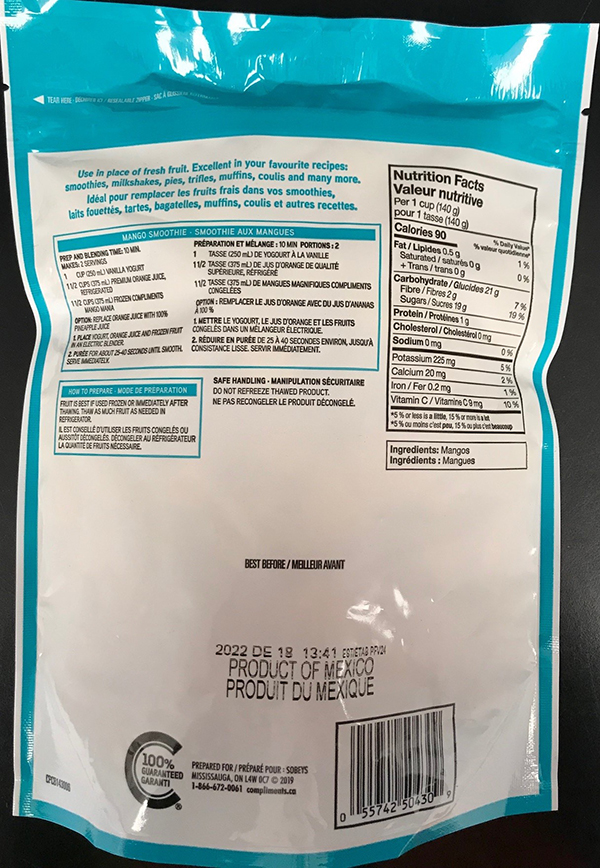
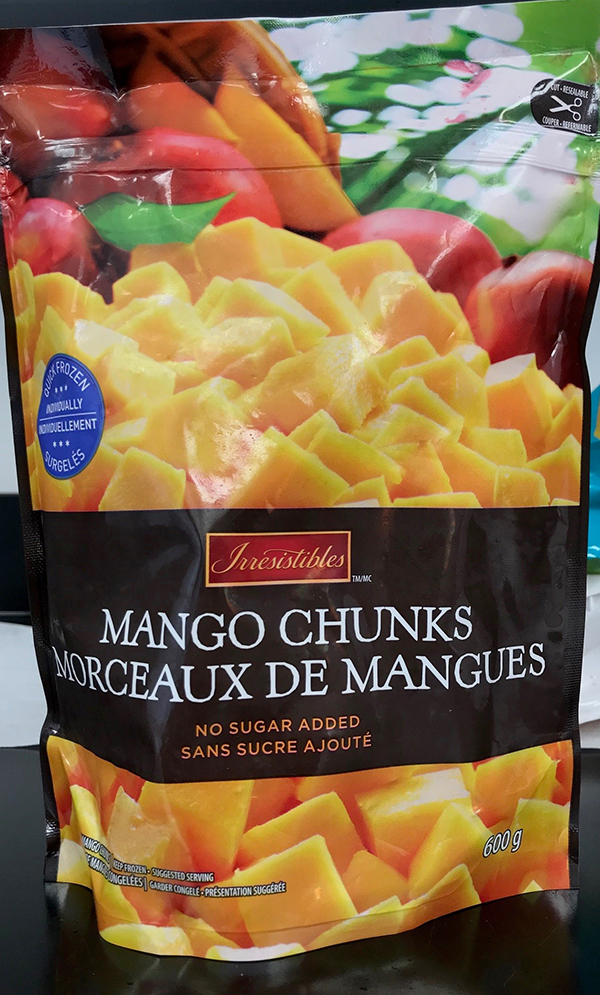
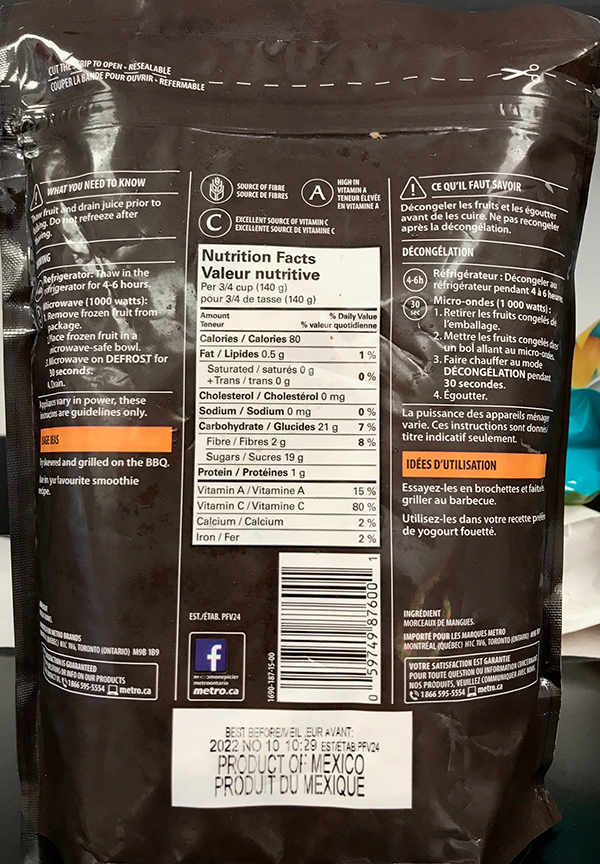
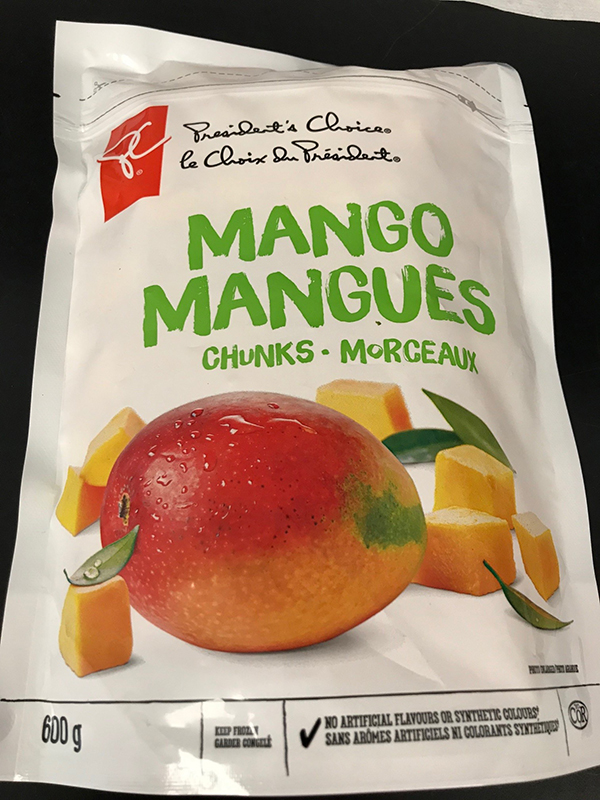
Based on the investigation findings to date, exposure to frozen mangoes has been identified as a likely source of the outbreak. Two of the individuals who became sick reported consuming frozen mangoes before their illnesses occurred. Leftover frozen mangoes were collected from the homes of ill individuals and tested positive for Hepatitis A.
The CFIA has issued a food recall warning for various frozen mangoes sold under various brands. The recalled products have been distributed in Saskatchewan, Manitoba, Ontario, Québec, New Brunswick, Nova Scotia, Prince Edward Island, Newfoundland and Labrador, and may have been distributed in other provinces and territories. More information on the recalled products is available on CFIA’s website.
Canadians are advised not to eat any recalled food products. If you suspect you have been exposed to recalled products, or have symptoms consistent for Hepatitis A, see your health care provider immediately. Vaccination can prevent the onset of symptoms if given within 14 days of exposure. This notice contains more advice on how to avoid getting sick.
This public health notice will be updated as the investigation evolves.
Investigation summary
As of July 31, 2021, there are three laboratory-confirmed cases of Hepatitis A illness being investigated in the following provinces: Québec (2), and Nova Scotia (1). Individuals became sick between late March 2021 and mid June 2021. No hospitalizations or deaths have been reported. Individuals who became ill are between 23 and 63 years of age. The majority of cases (67%) are female.
The CFIA is continuing its food safety investigation, which may lead to the recall of other products. If other high-risk products are recalled, the CFIA will notify the public through updated food recall warnings.
It is possible that more recent illnesses may be reported in the outbreak because there is a period of time between when a person becomes ill and when the illness is reported to public health officials. For this outbreak, the illness reporting period is between two and six weeks.
Who is most at risk
Hepatitis A infections can occur among people of all ages; however, although rare, the severity of illness increases with age. Those with underlying liver disease are also at increased risk for severe illness.
If you have been exposed to Hepatitis A it is possible to spread the virus to other people before you experience any symptoms.
If you suspect you have been exposed to recalled products , or have symptoms consistent for Hepatitis A, see your health care provider immediately. Vaccination can prevent the onset of symptoms if given within 14 days of exposure.
If you are unsure whether a frozen mango product you have in your home is part of the food recall warning, do not consume it. Secure the product in a plastic bag, throw it out and wash your hands with warm soapy water.
If you order food and drinks containing frozen mangoes at a restaurant or food establishment, ask the staff whether the mangoes are part of the food recall warning. If they are, or if they don’t know, don’t eat or drink these food products.
Wash and sanitize any drawers or shelves in fridge and freezer areas where recalled products were stored.
Wash your hands before and after preparing or eating food, and after using the washroom or changing diapers.
If you have been diagnosed with Hepatitis A, do not prepare or serve food and drinks to others.
If you have been exposed to Hepatitis A, it is possible to spread the virus to other people before you experience any symptoms.
Symptoms
Not everyone who is infected will have symptoms. Symptoms are more likely to occur in adults than in children. Symptoms of hepatitis A include:
fever
dark urine
loss of appetite
fatigue (tiredness)
nausea and vomiting
stomach cramps or abdominal pain
jaundice (yellowing of the skin and eyes)
After you have been exposed to hepatitis A, symptoms typically appear 14 to 28 days later, but may occur up to 50 days later.
Symptoms usually last less than two months. Mild symptoms may last only one or two weeks, while severe symptoms can last up to nine months.
What is the Government of Canada doing
The Government of Canada is committed to protecting the health of Canadians from enteric disease outbreaks.
The Public Health Agency of Canada leads the human health investigation into an outbreak and is in regular contact with its federal, provincial and territorial partners to monitor the situation and to collaborate on steps to address an outbreak.
Health Canada provides food-related health risk assessments to determine whether the presence of a certain substance or microorganism poses a health risk to consumers.
The Canadian Food Inspection Agency conducts food safety investigations into the possible food source of an outbreak.
Epidemiological information
Figure 1 is an epidemiological curve for this outbreak, which shows the numbers of new cases by week. Outbreak investigators use this information to show when illnesses begin when they peak and when they trail off. It can take several weeks from the time a person becomes ill to when the illness is reported and testing confirms a link to the outbreak. Data are available for 3 cases.
Figure 1. Number of people infected with Hepatitis AFigure 1 – Text description
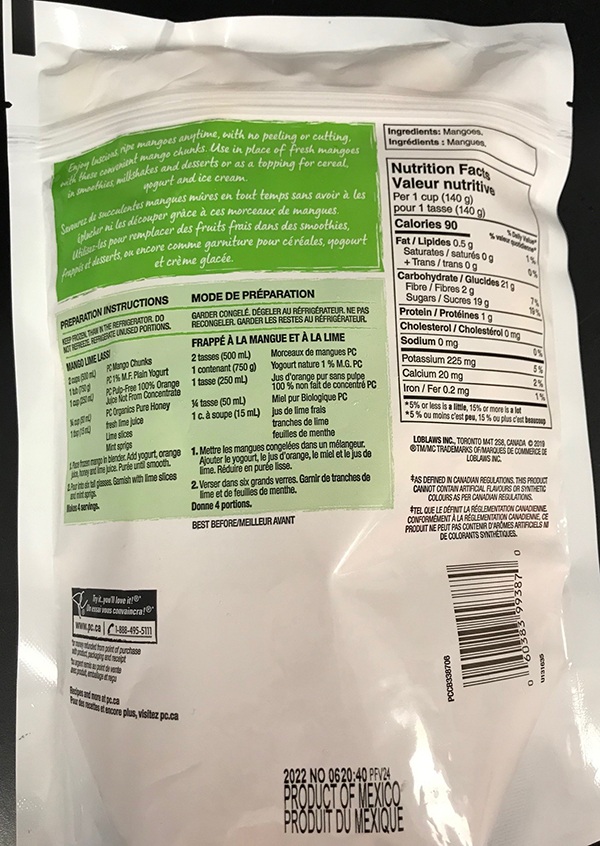
Ottawa, July 30, 2021 – Nature’s Touch Frozen Food Inc. is recalling various frozen mangoes from the marketplace due to possible Hepatitis A contamination. Consumers should not consume the recalled products described below.
Recalled products
Brand
Product
Size
UPC
Codes
Nature’s Touch
Mangoes
(frozen)
2 kg
8 73668 00180 7
Best Before
2022 NO 09
Compliments
Mango Mania
(frozen)
600 g
0 55742 50430 9
Best Before
2022 NO 10 and
2022 DE 18
Irresistibles
Mango Chunks
(frozen)
600 g
0 59749 87600 1
Best Before
2022 NO 10
President’s Choice
Mango Chunks
(frozen)
600 g
0 60383 99387 0
Best Before
2022 NO 06 and
2022 NO 10
What you should do
If you think you became sick from consuming a recalled product, call your doctor.
Check to see if you have the recalled products in your home. Recalled products should be thrown out or returned to the store where they were purchased.
Food contaminated with Hepatitis A virus may not look or smell spoiled. Consumption of food contaminated with this virus may cause hepatitis and produce a self-limited disease that does not result in chronic infection or chronic liver disease. The illness is usually mild and starts about 15 to 50 days after the contaminated food is eaten. It generally goes away by itself in a week or two, although it can last up to 6 months in some people. It can cause inflammation of the liver, and symptoms may include fever, low appetite, nausea, vomiting, diarrhea, muscle aches, and yellowing in the whites of the eyes and the skin (jaundice).
This recall was triggered by findings during an investigation into a foodborne illness outbreak. The Canadian Food Inspection Agency (CFIA) is conducting a food safety investigation, which may lead to the recall of other products. If other high-risk products are recalled, the CFIA will notify the public through updated Food Recall Warnings.
The CFIA is verifying that industry is removing the recalled products from the marketplace.
Illnesses
There have been reported illnesses associated with the consumption of these products.







 FoodWorld