Category Archives: Campylobacter

Research – Ireland reveals illness data for early 2024

Food Safety News

According to a recent report, Campylobacter and Listeria infections have increased, but Salmonella and E. coli cases dropped in Ireland in the first three months of 2024.

Campylobacter infections increased from 700 in Q1 2023 to 733 in Q1 2024. Listeria infections rose from one to five. Salmonella cases decreased from 84 to 67, and Shiga toxin-producing E. coli (STEC) infections declined from 131 to 116.

Data comes from a report published by the Health Protection Surveillance Centre (HPSC) that includes foodborne illnesses from January to March 2024. It is the first one since such reports were halted after the Q4 2019 edition due to the impact of the COVID-19 pandemic.

UK – FSA assesses raw pet food risk to animals and people

Food Safety News

The Food Standards Agency (FSA) has analyzed the risk to dogs and cats from eating contaminated raw pet food and the impact on the people who feed them such products.

Raw pet food has become increasingly popular in recent years. Such items are made from Category 3 Animal-By-Products (ABP) that have been passed fit for human consumption in a slaughterhouse but are surplus to requirements. They do not undergo cooking or heat treatment so that the end product can be contaminated with pathogens. The majority are sold frozen and typically have a best-before date of over one year.

The assessment considers the risk of dogs and cats acquiring Salmonella, beta-glucuronidase-positive E. coli, Shiga toxin-producing E. coli (STEC), Campylobacter, and methicillin-resistant Staphylococcus aureus (MRSA) infection from contaminated products. It also covers the risk of infection to animal owners by handling these products at home or via transmission from an infected pet.

Research – Salmonella climbs to leading cause of outbreaks in Denmark

Food Safety News

kswfoodworld salmonella

Salmonella infections overtook norovirus to become Denmark’s top cause of outbreaks in 2023.

Data from the National Food Institute at the Technical University of Denmark, the Danish Veterinary and Food Administration, and Statens Serum Institut shows Salmonella outbreaks increased from 11 2022 to 18 in 2023. Norovirus caused 13 outbreaks compared to 14 in 2022.

Campylobacter continues to be the most common bacterial foodborne illness, with 5,186 cases in 2023. Salmonella cases increased for the fourth year in a row, to 1,207 from 899 in 2022. For both pathogens, the numbers moved towards levels seen before the COVID-19 pandemic.

Research – Campylobacter jejuni in Vacuum Packaged Processed Turkey

Science Direct

This study evaluated the effect of vacuum packaged storage at 4°C upon survival of Campylobacter jejuni in processed turkey roll and turkey ham. Turkey ham and turkey roll samples were sliced, inoculated with C. jejuni, vacuum packaged, and stored at 4°C for up to 28 d. Three different strains of C. jejuni were evaluated. After appropriate incubation, the inoculated samples were analyzed for culturable C. jejuni. Control samples were analyzed for aerobic plate count and enterococci. Culturable C. jejuni decreased significantly during vacuum packaged storage at 4°C over time (P<0.05). A significant difference in viability existed between the three test strains used (P<0.05). Higher levels of C. jejuni were detected in the turkey roll than the turkey ham. Aerobic plate counts and enterococci increased significantly during storage (P<0.05) providing competition for C. jejuni. Though survival of C. jejuni decreased over time, greater than 500 viable cells per gram were detected with some strains for up to 28 d.

Research – Development of Predictive Modelling for Removal of Multispecies Biofilms of Salmonella Enteritidis, Escherichia coli, and Campylobacter jejuni from Poultry Slaughterhouse Surfaces

MDPI

Abstract

Salmonella Enteritidis, Escherichia coli, and Campylobacter jejuni are among the most common foodborne pathogens worldwide, and poultry products are strongly associated with foodborne pathogen outbreaks. These pathogens are capable of producing biofilms on several surfaces used in the food processing industry, including polyethylene and stainless steel. However, studies on multi-species biofilms are rare. Therefore, this study aimed to develop predictive mathematical models to simulate the adhesion and removal of multispecies biofilms. All combinations of microorganisms resulted in biofilm formation with differences in bacterial counts. E. coli showed the greatest ability to adhere to both surfaces, followed by S. Enteritidis and C. jejuni. The incubation time and temperature did not influence adhesion. Biofilm removal was effective with citric acid and benzalkonium chloride but not with rhamnolipid. Among the generated models, 46 presented a significant coefficient of determination (R2), with the highest R2 being 0.88. These results provide support for the poultry industry in creating biofilm control and eradication programs to avoid the risk of contamination of poultry meat.

Main food-related diseases rise in Norway

Food Safety News

E. coli infections hit a record high in Norway in 2023, while other pathogens are returning to levels seen before the Coronavirus pandemic.

Data published by the Norwegian Institute of Public Health (FHI) shows that the number of Campylobacter, Salmonella, E. coli, and Listeria infections rose compared to the previous year, while Yersinia cases fell.

Research – Foodborne Illnesses from Leafy Greens in the United States: Attribution, Burden, and Cost

Science Direct

Abstract

Leafy green vegetables are a major source of foodborne illnesses. Nevertheless, few studies have attempted to estimate attribution and burden of illness estimates for leafy greens. This study combines results from three outbreak-based attribution models with illness incidence and economic cost models to develop comprehensive pathogen-specific burden estimates for leafy greens and their subcategories in the United States. We find that up to 9.18% (90% CI: 5.81%-15.18%) of foodborne illnesses linked to identified pathogens are attributed to leafy greens. Including ‘Unknown’ illnesses not linked to specific pathogens, leafy greens account for as many as 2,307,558 (90% CI: 1,077,815–4,075,642) illnesses annually in the United States. The economic cost of these illnesses is estimated to be up to $5.278 billion (90% CI: $3.230-$8.221 billion) annually. Excluding the pathogens with small outbreak sizes, Norovirus, Shiga toxin-producing Escherichia coli (both non-O157 and O157:H7), Campylobacter spp., and nontyphoidal Salmonella, are associated with the highest number of illnesses and greatest costs from leafy greens. While lettuce (romaine, iceberg, “other lettuce”) takes 60.8% of leafy green outbreaks, it accounts for up to 75.7% of leafy green foodborne illnesses and 70% of costs. Finally, we highlighted that 19.8% of Shiga toxin-producing Escherichia coli O157:H7 illnesses are associated with romaine among all food commodities, resulting in 12,496 estimated illnesses and $324.64 million annually in the United States.

USA – CDC – Active Investigations of Multistate Foodborne Outbreaks

CDC

WHAT TO KNOW

  • CDC typically coordinates between 17 and 36 investigations of foodborne illnesses involving multiple states each week. The table below shows the number of active CDC investigations for Campylobacter, Shiga toxin-producing E. coli, Listeria monocytogenes, and Salmonella. It also includes links to any current CDC outbreak notices.
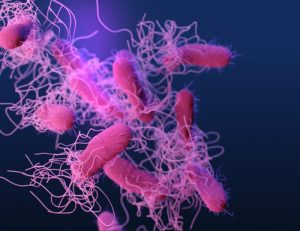
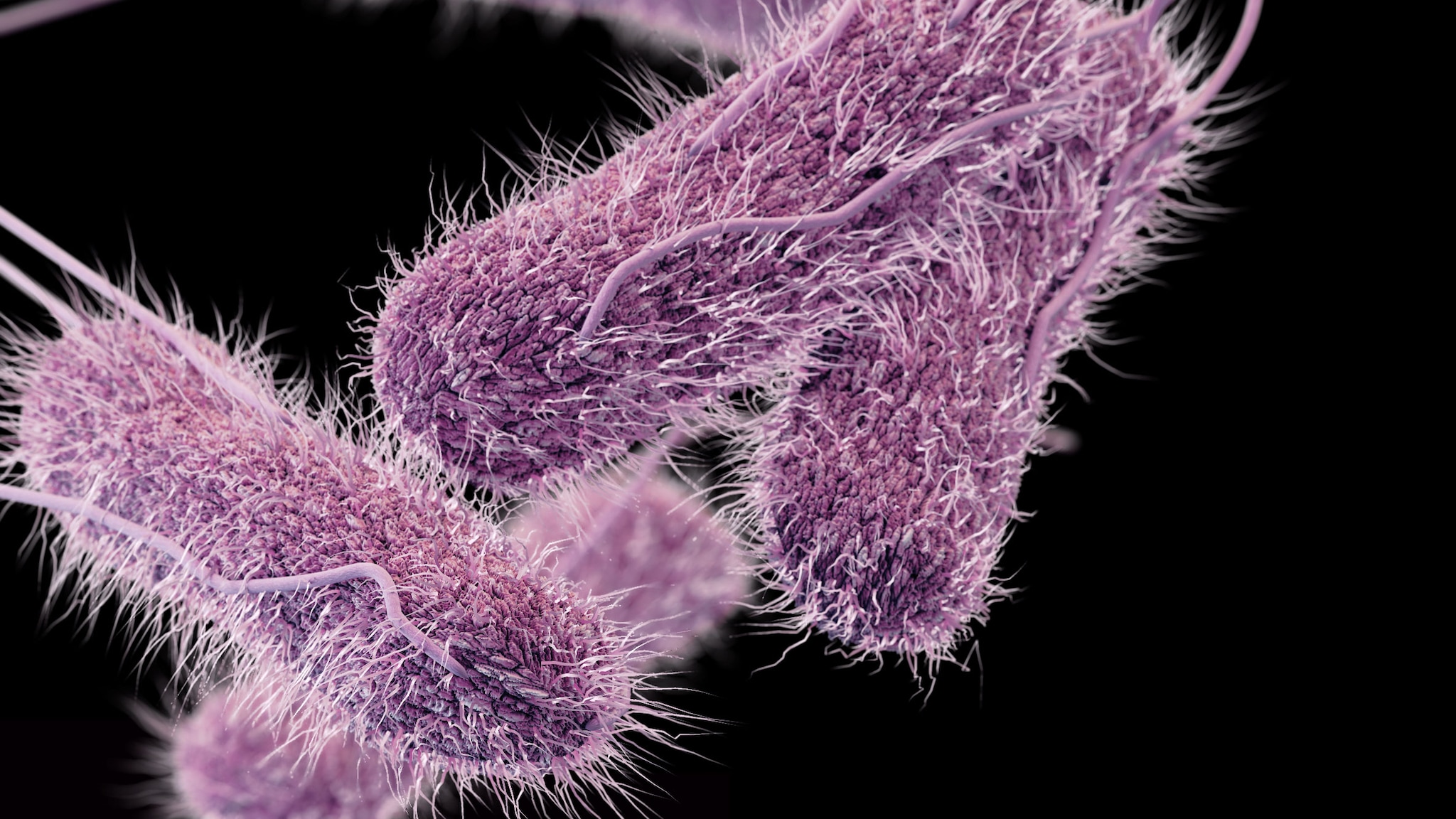
An illustration of what Salmonella looks like under a microscope.

Active multistate outbreaks

Germ Number of Active Multistate Investigations Current CDC Investigation Notices or Food Safety Alerts
Campylobacter 0
  • No active notices or alerts
E. coli 1
Listeria 5
  • No active notices or alerts
Salmonella 13

Research – Decontamination of egg-associated pathogens by plasma-activated water and hydrogen peroxide

Wiley Online

Abstract

This study investigated the effectiveness of plasma-activated water (PAW) and plasma-activated hydrogen peroxide (PAHP) in reducing egg-associated pathogens. The antimicrobial activity of these solutions against Salmonella Enteritidis, Campylobacter jejuni, and Staphylococcus aureus on eggs was evaluated at different plasma treatment durations. The results demonstrated that increasing the duration of plasma treatment enhanced the antimicrobial efficacy of both PAW and PAHP. The bacterial counts of the egg-associated pathogens significantly decreased from 7.61, 7.59, and 7.54 log (CFU/egg) to 5.4 and 3.09, 5.36 and 3.11, and 5.08 and 3.73 log (CFU/egg) for PAW and PAHP, respectively. The characteristics of the plasma solutions, including electrical conductivity, pH, H2O2, NO3¯, and NO2¯, synergistically acted as antimicrobial agents in both PAW and PAHP treatments. The storage study revealed that PAHP treatment had no adverse effects on the eggs’ pH, albumen and yolk color, Haugh unit, and yolk index. However, it did result in reduced eggshell strength and compromised cuticle integrity. Overall, this study demonstrates the successful application of PAW and PAHP in effectively inhibiting egg-associated pathogens while preserving essential egg quality attributes. Further research is needed to optimize the treatment conditions and investigate the long-term effects of PAW and PAHP on eggs in larger-scale applications. This research contributes to developing innovative and sustainable approaches for enhancing the safety and quality of eggs in the food industry.

Research – Foodborne Pathogenic Bacteria: Prevalence and Control—Volume I

MDPI

1. Introduction

From the farm to the dining table, foodborne pathogenic bacteria can contaminate food at any stage of the food production, processing, delivery, preparation, and consumption chain, posing a critical threat to the safety of food systems worldwide [1]. Staphylococcus aureusEscherichia coliSalmonellaListeria monocytogenesCampylobacter, and Vibrio parahaemolyticus are some of the most common foodborne pathogenic bacteria, and food products contaminated by them traverse intricate global trade networks, posing many disease risks to millions of consumers annually [2]. Foodborne diseases can result from unsafe food storage, processing, preservation, and infected workers, as well as several forms of environmental contamination, including pollution in water, soil, air, infected livestock, and animal feces [3]. Some other factors that increase the incidence of foodborne diseases include the adaptation of pathogens to new environments, the formation of biofilms, the acquisition of virulence factors, and the development of antimicrobial resistance in foodborne pathogenic bacteria [4].
To enhance the safety of our food system, the first step is to know how the food system has been, and could still be, contaminated by common pathogenic bacteria, as well as other emerging and re-emerging pathogenic bacteria. On the other hand, we need to know how these bacteria could survive different storage, processing, and preservation processes in the food system. Biofilm formation and antimicrobial resistance could explain the mechanisms of bacterial survival. However, much is unknown. Once basic information is acquired, we can prevent and control the contamination of foodborne pathogenic bacteria to keep us far away from the pathogens’ attacks.
We are pleased to present this Special Issue on “Foodborne Pathogenic Bacteria: Prevalence and Control”, which contains eleven research articles and two review articles on the detection, prevalence, growth, survival and control. In addition, this Special Issue also covered topics related to rapid detection, persistence in food processing environment, antimicrobial resistance, stress adaptation, antibacterial and antibiofilm mechanisms, etc., as alternative and sustainable innovations to prevent and control the contamination of pathogenic bacteria in the food system. We present a brief overview of each contribution.