Monthly Archives: January 2024

Research – Relationship between Desiccation Tolerance and Biofilm Formation in Shiga Toxin-Producing Escherichia coli

MDPI

Abstract

Shiga toxin-producing Escherichia coli (STEC) is a major concern in the food industry and requires effective control measures to prevent foodborne illnesses. Previous studies have demonstrated increased difficulty in the control of biofilm-forming STEC. Desiccation, achieved through osmotic stress and water removal, has emerged as a potential antimicrobial hurdle. This study focused on 254 genetically diverse E. coli strains collected from cattle, carcass hides, hide-off carcasses, and processing equipment. Of these, 141 (55.51%) were STEC and 113 (44.48%) were generic E. coli. The biofilm-forming capabilities of these isolates were assessed, and their desiccation tolerance was investigated to understand the relationships between growth temperature, relative humidity (RH), and bacterial survival. Only 28% of the STEC isolates had the ability to form biofilms, compared to 60% of the generic E. coli. Stainless steel surfaces were exposed to different combinations of temperature (0 °C or 35 °C) and relative humidity (75% or 100%), and the bacterial attachment and survival rates were measured over 72 h and compared to controls. The results revealed that all the strains exposed to 75% relative humidity (RH) at any temperature had reduced growth (p < 0.001). In contrast, 35 °C and 100% RH supported bacterial proliferation, except for isolates forming the strongest biofilms. The ability of E. coli to form a biofilm did not impact growth reduction at 75% RH. Therefore, desiccation treatment at 75% RH at temperatures of 0 °C or 35 °C holds promise as a novel antimicrobial hurdle for the removal of biofilm-forming E. coli from challenging-to-clean surfaces and equipment within food processing facilities.

Research – Yersinia enterocolitica biovar 1A: An underappreciated potential pathogen in the food chain.

Science Direct

Highlights
Y. enterocolitica was isolated from chicken (74%), pork (80%), salmon (80%) and leafy green (10%) samples

Up to five Y. enterocolitica sequence types (STs) were isolated from the same food sample

Isolates from the same sample and ST differed by 0-74 single nucleotide polymorphisms (SNPs)

Almost all (99%) food Y. enterocolitica isolates were biotype 1A

Around half (51%) of food samples contained an ST previously isolated from UK human sources.

Abstract

Yersinia enterocolitica is an underreported cause of foodborne gastroenteritis. Little is known of the diversity of Y. enterocolitica isolated from food and which food commodities contribute to human disease. In this study, Y. enterocolitica was isolated from 37/50 raw chicken, 8/10 pork, 8/10 salmon and 1/10 leafy green samples collected at retail in the UK. Up to 10 presumptive Y. enterocolitica isolates per positive sample underwent whole genome sequencing (WGS) and were compared with publicly available genomes. In total, 207 Y. enterocolitica isolates were analyzed and belonged to 38 sequence types (STs). Up to five STs of Y. enterocolitica were isolated from individual food samples and isolates belonging to the same sample and ST differed by 0–74 single nucleotide polymorphisms (SNPs). Biotype was predicted for 205 (99 %) genomes that all belonged to biotype 1A, previously described as non-pathogenic. However, around half (51 %) of food samples contained isolates belonging to the same ST as previously isolated from UK human cases. The closest human-derived isolates shared between 17 and 7978 single nucleotide polymorphisms (SNPs) with the food isolates. Extensive food surveillance is required to determine what food sources are responsible for Y. enterocolitica infections and to re-examine the role of biotype 1A as a human pathogen.

Belgium – pâtés “De Beauvoorderpaté (0.1KG/SC)” & “Paté van de chef (0.15KG/SC)” from the Buurtslagers/Bon’Ap brand – Listeria monocytogenes

afsca

Meat & More recall
Product: pâtés “De Beauvoorderpaté (0.1KG/SC)” & “Paté van de chef (0.15KG/SC)” from the Buurtslagers/Bon’Ap brand
Problem: possible presence of Listeria Monocytogenes
In agreement with the AFSCA, Meat & More is withdrawing from sale the pâtés “De Beauvoorderpaté (0.1KG/SC)” & “Paté van de chef (0.15KG/SC)” from the Buurtslagers/Bon’Ap brand and is recalling them from consumers due to the possible presence of Listeria Monocytogenes.

Meat & More asks its customers not to consume these products and to return them to the point of sale for a refund.

Description of products:

– Product Name: De Beauvoorderpaté (0.1KG/SC)
– Brand: Buurtslagers/Bon’Ap
– Best before date (Best before date): 02/14/2024
– Batch number: 033
– Sales period: from 01/17/2024 to 01.23.2024
– Type of packaging: isomo tray with transparent film
– Weight: 100g

– Name of the Product: Paté van de chef (0.15KG/SC)
– Brand: Buurtslagers/Bon’Ap
– Use-by date (Best before date): 14.02.2024
– Batch number: 033
– Sales period: from 17.01. 2024 to 01/23/2024
– Type of packaging: isomo tray with transparent film
– Weight: 150g

The products were distributed through different points of sale.

For more information please contact the Meat & More quality department: Groendreef 10, 9880 Aalter – tel. 09 216 73 10.

Research – Most major pathogens see an increase in Ireland

Food Safety News

The number of E. coli, Salmonella, Campylobacter, and Listeria infections has gone up in Ireland, according to 2022 data from the Health Protection Surveillance Centre (HPSC).

During the COVID-19 pandemic, reporting rates for giardiasis, listeriosis, norovirus, rotavirus, salmonellosis, shigellosis, and toxoplasmosis in Ireland decreased compared to pre-pandemic levels. Still, rates for campylobacteriosis, cryptosporidiosis, E. coli, and yersiniosis increased or remained unchanged. In 2022, most of these diseases returned to or remained at pre-pandemic levels.

A 2021 cyber-attack at the Health Service Executive (HSE) also affected data validation and collection, reporting of enhanced data variables, and outbreak notification.

Denmark – Listeria in cured sausages and seasoning fat

Foedevarestyrelsen

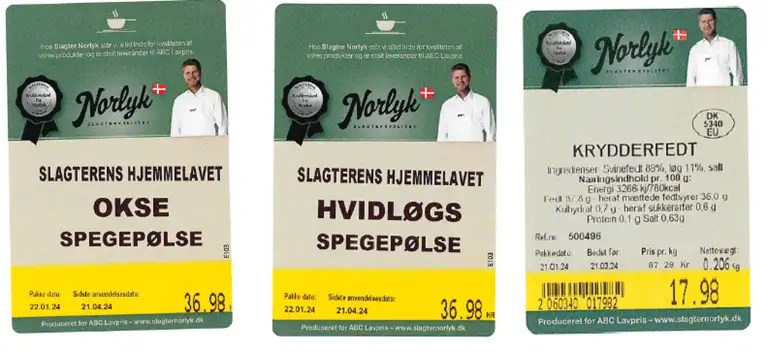
Butcher Norlyk ApS is recalling Norlyk garlic sausage, Norlyk beef sausage and Norlyk spiced fat, as Listeria monocytogenes has been found in the products.

If you have purchased the products, you should discard them or return them to the store where they were purchased.

Image of the products

Which foods are recalled

Norlyk Garlic sausage, vacuum packed
Best before dates: From 04/07/2024 to 04/21/2024
EAN code: 2060300036985

Norlyk Beef sausage, vacuum packed
Best before dates: From 04/06/2024 to 04/21/2024
EAN code: 2060380036981

Norlyk Seasoning t, in cup
Last use-by dates: From 15.03 .2024 to 22.03.2024
EAN code: 2060340017982

Where are the products sold?

The products are sold in ABC Discount stores.

Why are the products being recalled?

The bacterium Listeria monocytogenes has been detected in the products. Infection with Listeria bacteria can cause flu-like symptoms, fever and headache and, in rare cases, gastrointestinal problems.

Netherlands – Safety warning meal salad chicken-ketjap various supermarkets (alert)

NVWA

The chicken-ketjap meal salad 450g will immediately be removed from the shelves of supermarkets Boon, Coop, Dekamarkt, Dirk and Hoogvliet.
After checking, it turned out that the salad may contain incompletely cooked chicken thigh fillet. Don’t eat the salad.

Research – Sporadic Shiga Toxin-Producing Escherichia coli-Associated Paediatric Haemolytic Uraemic Syndrome, France, 2012–2021

Sante Publique

Shiga toxin-producing Escherichia coli (STEC) bacteria cause a variety of symptoms, ranging from simple diarrhoea to bloody diarrhoea, and expose patients to an increased risk of serious complications, including haemolytic uraemic syndrome (HUS). HUS due to STEC infection can occur at any age, although it mainly affects children under the age of 5 and the elderly. Over the past decade, several outbreaks of food-borne STEC-HUS have received wide media coverage. For children, this illness remains a significant public health risk in France. Although ruminants (cows, sheep, goats, etc.) are the main reservoir of STEC bacteria, it is difficult to determine the source of contamination in sporadic infections due to the multiple possible modes of contamination (consumption of contaminated food or water, contact with ruminants or their contaminated environment, contact with an infected person, etc.).

Identifying geographic areas where there is a higher risk of sporadic STEC-HUS will help to improve our knowledge of the environmental risk factors associated with the geographic disparities. This was the objective of the study carried out by Santé publique France, in partnership with the National Reference Centre (Centre national de référence, CNR) for E. coli, at the Institut Pasteur, and its associated laboratory at the Robert Debré Teaching Hospital (Centre Hospitalier Universitaire Robert Debré), which was recently published in the journal Emerging Infectious Diseases.

CDC

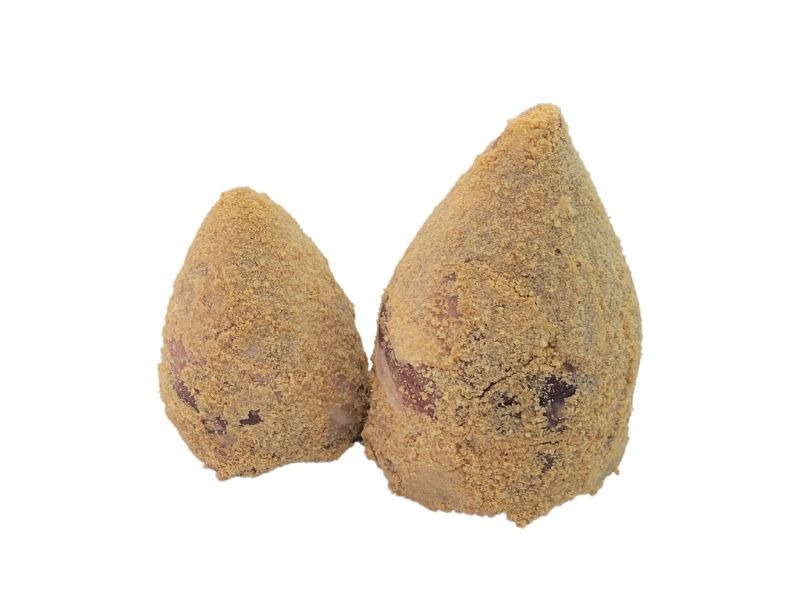
France – Artisanal breaded pork ham Listeria monocytogenes

Gov France

Product category
Food
Product subcategory
Meats
Product brand name
Richard Charcuteries
Model names or references
Artisanal breaded pork ham
Product identification
Batch Date
50124 Use-by date 01/15/2024
Start/end date of marketing
From 01/09/2024 to 01/14/2024
Storage temperature
Product to keep in the refrigerator
Health mark
Richard Charcuteries
Further information
Traditional stand sales
Geographical sales area
Whole France
Distributors
E.Leclerc Saint-Just-en-Chaussée

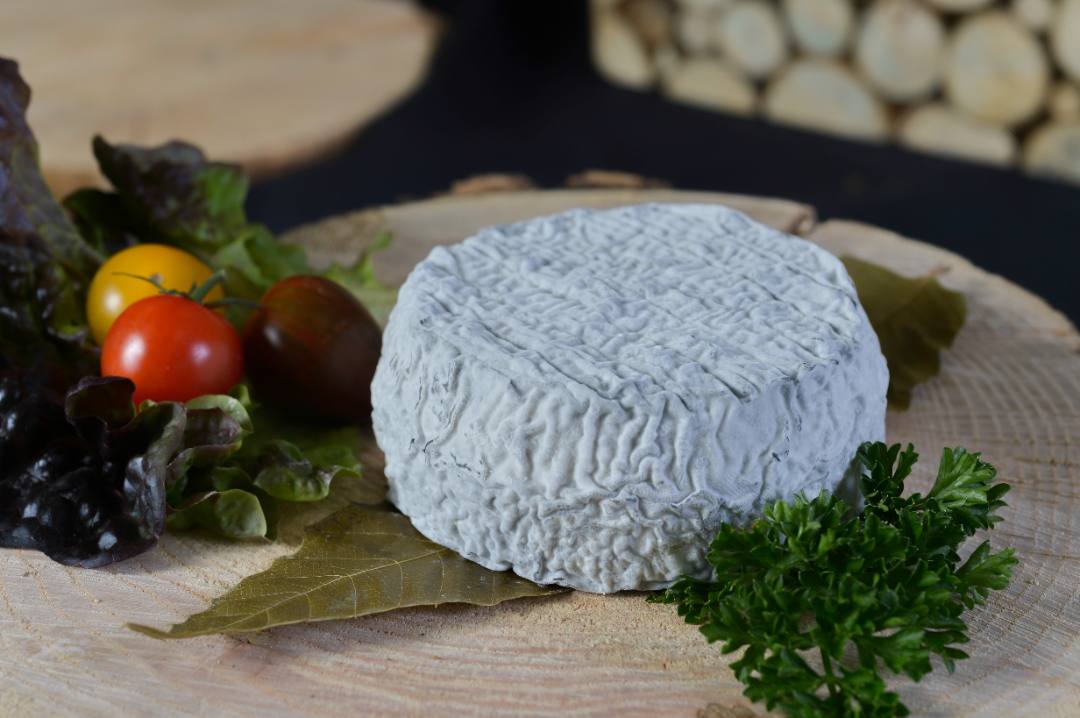
France – Goat cheese -Parthenay ash – STEC E.coli

Gov France

Product category
Food
Product subcategory
Milk and dairy products
Product brand name
White Cheese Shop
Model names or references
Goat cheese – Parthenay ash
Product identification
Batch Date
lot number: 353 Minimum durability date 02/16/2024
Start/end date of marketing
From 12/26/2023 to 01/08/2024
Storage temperature
Product to keep in the refrigerator
Health mark
FR 79-202-024 CE
Geographical sales area
Whole France
Distributors
DISCOUNTS – SAFF – WEST DISTRIBUTION FEES – TEAM WEST

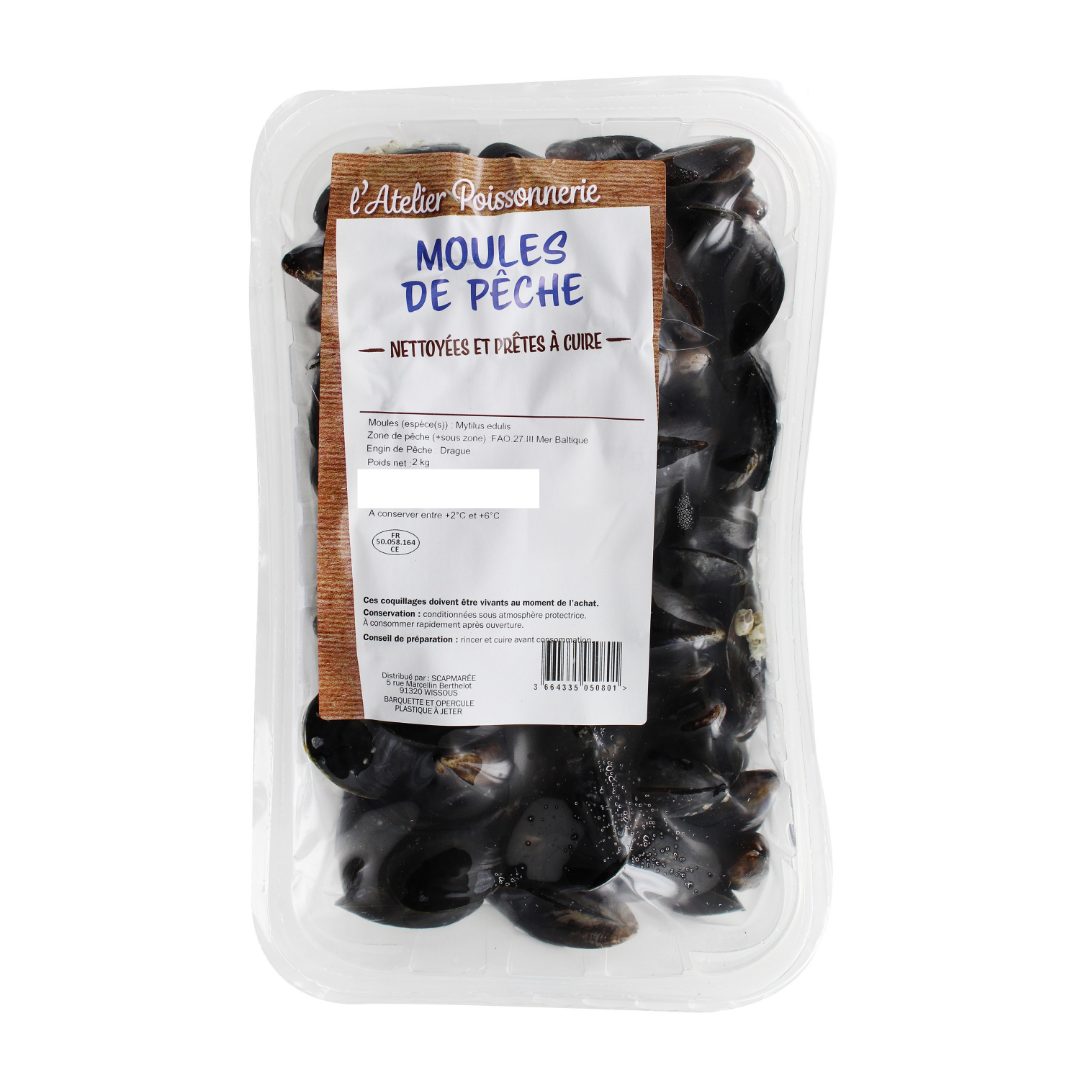
France – Mussels – FISHING MOLD FISH WORKSHOP P/ANE X2KG 6UVC PFX – E.coli

Gov France

Product category
Food
Product subcategory
Fishing and aquaculture products
Product brand name
FISH WORKSHOP
Model names or references
FISHING MOLD FISH WORKSHOP P/ANE X2KG 6UVC PFX
Product identification
GTIN Batch Date
3664335050801 J02SEA Use-by date 01/23/2024
Packaging
2KG tray
Start/end date of marketing
From 01/18/2024 to 01/23/2024
Storage temperature
Product to keep in the refrigerator
Health mark
FR 50.058.164 CE
Geographical sales area
Whole France
Distributors
E. Leclerc
List of points of sale
Store_list.pdf