Monthly Archives: April 2023

Research – Aflatoxins contamination in raw and roasted cashew nuts in Mtwara, Tanzania

African Journal of Microbiology

Abstract

The aim of this work was to determine the contamination levels of raw and roasted cashew nuts sold in Masasi and Newala districts of Mtwara region in Tanzania. A total of 60 samples including 40 roasted (24 samples from Newala and 16 from Masasi) and 20 raw samples (12 from Newala and 8 from Masasi) were collected. Determination of total aflatoxins levels in raw and roasted cashew nuts samples was carried out by immune affinity high performance liquid chromatography (HPLC). The levels of contamination ranged from not detected (less than limit of quantification) to 3.29 µg/kg for both aflatoxin B1 and total aflatoxin in the cashew nuts samples. None of the samples had total aflatoxins contamination greater than the recommended maximum residues of 4 µg/kg set by European Commission (2010) or 10 µg/kg set by FAO and WHO (1995). About a quarter (38%) of the samples had total aflatoxins less than limit of quantification. All roasted cashew nut samples were found to have total aflatoxins less than 3 µg/kg while about 86% of raw cashew nut samples had total aflatoxins less than 3 µg/kg
Research – Detection of Clostridium botulinum in Some Egyptian Fish Products, Its Control In Vitro Using Citrus Leaves Extracts, and Applicability of Citrus limon Leaf Extract in Tuna

MDPI

kswfoodworld

Abstract

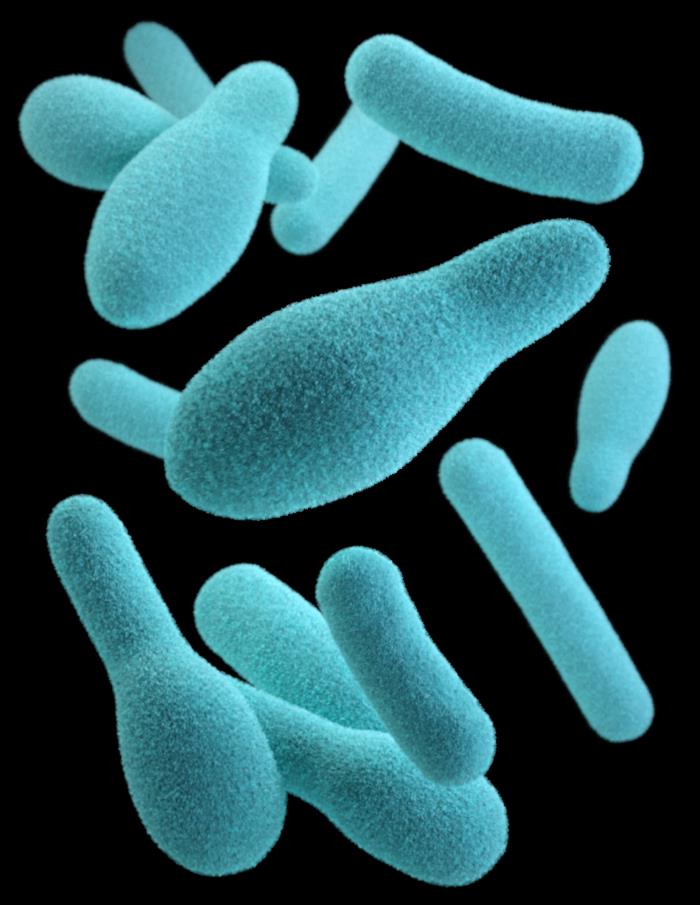
This study aims to detect Clostridium botulinum and its control using natural leaf extracts of Citrus limonCitrus sinensis, and Citrus unshiu in Egyptian fish products, e.g., canned tuna, canned sardine, canned mackerel, fesikh, moloha, and renga, as well the application of C. limon in tuna. Moreover, the antibacterial activity of the C. limon leaf extract was also estimated. In the water extract, ascorbic acid, total flavonoid content (TFC), and total phenolic content (TPC) were determined by volumetric, aluminum chloride, and Folin–Ciocalteu approaches, respectively. The antioxidant ability of the extract was analyzed in vitro via free radical scavenging (DPPH) and Ferric reducing assays. The results showed variability in the distribution of the total number of positive C. botulinum in fish samples from three different governorates under study, which were (24) Alexandria, (16) Beheira, and (17) Gharbia, out of the 120 tested samples in each governorate. Additionally, the findings revealed that all three Citrus extracts contain an appropriate number of secondary metabolites, with a sustainable presence of saponin and tannins in the C. limon extract. Furthermore, all Citrus extracts inhibited bacterial growth by increasing the inhibition zone, with C. limon being the best extract (25 mm) compared to C. sinensis and C. unshiu. The overall results showed the high antioxidant and anti-Clostridium powers (p < 0.05) of C. limon leaf extract, indicating its preservative activity in fishery products during storage. Finally, C. limon leaf extract can fight off C. botulinum and is considered a promising natural preservation candidate in ensuring safe and fresh fishery products.

Research – Monitoring Growth and Removal of Pseudomonas Biofilms on Cellulose-Based Fabrics

MDPI

Abstract

Biofilms are often tolerant towards routine cleaning and disinfection processes. As they can grow on fabrics in household or healthcare settings, resulting in odors and serious health problems, it is necessary to contain biofilms through eradication strategies. The current study proposes a novel test model for the growth and removal of biofilms on textiles with Pseudomonas fluorescens and the opportunistic nosocomial pathogen Pseudomonas aeruginosa as model organisms. To assess the biofilm removal on fabrics, (1) a detergent-based, (2) enzyme-based, and (3) combined formulation of both detergent and enzymes (F1/2) were applied. Biofilms were analyzed microscopically (FE-SEM, SEM, 3D laser scanning- and epifluorescence microscopy), via a quartz crystal microbalance with mass dissipation monitoring (QCM-D) as well as plate counting of colonies. This study indicated that Pseudomonas spp. form robust biofilms on woven cellulose that can be efficiently removed via F1/2, proven by a significant reduction (p < 0.001) of viable bacteria in biofilms. Moreover, microscopic analysis indicated a disruption and almost complete removal of the biofilms after F1/2 treatment. QCM-D measurements further confirmed a maximal mass dissipation change after applying F1/2. The combination strategy applying both enzymes and detergent is a promising antibiofilm approach to remove bacteria from fabrics.

Research – Extensive literature searches on bromine and Ochratoxin A in feed

EFSA

Two Extensive Literature Searches (ELSs) by using PubMed, Web of Science (WoS) and SciFinder for relevant studies on Ochratoxin A (OTA) and bromine, bromate and bromide (BRs) in feed were performed. Search queries allowed to obtain a total number of 8,953 and 34,183 references for OTA and BRs, respectively. The relevance analysis of the documents was performed by screening titles and abstracts against inclusion and exclusion criteria. Relevant references accounted in each Area, for OTA and BRs, were respectively: Area 1 (Information on analytical techniques for quantification) 117 and 117 documents, respectively; Area 2 (Information on occurrence/concentrations and formation) 176 and 176 documents, respectively; Area 3 (Information on exposure of farm and companion animals) 31 and 3 documents, respectively; Area 4 (Information on toxicokinetics (absorption, distribution, metabolism, excretion) in farm and companion animals) 37 and 8 documents, respectively; Area 5 (Information on toxicity of OTA/BRs in farm and companion animals) 249 and 23 documents, respectively; Area 6 (Information on the transfer of OTA/BRs from feed to animal derived food) 18 and 4 documents. A total number of 618 and 100 relevant non‐redundant documents was found for OTA and BRs, respectively. Those results were obtained after the full text analysis of all the document previously labelled as relevant.

Research – Contribution of MALDI-TOF-MS-based principal component analysis for distinguishing foodborne pathogens

Wiley Online

Abstract

Foodborne diseases are important to determine bacteria in strain level, which are analyzed by library-based devices and bioinformatics-enabled. The aim of this study was to investigate the contribution of principal component analysis (PCA) with matrix-assisted laser desorption ionization time-of-flight mass spectrometry (MALDI-TOF-MS) to distinguish according to the differences of bacterial strains as rapidly screening of foodborne bacteria. The MALDI-TOF-MS-based PCA analysis was used for differentiating bacterial strains isolated from ready-to-eat foods. According to the results of PCA analysis, the percentages of distance and proximity between species were evaluated by composite correlation indexes (CCI). Bacillus cereus were detected in burghul salad (BC1) and macaroni salad (BC2) taken from the SB2-snack bar, and the similarity rate was determined as 97%. Three other B. cereus bacteria (BC3, BC4, and BC5) in the same cluster were also isolated from salads collected from SB4-snack bar. The similarity of Klebsiella pneumoniae bacteria, which have the codes KP1 and KP2, isolated from macaroni salad and burghul salad taken from the SB2 snack bar respectively were 96%. Additionally, the CCI values of two E. coli strains in burghul (EC1) salad and Russian salad (EC2) in the same sampling point (SB1) were determined as 97%. In conclusion, this analysis with MALDI-TOF-MS based PCA has revealed the relationships between bacteria genera and species, beyond just the identification of bacteria and the rapid screening of bacteria in perishable foodstuffs. Similarities between bacterial strains identified for different samples from the same sampling point suggested that there were not adequate hygiene rules and storage requirements were not followed.