Monthly Archives: February 2022

RASFF Alert – Animal Feed – Mycotoxin – Rye Ergot – Rye

RASFF

Rye ergot in rye from Germany in Austria

RASFF Alerts – Animal Feed – Salmonella – Soybean Flour – Cat 3 Frozen Chicken Meat

RASFF

Salmonella in soybean meal from Germany in Germany, Poland and Switzerland

RASFF

Salmonella infantis in frozen chicken meat cat 3 from Netherlands in Italy

Italy – Similac – Elecare – Salmonella – Cronobacter

Salute

Brand : Similac

Name : Elecare

Reason for reporting : Recall due to microbiological risk

Publication date : 24 February 2022

Click to access C_17_PubblicazioneRichiami_1660_azione_itemAzione0_files_itemFiles0_fileAzione.pdf

Italy – Similac – Alimentum – Salmonella – Cronobacter

Salute

Brand : Similac

Name : Alimentum

Reason for reporting : Recall due to microbiological risk

Publication date : 24 February 2022

Click to access C_17_PubblicazioneRichiami_1659_azione_itemAzione0_files_itemFiles0_fileAzione.pdf

UK – FSA issues advice after Elecare Similac and Alimentum Similac infant formula recall

FSA

The FSA has issued advice to parents after infant formula producer Abbott took the precautionary step of recalling various batches of Elecare Similac and Alimentum Similac powdered formula. This is because of the possible presence of Salmonella and Cronobacter sakazakii.

Both Elecare Similac and Alimentum Similac products are used for special medical purposes to feed babies and are ordinarily used under medical supervision. The company has contacted all stores and pharmacies supplying these products to inform them of the recall.

We will be working with partner agencies to monitor any reports of illnesses.

Our advice to parents

Anyone who has purchased or been prescribed any of the products included in the recall should not feed it to their baby and should return it to the place where they got it from.

IMPORTANT

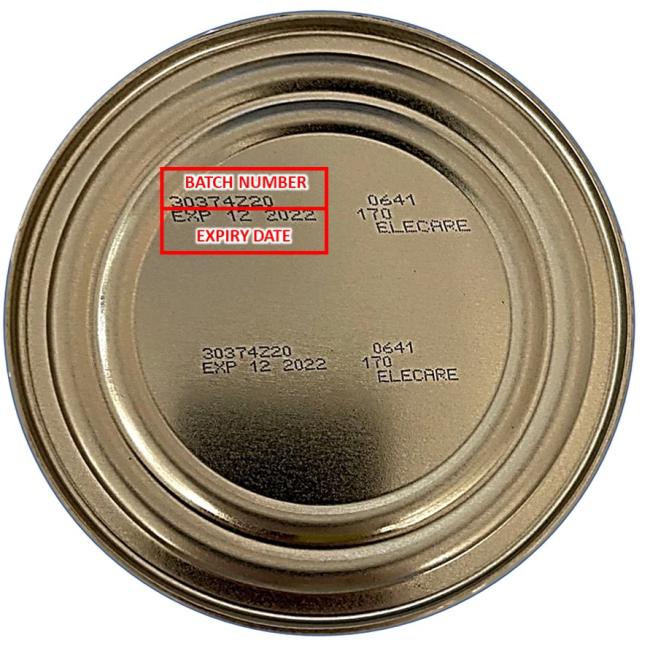
Details of the batch and date code can be found on the base of the can.

A full list of batches included in this recall is available on our recall alert.

For any additional questions about how to return the product, please contact Abbott on 01795 580303.

If you have purchased this product but the batch numbers are different from those specified in this recall alert, no action is needed, and you can continue to feed your baby as normal.

The location of batch codes and best-before dates on the base of recalled cans of Elecare Similac and Alimentum Similac. This batch 30374Z20, best before December 2022 is included in the recall.

The location of batch codes and best-before dates on the base of recalled cans of Elecare Similac and Alimentum Similac. This batch 30374Z20, best before December 2022 is included in the recall.

Anyone who has already used some or all of an affected batch should closely watch for any symptoms caused by Salmonella and Cronobacter sakazakii, which usually include fever, diarrhoea, abdominal cramps irritability and poor feeding.

If your baby has any of these symptoms, you should contact your doctor, midwife or pharmacist for advice. If your baby is well and does not show any symptoms, you do not need to do anything or get any treatment.

Parents or guardians who have purchased or been prescribed any of the products included in our recall should talk to their doctor, midwife or pharmacist about alternative product options.

Our advice to distributors

Abbott has contacted all the businesses to which it supplied these products to advise them of the recall, to immediately discontinue use of the product and recommend a suitable, alternative feeding solution for parents.

It is important that all distributors follow our advice not to supply this product to parents. The Medicines and Healthcare Products Regulatory Agency (Opens in a new window)has helped to share our recall notice with healthcare providers.

Further actions

We have been working with online platforms to remove from sale any products included in the recall. We are aware that a small number of products remain listed for sale and are working to ensure these are taken down.

We will continue to monitor the possible risk posed by the affected products. Any further updates will be posted on this website.

Research – Ireland – Overview of 2019 Zoonois Data

Zoonoses are diseases and infections naturally transmissible between animals and humans. Transmission may occur via direct contact with an animal or indirect contact with animal excreta (e.g. faeces) present in contaminated food, water or the environment.
Foodborne zoonotic diseases are caused by consuming food or drinking water contaminated by zoonotic pathogenic (disease-causing) microorganisms such as bacteria and their toxins, viruses and parasites. They enter the body through the gastrointestinal tract where the first symptoms often occur. Many of these microorganisms are commonly found in the intestines of healthy food-producing animals.
The risks of contamination are present from farm to fork and require prevention and control throughout the food chain. While it is possible for anybody to become infected with a zoonotic pathogen, certain population groups such as the very young, the elderly and immunocompromised are particularly vulnerable and at greater risk of more serious consequences. The eradication of zoonoses in humans and animals is very challenging.
The impact of zoonoses on the health of humans and animals can however be limited, by (i) monitoring the reservoirs of infectious zoonotic pathogens with a view to understanding and controlling their modes of transfer; (ii) by businesses controlling the hazard along the food chain and; (iii) by educating the public about how to avoid or limit the risk of infection.
The Irish zoonoses report is published annually by the FSAI, in collaboration with the Department of Agriculture, Food and the Marine (DAFM), the Health Service Executive(HSE),the Local Authority Veterinary Service (LAVS), the Sea-Fisheries Protection Authority(SFPA) and the Health Protection Surveillance Centre (HPSC).
The report brings together the results of thousands of tests carried out on samples of food and feed, as well as tests on material of animal or human origin, in an effort to determine the pattern and extent of infection by zoonotic pathogens transmitted to humans from animals. Zoonoses data collected by EU Member States serve as a basis for the EU to set targets for the reduction of these microorganisms in food-producing animals and foodstuffs.
The impact of the reduction programmes on the actual prevalence of zoonoses in animals and foods and related human health cases are then monitored and analysed in the annual EU summary reports published by the European Food Safety Authority and the European Centre for Disease Control and Prevention (EFSA and ECDC, 2020).
The data in the 2019 tables for the results of Irish testing carried out in food, animal and animal feed samples are presented in four categories (routine, census, objective and suspect sampling) depending on the sampling context. Routine sampling is planned sampling but does not involve statistically random sampling. Census sampling is when the totality of a population, on which the data are reported, is controlled.
Objective sampling is the planned selection of a random sample, which is statistically representative of the population to be analysed (EFSA, 2020). Suspect sampling is the unplanned selection of a sample whereby the individual units are selected based on the recent judgement and experience regarding the population, lot or sampling frame, e.g., earlier positive samples (EFSA, 2020).
The samples obtained from suspect sampling may have a higher likelihood of having pathogens present.

USA – Student had legs, fingers amputated after eating leftover Chinese takeout

NY Post

A 19-year-old college student developed sepsis and lost his legs and fingers after eating leftover Chinese takeout food in what a doctor described as a “perfect storm” of events.

Dr. Bernard Hsu, a licensed toxicologist, described how the young man became severely ill after eating tainted leftovers, including lo mein, chicken and rice.

“This was a freak accident happening in a perfect storm sequence of events,” Hsu, who did not treat the man, said in a YouTube video on Feb 16.

The teen’s case was first reported in March 2021 in the New England Journal of Medicine, which detailed how he was admitted to Massachusetts General Hospital as he was suffering from “shock, multiple organ failure, skin mottling, and a rapidly progressive reticular rash.”

“The patient had been well until 20 hours before this admission, when diffuse abdominal pain and nausea developed after he ate rice, chicken, and lo mein leftovers from a restaurant meal,” the outlet said.

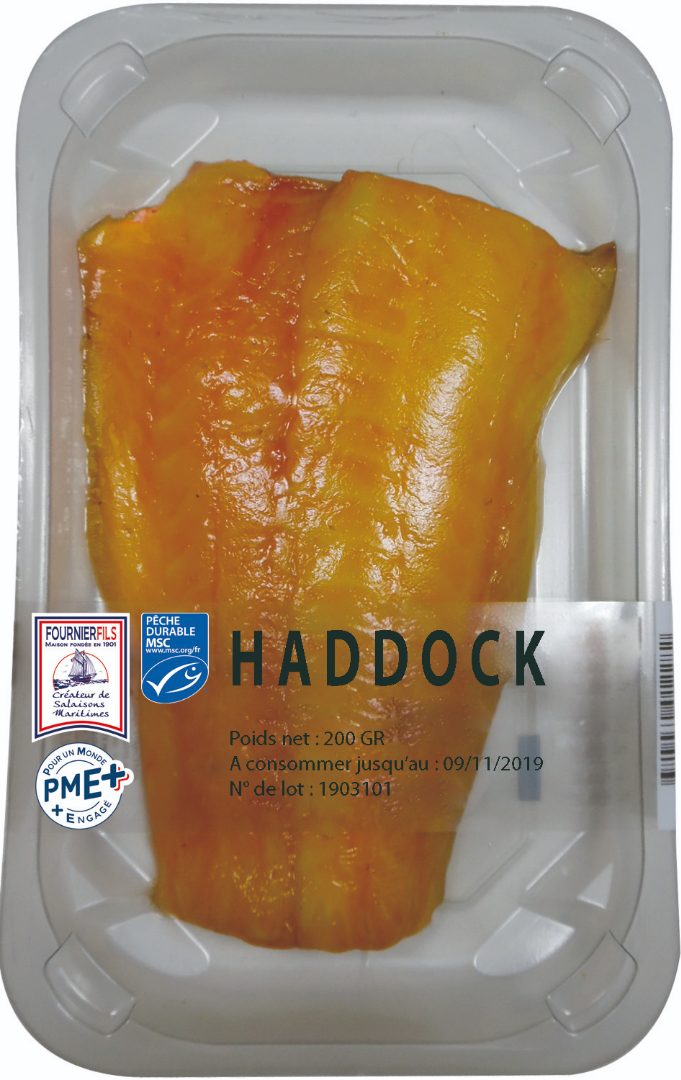
France – HADDOCK 200 GR MSC SKIN MSC-C-53427 – Listeria monocytogenes

Gov france

Identification information of the recalled product

  • Product category Food
  • Product subcategory Fishery and aquaculture products
  • Product brand name Fournier son
  • Model names or references HADDOCK 200 GR MSC SKIN MSC-C-53427
  • Identification of products
    GTIN Lot Dated
    3324030012282 2204206 Use-by date 04/03/2022
    3324030012282 2204306 Use-by date 05/03/2022
  • Packaging skin tray 200g
  • Marketing start/end date From 02/14/2022 to 02/24/2022
  • Storage temperature Product to be stored in the refrigerator
  • Health mark FR 62 193 100 CE
  • Geographic area of ​​sale Whole France
  • Distributors Carrefour, CORA, Leclerc, Top Atlantic Lorient

Practical information regarding the recall

  • Reason for recall Detection of listeria monocytogenes
  • Risks incurred by the consumer Listeria monocytogenes (causative agent of listeriosis)

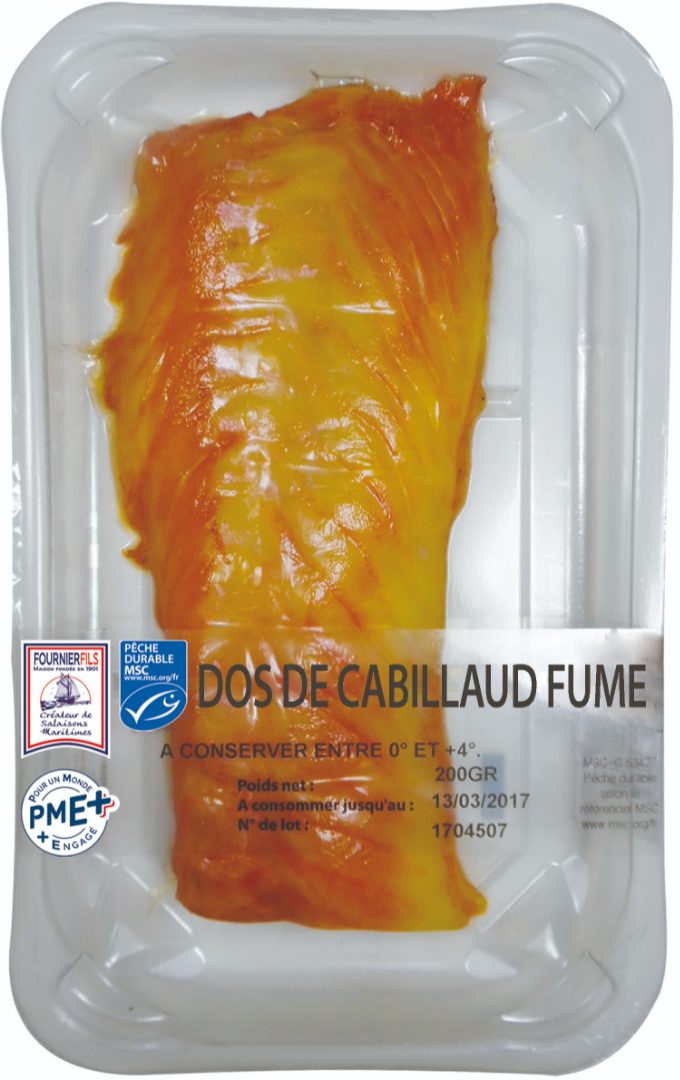
France – SMOKED COD LOINS 200 GR MSC SKIN MSC-C-53427 – Listeria monocytogenes

Gov france

Identification information of the recalled product

  • Product category Food
  • Product subcategory Fishery and aquaculture products
  • Product brand name Fournier son
  • Model names or references SMOKED COD LOINS 200 GR MSC SKIN MSC-C-53427
  • Identification of products
    GTIN Lot Dated
    3324030012305 2204206 Use-by date 07/03/2022
  • Packaging Skin tray 200g
  • Marketing start/end date From 02/15/2022 to 02/24/2022
  • Storage temperature Product to be stored in the refrigerator
  • Health mark FR 62 193 100 CE
  • Geographic area of ​​sale Whole France
  • Distributors Carrefour, CORA, Leclerc

Practical information regarding the recall

  • Reason for recall Listeria monocytogenes detection
  • Risks incurred by the consumer Listeria monocytogenes (causative agent of listeriosis)

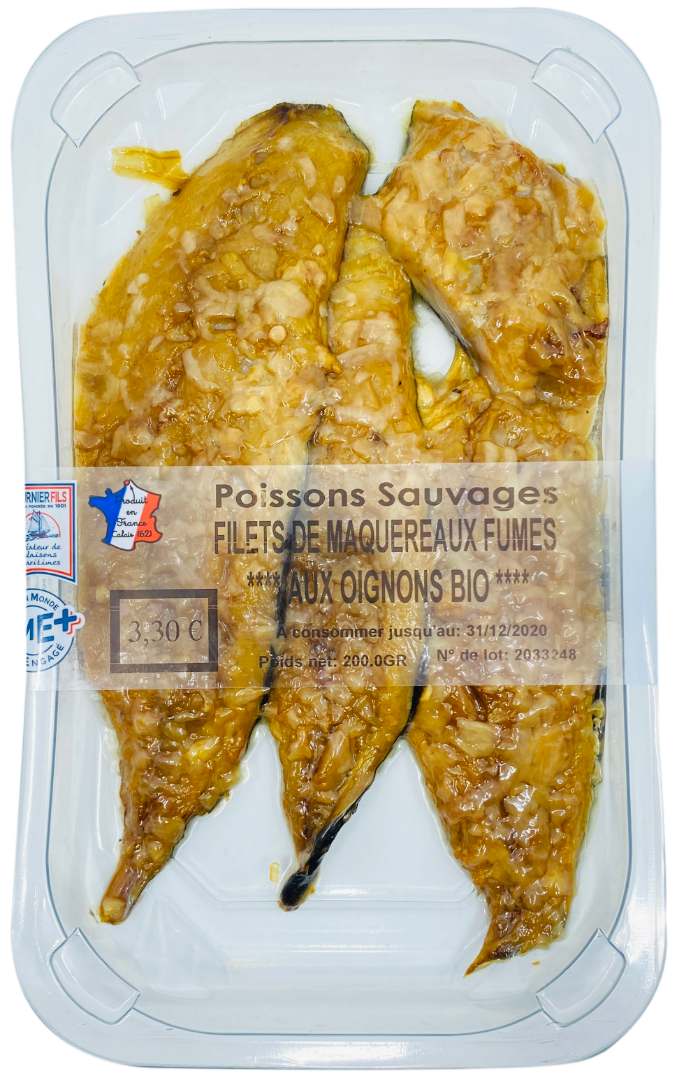
France – ORGANIC ONION MACKEREL FILLETS 200GR SKIN / ROUND PRICE 3.30€ – Listeria monocytogenes

Gov france

Identification information of the recalled product

  • Product category Food
  • Product subcategory Fishery and aquaculture products
  • Product brand name Fournier son
  • Model names or references ORGANIC ONION MACKEREL FILLETS 200GR SKIN / ROUND PRICE 3.30€
  • Identification of products
    GTIN Lot Dated
    3324030012275 2204206 Use-by date 03/13/2022
    3324030012275 2204507 Use-by date 03/16/2022
  • Packaging200g tray
  • Marketing start/end date From 02/14/2022 to 02/24/2022
  • Storage temperature Product to be stored in the refrigerator
  • Health mark FR 62 193 100 CE
  • Geographic area of ​​sale Whole France
  • Distributors crossroads

Practical information regarding the recall

  • Reason for recall Listeria monocytogenes detection
  • Risks incurred by the consumer Listeria monocytogenes (causative agent of listeriosis)