Tag Archives: science

Canada – Pumpkin Butter – Clostridium botulinum

CFIA

The Canadian Food Inspection Agency (CFIA) and Birtch Farms and Estate Winery are warning the public not to consume the Birtch Farms and Estate Winery brand Pumpkin Butter because it may be contaminated with Clostridium botulinum. Toxins produced by these bacteria may cause botulism, a life-threatening illness.

The affected product, Birtch Farms and Estate Winery brand Pumpkin Butter, was sold in 110 ml and 250 ml jars. All lot codes are affected by this alert.

This product has been distributed in Ontario.

There have been no reported illnesses associated with the consumption of this product.

Food contaminated with Clostridium botulinum toxin may not look or smell spoiled. Consumption of food contaminated with the toxin may cause nausea, vomiting, fatigue, dizziness, headache, double vision, dry throat, respiratory failure and paralysis. In severe cases of illness, people may die.

The manufacturer, Birtch Farms and Estate Winery, Woodstock, ON, is voluntarily recalling the affected product from the marketplace. The CFIA is monitoring the effectiveness of the recall.

Australia – Tasmanian Scallops PSP and Unsafe Poultry

AFNSalmonella Campylobacter

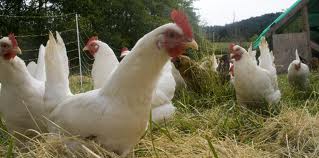
The Food Safety Information Council has released concerning national survey data this week that shows 60% of home cooks in Australia are putting themselves at additional risk of food poisoning from chicken.

The data showed that 60 per cent were at risk from washing whole poultry before it was cooked, which can spread bacteria around the kitchen. A further 16% of those surveyed incorrectly tasted chicken to see if it was cooked properly rather than using a safe meat thermometer.

The focus on cross-contamination of meats by the Food Safety Information Council (FSIC) comes as yesterday marked the start of Australian Food Safety Week. The FSIC week is specifically focusing on chicken and those most affected by food poisoning with the theme “vulnerable populations.”

Food Safety Information Council Chairman, Dr Michael Eyles said that chicken, as Australia’s most popular meat, was consumed by 8 in every ten home cooks.

”Home cooks are probably following what their parents or grandparents did in the past by washing poultry, not to mention probably patting it dry with a tea towel. Washing poultry splashes these bacteria around the kitchen cross contaminating sinks, taps, your hands, utensils, chopping boards and foods that aren’t going to be cooked like salads or desserts,” Dr Eyles said.

“Chicken is a healthy, convenient meal [but] other poultry is also becoming popular with just under half of those surveyed cooking whole turkey and 37% whole duck but these, too, are being washed before cooking, with 68% washing turkey and 74% duck,” he added.

According to a Food Standards Australia New Zealand survey referenced by the Food Safety Information Council, 84 per cent of raw chicken carcasses tested positive to the food poisoning bacteria Campylobacter and 22 per cent to Salmonella.

News Com Au

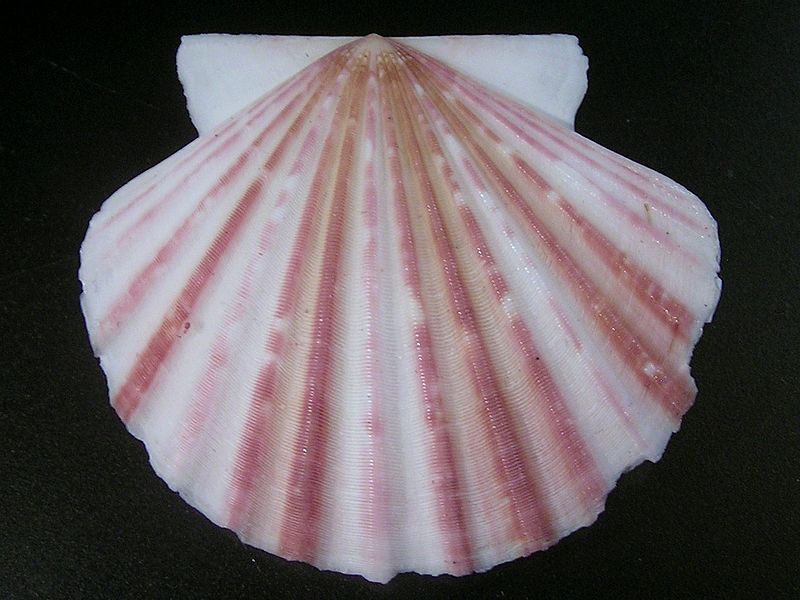
SCALLOPS from the east coast of Tasmania have joined the area’s mussels in being banned following a toxic algal bloom.

A scallop fishery in the White Rock area has been closed after the same paralytic shellfish toxin (PST) found in Spring Bay Seafood’s mussels was detected in samples taken on November 2.

“PST levels in tested scallops are currently either close to or slightly over the permitted level, but it’s possible the level will increase before it goes back down again,” a health department warning said.

The affected shellfish don’t look or taste different and the toxin is not destroyed by cooking or freezing, but there have been no reports of illness.

USA – Sunland Peanut Butter – FDA Suggestions the Company Knew About the Salmonella

Huff Post

The food world is still reeling from the salmonella outbreak that sickened at least 41 people across 20 states, which was linked to Sunland peanuts that were sold as peanut butter at Trader Joe’s and several other supermarket chains. Now, information released late last month by the FDA suggests that Sunland knowingly sold potentially contaminated products going back to 2009 [pdf].

Research – Communication Spouting Seeds Outbreak

HACCPEUROPAEurofins

Sprouts like any fresh produce that is consumed raw or lightly cooked carry a risk of foodborne illness. Seeds and beans need warm and humid conditions to sprout and grow. These conditions are also ideal for the growth of bacteria, including Salmonella, Listeria, and E. coli. Since 1996, there have been at least 55 reported outbreaks of foodborne illness, affecting more than 15,000 people, associated with different types of sprouts. Most of these outbreaks were caused by Salmonella and E. coli. In outbreaks associated with sprouts, the seed is typically the source of the bacteria. There are a number of approved techniques to kill harmful bacteria that may be present on seeds and even tests for seeds during sprouting. But, no treatment is guaranteed to eliminate all harmful bacteria.

In the new study researchers from Kansas State University and the University of British Columbia noted that in 2011 the delayed reporting of cases between European agencies due to a decentralized government was a contributing factor in the Germany-based E. coli O104 outbreak, linked to contaminated sprouts that led to 53 deaths and more than 4,000 sick people.

Research Information on Food Preservation Download

Food Navigator Download

Preservatives are essential additives to prevent microbial spoilage and ensure food & beverage safety. This application note provides practical guidelines for the use of traditional preservatives as well as an introduction to clean label innovations.

Research – Norovirus and Cleaning

HACCPEUORPA

Noroviruses are a group of viruses that are the most common cause of gastroenteritis (stomach bugs). They are very contagious and can spread easily from person to person. People exposed to the virus usually develop symptoms of illness within 24 to 48 hours, but symptoms can occur as early as 12 hours after exposure.

Common-sense based disinfection guidelines to control norovirus contamination have been developed, but now, for the first time, a Dutch team has come up with science-based guidelines.

In the study the researchers first determined how low the concentration of virions needed to go for transmission to become unlikely. They then tested different methods of cleaning hard surfaces, by using water, soap, or chlorine bleach solutions to determine the best method, or combination of methods for achieving a sufficiently low concentration to prevent virus transmission from hard surfaces, such as your kitchen counters.

The researchers prescribe a two-step process: wipe with a wet cloth, and then disinfect with chlorine. Their prescription is directed at hospitals, schools, restaurants, and other food-handling establishments. In most cases, a 250 ppm solution of chlorine is sufficient, but for high levels of contamination, they recommend 1,000 ppm. To achieve 1,000 ppm, one Suma Tab D4 tablet must be dissolved in 1.5 liters of water (about a quart and a half).

Norovirus is no more resistant to cleaning and disinfection than other pathogens. The virus’ efficiency in causing outbreaks “is more likely due to their extremely low infectious dose,” resulting in the requirement of a very low level of residual contamination in order to prevent further transmission. Fortunately, reducing the level of residual contamination to that low level is not that difficult and can be achieved without extreme measures.

USA – Recall – Smoked Salmon – Listeria monocytogenes

Food Poisoning Bulletin

Spence & Co. of Massachusetts is recalling New York-Style Nova Lox in 4 ounce packages with code/lot number 9720704 because it may be contaminated with Listeria monocytogenes. The recall affects a total of 1,563 packs of the product. Two people may have been stricken with listeriosis associated with the consumption of this product.

USA – Updated Warning About Shellfish – PSP

Food Poisoning Bulletin

The California Department of Public Healthis adding sport-harvested clams and whole scallops to the list of Del Norte County bivalve shellfish that consumers should avoid. This warning is in addition to the annual mussel quarantine that was extended on October 31, 2012 to include Del Norte and Humboldt counties. The shellfish contain dangerous levels of paralytic shellfish poisoning toxins (PSP).

The warning does not apply to commercially sold clams, mussels, scallops, or oysters from approved sources. These shellfish are subject to frequent mandatory testing by the state government.

PSP toxins affect the central nervous system, producing a tingling around the mouth and fingertips. Then, symptoms include a loss of balance, loss of muscular coordination, slurred speech, and difficulty swallowing. These symptoms can appear within a few minutes to a few hours after eating the toxic shellfish. In some cases, complete muscular paralysis and death from asphyxiation can occur. Cooking does not destroy the toxin. For more information, see the CDPH Marine Biotoxins Frequently Asked Questions page

USA – E.coli Outbreak Linked to Unpasteurised Cider

Food Poisoning Bulletin

The Health Department of Northwest Michigan, along with Community Health and the Michigan Departments of Agriculture and Rural Development are investigating a series of E. coli infections that may be associated with unpasteurized, unlabeled apple juice in Antrim County. Officials are collecting stool samples and samples of the cider to test for the outbreak strain of the bacteria.

The cider was made by an unlicensed facility and was not labeled as unpasteurized.

Belgian – Research – Grape Seed Extract Reduces the Infectivity of Norovirus

HACCPEUROPA – Full Article

Norovirus causes more than half of all food-borne illnesses in the United States, and is the second greatest source of reported food borne illness outbreaks in the European Union. A norovirus is a small virus that contains RNA and is surrounded by a protein coating. By sequencing the RNA, scientists have discovered that there are many different types of norovirus. Originally, strains were named based on the city in which they were first identified. Thus, one common strain used to be called Norwalk virus. Based on genetic typing, we now know that there are at least 25 different strains of norovirus that affect humans.

A recent study found that grape seed extract could reduce the infectivity of Norovirus surrogates.

Researchers from Ghent University, Belgium have shown that grape seed extract does so by denaturing the capsid protein, which is the coat of the virus, thereby disabling the virus.

In the study, the researchers observed that under treatment with grape seed extract, at low doses, the spherically-shaped murine (mouse) norovirus-1 coat proteins clumped, and showed obvious deformation and inflation. At higher doses, the researchers saw no coat proteins, only protein debris. This provides evidence that grape seed extract could effectively damage the norovirus capsid protein, which could reduce viral binding ability and infectivity accordingly.