Tag Archives: environment

Malta – Salmonella Outbreak Petting Farm

HACCP Europa

MALTA – Salmonella has been detected in peacocks and turkeys section in the popular “Petting Farm” in Ta’ Qali. The salmonella was picked up through regular tests on the animals.

“Petting Farm” is situated on the southern part of the Ta’ Qali National Park. It covers a footprint of circa 11,600m2. It is newly opened recreation facilities which offer a great interaction experience with farm animals for children in a beautifully landscaped and relaxing environment.

The area has been quarantined and cordoned off immediately as soon as the animals tested positive for salmonella enteritidis.

This particular strain of the salmonella bacterium affects and infects poultry – especially chicken flocks, without causing visible disease, spreading rapidly. When passed on to humans, usually through consumption of uncooked meat or eggs and contaminated food, it causes symptoms such as abdominal cramps, diarrhoea, nausea, vomiting and fever.

Canada – Recall – Clostridium botulinum – Smoked Fish

CFIAClost

The Canadian Food Inspection Agency (CFIA) is warning the public not to consume the smoked fish products described in the link above because they may be contaminated with Clostridium botulinum.  Toxins produced by these bacteria may cause botulism, a life-threatening illness.

There have been no reported illnesses associated with the consumption of these products.

Australia – Tasmania Oyster Beds – Norovirus

The MercuryNorwalk_Caspid

SIXTY people have fallen ill after eating contaminated oysters.

All oysters produced by Barilla Bay Seafoods have been recalled from the market after health authorities pinpointed the outbreak yesterday. People who ate the oysters were infected by norovirus, a common cause of gastroenteritis.

None was hospitalised over the Easter weekend but some saw doctors and went to the Royal Hobart emergency department. It is the second incidence of contaminated oysters in southern Tasmania in a week, but health authorities say the two cases are a coincidence. They say the contamination is not related to shellfish from Pitt Water, which was closed last week because of a sewage spill.

Oysters Tasmania spokesman Tom Lewis said the two recalls were a coincidence. “To our knowledge there is no connection,” Dr Lewis said. Barilla Bay Oysters general manager Justin Goc said the company was working closely with the Public Health Director Dr Roscoe Taylor.

“We apologise to the public for inconvenience caused and the public will be informed on developments,” Mr Goc said. The public is asked to dispose of any Barilla Bay Oysters bought from its retail outlet on or before last Sunday or Mures Lower Deck between last Thursday and Saturday. No products from the award-winning oyster company have been sold by Mures Lower Deck since Saturday. Dr Taylor said the Barilla Bay oysters were harvested at lease 113 in Dunalley on the Hobart side of the Denison Canal. He said a survey of the area would be done today in an attempt to find the source of the contamination.

“If people still have Barilla Bay produce in their fridge they should discard it,” he said. People should also not collect and eat wild shellfish.

Why shellfish can become deadly

An adult oyster filters and cleans up to 190 litres of water a day.

They swallow algae, and remove dirt and nitrogen pollution.

Sometimes during the filtering process, bacteria can trigger norovirus which remains in the oyster.

Eating shellfish infected with a norovirus can lead to food poisoning with vomiting, diarrhoea and abdominal pain.

Noroviruses are the most common cause of viral gastroenteritis in humans.

The disease is usually self-limiting and severe illness is rare but it can lead to blood infections of people with compromised immune systems – especially those with chronic liver disease – and can cause severe and life-threatening reactions.


Research – Prevalenc of Samonella on Raw Shelled Peanuts

Ingenta ConnectAflatoxin

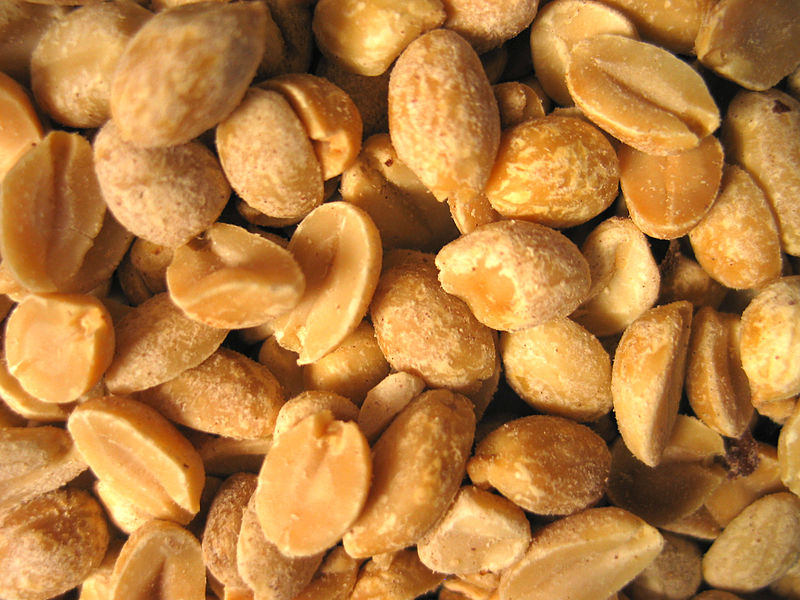
Recalls and/or outbreaks associated with Salmonella contamination in peanut-containing products were reported over the past several years. There are very limited data available on the prevalence and concentration of Salmonella on raw shelled peanuts in the United States. The objectives of this study were to estimate the prevalence of Salmonella on raw shelled peanuts in the United States and to estimate that concentration of Salmonella. Samples of Runner- and Virginia-type raw shelled peanuts from the 2008, 2009, and 2010 crop years were proportionately sampled from each growing region, based on 2007 production volume. Of 944 raw shelled peanut samples (375 g each), 22 (2.33%) were positive for Salmonella by the VIDAS Salmonella assay. Salmonella serovars identified in this study included Agona, Anatum, Braenderup, Dessau, Hartford, Meleagridis, Muenchen, Rodepoort, Tennessee, and Tornow. The concentration levels of Salmonella in positive samples, as determined by a most-probable-number assay, were <0.03 to 2.4 MPN/g. These data will be useful when designing and validating processes for the reduction or elimination of Salmonella in peanuts and/or peanut-containing products.

USA -Smoked Pickled Herring Recall – Clostridium botulinum

Food Poisoning Journal

Little Mermaid Smoke House is recalling Smoked Herring and Pickled Herring fish because the products were found to be uneviscerated, and have the potential to be contaminated with Clostridium botulinum, a bacterium which can cause life-threatening illness or death. Consumers are warned not to use the product even if it does not look or smell spoiled.

Botulism, a potentially fatal form of food poisoning, can cause the following symptoms: general weakness, dizziness, double-vision and trouble with speaking or swallowing. Difficulty in breathing, weakness of other muscles, abdominal distension and constipation may also be common symptoms. People experiencing these problems should seek immediate medical attention.

The following products are recalled: Little Mermaid Smoked Herring fish Sold prior to 04/04/2013 and Little Mermaid Pickled Herring fish Sold prior to 04/04/2013

The recalled products are manufactured by Little Mermaid Smoke House and distributed in the state of California. These products are sold as whole fish, packaged in vacuum sealed packaging, and labeled “Little Mermaid Smoke House” which varies in weight and size. There are no codes listed on the products. The recall includes products sold prior to 04/03/2013.

No illnesses have been reported to date.

USA – FDA Recall – Smoked and Pickled Herring – Clostridium botulinum

FDAFDA

Little Mermaid Smoke House is recalling Smoked Herring and Pickled Herring fish because the products were found to be uneviscerated, and have the potential to be contaminated with Clostridium botulinum, a bacterium which can cause life-threatening illness or death. Consumers are warned not to use the product even if it does not look or smell spoiled.

Botulism, a potentially fatal form of food poisoning, can cause the following symptoms: general weakness, dizziness, double-vision and trouble with speaking or swallowing. Difficulty in breathing, weakness of other muscles, abdominal distension and constipation may also be common symptoms. People experiencing these problems should seek immediate medical attention.

The following products are recalled:

Little Mermaid Smoked Herring fish Sold prior to 04/04/2013
Little Mermaid Pickled Herring fish Sold prior to 04/04/2013

The recalled products are manufactured by Little Mermaid Smoke House and distributed in the state of California. These products are sold as whole fish, packaged in vacuum sealed packaging, and labeled “Little Mermaid Smoke House” which varies in weight and size. There are no codes listed on the products. The recall includes products sold prior to 04/03/2013.

No illnesses have been reported to date.

Research – Caffeine Addicted E.coli – Measurement of Caffeine Levels

ACS Publications

The widespread use of caffeine (1,3,7-trimethylxanthine) and other methylxanthines in beverages and pharmaceuticals has led to significant environmental pollution. We have developed a portable caffeine degradation operon by refactoring the alkylxanthine degradation (Alx) gene cluster from Pseudomonas putida CBB5 to function in Escherichia coli. In the process, we discovered that adding a glutathione S-transferase from Janthinobacterium sp. Marseille was necessary to achieve N7-demethylation activity. E. coli cells with the synthetic operon degrade caffeine to the guanine precursor, xanthine. Cells deficient in de novo guanine biosynthesis that contain the refactored operon are ″addicted″ to caffeine: their growth density is limited by the availability of caffeine or other xanthines. We show that the addicted strain can be used as a biosensor to measure the caffeine content of common beverages. The synthetic N-demethylation operon could be useful for reclaiming nutrient-rich byproducts of coffee bean processing and for the cost-effective bioproduction of methylxanthine drugs.


USA – Natura Pet Food Expanded Recall – Salmonella

FDASalm

Natura Pet Products is voluntarily expanding its recall of dry pet food because it has the potential to be contaminated with Salmonella. No Salmonella-related illnesses have been confirmed to date.

Salmonella can affect animals eating the products and there is risk to humans from handling contaminated pet products, especially if they have not thoroughly washed their hands after having contact with the products or any surfaces exposed to these products.

Healthy people infected with Salmonella should monitor themselves for some or all of the following symptoms: nausea, vomiting, diarrhea or bloody diarrhea, abdominal cramping and fever. Rarely, Salmonella can result in more serious ailments, including arterial infections, endocarditis, arthritis, muscle pain, eye irritation, and urinary tract symptoms. Consumers exhibiting these signs after having contact with this product should contact their healthcare providers.

Pets with Salmonella infections may be lethargic and have diarrhea or bloody diarrhea, fever, and vomiting. Some pets will have only decreased appetite, fever and abdominal pain. Infected but otherwise healthy pets can be carriers and infect other animals or humans. If your pet has consumed the recalled product and has these symptoms, please contact your veterinarian.

Sampling conducted by the Michigan Department of Agriculture and the Georgia Department of Agriculture confirmed the presence of Salmonella in additional dry cat food and a cat pet treat. In an abundance of caution, Natura is also recalling product made in the surrounding timeframe. This affects dry foods only; no canned wet food is affected by this announcement.

The affected products are sold through veterinary clinics and select pet specialty retailers nationwide and in Canada, Hong Kong, Korea, Japan, Malaysia and Costa Rica, as well as online. The dry cat food expiration dates for this expanded recall range from 1/1/2014 to 3/24/2014. The dry cat treats have expiration dates from 7/1/13 to 9/27/13.

Consumers who have purchased these pet foods should discard them. For additional information, consumers may visit www.naturapet.com2. For further information or a product replacement or refund call Natura toll-free at 800-224-6123. (Monday – Friday, 8:00 AM to 5:30 PM CST).

The included lot codes are: Expiration Date: 12/14/13 thru 3/24/14

Research – Poultry Probiotic – Fresh Fruit Bacterial Loading

Science Direct 
A strain of probiotic bacteria that can fight harmful bacterial infections in poultry has the ability to change its coat, according to new findings from the Institute of Food Research

Science Direct

Fresh fruit and vegetables carry an abundance of bacteria on their surfaces, not all of which cause disease. In the first study to assess the variety of these non-pathogenic bacteria, scientists report that these surface bacteria vary depending on the type of produce and cultivation practices.


India – 200 Ill at Temple Festival

The Hindu

About 2,000 people take meal during temple festivities in Pamarru mandal

Around two hundred people from five villages in Pamarru mandal were taken ill after they consumed contaminated food during a religious ceremony on Sunday afternoon. Most of the victims were children and had symptoms of diarrhoea vomiting sensation.

While there were no casualties, three major medical camps were organised on Monday around Pamarru to screen people from all the villages.

On being informed about the rising number of cases by midnight, the Medical and Health Department staff set up three camps late on Sunday. District Epidemic Rapid Response Team also began identifying new cases among others who had consumed the food. An estimated 2,000 people had taken the meal during Lord Venkateswara ‘kalyanam’ festivities at Parishepalli village temple in Pamarru mandal. The apparent cause for food poisoning was mixing of contaminated water in the curd .