Tag Archives: environment

Canada – Pumpkin Butter – Clostridium botulinum

CFIA

The Canadian Food Inspection Agency (CFIA) and Birtch Farms and Estate Winery are warning the public not to consume the Birtch Farms and Estate Winery brand Pumpkin Butter because it may be contaminated with Clostridium botulinum. Toxins produced by these bacteria may cause botulism, a life-threatening illness.

The affected product, Birtch Farms and Estate Winery brand Pumpkin Butter, was sold in 110 ml and 250 ml jars. All lot codes are affected by this alert.

This product has been distributed in Ontario.

There have been no reported illnesses associated with the consumption of this product.

Food contaminated with Clostridium botulinum toxin may not look or smell spoiled. Consumption of food contaminated with the toxin may cause nausea, vomiting, fatigue, dizziness, headache, double vision, dry throat, respiratory failure and paralysis. In severe cases of illness, people may die.

The manufacturer, Birtch Farms and Estate Winery, Woodstock, ON, is voluntarily recalling the affected product from the marketplace. The CFIA is monitoring the effectiveness of the recall.

Australia – Tasmanian Scallops PSP and Unsafe Poultry

AFNSalmonella Campylobacter

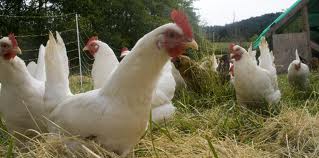
The Food Safety Information Council has released concerning national survey data this week that shows 60% of home cooks in Australia are putting themselves at additional risk of food poisoning from chicken.

The data showed that 60 per cent were at risk from washing whole poultry before it was cooked, which can spread bacteria around the kitchen. A further 16% of those surveyed incorrectly tasted chicken to see if it was cooked properly rather than using a safe meat thermometer.

The focus on cross-contamination of meats by the Food Safety Information Council (FSIC) comes as yesterday marked the start of Australian Food Safety Week. The FSIC week is specifically focusing on chicken and those most affected by food poisoning with the theme “vulnerable populations.”

Food Safety Information Council Chairman, Dr Michael Eyles said that chicken, as Australia’s most popular meat, was consumed by 8 in every ten home cooks.

”Home cooks are probably following what their parents or grandparents did in the past by washing poultry, not to mention probably patting it dry with a tea towel. Washing poultry splashes these bacteria around the kitchen cross contaminating sinks, taps, your hands, utensils, chopping boards and foods that aren’t going to be cooked like salads or desserts,” Dr Eyles said.

“Chicken is a healthy, convenient meal [but] other poultry is also becoming popular with just under half of those surveyed cooking whole turkey and 37% whole duck but these, too, are being washed before cooking, with 68% washing turkey and 74% duck,” he added.

According to a Food Standards Australia New Zealand survey referenced by the Food Safety Information Council, 84 per cent of raw chicken carcasses tested positive to the food poisoning bacteria Campylobacter and 22 per cent to Salmonella.

News Com Au

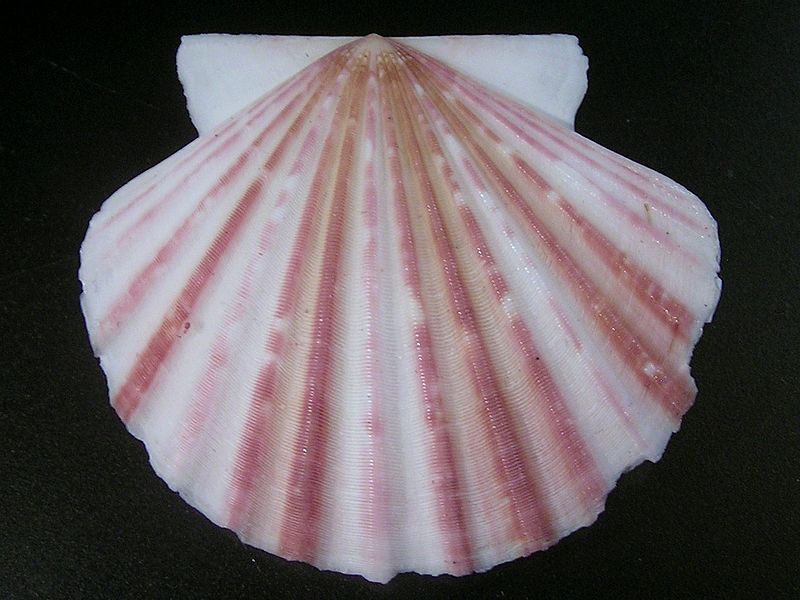
SCALLOPS from the east coast of Tasmania have joined the area’s mussels in being banned following a toxic algal bloom.

A scallop fishery in the White Rock area has been closed after the same paralytic shellfish toxin (PST) found in Spring Bay Seafood’s mussels was detected in samples taken on November 2.

“PST levels in tested scallops are currently either close to or slightly over the permitted level, but it’s possible the level will increase before it goes back down again,” a health department warning said.

The affected shellfish don’t look or taste different and the toxin is not destroyed by cooking or freezing, but there have been no reports of illness.

Research – Communication Spouting Seeds Outbreak

HACCPEUROPAEurofins

Sprouts like any fresh produce that is consumed raw or lightly cooked carry a risk of foodborne illness. Seeds and beans need warm and humid conditions to sprout and grow. These conditions are also ideal for the growth of bacteria, including Salmonella, Listeria, and E. coli. Since 1996, there have been at least 55 reported outbreaks of foodborne illness, affecting more than 15,000 people, associated with different types of sprouts. Most of these outbreaks were caused by Salmonella and E. coli. In outbreaks associated with sprouts, the seed is typically the source of the bacteria. There are a number of approved techniques to kill harmful bacteria that may be present on seeds and even tests for seeds during sprouting. But, no treatment is guaranteed to eliminate all harmful bacteria.

In the new study researchers from Kansas State University and the University of British Columbia noted that in 2011 the delayed reporting of cases between European agencies due to a decentralized government was a contributing factor in the Germany-based E. coli O104 outbreak, linked to contaminated sprouts that led to 53 deaths and more than 4,000 sick people.

Armenia – Clostridium botulinum Incidents 2012

NEWSAM 

Total of 11 cases of botulism were registered during the 11 months of this year with 17 poisoned people out of which two ended fatally, Sanitary-Epidemiological Service at the Armenian Healthcare Ministry informed Armenian News Am. Two of the poisoned persons were children. The poisoning cases were registered in Yerevan, as well as in Shirak, Ararat, Armavir, Lori and Tavush regions of Armenia. As a matter of fact, 19 cases of botulism were registered last year with 30 poisoned people, 3 of whom died.

To avoid the poisoning, the Ministry warns again not to prepare canned food at home, or at least to boil it for up to 30 minutes before consumption.

Research – Norovirus and Cleaning

HACCPEUORPA

Noroviruses are a group of viruses that are the most common cause of gastroenteritis (stomach bugs). They are very contagious and can spread easily from person to person. People exposed to the virus usually develop symptoms of illness within 24 to 48 hours, but symptoms can occur as early as 12 hours after exposure.

Common-sense based disinfection guidelines to control norovirus contamination have been developed, but now, for the first time, a Dutch team has come up with science-based guidelines.

In the study the researchers first determined how low the concentration of virions needed to go for transmission to become unlikely. They then tested different methods of cleaning hard surfaces, by using water, soap, or chlorine bleach solutions to determine the best method, or combination of methods for achieving a sufficiently low concentration to prevent virus transmission from hard surfaces, such as your kitchen counters.

The researchers prescribe a two-step process: wipe with a wet cloth, and then disinfect with chlorine. Their prescription is directed at hospitals, schools, restaurants, and other food-handling establishments. In most cases, a 250 ppm solution of chlorine is sufficient, but for high levels of contamination, they recommend 1,000 ppm. To achieve 1,000 ppm, one Suma Tab D4 tablet must be dissolved in 1.5 liters of water (about a quart and a half).

Norovirus is no more resistant to cleaning and disinfection than other pathogens. The virus’ efficiency in causing outbreaks “is more likely due to their extremely low infectious dose,” resulting in the requirement of a very low level of residual contamination in order to prevent further transmission. Fortunately, reducing the level of residual contamination to that low level is not that difficult and can be achieved without extreme measures.

USA – Updated Warning About Shellfish – PSP

Food Poisoning Bulletin

The California Department of Public Healthis adding sport-harvested clams and whole scallops to the list of Del Norte County bivalve shellfish that consumers should avoid. This warning is in addition to the annual mussel quarantine that was extended on October 31, 2012 to include Del Norte and Humboldt counties. The shellfish contain dangerous levels of paralytic shellfish poisoning toxins (PSP).

The warning does not apply to commercially sold clams, mussels, scallops, or oysters from approved sources. These shellfish are subject to frequent mandatory testing by the state government.

PSP toxins affect the central nervous system, producing a tingling around the mouth and fingertips. Then, symptoms include a loss of balance, loss of muscular coordination, slurred speech, and difficulty swallowing. These symptoms can appear within a few minutes to a few hours after eating the toxic shellfish. In some cases, complete muscular paralysis and death from asphyxiation can occur. Cooking does not destroy the toxin. For more information, see the CDPH Marine Biotoxins Frequently Asked Questions page

USA – Recall – Food Grade Limestone – Salmonella

FDA

Omya Inc. is voluntarily recalling certain lots of food grade ground limestone products processed at its Superior, Arizona plant because of the possible presence of Salmonella. There have been no reports of any illnesses or adverse health effects associated with any of Omya’s food grade ground limestone products. Although an investigation is still ongoing, Omya is recalling specific lots of Omya-Cal FG-4 AZ, Omya-Cal FG-10 AZ and Omya-Cal FG-15 AZ in the U.S. as a precaution.  Omya’s voluntary recall is being conducted in consultation with the U.S. Food and Drug Administration (FDA).

The most common symptoms of Salmonella infection are diarrhea, abdominal cramps and fever, which develop within eight to 72 hours of eating contaminated food. The illness usually lasts for four to seven days and most people recover without treatment. However, salmonellosis can be severe or even life threatening for infants, older people, pregnant women and those with weakened immune systems. Individuals experiencing these symptoms should seek medical attention.

Omya’s food grade ground limestone products were sold to distributors and/or manufacturers as ingredients for further processing in the U.S. The food grade products were not distributed for retail sale to consumers.
Omya is diligently investigating the possible problem and implemented additional precautionary food safety measures.

The products involved in this voluntary recall are:

Product Container Size Lot numbers
Omya-Cal FG-10 AZ 50 lb. bags
2500 lb. bulk bags
2000 lb. bulk bags
Z227510511
Z227500511
Z227500511
Omya-Cal FG-4 AZ 50 lb. bags
50 lb. bags
Z227510409
Z230310409
Omya-Cal FG-15 AZ 2500 lb. bulk bags
2500 lb. bulk bags
Z228400712
Z228200712

CDC Letter – UK Shellfish Market and Viruses – Hepatitis E

CDC (full letter)

Bivalve mollusks (shellfish), such as mussels and oysters, are filter feeders; they concentrate microorganisms of human and animal origin (up to 100×) from the surrounding environment. Several recent reports have linked the incidence of human infection with hepatitis E virus (HEV) to consumption of undercooked pork, game products, and shellfish (1,2). Infectious HEV has been found in swine manure and wastewater (3); therefore, application of manure to land and subsequent runoff could contaminate coastal water, leading to contamination of shellfish and, subsequently, possible human infection. Because they are filter feeders, bivalve mollusks are biologically relevant sentinels and can indicate potential pathogens that are contaminating the environment. It is essential to ensure that this sustainable resource of coastal areas, where mussels and oysters are farmed or collected wild, is not subjected to environmental contamination that could lead to public health risks.

Risk management for bivalve mollusks, aimed at control of fecal pollution, relies heavily on the use of Escherichia coli as an indicator of fecal (sewage) contamination and is enacted under European food regulations (Regulation 854/2004, www.cefas.co.uk/media/455777/extract_reg_no_854_2004.pdf Adobe PDF file). However, although these regulations probably reduce the number of infections, especially bacterial infections, they are not viewed as adequately controlling the risk for viral infections. Specific risks are posed by the robustness of viruses in the environment and the different behavior of viruses within bivalve mollusks compared with behavior within bacterial fecal indicators.

Australia/NZ – Warning Shellfish Biotoxin – PSP

FSANZ – Full information at this linkPSP

Food Standards Australia New Zealand (FSANZ) today urged consumers to check their fridges for recalled mussels that may be contaminated with a naturally occurring marine biotoxin (paralytic shellfish toxin).

The presence of a paralytic shellfish toxin arising from a naturally-occurring algal bloom in Tasmania has forced the closure of Spring Bay Seafood’s shellfish farm and the business has initiated a recall of its mussels from the market.

The products recalled are branded Spring Bay live blue mussels (with use by dates of between 22 October 2012 – 10 November 2012) and Coles Cooked Tasmanian mussels (use by date 12 November 2012) have been supplied by Spring Bay Seafoods Tasmania and have been distributed to TAS, VIC, NSW, ACT, SA, QLD and some Asian countries.

The affected mussels were supplied in shell and supplied in the quantities of 500g and 1kg vacuumed packed bags (Spring bay seafood), 500g (Coles branded – cream white wine sauce) and 1kg and 2kg net bags (Spring Bay seafood). They may also be supplied loose in shell/ per kg.

Research – E.coli Outbreak 2011 in Germany

HACCPEUROPA – Full Article

A novel strain of E. coli bacteria caused a serious outbreak of foodborne illness focused in Germany in 2011. In all, 3,950 people were affected and 53 died, including 51 in Germany. Authorities have identified vegetable sprouts as the source.

The recent outbreaks of food poisoning due to contamination of vegetables by dangerous strains of E. coli raised the concerns and questions about E. coli transmission strategies.

E. coli is most at home in the warm, moist, nutrient-rich environment found in the gastrointestinal tract of warm-blooded animals. But to disperse from one host to another these bacteria must get out into the world. There is evidence that some E. coli can survive for several weeks outside the host, and even grow in water or soil. But it is on plant matter that E. coli colonisation has become a concern, as although most types of E. coli are harmless, the presence of pathogenic strains on fruit and vegetables presents a food safety risk.

E. coli strains have adopted slightly different transmission strategies, with some being better adapted to live on plants than others.