The Kitchen Sink: An Overlooked Place for Food Safety

FSIS USDA

We use the kitchen sink for food preparation – rinsing produce, cleaning pots and pans, washing utensils that touch raw meat, and more. With these activities come the possibility for foodborne illness-causing bacteria to hang out in the sink too. If proper food preparation safety steps are not followed, these bacteria could cross-contaminate your food and make you sick!

In our recent study, participants prepared a breakfast meal with raw sausage, shell eggs, and a fruit salad made with cantaloupe they cut up. Among the surfaces tested, the most often contaminated after they finished preparing their meal was the kitchen sink, with 34% of sinks being contaminated.

Even scarier, 26% of the samples of cut-up cantaloupe from the fruit salad were contaminated after breakfast prep. This can happen when there are bacteria in the sink, and the cantaloupe gets placed in the sink for washing, or if hands weren’t washed properly after touching raw meat or poultry or an unwashed cantaloupe. The bacteria in the sink or on your hands can cross-contaminate from the sink to other items, including those you normally eat raw…this means you’ll be eating that bacteria too.

After using your sink to wash or prepare food, follow a two-step process to fully clean and sanitize your sink:

1) Clean: use warm, soapy water to wash the sink. Wipe it clean with single-use or paper towels.

2) Sanitize: use a sanitizer and let air dry. Sanitizers can be homemade (1 tablespoon of liquid chlorine bleach per gallon of water) or a commercial sanitizer or sanitizing wipe.

Cleaning and sanitizing will help reduce the risk that your foods or other utensils can be cross-contaminated through food preparation in your sink.

For more information about food safety, call the USDA Meat and Poultry Hotline at 1-888-MPHotline (1-888-674-6854) or email MPHotline@usda.gov to reach a food safety specialist or chat live at ask.usda.gov from 10 a.m. to 6 p.m. Eastern Time, Monday through Friday.
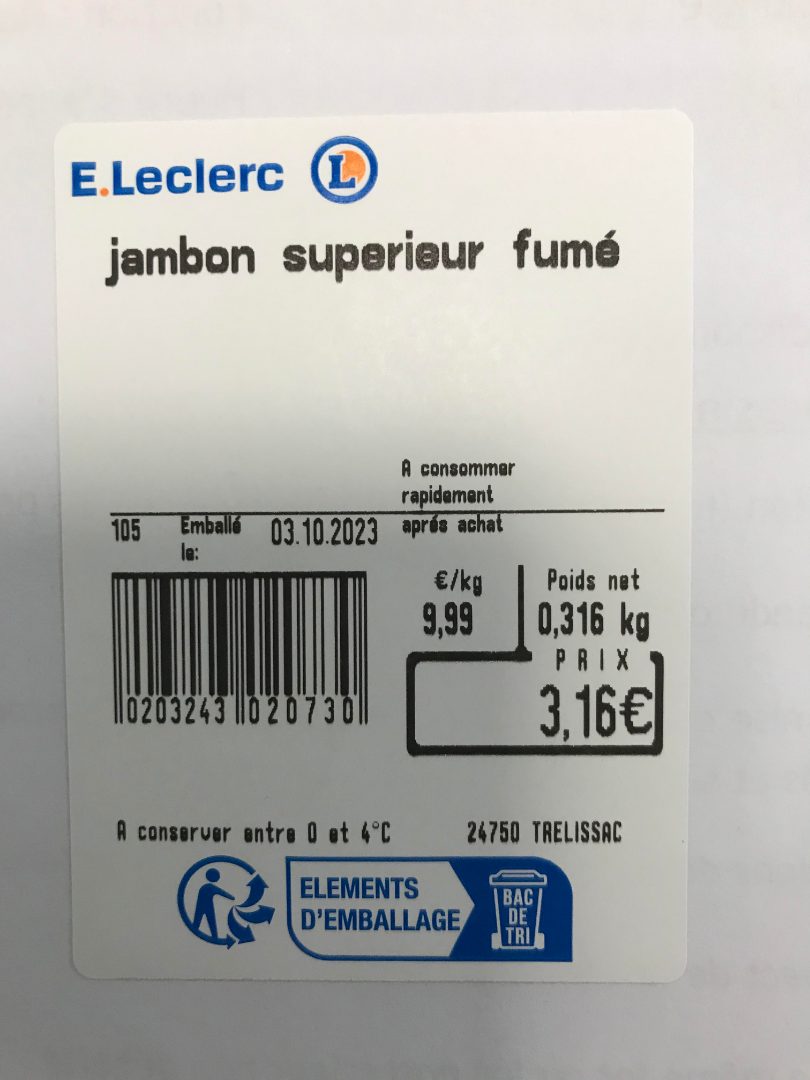
France – Superior smoked white ham – Listeria monocytogenes

Gov france

  • Product category Food
  • Product subcategory Meats
  • Product brand name MDD
  • Model names or references Superior smoked ham
  • Product identification
    GTIN Batch
    0203243000000 336-49213
  • Packaging Product sliced ​​at customer’s request
  • Start/end date of marketing From 09/22/2023 to 09/23/2023
  • Storage temperature Product to keep in the refrigerator
  • Health mark FR 22.041.001 CE
  • Further information Ham sold in the store’s cut charcuterie section on September 22 and 23, 2023.
  • Geographical sales area Leclerc Hypermarket in Trélissac
  • Distributors Leclerc De Trélissac

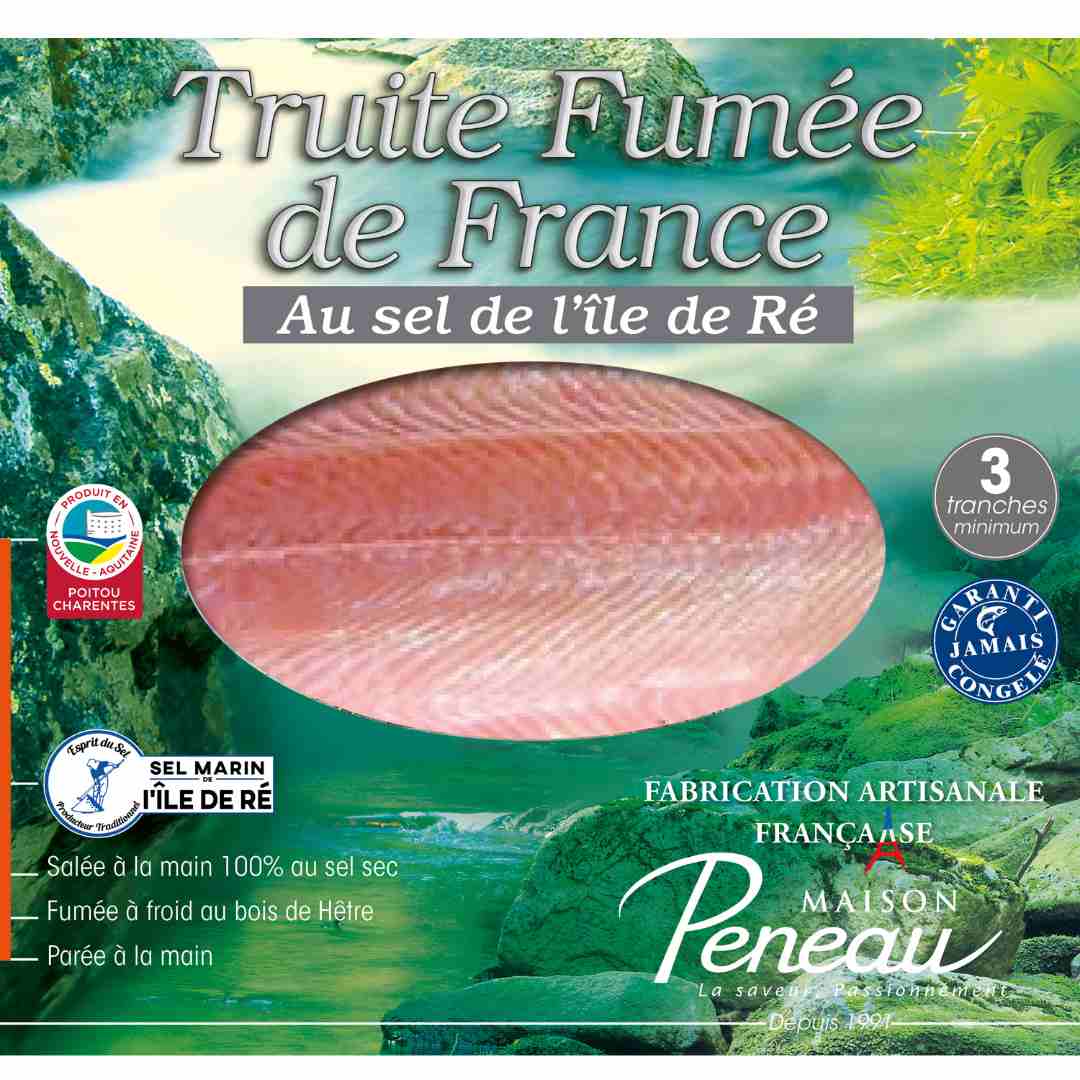
France – French smoked trout 100g – Listeria monocytogenes

Gov france

  • Product category Food
  • Product subcategory Fishing and aquaculture products
  • Product brand name House Peneau
  • Model names or references French smoked trout 100g
  • Product identification
    GTIN Batch Date
    3389400343557 230354 Use-by date 10/31/2023
  • Packaging Under a vacuum
  • Start/end date of marketing From 09/19/2023 to 10/31/2023
  • Storage temperature Product to keep in the refrigerator
  • Health mark FR 17.421.007
  • Further information Check the batch number on the traceability label on the back of the product
  • Geographical sales area Whole France
  • Distributors Carrefour, Auchan, Leclerc

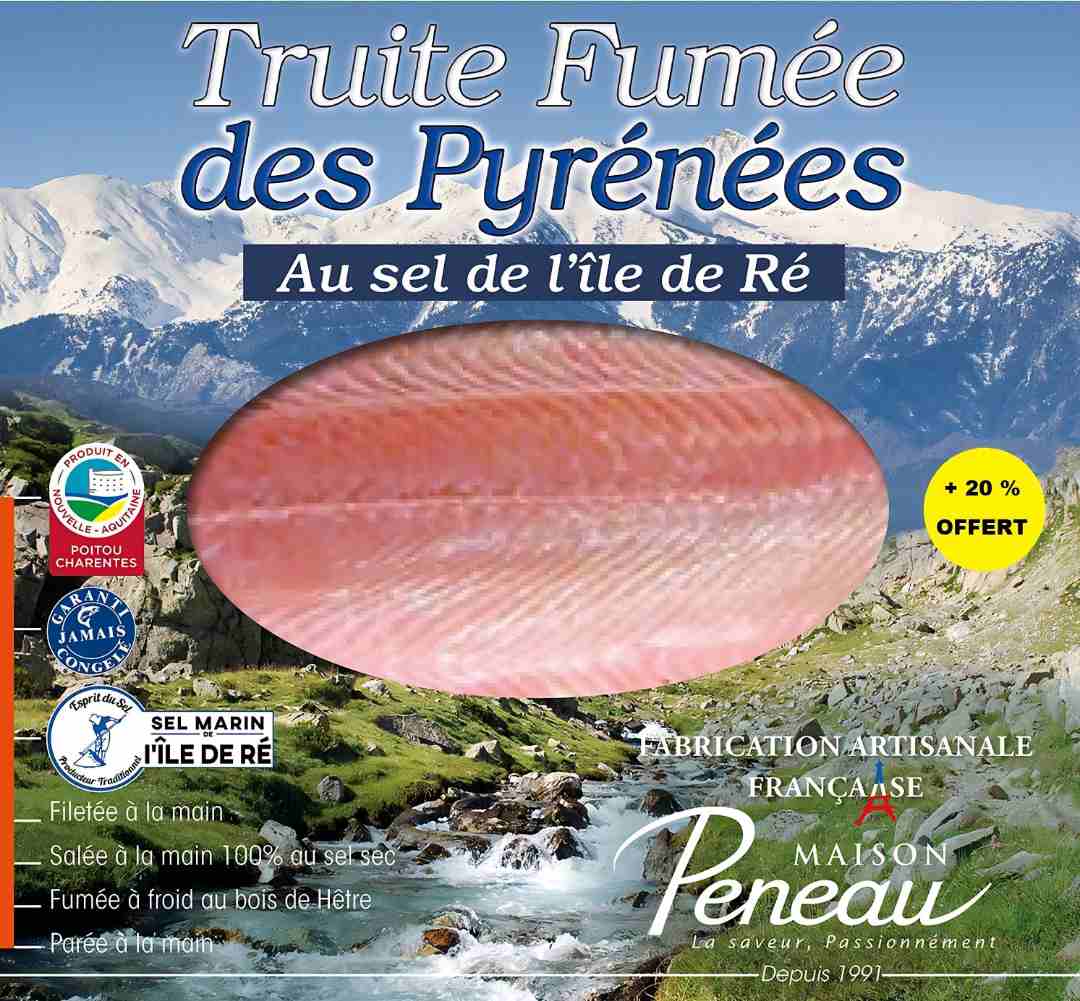
France – Smoked trout from the Pyrenees with Île de Ré salt (210g) – Listeria monocytogenes

Gov france

  • Product category Food
  • Product subcategory Fishing and aquaculture products
  • Product brand name House Peneau
  • Model names or references Pyrenees smoked trout 210g
  • Product identification
    GTIN Batch Date
    3389400343571 230341 Use-by date 10/26/2023
  • Packaging Under a vacuum
  • Start/end date of marketing From 09/14/2023 to 10/26/2023
  • Storage temperature Product to keep in the refrigerator
  • Health mark FR 17.421.007
  • Further information Check the batch number entered on the traceability label stuck to the back of the product
  • Geographical sales area Whole France
  • Distributors Crossroads

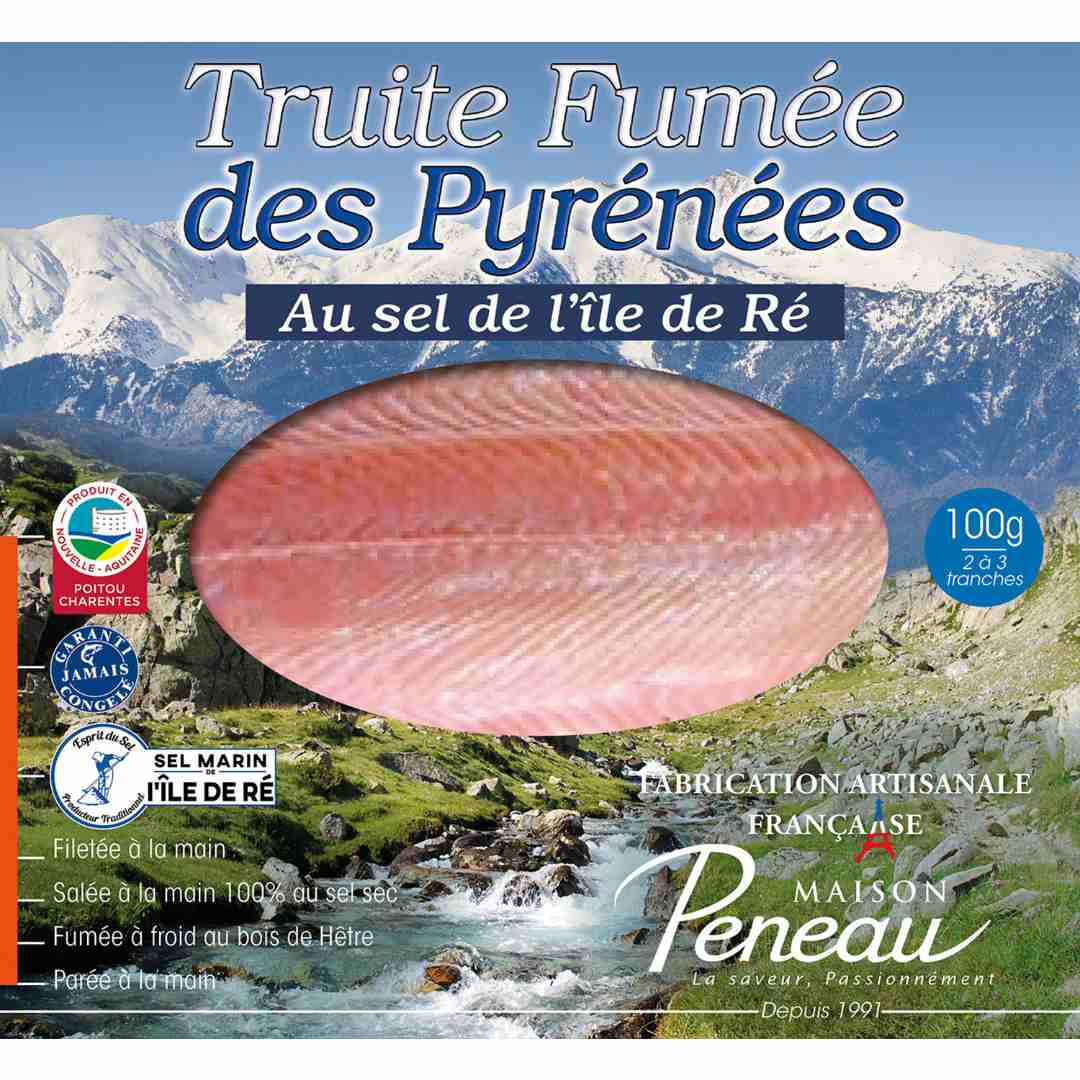
France – Smoked trout from the Pyrenees with Ile de Ré salt (100g) – Listeria monocytogenes

Gov france

  • Product category Food
  • Product subcategory Fishing and aquaculture products
  • Product brand name House Peneau
  • Model names or references Pyrenean smoked trout 100g
  • Product identification
    GTIN Batch Date
    3389400342321 230351 Use-by date 10/31/2023
  • Packaging under a vacuum
  • Start/end date of marketing From 09/19/2023 to 10/31/2023
  • Storage temperature Product to keep in the refrigerator
  • Health mark FR 17.421.007
  • Further information Check the batch number written on the traceability label on the back of the product
  • Geographical sales area Whole France
  • Distributors Auchan, crossroads, Intermarché

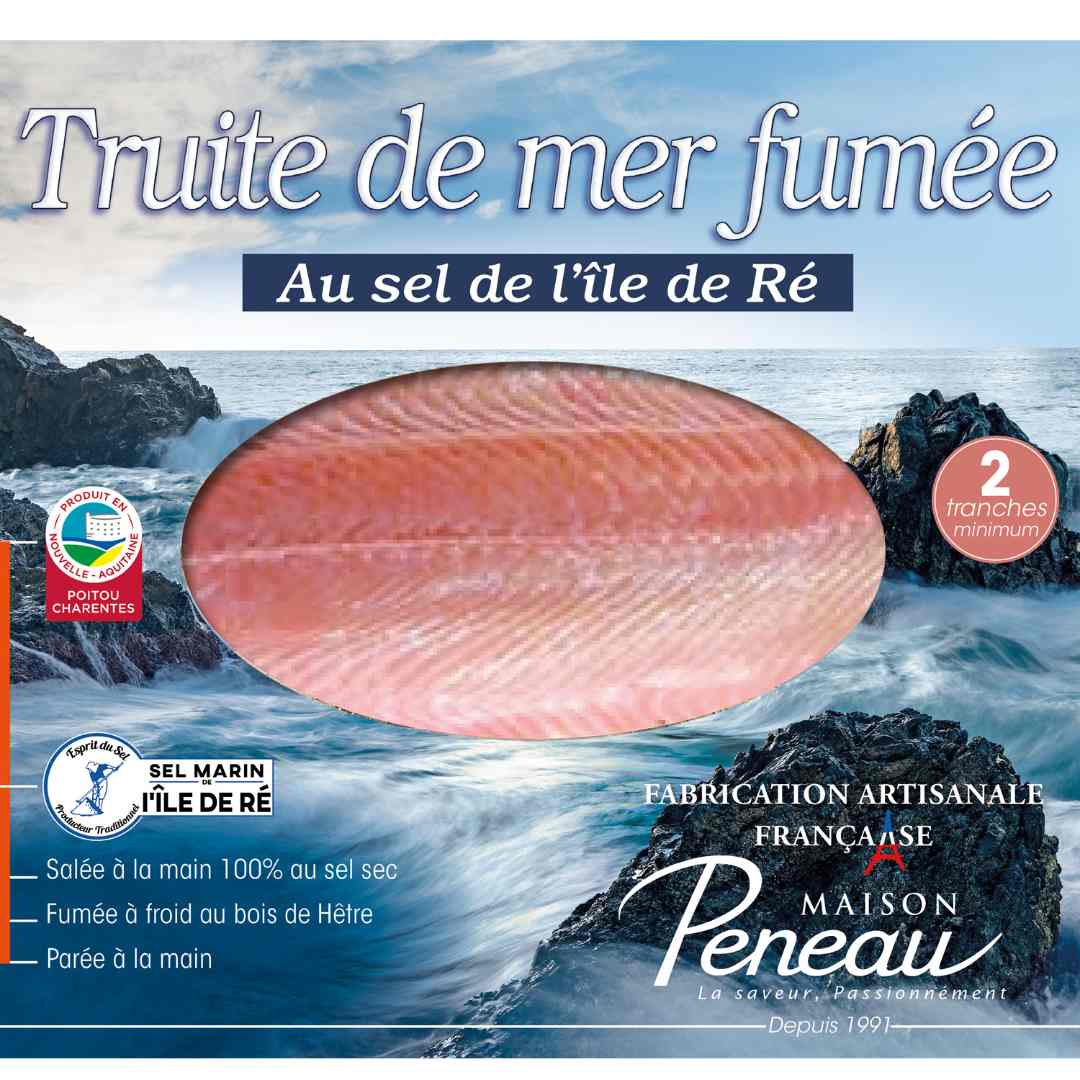
France – Smoked sea trout with Ile de Ré salt – Listeria monocytogenes

Gov france

  • Product category Food
  • Product subcategory Fishing and aquaculture products
  • Product brand name House Peneau
  • Model names or references Smoked sea trout 100g
  • Product identification
    GTIN Batch Date
    3389400341942 230347 Use-by date 10/30/2023
  • Packaging Under a vacuum
  • Start/end date of marketing From 09/22/2023 to 10/30/2023
  • Storage temperature Product to keep in the refrigerator
  • Health mark FR 17.421.007
  • Further information Check the batch number on the traceability label on the back of the product
  • Geographical sales area Whole France
  • Distributors Sign U

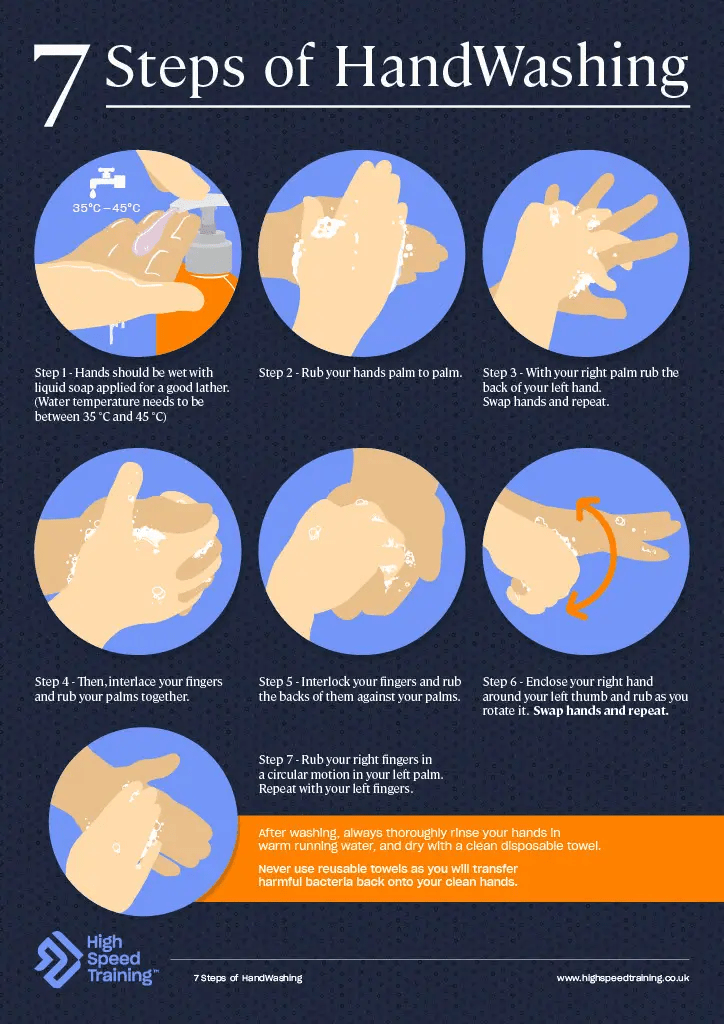
Free Hand Washing Poster

High Speed Training

France – SUPERIOR HAM WITH 3 WALNUT RIND – Listeria monocytogenes

RASFF

  • Product category Food
  • Product subcategory Meats
  • Product brand name UNBRANDED
  • Model names or references SUPERIOR HAM WITH 3 WALNUT RIND
  • Product identification
    GTIN Batch
    0203238000000 All lots
  • Packaging Traditional charcuterie section in freshness pouch
  • Start/end date of marketing From 09/09/2023 to 09/16/2023
  • Storage temperature Product to keep in the refrigerator
  • Health mark FR22046001CE
  • Geographical sales area Whole France
  • Distributors SAS TESTEDIS

Germany -Ostrich salami (neutral, garlic and pepper) – Listeria monocytogenes

LMW

Alert type:

Groceries

Date of first publication:

October 2, 2023

Product name:

Ostrich salami (neutral, garlic and pepper)

Manufacturer (distributor):

Ostrich farm Ostseeblick Ostseering 11 24257 Hohenfelde

Reason for warning:

Listeria monocytogenes was detected in the affected products.

Packaging Unit:

Plastic casing, clipped on both sides, plastic bag

Durability:

December 10, 2023

Additional Information:

Reference is made to the company’s attached customer information.

Click to access 2023-10-02c_Aushang+mit+Kundeninformation-1.pdf

England and Wales – Listeriosis in England and Wales: summary for 2020

Gov UK

Main points for 2020

This report summarises the number, demographics and clinical outcomes of confirmed cases of listeriosis in England and Wales in 2020:

A total 124 cases of listeriosis were reported in England and Wales.

Incidence rates of listeriosis were highest in people aged 80 years and over.

Overall, the crude incidence of listeriosis was lower in men than women, but reported cases among men aged 60 to 69 were 4 times higher than in women aged 60 to 69.

Pregnancy associated infections accounted for a fifth of all reported cases and, a 34.8% of pregnancy-associated cases resulted in stillbirth or miscarriage.

Among non-pregnancy associated cases of listeriosis, death was reported for 29 cases (29.3%), of whom 17 (17.2%) were known to have listeriosis recorded as a cause of death on the death certificate.

Incidence of listeriosis varied geographically, with the lowest incidence in the North West (0.15 per 100,000 population) and the highest in the East Midlands (0.27 per 100,0000 population).

There were 2 listeriosis outbreaks investigated in England, including a national outbreak associated with smoked salmon.

Listeriosis is a foodborne disease caused by the bacterium Listeria monocytogenes. These bacteria are widely distributed in the environment and infection usually occurs after consumption of contaminated raw, chilled, or ready-to-eat foods, and can cause sporadic infection and outbreaks of disease. People with listeriosis have been reported to develop symptoms between 1 to 70 days after consuming food contaminated with Listeria monocytogenes.

Compared to other foodborne pathogens, infections in humans are relatively rare, with 2,621 confirmed cases of listeriosis reported across 28 EU member states in 2019, and a median of 160 cases in England and Wales each year (2010 to 2019). However, listeriosis can cause severe clinical outcomes in vulnerable groups, including those aged over 60 years, pregnant women and their unborn or newborn babies, and people with impaired immunity. In these groups, listeriosis can present as infection of the bloodstream or brain. Due to the severity of infection and high case fatality rate, listeriosis is an important public health concern.

National surveillance of listeriosis in England and Wales has been undertaken since 1992. This report summarises the number, demographics and clinical outcomes of confirmed cases of listeriosis in England and Wales reported in 2020.