Category Archives: STEC

RASFF Alerts – E.coli – Beef – Deer Meat – Clams

RASFF-Logo

RASFF – shigatoxin-producing Escherichia coli (stx2) in frozen boneless beef from Brazil in Spain

RASFF – shigatoxin-producing Escherichia coli (0185:H7 VT2) in frozen beef from Brazil in Spain

RASFF-shigatoxin-producing Escherichia coli (detected) in frozen deer meat from Austria in Italy

RASFF – shigatoxin-producing Escherichia coli in frozen bovine meat from Brazil in Spain

RASFF -too high count of Escherichia coli (790 MPN/g) in chilled clams (Mytilus galloprovincialis) from Spain in Italy

Australia – Kebabs – STEC E.coli

Food Poisoning JournalEcoli Istock

NSW Health has been notified of four recent cases of a rare bacterial gastroenteritis, prompting NSW Health to issue an alert, particularly to people who may have purchased food at Kenny’s Kebabs at Miranda Fair in January.

Director of South Eastern Sydney Public Heath Unit, Professor Mark Ferson said the 4 patients with bloody diarrhoea caused by Shiga-toxin producing E. coli (STEC) bacteria infection were reported yesterday in patients from the Sutherland/St George area

Research – Current Intervention Strategies for the Microbial Safety of Sprouts

Ingenta Connect

Sprouts have gained popularity worldwide due to their nutritional values and health benefits. The fact that their consumption has been associated with numerous outbreaks of foodborne illness threatens the $250 million market that this industry has established in the United States. Therefore, sprout manufacturers have utilized the U.S. Food and Drug Administration recommended application of 20,000 ppm of calcium hypochlorite solution to seeds before germination as a preventative method. Concentrations of up to 200 ppm of chlorine wash are also commonly used on sprouts. However, chlorine-based treatment achieves on average only 1- to 3-log reductions in bacteria and is associated with negative health and environmental issues. The search for alternative strategies has been widespread, involving chemical, biological, physical, and hurdle processes that can achieve up to 7-log reductions in bacteria in some cases. The compilation here of the current scientific data related to these techniques is used to compare their efficacy for ensuring the microbial safety of sprouts and their practicality for commercial producers. Of specific importance for alternative seed and sprout treatments is maintaining the industry-accepted germination rate of 95% and the sensorial attributes of the final product. This review provides an evaluation of suggested decontamination technologies for seeds and sprouts before, during, and after germination and concludes that thermal inactivation of seeds and irradiation of sprouts are the most practical stand-alone microbial safety interventions for sprout production.

USA – Beef and Pork Product Recall E.coli STEC

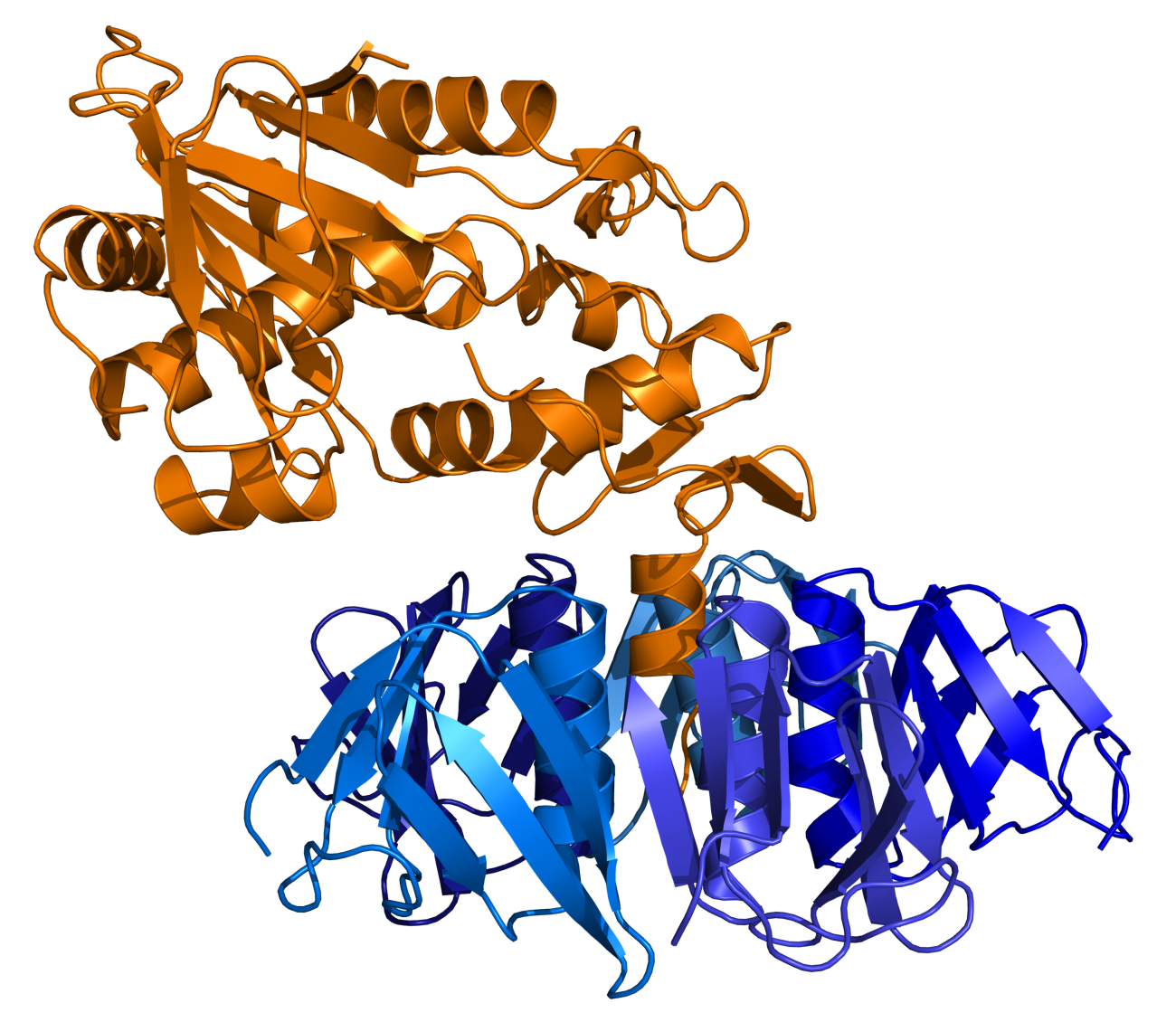
E.coli BlogShiga_toxin_(Stx)_PDB_1r4q

Cloud’s Meats, Inc. is voluntarily recalling beef and pork products possibly contaminated with E. coli. following positive test results for non-0157 Shiga toxin-producing E. coli (STECs) in samples of items produced mid-November. The samples were taken during routine testing conducted by the Missouri Department of Agriculture’s Meat and Poultry Inspection Program November 14 and analyzed by the Department’s Veterinary Diagnostic Laboratory in Springfield.

RASFF Alerts – E.coli -Clams – Mussels – Bovine Meat

RASFF -too high count of Escherichia coli (490 MPN/100g) in live clams (Venus verrucosa) from Greece in Italy

RASFF -too high count of Escherichia coli (330; 1090 MPN/100g) in live mussels from France

RASFF – shigatoxin-producing Escherichia coli (presence /25g) in frozen boneless bovine meat (Bos taurus) from Brazil in the Netherlands

Italy – E.coli STEC Outbreak 22 Children Sick

Consumer Food Safety

Twenty-two pre-school children have developed symptoms of shiga-toxin producing E. coli, with 12 confirmed and three hospitalized with hemolytic uremic syndrome.

As for the child discharged yesterday, he went back home with family in the

As yet, there is no word on the source of the outbreak.

RASFF Alerts – E.coli – Beef and Parsley

RASFF -high count of Enterobacteriaceae (17000 CFU/g) in dried parsley from Egypt in Italy

RASFF -shigatoxin-producing Escherichia coli (presence /25g) in fresh vacuum packed boneless beef (Bos taurus) from Argentina in Italy

RASFF -shigatoxin-producing Escherichia coli (presence /25g) in frozen boneless beef (Bos taurus) from Brazil in the Netherlands

RASFF -shigatoxin-producing Escherichia coli (presence /25g) in chilled beef (Bos taurus) from Brazil in the Netherlands

RASFF Alerts – E.coli – Clams – Springbok – Game Meat

RASFF -too high count of Escherichia coli (>18000 MPN/100g) in frozen clams (Venus gallina) from Turkey in Greece

RASFF -shigatoxin-producing Escherichia coli (presence /25g) in frozen springbok meat (Antidorcas marsupialis) from Namibia in the Netherlands

RASFF -shigatoxin-producing Escherichia coli (present /25g) in frozen game meat from Namibia in the Netherlands


RASFF – E.coli – Deer Meat – Beef

RASFF -Shigatoxin-producing Escherichia coli (O103 VT1 EAE positive) in quick-frozen deer meat from Austria in Italy

RASFF – Shigatoxin-producing Escherichia coli (presence /25g) in frozen boneless beef (Bos taurus) from Brazil inItaly

RASFF Alerts E.coli in Beef – Mussels – Spinach

RASFF -Shigatoxin-producing Escherichia coli in chilled boneless beef (Bos taurus) from Brazil in the Netherlands

RASFF -Shigatoxin-producing Escherichia coli in chilled beef (Bos taurus) from Brazil in the Netherlands

RASFF -shigatoxin-producing Escherichia coli (presence /25g) in chilled bovine meat from Brazil in the Netherlands

RASFF -shigatoxin-producing Escherichia coli (presence /25g) in boneless beef (Bos taurus) from Argentina in the Netherlands

RASFF -High count of Escherichia coli (16000 MPN/100g) in mussels (Mytilus galloprovincialis) from Italy

RASFF -High count of Escherichia coli (1300; 70; 1100; 80; <10 CFU/g) in fresh spinach from Sri Lanka in Norway