Archives
-
Join 347 other subscribers
KSWFoodWorld
Blog Stats
- 484,921 Views
Category Archives: Salmonella
Ottawa Salmonella Outbreak – Now 33 Cases
There now are 37 Salmonella infections in Ottawa, most linked to a catering company that served meals to schools and day care centers, the city’s public health department reported Monday.
The outbreak total includes 33 children, ranging in age from 15 months to 18 years old. Three required hospitalization but have since been released. The children all attended one of seven schools or a single day care center.
Two of four ill adults appear to be part of the outbreak; two cases may be unrelated, the health department said in a news release.
Still no official word on what caused the outbreak of Salmonella poisoning, although the owner of The Lunch Lady catering company, implicated as the source, said earlier that investigators were looking at ground beef used to tacos and lasagna.
How Salmonella Avoids the Body’s Immune Response
Science Daily – Full Article
Pathogens like salmonella flourish and cause disease in humans through a process by which they acquire metal ions, such as zinc, from the body. One of the body’s key immune responses is to flood the infected area with antimicrobial proteins that include calprotectin, which removes zinc. Without enough of this vital element, most pathogens eventually die.
The study team found, however, that salmonellae overcome this immune response by expressing specialised transporter proteins that enable the bacteria to acquire zinc in spite of calprotectin reducing the amount available in the digestive tract. This distinctive mechanism lets salmonellae continue proliferating.
At the same time, calprotectin inadvertently promotes salmonella growth by killing the microbes that normally reside within the intestines and help the immune system battle pathogenic bacteria.
Posted in Bacteria, Eurofins Laboratories, Food Illness, Food Poisoning, Food Technology, Food Testing, Foodborne Illness, Microbiology, Salmonella
Tagged research
EFSA Video Links – Salmonella, Campylobacter, Pathogens
Short videos on the following subjects from the European Food Safety Authority.
What is Salmonella?
What is antimicrobial resistance?
What are foodborne zoonotic pathogens?
What is Campylobacter?
Canada – Salmonella Outbreak – 16 Children Affected
Ottawa Public Health is investigating a lunch catering service they believe caused a salmonella outbreak among children.
Ottawa’s chief medical officer of health Dr. Isra Levy sent a letter to local physicians Tuesday warning them of 16 reports of lab-confirmed cases of salmonella and the number is expected to grow.
The reports have come in during the last three days, the letter reads, and CBC News has confirmed it involves children between the ages of 15 months and 14 years old at three schools and one daycare.
FDA – Guidelines Testing for Salmonella Species in Human Foods and Direct-Human-Contact Animal Foods
This guidance is intended for firms that manufacture, process, pack or hold human foods or direct-human-contact animal foods intended for distribution to consumers, institutions, or food processors, in the USA. Although it does not apply to egg producers which have separate guidance.
The purpose of this guidance is to address testing procedures for Salmonella species (Salmonella spp.) in human foods and direct-human-contact animal foods, and the interpretation of test results, when the presence of Salmonella spp. in the food may render the food injurious to human health.
Posted in Bacteria, FDA, Food Testing, Microbiology, Pathogen, Salmonella
Tagged salmonella spp
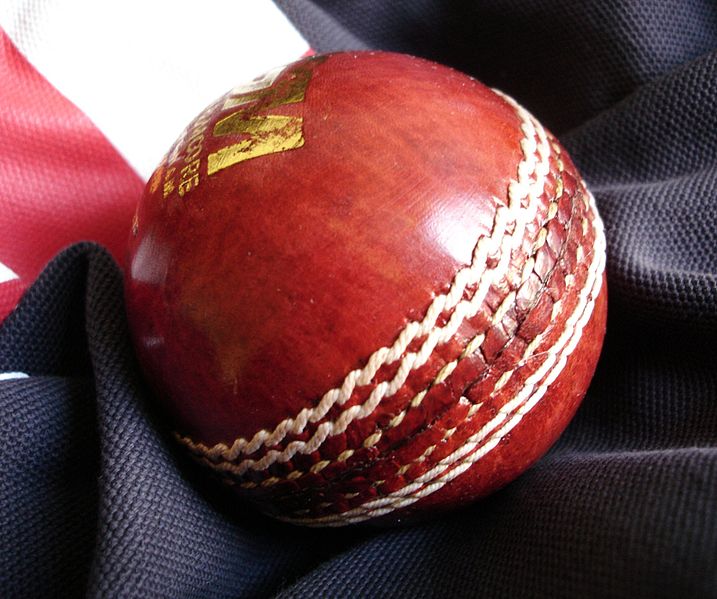
Just Not Cricket – Salmonella
HEALTH officials are still trying to work out the source of the salmonella infection that has hospitalised four Tasmanian cricketers and an umpire.
The Tigers suspect food they ate in Adelaide on the final day of their Sheffield Shield match against South Australia last Friday was the mostly likely source of the poisoning.
But South Australia officials deny they are responsible.
Canada – Curry Powder – Salmonella
The Canadian Food Inspection Agency (CFIA) and G. Dion Foods are warning the public not to consume the Dion brand curry powder described below because the product may be contaminated with Salmonella. The affected product, Dion brand Organic Curry powder is sold in 36 g packages bearing lot code 02B01G and UPC 6 20383 02007 7. This product has been distributed in Quebec and Ontario.
There have been no reported illnesses associated with the consumption of this product.
ECDC and EFSA – Food-borne Outbreaks in EU Report 2010
The European Centre for Disease Prevention and Control (ECDC) and the European Food Safety Authority (EFSA) launched their annual report on zoonoses and food-borne outbreaks.
The report, providing data on 15 zoonotic diseases in the European Union for 2010, supports the European Commission and EU Member States in their consideration of possible measures to protect citizens from risks related to zoonoses.
The report highlights a positive progress in the reduction of reported human cases of salmonellosis by almost 9% in 2010, as well as decreases in other zoonoses such as infections caused by Yersinia enterocolitica, Trichinella and Listeria monocytogenes. “Decreases in human cases of salmonellosis and other zoonotic diseases show that EU level control measures, resulting from surveillance of disease in humans with information from food and animals, are effective”, states Johan Giesecke, Chief Scientist at ECDC.
On the other hand, the number of cases of campylobacteriosis has been increasing over the last five years, and human cases of Shiga toxin/verotoxin -producing Escherichia coli (STEC/VTEC) are also increasing. These trends “highlight the need of further joint efforts”, continues Prof. Gieseke. “For this, ECDC will continue to strengthen its links with all important partners and foster collaboration in order to decrease the occurrence of these diseases in the EU”.
Ingenta Studies – High Pressure E.coli/Campylobacter – Essential Oils E.coli/Salmonella
This study evaluated the high pressure inactivation of Campylobacter jejuni, Escherichia coli, and poultry meat spoilage organisms. All treatments were performed in aseptically prepared minced poultry meat. Treatment of 19 strains of C. jejuni at 300 MPa and 30°C revealed a large variation of pressure resistance.
The efficacy of cinnamaldehyde and Sporan for reducing Escherichia coli O157:H7 and Salmonella on spinach leaves was investigated. Spinach leaves were inoculated with a five-strain cocktail of Salmonella or E. coli O157:H7, air dried for ca. 30 min, and then immersed in a treatment solution containing 5 ppm of free chlorine, cinnamaldehyde, or Sporan (800 and 1,000 ppm) alone or in combination with 200 ppm of acetic acid (20%) for 1 min or with water (control).
Venison Sushi – Salmonella in Hawaii
A bad case of salmonella poisoning suffered by a 65-year old Honolulu who ate raw venison sushi is the first documented case of its kind in Hawai`i and offers a reminder to physicians (and their patients) that there are many potential local sources of food borne illness.