Category Archives: Research

Research – Co‐occurrence of Aflatoxins and Ochratoxin A in nuts, dry fruits, and nuty products


Wiley Online

Abstract

A total of 320 samples of edible nuts (poppy seed, peanut, pistachio, cashew, almonds) and dry fruits (plum, raisins, figs, dates, apricot, watermelon seed, melon seeds, pomegranate seeds) collected from major cities of Punjab, and Khyber Pakhtunkhwa, Pakistan, were analyzed for the presence of aflatoxins (AFs) and ochratoxin A (OTA). Sample extracts were purified using immunoaffinity columns and analyzed by reversed phase HPLC with fluorescence detection. Aflatoxin B1 (AFB1) and total AFs (AFB1, AFB2, AFG1, AFG2) were found in 128 (40%) samples, and total AFs exceeded levels of 4 µg/kg and 10 µg/kg in 34 and 25% of samples. The highest mean levels of total AFs (7.30 ± 1.80 µg/kg) were found in peanuts without shell, the lowest mean levels (2.90 ± 1.50 µg/kg) were found in watermelon seeds with shell samples. OTA was found in 18 (5%) samples, the highest levels (5.60 ± 1.34 µg/kg) were found in raisins (maximum 18.5 µg/kg). Only four samples of edible nuts and dry fruits were contaminated with OTA at levels above the recommended limit of 10 µg/kg. The results have revealed the co‐occurrence of OTA and total AFs in 25% total samples of dry fruits and nuts with a mean level of OTA 3.58 ± 1.30 µg/kg and total AFs mean level of 4.13 ± 0.48 µg/kg, respectively. The high frequency especially of AFs in dry fruits and edible nuts is regarded as a health issue for consumers.

Practical applications

The manuscript has provided the current status on the levels of AFs and OTA in dry fruits and nuts in Pakistan. The results of current finding revealed that the levels of AFs and OTA in those samples which have stored in shells are significantly less as compared to those samples of nuts and dry fruits which have been stored without shells. Therefore, to use good storage practices, farmers, venders, and traders can eliminate or minimize the levels of these toxins in their products. Furthermore, the study will provide the awareness and levels of AFs and OTA in nuts and dry fruits and help to implement strict regulations for these toxins by law enforcement agencies.
Research – Pork juice promotes biofilm formation in Listeria monocytogenes

Wiley Online

Abstract

A total of 47 Listeria monocytogenes isolates were separated and identified from 153 retailed raw meat samples in Shanghai area with the highest contamination rate in pork meat (20.34%). Using multiplex PCR, these isolates were divided into 3 serogroups: 1/2a‐3a, 1/2b‐3b‐7, and 1/2c‐3c, and 1/2a‐3a was predominant in these isolates. Calgary device was introduced to cultivate biofilm, and crystal violet staining and viable cell enumeration was used to determine the quantity of biofilm formation. Meat juices significantly impacted the biofilm formation, and L. monocytogenes had the highest biofilm‐forming ability in pork juice. However, there was no significant difference on biofilm formation among different serotypes and sources. When cocultured in pork juice, the cell numbers of Salmonella enterica, Staphylococcus aureus, and L. monocytogenes had a significant decrease or decreasing tendency compared to monospecies biofilm, which revealed a competitive interaction among the three species.

Practical applications

It is aimed to investigate the biofilm formation by L. monocytogenes on plastic surface in different meat juices (beef, chicken, and pork) and the interaction among the multispecies biofilm of Salmonella, Staphylococcus aureus, and L. monocytogenes in pork juice. Meat juice was used as a simulation of the real condition in meat processing environment, and the result can give suggestions to meat industry to keep a close eye on raw pork product.

Research – Water safety checks dangerously underestimate pathogen levels, study suggests

Phys Org

Deadly bacteria lurking in drinking water storage tanks could be missed by standard health and safety tests, scientists have warned in a new report.

Cold water storage tanks supplying public drinking water are regularly checked for harmful pathogenic bacteria such as Legionnaires’ disease and E.coli.

However, microbiological analysis by researchers from Brunel University London found that samples taken as standard from the top of the tank are 40% less likely to raise a red flag than samples taken from the opposite end.

One in five samples taken from the top of the tank didn’t trigger the urgent action that samples from the bottom of the same tank showed was needed.

“These results call into question the reliability of present measures used to protect the public from waterborne pathogenic diseases, including Legionella,” said Aji Peter, a Ph.D. student from Brunel’s Institute of Environment, Health and Societies, who carried out the research.

Cold water storage tanks are often found on the roofs or in the basements of public buildings such as schools and hospitals, and can be a source of repeated bacterial contamination.

Current safety regulations require a of water be taken from under the ball valve at the top of the tank for regular microbiological monitoring, although scientists are now calling for the standard safety tests to be changed to look at samples taken from the far end of the tank, where is likely to be warmer and hold more bacteria-feeding sediment.

More information: Aji Peter et al. Present-day monitoring underestimates the risk of exposure to pathogenic bacteria from cold water storage tanks, PLOS ONE (2018). DOI: 10.1371/journal.pone.0195635

Read more at: https://phys.org/news/2018-04-safety-dangerously-underestimate-pathogen.html#jCp


New Zealand – Up to 90 per cent of NZ chicken could be contaminated with Camplobacteria – new study

TVNZ 


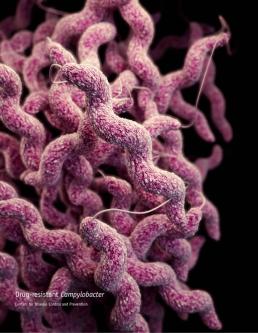
A University of Otago, Wellington study, published last week in the international journal BMC Public Health, found only 15 per cent of consumers were aware that most of fresh chicken meat for sale in New Zealand is contaminated with Campylobacter.

The researchers also found deficiencies in the safety information provided to consumers.

“New Zealand has one of the highest rates of campylobacteriosis in the world and at least half of cases can be attributed to contaminated chicken,” says Philip Allan, one of the study’s authors and a medical student attached to the Department of Public Health.

Most survey participants were aware of the need to thoroughly cook chicken and to use separate utensils during preparation, but many were unaware that rinsing fresh chicken under the tap could spread the infection or that freezing chicken reduced Campylobacter contamination.

The study authors expect food safety regulators and chicken producers and retailers to be taking all reasonable steps to protect consumers.

How to cook the Campylobacter out of your chicken

New Zealand – Food safety labelling of chicken to prevent Campylobacteriosis: consumer expectations and current practices

BMC Public Health 


Campylobacteriosis from contaminated chicken meat is one of the most important food safety problems in western countries, and dissemination of antibiotic resistant
organisms is a growing concern. It is also a preventable disease. Food labels are a universally accessible means of conveying safe chicken preparation information to
consumers. Our research identified demand for comprehensive safe chicken preparation and handling information on labels and demonstrated several gaps in consumer
knowledge. Consumers currently underestimate the level of Campylobacter
contamination on fresh raw chicken, and have stated a desire to have such information presented on labels to inform their purchasing decisions. Furthermore, our chicken label analysis demonstrated a lack of consistent safety messages in an easily-useable
format, highlighting a key deficiency to be addressed. We recommend mandatory introduction of comprehensive, high-quality, chicken safety labelling, along with
evaluation to establish whether this intervention leads to changes in consumer behaviour and reductions in the incidence of Campylobacter infection.

Research – Chicken giblets and wastewater samples as possible sources of methicillin‐resistant Staphylococcus aureus: Prevalence, enterotoxin production, and antibiotic susceptibility

Wiley Online

Abstract

Staphylococcus aureus is an important foodborne pathogen that constitutes a major health hazard. This study was undertaken to investigate the potential health hazard of chicken products including giblets as a source of methicillin‐resistant S. aureus (MRSA). The prevalence of coagulase‐positive multidrug‐resistant S. aureus in chicken breast meat, wings, giblets (livers and gizzards), and wastewater samples was investigated. Furthermore, expression of mecA in the identified isolates was screened using PCR. In addition, the expression of staphylococcal enterotoxin (SE) coding genes (A, B, C, and D) was investigated. The antibiogram of isolated S. aureus was further tested using the disk diffusion method. Results obtained showed that a 14% prevalence of S. aureus among the examined samples. Interestingly, all isolates were confirmed to be MRSA. SEA had the highest frequency among SEs in MRSA isolates. 78.57% of MRSA isolates showed multidrug resistance profiles.

Practical applications

This study demonstrated that chicken giblets and wastewater samples are potential sources for transmission of methicillin‐resistant S. aureus (MRSA) and the heat‐resistant staphylococcal enterotoxins to people. Additionally, the isolated MRSA showed variable degrees of antibiotic resistance. Accordingly, strict hygiene protocols should be followed during preparation of chicken products including giblets for human consumption. Furthermore, thorough cooking of chicken meat and giblets must be considered before serving to people.

Research – Detection of foodborne viruses in ready‐to‐eat meat products and meat processing plants

Wiley Online

Abstract

Several studies have confirmed the presence of foodborne viruses in different food products throughout the world. There is accumulating data suggesting that the economic burden of foodborne viral infections is rising, making the understanding and monitoring of their prevalence a necessity, for the modern food industry. The objective of this study was to examine ready‐to‐eat meat products and environmental samples originated from meat processing plants in Cyprus, for four foodborne viruses: norovirus (NoV GGI, NoV GII), rotavirus, hepatitis A virus, and hepatitis E virus. A total of 48 swab samples and 42 different pork meat products from two plants were analyzed in parallel. The reverse transcription real‐time polymerase chain reaction revealed two swab samples from the same plant positive for norovirus GGI. The detection of norovirus on a slicer machine and on the hands of a worker, suggest that foodborne viruses can be present in meat processing environments.

Practical applications

There is an increasing need to better understand the prevalence of foodborne viruses in the environment and food, given the rise of viral foodborne outbreaks throughout the world, as reported by World Health Organization. Meat products form an important exposure vehicle to humans either directly, through the consumption of raw products, or as a result of cross‐contamination in food processing plants. This is the first report in Cyprus illustrating the presence of foodborne viruses in meat processing plants and the possible impact in public health, through the consumption of ready‐to‐eat meat products.

Research – Application of natural plant extracts as colorants, preservatives, and anti‐listerial agents in processed fish products

Wiley Online

Abstract

The anti‐listerial activity of various plant extracts was investigated, qualitatively and quantitatively against Listeria monocytogenes strains. The extracts of Punica granatum peels (PPE) and Hibiscus sabdariffa calyxes (RCE) exhibited the most potent antibacterial activity. The application of PPE and RCE, as colorant, preservative, and antimicrobial agents, was conducted for the manufacturing of fish products (burger and surimi). The two extracts could effectively enhance the microbial, sensory, and shelf life attributes of prepared fish products. The combination of the extracts at their inhibitory concentrations lead to complete inhibition of inoculated L. monocytogenes cells, enhancing the sensory attributes of treated fish products and increasing panelists’ preference.

Practical applications

Foodborne pathogens’ transmission via fish products, for example, L. monocytogenes, is hazardous and must be overcome efficiently and safely. The substitution of synthetic and chemical food additives and preservatives with natural agents is a general request from all. Results of study supported the practical application of powerful anti‐listerial plant extracts, for example, pomegranate peels and rosella calyxes, for the control of L. monocytogenes, coloring and improving sensorial attributes of processed fish products, burger and surimi.

Research – Viable-but-Nonculturable Listeria monocytogenes and Salmonella enterica Serovar Thompson Induced by Chlorine Stress Remain Infectious

Mbio

The microbiological safety of fresh produce is monitored almost exclusively by culture-based detection methods. However, bacterial food-borne pathogens are known to enter a viable-but-nonculturable (VBNC) state in response to environmental stresses such as chlorine, which is commonly used for fresh produce decontamination. Here, complete VBNC induction of green fluorescent protein-tagged Listeria monocytogenes and Salmonella enterica serovar Thompson was achieved by exposure to 12 and 3 ppm chlorine, respectively. The pathogens were subjected to chlorine washing following incubation on spinach leaves. Culture data revealed that total viable L. monocytogenes and Salmonella Thompson populations became VBNC by 50 and 100 ppm chlorine, respectively, while enumeration by direct viable counting found that chlorine caused a <1-log reduction in viability. The pathogenicity of chlorine-induced VBNC L. monocytogenes and Salmonella Thompson was assessed by using Caenorhabditis elegans. Ingestion of VBNC pathogens by C. elegans resulted in a significant life span reduction (P = 0.0064 and P < 0.0001), and no significant difference between the life span reductions caused by the VBNC and culturable L. monocytogenes treatments was observed. L. monocytogenes was visualized beyond the nematode intestinal lumen, indicating resuscitation and cell invasion. These data emphasize the risk that VBNC food-borne pathogens could pose to public health should they continue to go undetected

Research – Study finds pathogenic bacteria, resistance genes in apartment mice

Cidrap 

The house mouse is one of the most common rodent pests found around the world, particularly in urban areas, and has long been known for its ability to spread infectious diseases to humans. Now, a new study by researchers at Columbia University indicates that the unwelcome house guest also carries several species of pathogenic bacteria and antibiotic resistance genes.

In a study today in mBio, the researchers report that a genetic analysis of droppings collected from house mice in New York City detected several types of bacteria capable of causing gastrointestinal disease, including Shigella, Salmonella, Escherichia coli, and Clostridium difficile. They also found genes that confer resistance to fluoroquinolones, beta-lactam antibiotics, and methicillin.

Overall, more than a third of mice carried at least one potentially pathogenic bacterium, and nearly a quarter carried at least one antibiotic resistance gene.