Category Archives: Research

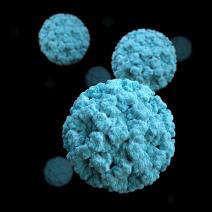
Research Japan – Foodborne Outbreaks Caused by Human Norovirus GII.P17-GII.17–Contaminated Nori, Japan, 2017

CDC

Abstract

Seven foodborne norovirus outbreaks attributable to the GII.P17-GII.17 strain were reported across Japan in 2017, causing illness in a total of 2,094 persons. Nori (dried shredded seaweed) was implicated in all outbreaks and tested positive for norovirus. Our data highlight the stability of norovirus in dehydrated food products.

Research – A macromolecular approach to eradicate multidrug resistant bacterial infections while mitigating drug resistance onset

Nature 


Polymyxins remain the last line treatment for multidrug-resistant (MDR) infections. As polymyxins resistance emerges, there is an urgent need to develop effective antimicrobial agents capable of mitigating MDR. Here, we report biodegradable guanidinium-functionalized polycarbonates with a distinctive mechanism that does not induce drug resistance. Unlike conventional antibiotics, repeated use of the polymers does not lead to drug resistance. Transcriptomic analysis of bacteria further supports development of resistance to antibiotics but not to the macromolecules after 30 treatments. Importantly, high in vivo treatment efficacy of the macromolecules is achieved in MDR A. baumannii-, E. coli-, K. pneumoniae-, methicillin-resistant S. aureus-, cecal ligation and puncture-induced polymicrobial peritonitis, and P. aeruginosa lung infection mouse models while remaining non-toxic (e.g., therapeutic index—ED50/LD50: 1473 for A. baumannii infection). These biodegradable synthetic macromolecules have been demonstrated to have broad spectrum in vivo antimicrobial activity, and have excellent potential as systemic antimicrobials against MDR infections.

Research – Norovirus infects rare intestinal cell: Study

Outbreak News Today 


Norovirus — the highly contagious gastrointestinal illness best known for spreading rapidly on cruise chips, in nursing homes, schools and other densely populated spaces — kills an estimated 200,000 people annually, mostly in the developing world. There’s no treatment or vaccine to prevent the illness, and scientists have understood little about how the infection gets started.

Now, researchers at Washington University School of Medicine in St. Louis have shown, in mice, that the virus infects a rare type of intestinal cell called a tuft cell, so named because each cell sports a cluster of hairlike extensions on its surface. While tuft cells are few in number, the scientists’ findings indicate that once the virus strikes, such cells multiply the virus quickly and set off severe infections.

The research, published April 12 in Science, suggests that targeting tuft cells with a vaccine or a drug may be a viable strategy for preventing or treating norovirus infections.

Research – Comparison of Predictors and Mortality Between Bloodstream Infections Caused by ESBL-Producing Escherichia coli and ESBL-Producing Klebsiella pneumoniae

Cambridge Org

OBJECTIVE

To compare the epidemiology, clinical characteristics, and mortality of patients with bloodstream infections (BSI) caused by extended-spectrum β-lactamase (ESBL)-producing Escherichia coli (ESBL-EC) versus ESBL-producing Klebsiella pneumoniae (ESBL-KP) and to examine the differences in clinical characteristics and outcome between BSIs caused by isolates with CTX-M versus other ESBL genotypes

METHODS

As part of the INCREMENT project, 33 tertiary hospitals in 12 countries retrospectively collected data on adult patients diagnosed with ESBL-EC BSI or ESBL-KP BSI between 2004 and 2013. Risk factors for ESBL-EC versus ESBL-KP BSI and for 30-day mortality were examined by bivariate analysis followed by multivariable logistic regression.

RESULTS

The study included 909 patients: 687 with ESBL-EC BSI and 222 with ESBL-KP BSI. ESBL genotype by polymerase chain reaction amplification of 286 isolates was available. ESBL-KP BSI was associated with intensive care unit admission, cardiovascular and neurological comorbidities, length of stay to bacteremia >14 days from admission, and a nonurinary source. Overall, 30-day mortality was significantly higher in patients with ESBL-KP BSI than ESBL-EC BSI (33.7% vs 17.4%; odds ratio, 1.64; P=.016). CTX-M was the most prevalent ESBL subtype identified (218 of 286 polymerase chain reaction-tested isolates, 76%). No differences in clinical characteristics or in mortality between CTX-M and non–CTX-M ESBLs were detected.

CONCLUSIONS

Clinical characteristics and risk of mortality differ significantly between ESBL-EC and ESBL-KP BSI. Therefore, all ESBL-producing Enterobacteriaceae should not be considered a homogeneous group. No differences in outcomes between genotypes were detected.

CLINICAL TRIALS IDENTIFIER

ClinicalTrials.gov. Identifier: NCT01764490.

Infect Control Hosp Epidemiol 2018;1–8

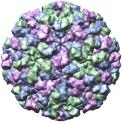
Research – Foodborne Outbreaks Caused by Human Norovirus GII.P17-GII.17–Contaminated Nori, Japan, 2017

CDC Norwalk_Caspid

Abstract

Seven foodborne norovirus outbreaks attributable to the GII.P17-GII.17 strain were reported across Japan in 2017, causing illness in a total of 2,094 persons. Nori (dried shredded seaweed) was implicated in all outbreaks and tested positive for norovirus. Our data highlight the stability of norovirus in dehydrated food products.


Research – Effects of Bacterial Dose and Fly Sex on Persistence and Excretion of Salmonella enterica serovar Typhimurium From Adult House Flies (Musca domestica L.; Diptera: Muscidae)

Oxford Academic fly

Abstract

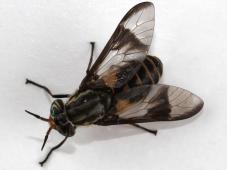
Salmonella Typhimurium (Le Minor and Popoff 1987; Enterobacteriales: Enterobacteriaceae) is a pathogen that causes gastroenteritis in humans and can be harbored by house flies. Factors influencing excretion of S. Typhimurium from infected flies have not been elucidated but are essential for assessing transmission potential. We determined the persistence and excretion of a green fluorescent protein (GFP) expressing strain of S. Typhimurium from house flies. Individual male and female flies were fed either sterile Luria-Bertani (LB) broth (controls) or cultures of “high” (~105 colony forming units [CFU]) or “low” (~104 CFU) doses of bacteria (treatments). Bacterial persistence was determined over 16 h by culturing whole-fly homogenate. Both sex and dose affected persistence between 6 and 12 h postingestion. In a separate experiment, fly excretion events were monitored during this time interval and excreta droplets were individually cultured for bacteria. Female flies had more excretion events than males across treatments. We observed interactions of fly sex and bacterial abundance (dose), both on the proportion of Salmonella-positive droplets and the CFU shed per droplet (CFU/droplet). In the low-dose treatment, males excreted a greater proportion of positive droplets than females. In the high-dose treatment, males excreted more CFU/droplet than females. High-dose male flies excreted more CFU/droplet than low-dose males, but low-dose females excreted more CFU/droplet than high-dose females. Irrespective of sex, low-dose flies excreted a greater dose-adjusted CFU (CFU droplet/CFU fed) than high-dose flies. This study demonstrates that both bacterial abundance and fly sex may influence excretion of bacteria from flies, and should be considered when assessing the risk of house fly transmission of pathogens.

Research – How pathogenic bacteria prepare a sticky adhesion protein

Science Daily

Researchers at Harvard Medical School, the University of California, San Francisco, and the University of Georgia have described how the protein that allows strep and staph bacteria to stick to human cells is prepared and packaged. The research, which could facilitate the development of new antibiotics, will appear in the April 6 issue of the Journal of Biological Chemistry.

All bacteria have a standard secretion system that allows them to export different types of proteins outside of their cells. An important class of extracellular molecules produced by pathogenic bacteria are adhesins, proteins that enable bacteria to adhere to host cells. For unknown reasons, the SRR (serine-rich-repeat) adhesins of Staphylococcus and Streptococcus bacteria — pathogens that can be involved in serious infections such as bacterial meningitis, bacterial pneumonia and pericarditis — are transported through a secretion pathway that is similar to the standard system, but dedicated solely to adhesin.

Research – University researchers develop bacteria-killing light

mndaily 


University of Minnesota researchers are using intense pulsed light to kill bacteria in powdered foods and prevent the potentially deadly risks of consuming them.

The federally-funded project has created a machine that can reduce harmful bacteria contamination by up to 99.99999 percent in powdered foods. Powdered foods, like flour and baby formula, have frequently been recalled in recent years due to contamination by bacteria such as salmonella and E. coli, which can be dangerous and even fatal.

France had to recall all Lactalis brand infant formula last December after salmonella contamination. In 2016, General Mills had to recall several types of flour due to the presence of E. coli, and several products made with Valley Milk Products’ milk powders also had to be recalled because of salmonella.

Flour contamination is particularly dangerous because it can contaminate any foods that it is cooked or baked into, said David Baumler, a professor from the Department of Food Science and Nutrition and a lead microbiologist for the project.

The research team hopes their pulsed light technology will help food companies keep their foods safe.

Research – Effect of Gum Arabic‐polyvinyl alcohol films containing seed cover extract of Zanthoxylum rhetsa on shelf life of refrigerated ground chicken meat

Wiley Online

Abstract

The aim of this study was to improve shelf life of ground chicken meat in chilled storage by employing active packaging incorporating seed cover extract (SCE) of Zanthoxylum rhetsa. The total phenolic and flavonoid content in SCE was estimated to be 194 and 44.5 mg/g, respectively, in terms of catechin equivalents. SCE scavenged free radicals, exhibited good reducing power, and high antioxidant activity coefficient. SCE was effective against Staphylococcus aureus, Bacillus cereus, Escherichia coli, and Pseudomonas fluorescens. The major phenolics compounds identified in SCE were catechin, vanillin, gallic acid, and ferulic acid. SCE was incorporated to get active films of Gum Arabic, polyvinyl alcohol, and sorbitol. Films had good mechanical and barrier properties. Ground chicken meat packed in normal films spoiled in less than 6 days whereas active packaging led to reduction in lipid peroxidation and improvement in shelf life up to 12 days at chilled condition.

Practical applications

Globally, tonnes of food get wasted annually at retail and consumer level due to lack of proper packaging and storage facilities. Meat is a highly perishable commodity and various strategies are used to preserve it for long time. Packaging and freezing are two important techniques used for this purpose. Freezing is energy intensive and conventional packaging using petroleum‐based polymers leads to burden on environment. Active packaging with the use of biodegradable polymers and natural preservatives is an emerging area of research in food industry. Zanthoxylum rhetsa is low cost spice and is rich in bioactive compounds. This can be used as the active component in biodegradable films that can extend the shelf life of the meat packed in it at chilled temperatures. Thus the burden on energy as well as petroleum resources can be minimized.

Research – Staphylococcus aureus gene involved in virulence, biofilm formation and resistance to certain antibiotics: Study

Outbreak News Today Staph

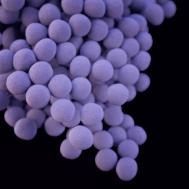
An Institut Pasteur-CNRS research team has characterized a Staphylococcus aureus gene involved in virulence, biofilm formation and resistance to certain antibiotics. These results open up new avenues for understanding the control of S. aureus virulence mechanisms. This work was recently published in the journal PLoS Pathogens.

Staphylococcus aureus is part of the natural skin flora, preferentially colonizing external mucosa in 30 to 50% of the population, healthy carriers who develop no symptoms. But it is also a major human pathogen, causing diseases ranging from skin lesions (boils, impetigo, etc.) to endocarditis, acute pneumonia, osteomyelitis or sepsis. It is the leading Gram-positive bacterium responsible for nosocomial infections (hospital acquired infections). The most dangerous strains are those that display resistance to multiple antibiotics. This is the case of MRSA, resistant to Methicillin, widespread in hospitals and posing a major public health concern.